
Which foods can treat constipation?| Dr. Maryam Saboktakin – Nutritionist in Tehran
Treatment of constipation A high-fiber diet includes plenty of fruits, vegetables, whole grains, legumes, and nuts. Increasing stool volume, improving bowel movements, reducing the risk of heart disease and diabetes may cause bloating and gas, requires a gradual increase in fiber consumption. Most people with constipation have a diet containing probiotics, including yogurt, kefir, sauerkraut, kimchi, and other fermented foods. Improving intestinal flora, strengthening the immune system, reducing inflammation may cause bloating and gas, may not be suitable for everyone.
People who have intestinal flora disorders. A high-fluid diet includes water, natural juices, soups, and decaffeinated tea. Soften stools, improve digestion Excessive fluid intake may dilute the body's electrolytes. For all people with constipation, a low-fat diet includes reducing the consumption of fatty and fried foods. Improving digestion, losing weight may not be energizing enough, needs food variety. People who, in addition to constipation, have obesity problems or heart diseases.
Be with us with practical links Nutritionist in Tehran – Dr. Maryam Saboktakin :
- Leaving the habit of eating small things with these solutions
- Doctor specializing in online diet in Tehran
- Communication with Dr. Maryam Saboktakin, nutritionist and diet therapist in Tehran
- What should we eat for breakfast to get fat?
- online diet access
- How to treat gout with diet?
Fiber foods for constipation
Fiber is the main component of food that relieves constipation and is also the main component of stool. In addition to bulking up the stool, fiber can have other digestive benefits, the most important of which include increasing the motility of the intestines, supporting the intestinal microbiome, and things like that.

Fruits to treat constipation
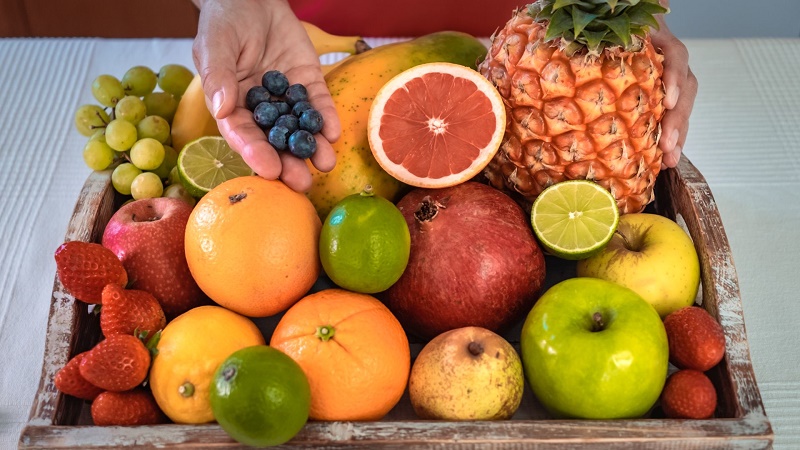
In general, fruits can be suitable for treating constipation. However, some fruits have more fiber and can probably play an important role in treating constipation. Fruits with high fiber that may help reduce constipation include:
Kiwi
Pear
Apple
grapes
Raspberries and berries
Elo
In addition to its high fiber content, aloe also contains sorbitol, which can have other digestive benefits and helps to expel feces more easily.
Consuming vegetables for constipation
Those who are looking to choose a diet suitable for constipation are advised to eat more vegetables. Broccoli, spinach and carrots can play an important role in improving and relieving the symptoms of constipation.
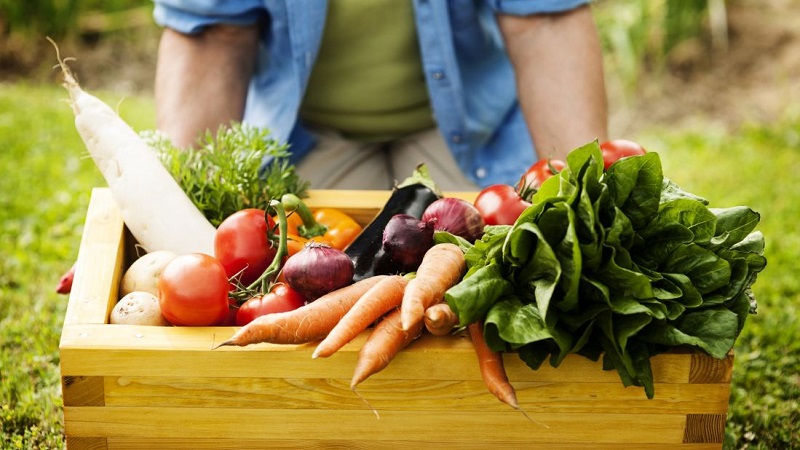
Vegetables are rich in insoluble fiber, which bulks up the stool and helps regular bowel movements. In addition, various vegetables can protect the intestines and make digestion easier. For example, sulforaphane—found in abundance in broccoli—can prevent the overgrowth of intestinal microorganisms that interfere with healthy digestion.
Beans for constipation
Most beans, lentils and peas are very high in fiber. A 2017 study found that 100 grams of cooked legumes provide about 26 percent of the daily fiber intake recommended by doctors in the United States. Therefore, it is possible to consider the consumption of legumes in a suitable diet for constipation.
Whole grains for constipation
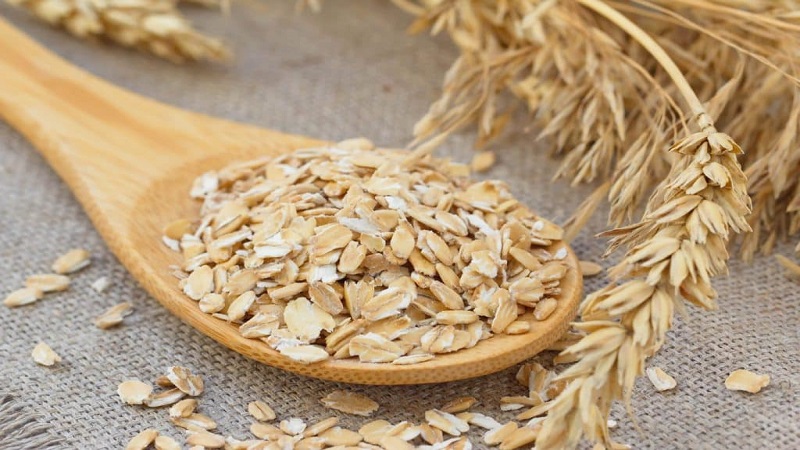
Whole wheat products are an excellent source of insoluble fiber. To get the most nutrients from whole wheat products, one should consume them raw or slightly cooked. A 2017 study looked at the effectiveness of wheat bran as a treatment for constipation in infants and older children. Researchers found that consuming bran can effectively improve regular bowel movements.
Seeds and kernels and constipation
Consuming seeds and nuts are also a good source of fiber needed by the body and can be included in a diet suitable for constipation. Chia seeds and flax seeds along with olive oil can have a mild laxative effect and help facilitate the movement and elimination of substances through the intestines. In addition, the compounds in these seeds can improve digestion and have antioxidant, antibacterial and anti-inflammatory properties.
Increasing fluid intake in a suitable diet for constipation
One of the nutritional habits that can be used to treat constipation is increasing the consumption of liquids, especially water. Liquids increase the moisture of the stool and make the stool softer and easier to expel. There are various liquids that can help treat constipation.
Dehydration is one of the common causes of constipation. When a person becomes dehydrated, their intestines cannot add enough water to the stool. Dehydration causes hard, dry, lumpy stools and makes excretion difficult. Drinking plenty of water can help reduce or eliminate symptoms and prevent constipation. Coffee and herbal teas like green tea can also be effective in treating constipation.
Consumption of probiotics in a diet suitable for constipation
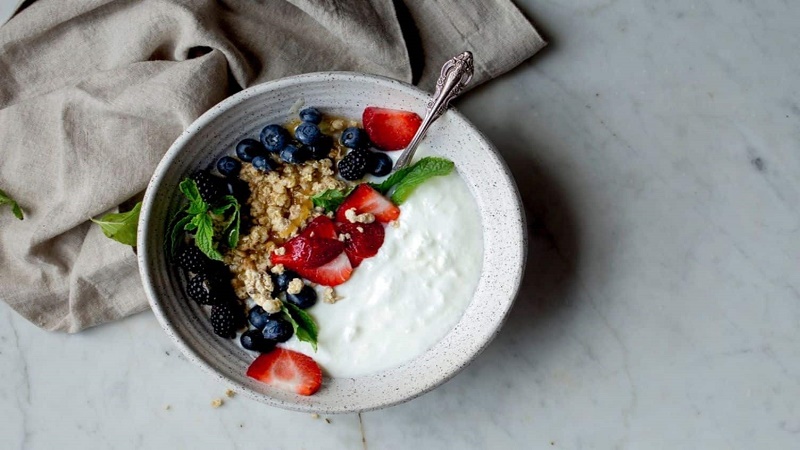
Probiotics are beneficial bacteria that may help improve gut health and soften stools. In fact, a 2017 study found that probiotics improved constipation by 10 to 40 percent compared to a placebo. Therefore, if you are looking to choose a suitable diet for constipation, include probiotics such as yogurt and kefir, probiotic supplements and sauerkraut in your plan. Homemade sauerkraut can act like probiotic supplements.
Magnesium-rich foods in a suitable diet for constipation
Other food sources that can be effective in treating constipation are foods that are high in magnesium. Foods rich in magnesium can; They act like probiotics and help maintain the balance of beneficial bacteria in the digestive system. Also, these sources have a significant effect on improving bowel movement and easier stool removal.There are various food items that can be used to supply the required magnesium. Legumes and nuts, vegetables such as spinach and broccoli, dark chocolate, some fruits, seeds such as pumpkin seeds or chia seeds, wheat bran and oats, etc. can all be food sources containing magnesium. Magnesium can soften the stool by drawing water into it so that it can be excreted more easily.
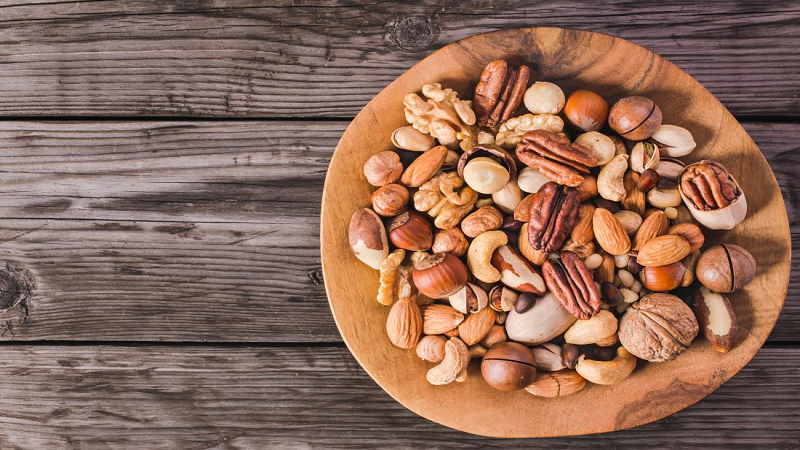
Nuts and brains
Nuts such as walnuts, soybeans, cashews and almonds are rich sources of fiber and magnesium and can be used to treat constipation; Therefore, these brains should be included in a suitable diet for constipation.Banana
Banana is a rich source of magnesium, which is also high in fiber. For this reason, it can be considered as one of the suitable options for constipation. Of course, the effect of bananas is different for different people.
Avocado
Avocado is one of the best sources for constipation. Avocados are high in magnesium, which can help soften stools. On the other hand, avocado contains large amounts of insoluble fiber, which has a great effect on improving digestion and relieving constipation.
If you are constipated, try increasing your intake of foods such as fruits, vegetables, whole grains, nuts, seeds, beans, legumes, and herbal teas. Increase your intake gradually, especially with beans and legumes, to avoid gas and bloating. Having a proper diet for constipation can often relieve symptoms and improve your condition.
To book an appointment and get more information about the problems of constipation and its treatment methods, contact Dr. Maryam Saboktakin, nutritionist Tehran be in touch: