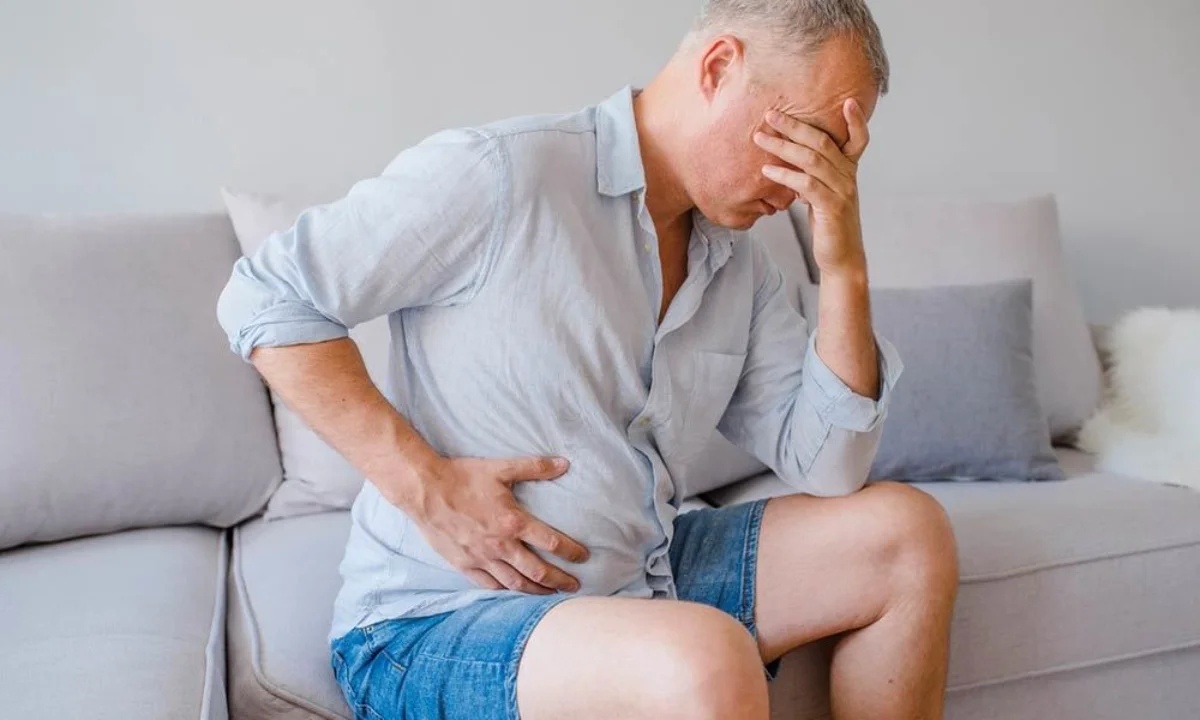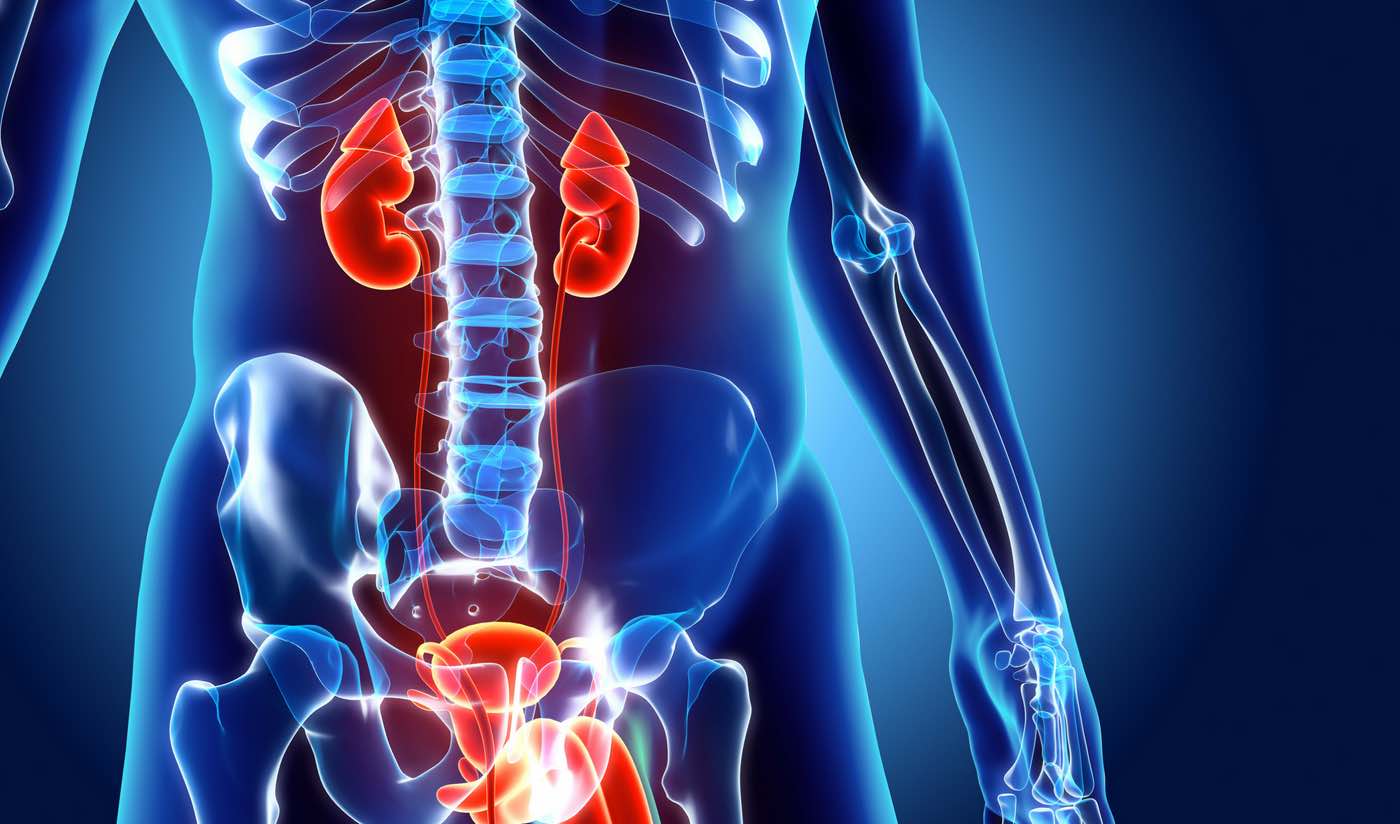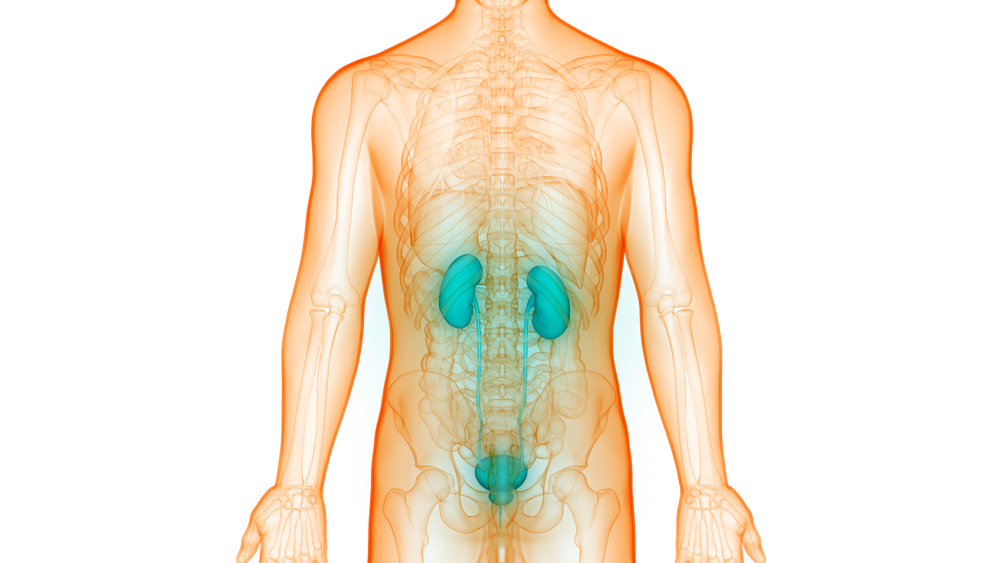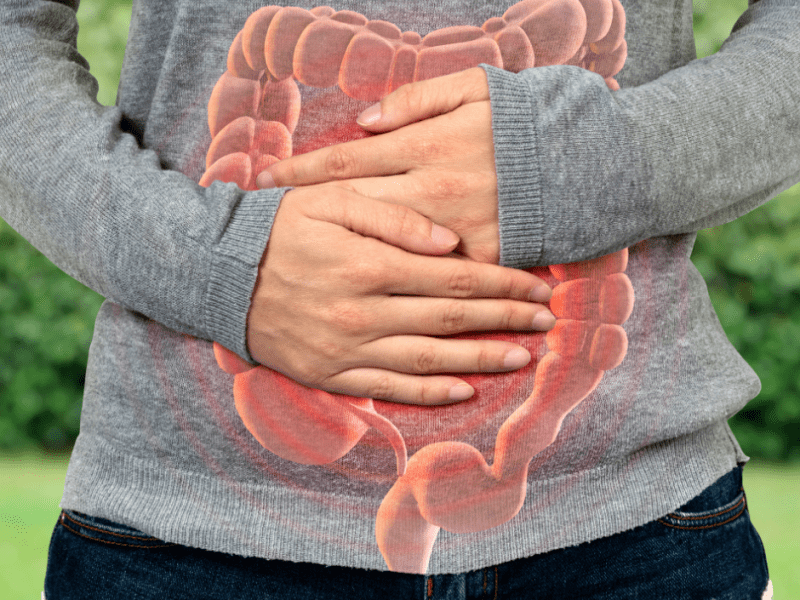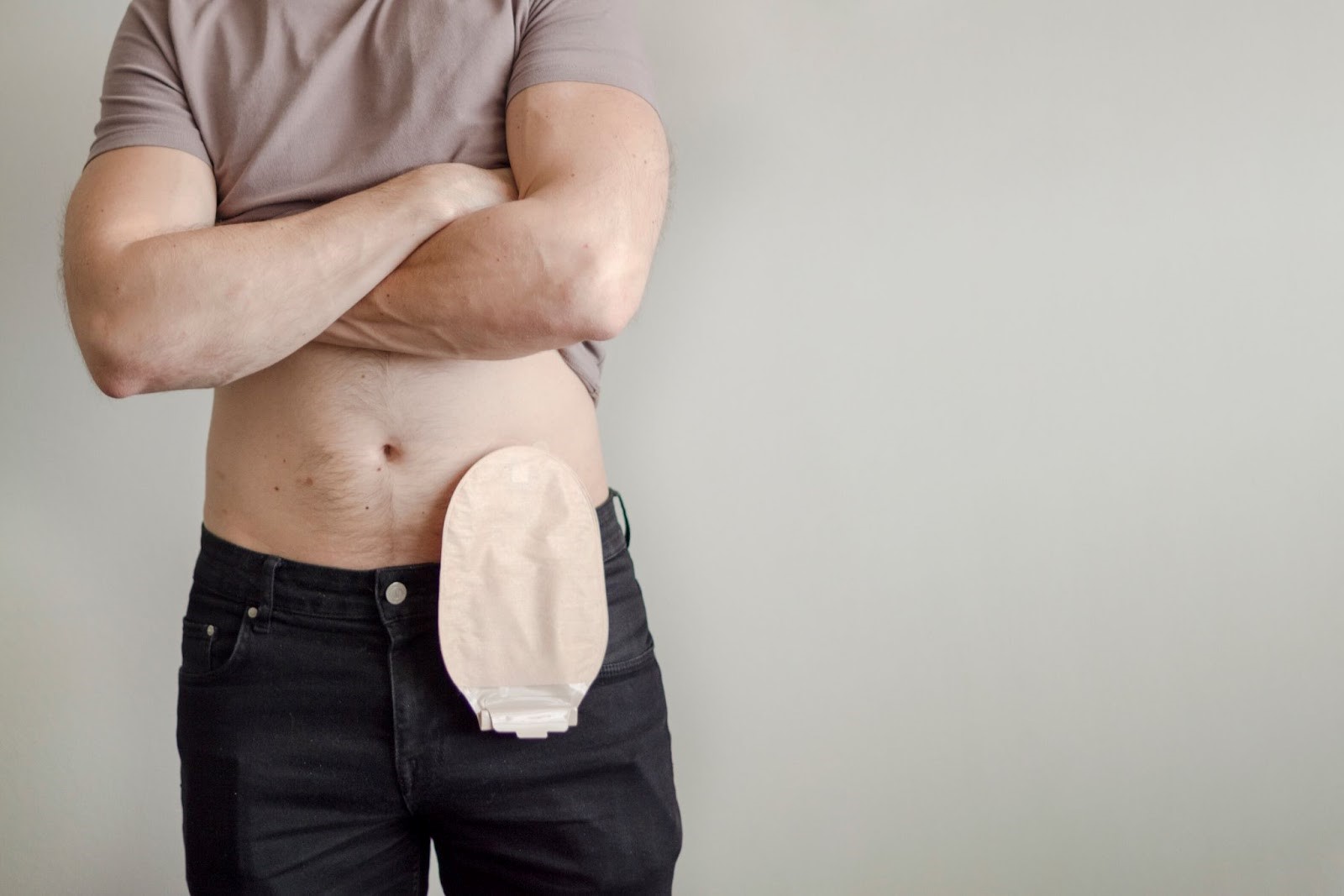

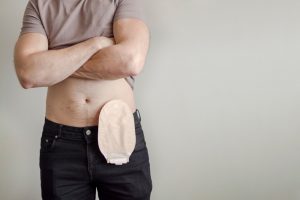
کولوستومی یک روش جراحی است که یک سوراخ (استوما) در شکم ایجاد می کند تا جریان مواد زائد را از روده بزرگ یا رکتوم منحرف کند. استوما معمولاً با وارد کردن بخش سالم کولون یا رکتوم از طریق دیواره شکم و چسباندن آن به پوست تشکیل می شود. این اجازه می دهد تا ضایعات از طریق استوما از بدن خارج شده و به کیسه جمع آوری که روی شکم بسته می شود، بروند.
دو نوع اصلی کلستومی وجود دارد:
- لوپ کولوستومی: در کولوستومی لوپ، حلقه ای از کولون از دیواره شکم وارد شده و به پوست متصل می شود. این نوع کلوستومی اغلب موقتی است و پس از درمان بیماری زمینه ای قابل برگشت است.
- کولوستومی انتهایی: در کولوستومی انتهایی، انتهای کولون از دیواره شکم وارد شده و به پوست متصل می شود. This type of colostomy is often permanent and cannot be reversed.
Deciding whether or not to have a colostomy is a complex decision made by a team of doctors. This decision is based on various factors, including the underlying conditions, the patient's general health, and the patient's preferences.
Applications
A colostomy is often performed to treat a variety of conditions, including:
- Intestinal obstruction: A colostomy may be needed to remove a blockage in the colon or rectum that prevents waste from passing through. This can be caused by various factors such as scar tissue, tumors or fecal matter.
- Rectal prolapse: A colostomy may be necessary to treat rectal prolapse, which occurs when the rectum protrudes from the anus. This can be caused by various factors such as muscle weakness or nerve damage.
- Cancer: A colostomy may be needed to treat colon or rectal cancer. In some cases, a colostomy may be performed to temporarily divert the flow of waste during cancer treatment. In other cases, a colostomy may be necessary to permanently remove the cancerous part of the colon or rectum.
- Trauma: A colostomy may be necessary to treat trauma to the colon or rectum. This can be caused by a variety of factors, such as a car accident or a gunshot wound.
gas and stool incontinence
Gas and fecal incontinence are common problems that may occur after colostomy surgery.
intestinal gas incontinence, to the inability to control the passage Gas refers to the rectum. This can happen after a colostomy, when the natural path of passing gas is altered because of the stoma. People may have trouble controlling gas emissions, leading to embarrassing situations.
On the other hand, fecal incontinence involves the involuntary passing of stool. After a colostomy, fecal incontinence can occur for a variety of reasons, such as changes in bowel habits, changes in bowel anatomy, or problems with the colostomy device. Controlling bowel movements can be challenging for people, leading to accidents and discomfort.
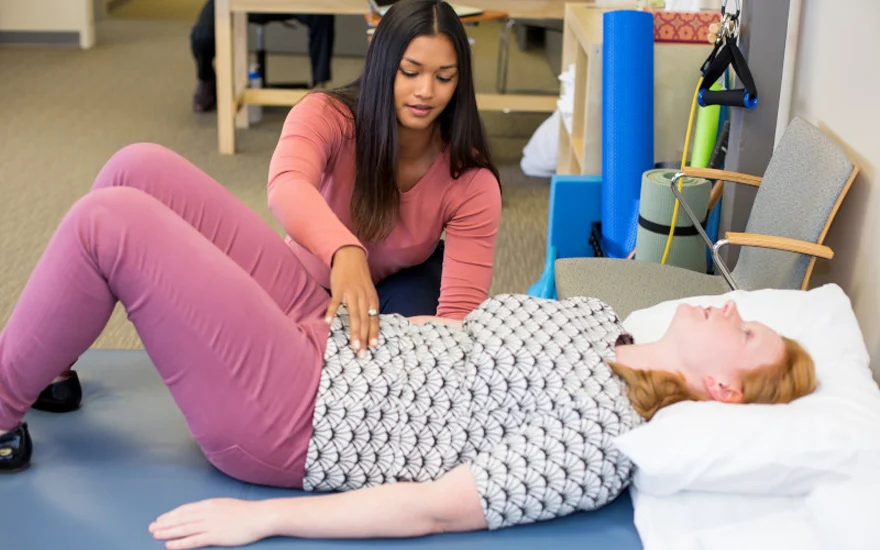
Management of gas and fecal incontinence after colostomy often includes dietary modification, pelvic floor exercises under specialist supervisionPelvic floor physiotherapy, proper care of stoma and use of equipment Colostomy is suitable to prevent leakage.
Living with a colostomy
Stoma Care: Proper stoma care is essential to prevent skin irritation and complications. This includes changing the stoma bag regularly, keeping the skin around the stoma clean and dry, and using the right products recommended by professionals.
Dietary considerations: Some foods may affect the output of the stoma. It's important to work with a nutritionist to understand how different foods can affect your stoma output and adjust your diet accordingly.
Physical activity: In most cases, having a colostomy should not limit your physical activity. However, it's important to check with your healthcare provider before starting any new exercise program to make sure it's safe for you.
Regular check-ups: Regular follow-up appointments with your doctor are essential to monitor the health of your stoma, address any problems that may arise, and make sure your colostomy is working properly.