

یبوست در بیماران پارکینسون. یبوست یک علامت شایع و اغلب آزاردهنده در بیماران پارکینسون است که برخی از مطالعات میزان شیوع آن را 80 تا 90 درصد گزارش کردهاند. بیماری پارکینسون (PD) یک اختلال عصبی است که بر حرکت تأثیر می گذارد و همچنین می تواند باعث علائم گوارشی از جمله یبوست شود. این می تواند به طور قابل توجهی بر کیفیت زندگی تأثیر بگذارد و منجر به عوارض دیگری مانند نهفتگی مدفوع و انسداد روده شود.
یبوست در بیماران پارکینسون را می توان به ترکیبی از عوامل مرتبط با خود بیماری، عوارض جانبی دارو و عوامل سبک زندگی نسبت داد. یکی از دلایل اصلی یبوست در بیماران پارکینسون ، اختلال در عملکرد سیستم عصبی خودمختار است که عملکردهای غیرارادی بدن از جمله هضم را کنترل می کند. PD می تواند عملکرد طبیعی سیستم عصبی خودمختار را مختل کند و منجر به کاهش زمان انتقال در دستگاه گوارش و کاهش انقباضات ماهیچه صاف در روده شود. This leads to a slower and more efficient movement of stool through the colon, which leads to constipation.
read more : Treatment of constipation in Parkinson's patients
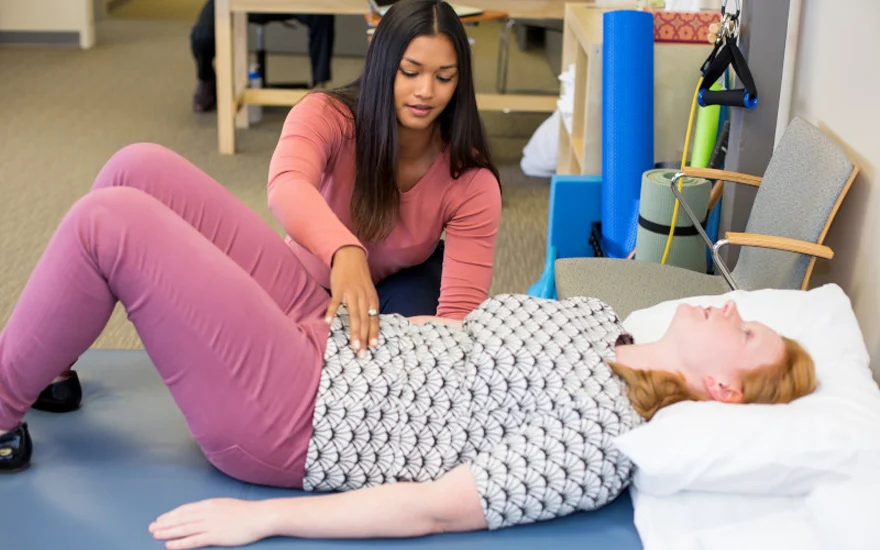
In addition to autonomic dysfunction, medications commonly used to manage Parkinson's symptoms can contribute to constipation. Dopaminergic drugs, such as levodopa, are often prescribed to reduce motor symptoms in Parkinson's. However, these drugs can have gastrointestinal side effects, including constipation. Anticholinergic drugs, sometimes used to manage tremors and dystonia in PD, can help with constipation by inhibiting contractions of the bowels. Lifestyle factors, such as reduced physical activity, poor diet, dehydration, and insufficient fiber intake, can exacerbate constipation in Parkinson's patients. Reduced mobility and muscle weakness can disrupt the natural contractions of the intestines and lead to slow transit time and reduced stool movement. A diet low in fiber and fluids can also contribute to constipation by making stools harder to pass. Treatment options for constipation in Parkinson's patients usually include a multifaceted approach that addresses the underlying causes of constipation and aims to improve bowel function. Pelvic floor physiotherapy is a non-invasive and effective treatment option for constipation in Parkinson's patients, which focuses on strengthening the pelvic floor muscles and improving the coordination of the muscles involved in defecation. read more : Pelvic floor physiotherapy
Pelvic floor physiotherapy includes a comprehensive evaluation of the patient's pelvic floor muscles and coordination The pelvic floor muscles are involved in the process of defecation along with other muscles. The physical therapist evaluates the strength, tone, and coordination of the pelvic floor muscles and identifies weaknesses or disorders that may contribute to constipation. Treatment techniques in pelvic floor physiotherapy may include pelvic floor muscle exercises, training It has been proven that pelvic floor physiotherapy is effective in improving the symptoms of constipation in Parkinson's patients. A systematic review and meta-analysis published in the journal Neurogastroenterology & Motility in 2020 found that pelvic floor physical therapy was associated with significant improvement in constipation symptoms, including bowel frequency, stool consistency, and straining. This review also reported improved quality of life and overall treatment satisfaction in Parkinson's patients receiving pelvic floor physiotherapy. The benefits of pelvic floor physiotherapy in Parkinson's patients with constipation may be attributed to its ability to address the underlying causes of constipation and improve the coordination of muscles involved in defecation. Strengthening the pelvic floor muscles can help improve the efficiency of muscle contractions during bowel movements and lead to more effective bowel movement. Improving the coordination of the pelvic floor muscles with other muscles involved in defecation can also help to optimize the timing and coordination of muscle contractions and facilitate straightening. Pelvic floor physiotherapy, in addition to being effective in improving symptoms of constipation, is a safe and tolerable treatment option for Parkinson's patients. Unlike drugs that can have digestive side effects and interact with other medications, pelvic floor physiotherapy is a non-invasive and natural way to improve bowel function. It also does not require the use of invasive methods or devices, making it a convenient and accessible treatment option for Parkinson's patients.
Benefits of pelvic floor physiotherapy in the treatment of constipation in Parkinson's patients