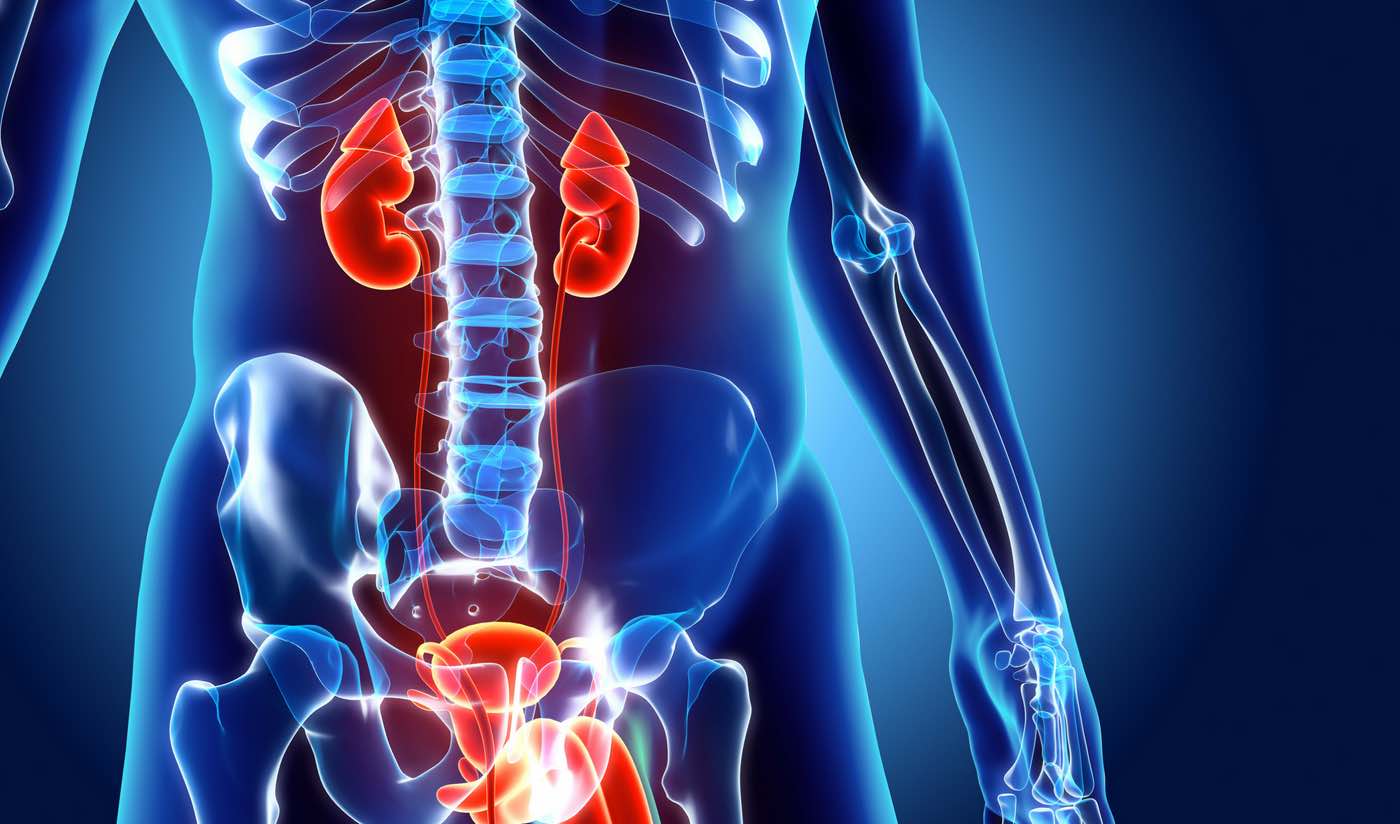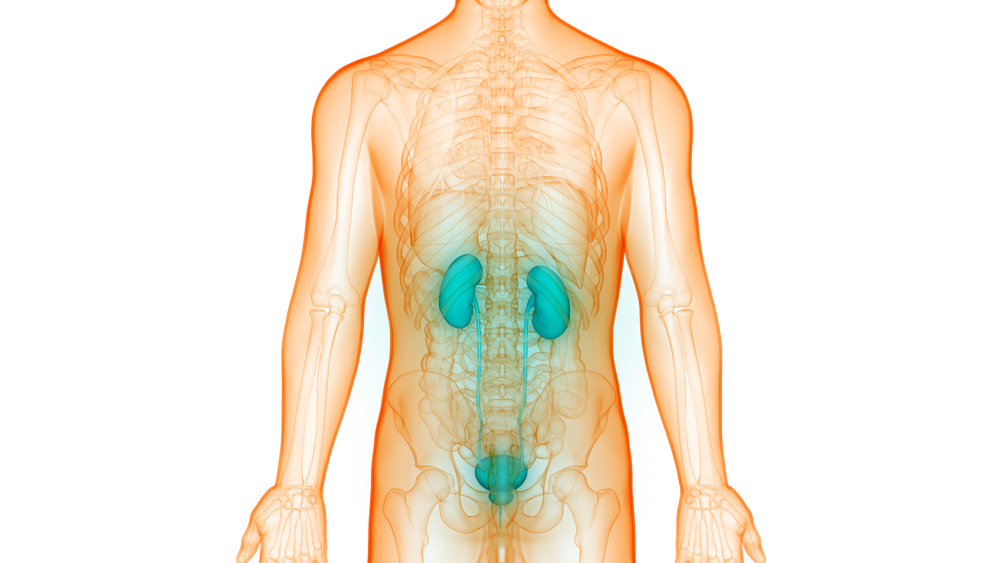


یبوست در بیماران ام اس یک تجربه رایج و اغلب ناراحت کننده است ، مطالعات نشان می دهد که تا 70٪ از بیماران ام اس یبوست را تجربه می کنند، در حالی که 1-2٪ در جمعیت عمومی. این اختلاف قابل توجه چالش های منحصر به فرد افراد مبتلا به ام اس را برجسته می کند و درک جامع این بیماری را ضروری می کند.
یبوست در ام اس فقط کاهش تعداد دفعات مدفوع نیست ، این یک پدیده پیچیده است که اغلب از اختلال عملکرد روده عصبی (NBD) ناشی می شود. NBD ارتباط طبیعی بین مغز و روده را مختل می کند و منجر به اختلال در هماهنگی و حرکت ماهیچه ها در دستگاه گوارش می شود. This can lead to:
- Hard and dry feces: difficulty in forming and excreting feces due to slow movement and increased water absorption in the large intestine.
- Incomplete emptying: You feel like you haven't emptied your bowels completely after using the toilet.
- Straining: Overexertion to pass stool, which can worsen hemorrhoids and anal fissures.
- Infrequent bowel movements: less than three bowel movements per week.
Causes of constipation in MS patients
Several factors contribute to constipation in MS patients:
- Nerve damage: MS lesions in certain areas of the brain and spinal cord can disrupt the nerve signals that control bowel function.
- Muscle weakness: weakening of the pelvic floor muscles can prevent defecation.
- Pain: spasms or painful sensations in the rectum and anus can make bowel movements difficult.
- Medications: Certain medications used to manage MS, such as pain relievers or antispasmodics, can cause constipation as a side effect.
- Reduced mobility: Limited physical activity due to MS can slow digestion and contribute to constipation.
- Dietary factors: low fiber intake and insufficient hydration can worsen constipation.
treatment methods
Fortunately, several strategies can help manage constipation in MS patients:
Lifestyle modification:
Diet: Increase fiber intake by eating fruits, vegetables, whole grains, and legumes. Aim for at least 25 to 35 grams of fiber daily.
Fluids: Drink plenty of water throughout the day to keep stools hydrated and soft. Aim for 8 to 10 glasses a day.
Exercise: Regular physical activity, even gentle movements like walking or yoga, can stimulate bowel movements.
Toilet habits: Create a regular routine in the bathroom and leave enough time for defecation.
Medical interventions:
Laxatives: Over-the-counter laxatives such as fiber supplements, osmotic laxatives, or stimulants may be helpful under a doctor's supervision.
Biofeedback:
Medications: Prescription drugs such as prokinetic agents or lobiprostone can be prescribed for severe cases.
Additional notes:
Open communication: Discuss your constipation with your health care team to understand its specific causes and develop a personalized management plan.
Manage other MS symptoms: Addressing pain, fatigue, and mobility limitations can indirectly improve bowel function.
Psychological support: Constipation can be emotionally challenging. Seeking support groups or therapy can help manage emotional stress and improve overall well-being.
Our experts at the center Nagarestan physiotherapy in Mashhad specialized services They offer pelvic floor physiotherapy including pelvic floor exercises and biofeedback to help treat constipation in MS patients.