

We all are familiar with different senses such as sight, hearing, touch, movement and smell in our daily life. By processing and combining this information, the brain creates a complete picture of our environment and body, that is, this sensory processing shapes our experiences and emotions. But if there is a disorder in processing and sensory integration, problems in behavior and learning are created. In the following, we will learn about the symptoms of sensory processing disorder in children and its treatment methods.

What is sensory-disorder in children
Sensory processing disorder or SPD (sensory processing disorder), which is also known as sensory integration disorder, is a neurological disorder. This disorder is formed when there is an abnormal function in the way of receiving sensory messages from different senses such as vision, hearing, taste and converting them into appropriate responses in the brain.
Whether your child is sitting at home or in a restaurant eating his favorite food, listening to the teacher's words in the classroom, or drawing with crayons, and the successful completion of hundreds of daily life activities of this kind, all require processing or sensory integration.Note: Sensory integration disorder is mostly diagnosed in childhood, some experts believe that up to 10% of children experience some kind of sensory processing challenge. In addition, people with attention deficit hyperactivity disorder (ADHD), autism spectrum disorders and fragile X syndrome are much more prone to SPD.
cause of sensory-integrity disorder
Sensory integration disorder occurs when the brain has a problem in processing and coordinating the information received from the senses. The causes of this disorder are not clearly known, but genetic factors, brain structure, and neurological problems during the fetal period or after birth play an important role.
In addition, some infections, lack of oxygen at birth or brain injuries can cause sensory integration disorder; Also, individual differences in sensitivity to environmental stimuli and the child's lifestyle are also influential. In sum, a combination of biological and environmental factors causes problems in sensory processing and response.
sensory-impairment symptoms in children
Sensory disorders in children occur when the brain cannot properly process the information received from different senses. This problem can affect the child's behavior, learning and social interactions. The most important symptoms of this problem are:
- He hardly stands behind others in the queue.
- Lies on the ground during group activities.
- He is very sensitive to touch.
- He hates the shape and appearance of some foods.
- He feels that some clothes are rough, big or tight and he does not wear them.
- Etiquette doesn't like clothes.
- It is clumsy.
- At parties and restaurants, he becomes disorderly and behaves inappropriately.
- He is afraid of slides and heights in playgrounds and parks.
- He walks on tiptoe.
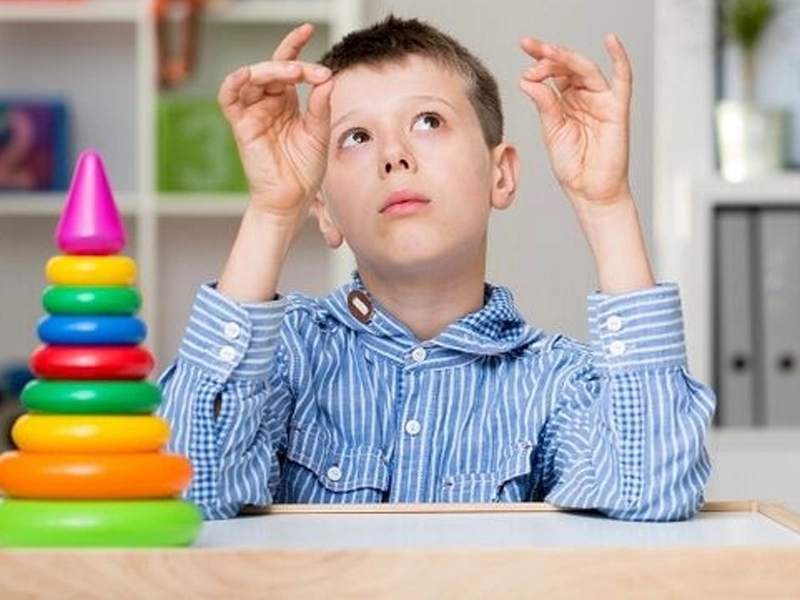
- He is distracted.
- When someone makes his voice, he doesn't react properly because his brain probably hasn't processed the desired sound.
- Speaks loudly.
Read more: sensory problems of children with autism
Stages of sensory integration
Sensory integration begins with receiving sensory information, senses such as vision, hearing, touch, movement and body posture transmit information about the environment and the body to the brain. The brain analyzes this information and combines it with previous experiences and memory to form an appropriate response to the environment.
The next stage is processing and responding, the brain evaluates the received information and directs appropriate behaviors and reactions, such as coordinating movement, paying attention to sounds, or regulating emotions. If this process is not done correctly, the child will have problems in concentration, learning or social interactions.

types of sensory disorders
Sensory disorders occur when the brain has problems receiving, processing or responding to sensory information, these disorders can affect children's behavior, learning and social abilities, the most important of which are:
Sensory Modulation Disorder
Sensory modulatory disorder is the most common form of SPD, which indicates difficulty in regulating response to stimulation. People with it either under- or over-respond because the nervous system does not know when to pay attention to stimuli or to ignore them. This form of disorder leads to abnormal sensation seeking or hiding from stimulation.
sensory discrimination disorder
People with sensory discrimination disorder feel confused about the sources of their feelings. This disorder can lead to problems knowing where you are in space, clumsiness of the child, difficulty in recognizing hunger, or difficulty in distinguishing between letters and the sources of sounds.
sensory-based movement disorder
Sensory motor disorder leads to problems in tasks that require motor control, such as holding dishes, sitting straight, and maintaining balance. People with sensory processing disorder may have difficulty with one or all of the categories in varying degrees.
Nervous system of children with sensory integration disorder
In general, the nervous system of children with sensory integration disorder is divided into two categories: the nervous system with a low level of arousal and the nervous system with a high level of arousal.
nervous system with low-arousal level
In this type of nervous system, the child's excitability level is reduced and it takes a long time for him to feel and understand a sensory experience (for example, sound or smell). A child who has this type of nervous system shows the following symptoms:
- Reacts a little to being touched and prefers strong touch (being hugged) to light touch.
- He reacts less to voices such as the voice of his mother or teacher who call him.
- The child's movements are slow and his mouth is often open, his muscles are soft like dough during the examination and they often look tired.
- Due to issues related to voice oscillation, they speak louder than usual due to inappropriate sensory feedback.
- Due to the lack of sensory information from different parts of the body, their knowledge of different parts of their body is insufficient and as a result they look clumsy and sloppy.
nervous system with high-arousal level
In this type of nervous system, the level of excitability increases, so that it is difficult to turn off the sensory inputs and create the appropriate output (activity or logical thinking) in the child. In a child who has this type of nervous system, the following symptoms are seen:
- Excessive sensitivity to touch
- Getting too close to other people
- Excessive reaction to all kinds of smells
- Attention to sounds that others ignore (simply distracted)
- Ability to tolerate activities that extensively stimulate the vestibular sense (the sense of balance that originates from the inner ear); For example, it can turn around for a long time or run in a circle.
- Excessive sensitivity to contact with people's skin or their clothes, which is very uncomfortable for them.

How to help children with sensory processing disorder?
As a parent, after diagnosing and observing the symptoms of this disorder, you can go to the occupational therapy center and ask the occupational therapist to evaluate your child and start early intervention. Depending on the environment, you can help your child in three places: home, school and clinic.
home
1. Define his daily tasks for him so that he can do each task at the given time. 2. Divide the child's homework into smaller parts so that he is able to do each part. 3. When you notice that the child's attention is good and he processes your words, talk to him. 4. Make a timetable for the child's sleeping times (noon and night) that is always visible. 5. For the commands he should do, consider a specific time, for example 10 minutes or an hour, to make him commit to doing that work. 6. Consider a fixed routine in dealing with the child and be consistent in it. 7. Consider appropriate consequences for the results of his actions.School
1. Busy the child with a series of tools and handicrafts in order to prevent him from being overly excited in the class. 2. Prepare a list of activities and programs that the child is supposed to do in school and announce it to him. 3. Before you expect a reaction from him, make sure that he has heard and fully understood what you said. 4. Before starting and completing a task, ask the child to do some physical activity. 5. Ask the child to review the work he is going to do at school the night before at home.treatment of sensory processing disorder with occupational therapy
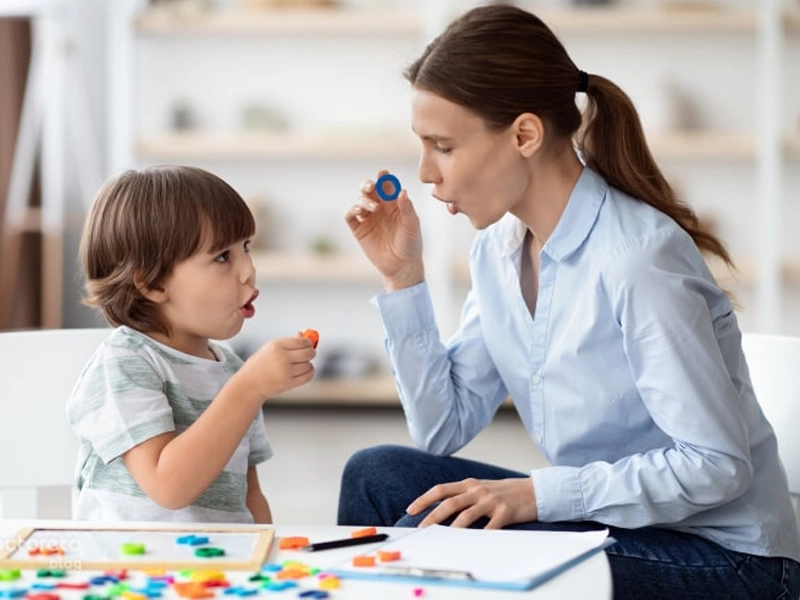
The treatment of sensory processing disorder is done with the aim of improving the child's ability to receive, process and respond appropriately to environmental stimuli. Sensory occupational therapy is one of the most effective methods in this field, which strengthens the child's balance, coordination, hand strength and attention with targeted sensory-motor exercises.
In occupational therapy sessions, the child gradually learns how to cope with environmental stimuli and show appropriate reactions, which helps to improve his daily functioning, social skills and self-confidence. Using sensory games, specialized equipment and various physical activities is an important part of this treatment method.
Note: To receive specialized and effective treatment for sensory processing disorder, you can go to the occupational therapy of Dr. Vahid Bayati visit the best therapy center in Ahvaz to design a personalized program for your child.
FAQ
It can cause anxiety, depression, social isolation, academic problems, and a decrease in a child's self-confidence.
This disorder is mostly diagnosed in children, but it can also persist in adults.
Usually medication is not the main treatment and the focus is on occupational therapy and sensory-motor activities, except in cases with anxiety or other mental disorders prescribed by the doctor.
Finally…
Sensory processing disorder (SPD) is a neurological problem that causes the child to not be able to process information received from the senses such as sight, hearing, touch, smell and taste correctly and to show unusual behaviors. If you see the symptoms of this disorder in your child, it is necessary to go to the occupational therapy center and get help from specialists. Note that the lack of treatment can lead to sadness, anxiety, depression, isolation and academic or social problems, therefore timely action can improve the child's social development, daily skills and self-confidence.