
Introduction 10 ways to teach children to hold a pencil:
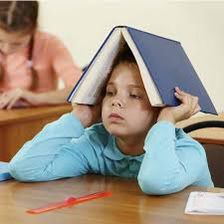
Does your child get tired of writing too soon?
Does your child write words bigger than usual?
Is your child lagging behind in writing dictation?
Does your child not hold a pencil correctly?
Does your child constantly move the pencil between his hands?
Does your child sometimes write with his right hand and sometimes with his left hand?
Does your child not know how to write on the line?
Is your child's handwriting "crab frog"?

Natural growth proceeds in different aspects with a little difference and in a coordinated manner and with a specific order. The way a child holds a pencil also gradually changes. Children are usually able to draw a circle from the age of three, and at this age, their dominant hand (right-handedness or left-handedness) is often determined.
The cause of pencil holding problems:
If a child has problems holding a pencil or pen, he may have one of the following problems:
1- Hand muscle weakness:
Weakness of hand muscles can cause the inability to hold and move a pencil.
2-Lack of motor coordination ability:
Difficulties in coordinating precise hand and finger movements can prevent the correct use of a pencil.
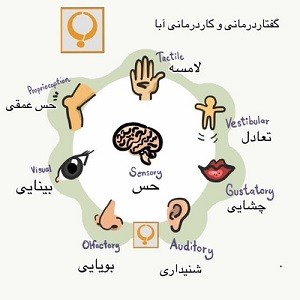
3- Sensory problems:
Discomfort when touching or holding certain objects, such as pencils, can be problematic.
4-Cognitive problems:
Cognitive problems may cause inability to learn the correct way to hold and use a pencil.
5-Other factors:
Delay in the development of hand and finger movements, neurological problems and self-awareness challenges can be other reasons.
The accurate diagnosis and handling of these problems requires consultation with an occupational therapist specialist.
The importance of teaching pencil skills:
Teaching pencil and drawing skills is very important for children. In addition to strengthening creativity and imagination, these skills help improve manual and motor skills.
Methods of teaching how to hold a pencil:
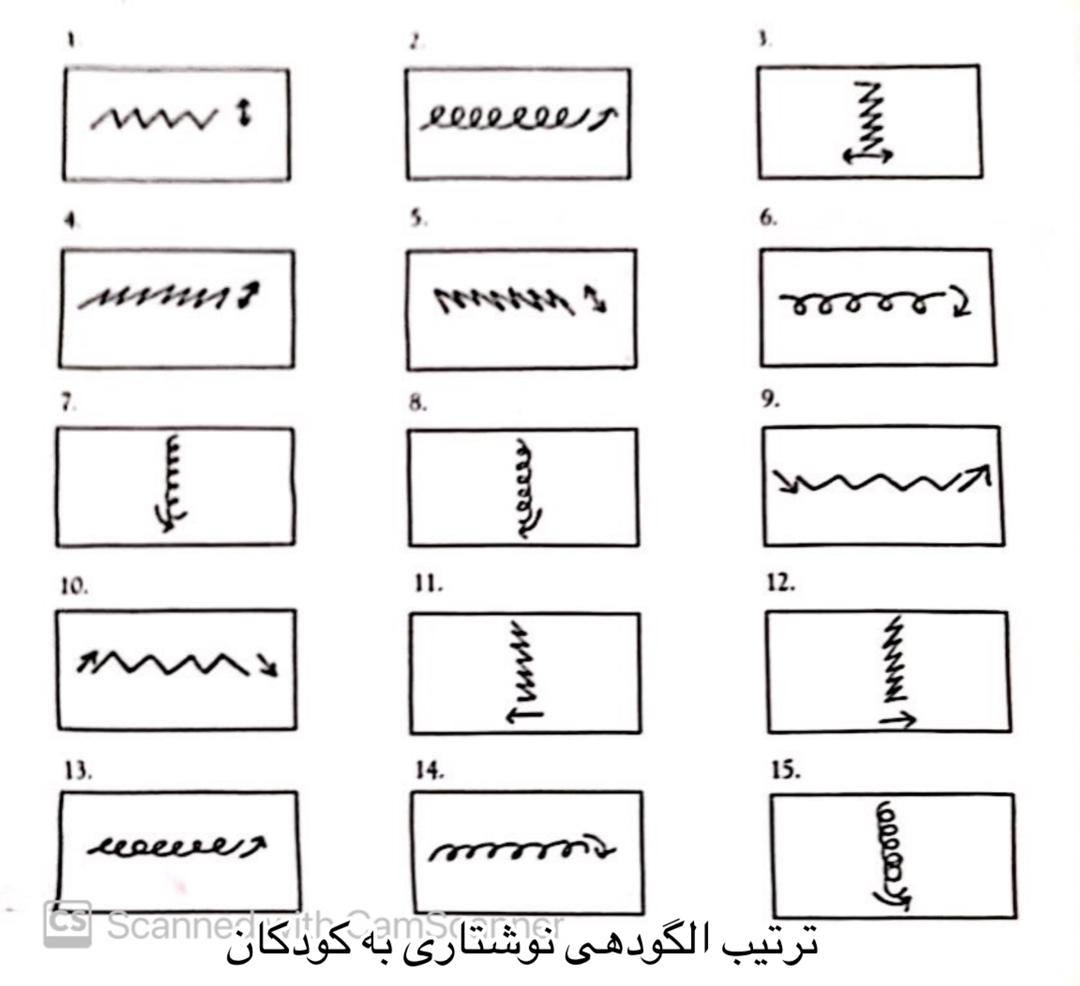
To teach children drawing and pencil skills, you can use the following methods:
1- Teaching basic steps:
Teach children how to hold a pencil correctly and draw simple lines. Using special papers with colored lines and dots for tracing can be useful.
2-Creative games:
Using games such as puzzles, coloring and simple drawings help to strengthen manual skills and creativity.
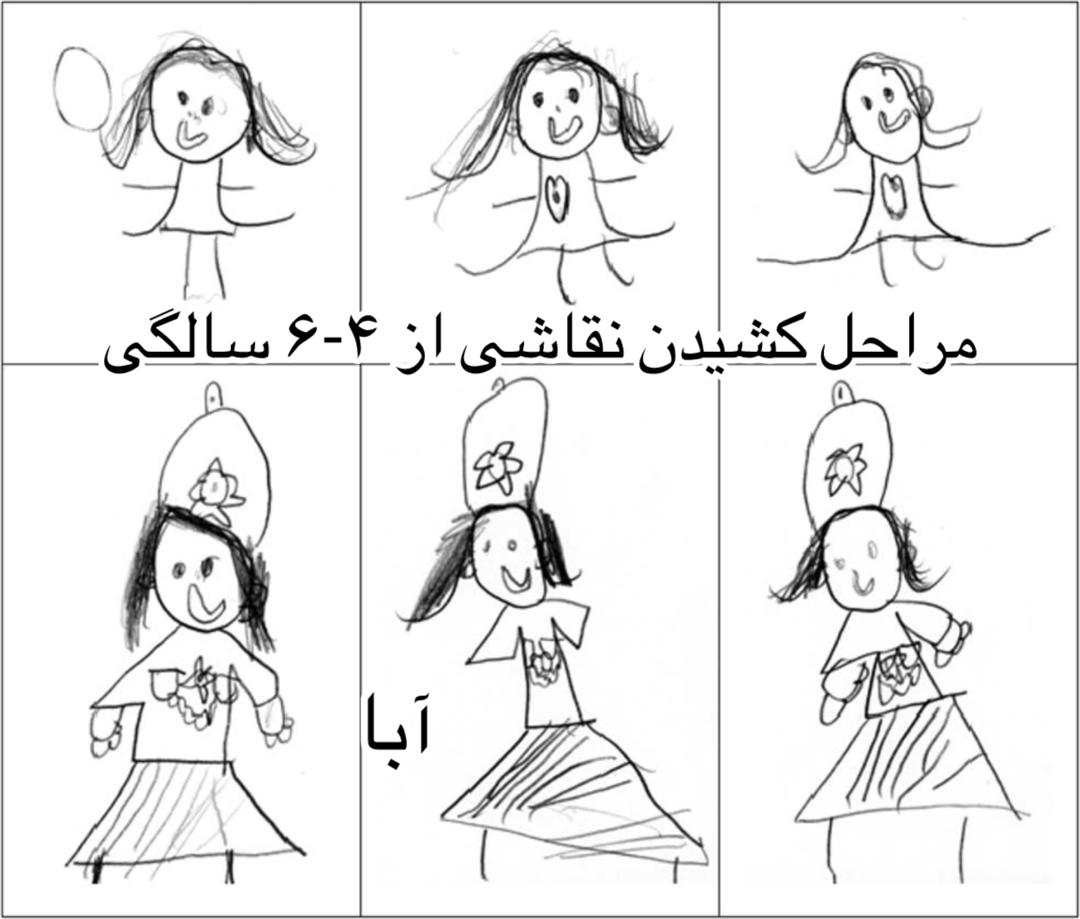
3- Continuous encouragement and practice:
Encouraging children to practice continuously and improve their pencil drawing skills increases self-confidence and continuity in activities.
4-Teaching how to hold a pencil:
Show how the pencil should be held correctly with the fingers.
5- Practicing manual movements:
Use activities like drawing lines and circles to strengthen arm and shoulder muscles.
6-Educational games:
Educational games like puzzles and Legos help to strengthen fine motor skills.
7- Experimental training:
Let children work with different art materials such as paint and glue to familiarize themselves with these materials and express their creativity.
8- Encouragement and admiration:
Praise children for their efforts and celebrate small successes.
9- Cooperation in art projects:
Engage children in group art projects to strengthen their collaboration and creativity skills.
10-Using the right tool:
Use pencils suitable for small hands and notebooks with appropriate lines to help improve writing.
Steps of learning to hold a pencil:
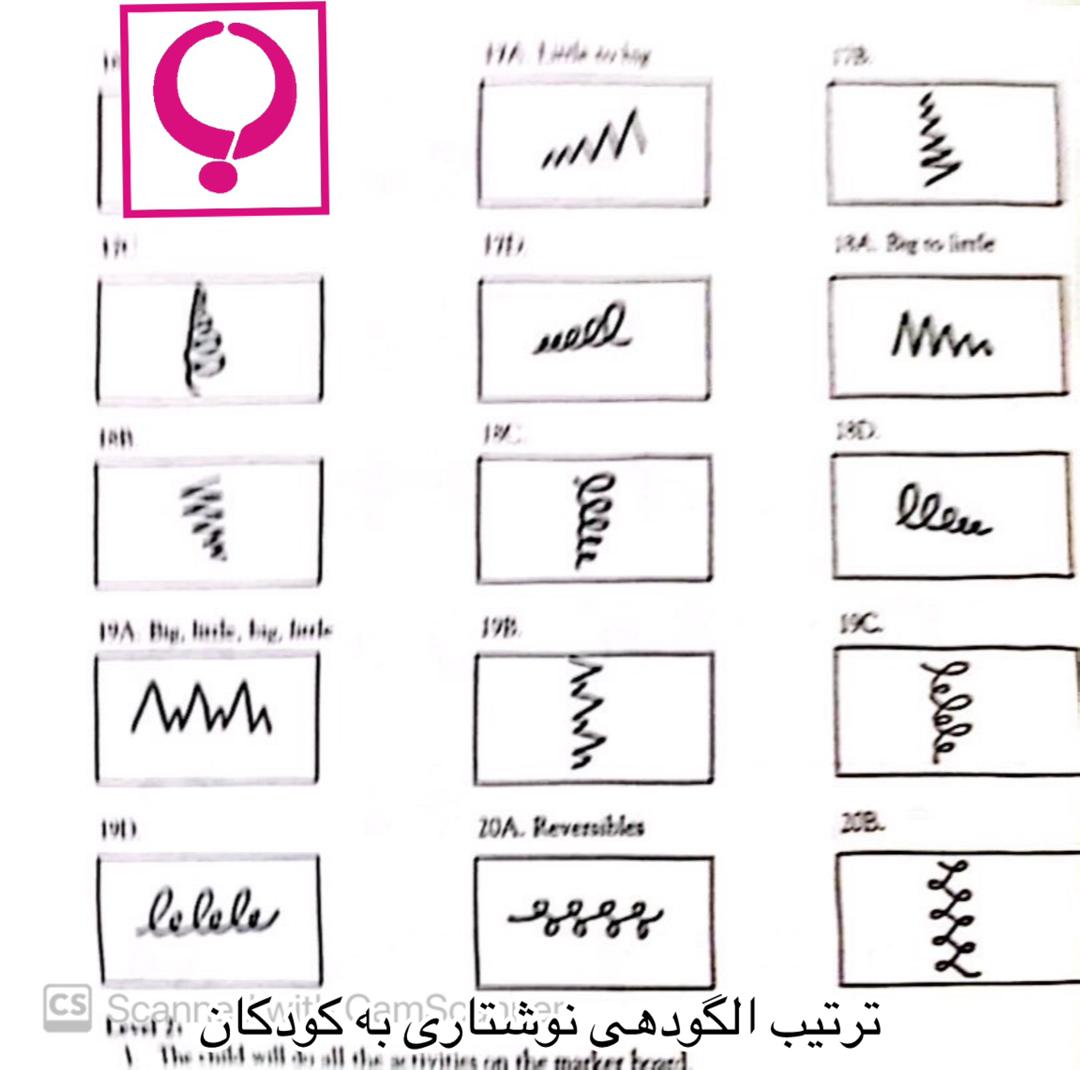
Learning pencil skills can proceed as follows:
1- Encouragement to hold a pencil:
Encourage the child to hold the pencil and play with it.
2-Strengthening hand muscles:
Use games that strengthen hand and finger muscles.
3- Practicing manual movements:
Do exercises like drawing lines, circles and dots.
4-Using the right tools:
Provide suitable pencils and sketchbooks.
5-Patience training:
Help your child improve his skills by creating positive interactions and encouraging patience.
6-Accepting errors:
Make the child aware of accepting mistakes and learning from them.
7- Maintaining a comfortable state:
Make sure the child is in a comfortable position for writing.
8-Strengthening eye memory:
Use computer games and sequin boxes to strengthen eye muscles.
9-Improving hand activities:
Introduce the child to different manual activities such as making simple models and using hand tools.
10-Using special pencil clips that make it easier for the child to hold it.
Conclusion:
Learning pencil and drawing skills requires patience and concentration. By providing a variety of engaging activities, you can help children develop and enjoy these skills.
Keep in mind that not addressing your child's writing and hand problems can make him less interested in writing lessons.If your child still uses both hands to hold a pencil after the age of three or has certain signs of problems,
or have problems with delicate hand activities such as opening and closing buttons, consultation with an occupational therapist is definitely recommended.You can schedule an appointment with Be in touch with the specialists of Aba Clinic.
Keywords:
مداد گرفتن،مهارتهای ظریف، نقاشی، نوشتن
منابع:
– *”Developmentally Appropriate Practice in Early Childhood Programs” Sue Bredekamp and Carol Copple.
– “The Early Years: A Guide to the Development and Learning of Children from Birth to Eight Years” Elizabeth Wood.
– *”Fine Motor Skills and Handwriting Development in Young Children” Early Child Development and Care*. – *”The Role of Handwriting Instruction in Early Literacy Development” in Journal of Early Childhood Research*..
– *”Handwriting Without Tears”: .
– “National Association for the Education of Young Children (NAEYC)“*: NAEYC website