Table of contents
- What is sickle cell anemia?
- What are the symptoms of sickle cell anemia?
- Types of sickle cell anemia
- What is the cause of sickle cell anemia?
- Diagnosis of sickle cell anemia in a blood test
- Treatment of sickle cell anemia Figure
- What are the complications of sickle cell anemia?
- What is the life expectancy of patients with sickle cell anemia?
- What are the methods of preventing tuberculosis?
- Conclusion
Sickle cell anemia, also known as sickle cell disease, is one of the most important hereditary diseases of hemoglobin and usually manifests itself from a young age. In this disease, instead of being flexible and round, the red blood cells become stiff and sickle-shaped, and this simple change has far-reaching consequences for the body. Reduction of oxygen supply, blockage of veins and occurrence of severe pain are the results of this condition. Knowledge of the nature of the disease and its difference from simple anemia is very important for a correct understanding of the symptoms and complications. Sickle cell anemia is not just a common blood deficiency and needs to be more accurately recognized. In this article from your doctor, you will learn about sickle cell anemia.
What is sickle cell anemia?
Sickle cell anemia, also known as sickle cell disease, is one of the types of anemia. This disease is an inherited blood disorder in which there is an abnormal type of hemoglobin called sickle hemoglobin. Sickle-shaped hemoglobin causes red blood cells to lose their natural flexibility and become sickle-shaped, destroy earlier and cause anemia. On the other hand, these hard and sticky cells can get stuck in narrow veins and reduce blood flow, so periodic pains and organ damage may also occur. The severity of sickle cell disease varies among people and depends on the type of inherited genes and medical care.
Sickle cell anemia usually manifests itself from early childhood and can be accompanied by frequent infections, chronic anemia, and sometimes serious complications such as stroke or chest syndrome. The important thing is that TB anemia is not just a simple iron deficiency, and self-medication with iron supplementation without testing can be a wrong decision. To manage the disease, a regular care program, prevention of infections, pain control, hematology follow-up and in some people advanced treatments are required. If you are looking for a reliable center to perform basic blood tests, ferritin and hemoglobin, visit Tehran marriage laboratories.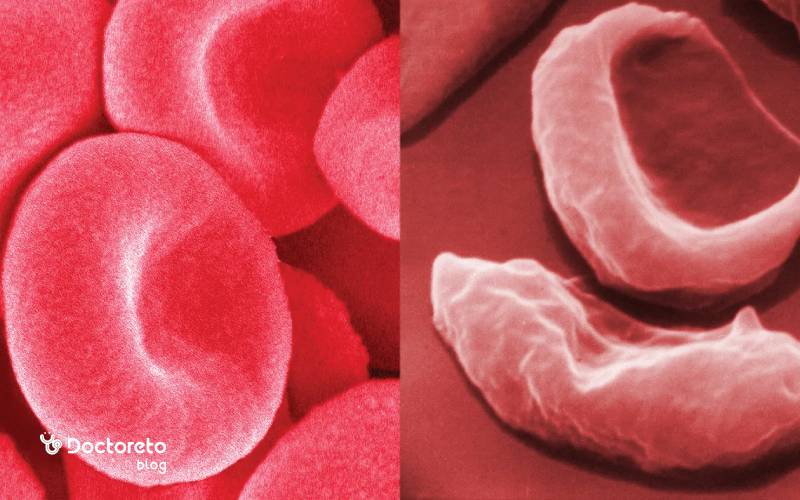
What is the difference between thalassemia and sickle cell anemia?
Thalassemia and sickle cell anemia are both inherited hemoglobin diseases, but their mechanisms are different. In Thalassemia the main problem is the decrease in the production of one of the hemoglobin chains and the result is smaller red blood cells and anemia with a specific laboratory pattern, while in hemicycle the hemoglobin structure changes and the red blood cells become sickle shaped and blocked veins and give severe pain.
For this reason, the crisis of pain and organ damage in sickle cell is usually more prominent, but in severe thalassemias, the need for repeated blood transfusions and iron removal may be raised. Definitive diagnosis of both is done with specialized hemoglobin tests such as hemoglobin electrophoresis, and the type of care and treatment are not the same.
What are the symptoms of sickle cell anemia?
Symptoms of tuberculosis disease are not limited to anemia and are a combination of symptoms of lack of oxygen supply and blockage of blood vessels. Some people are more tired and pale, and some others come with severe and sudden pain, which is called pain crisis or obstructive crisis. The severity of symptoms of anemia tuberculosis cycle depends on the type of disease and irritating conditions such as dehydration, infection, stress, cold weather and lack of oxygen. Tuberculosis anemia symptoms appear from 6 months.
If severe pain, shortness of breath, high fever, or sudden weakness occur, these conditions require immediate investigation because they can be signs of serious complications of sickle cell disease. In addition to pain, other symptoms may be seen and it is better for families to know them so that they do not come late. Common symptoms of TB cycle anemia can include the following:
- Constant fatigue, paleness and reduced activity tolerance due to anemia
- Sudden bone and chest or abdominal pains in obstructive crises
- Painful swelling of hands and feet in children, especially in the first years of life
- Frequent infections or unexplained fevers
- Visual disorders
- Jaundice of eyes and skin in some people due to hemolysis and increased bilirubin
- Slow growth and delayed puberty
symptoms of sickle cell anemia in adults
In adults, sickle cell anemia usually manifests itself with periodic bone pain, back pain or chest pain, fatigue and sometimes shortness of breath and may be aggravated by stress, dehydration or infection. Some people develop chronic leg ulcers, kidney problems, severe headaches, or neurological symptoms, which can be signs of vascular involvement. Adults with uncontrolled disease are more likely to develop chest syndrome, microvascular clots, and repeat hospitalizations. If the pain is new, more severe than before, or accompanied by fever and shortness of breath, it is necessary to be evaluated quickly because early management can prevent complications.

symptoms of sickle cell anemia in children
In children, the symptoms of tuberculosis disease may start in the first months of life, and one of the important symptoms is the painful swelling of the hands and feet, which is sometimes considered the first symptom. The child may be pale, tired later, grow more slowly, or experience more infections because the spleen's function can be impaired in this disease. A fever in a child with sickle cell anemia is very important and should be taken seriously because some infections can progress quickly. Parents should be educated when they should come immediately with fever, severe pain or respiratory symptoms so that treatment can be done in time.
What is the shape of a sickle-shaped red blood cell?
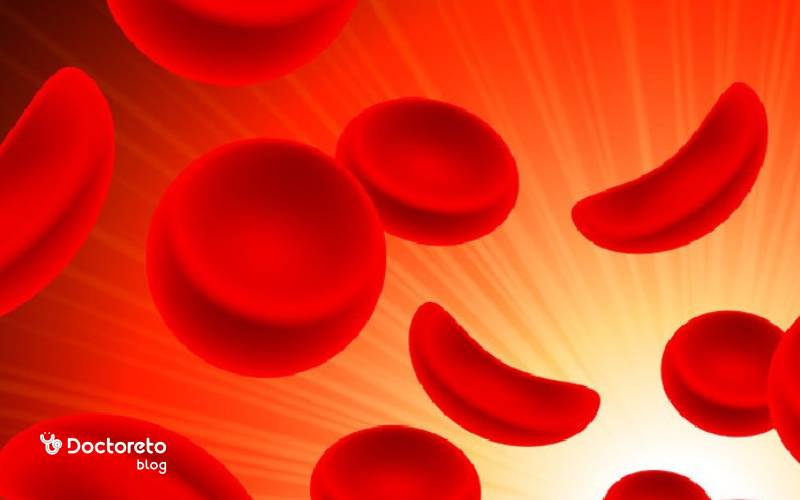
A normal red blood cell is round and flexible enough to pass through very narrow vessels, but in sickle-cell anemia, sickle-shaped hemoglobin causes the red blood cells to stiffen and stretch under conditions of lack of oxygen or dehydration. In patients with sickle cell anemia, the red blood cells do not look like sunken candies and are arranged in a sickle shape. Therefore, their shape is not very suitable and is different from normal blood cells.
Sickle cells break earlier and cause anemia and can get stuck in capillaries and cause pain and tissue damage. This deformation may be reversible or permanent, and the more crises are repeated, the higher the possibility of organ damage. This is the characteristic that causes sickle cell disease to have obstructive and painful symptoms in addition to anemia.
Types of sickle cell anemia
The most common type of sickle cell disease is homozygous sickle cell disease, which is usually associated with greater severity, and painful crises and organ complications are more common. Another type is when a person inherits a sickle gene and another hemoglobin gene, such as hemoglobin C or beta thalassemia, and the severity of the disease can vary from mild to severe. For this reason, knowing the exact type of disease is not just a label and affects the treatment plan, prevention and even pregnancy decisions.
| Symptoms | Complications | Prevention |
|---|---|---|
| Continuous fatigue, paleness, reduced activity tolerance | Chronic anemia | Regular follow-up with a hematologist and tests Periodic |
| Sudden bone, chest, or abdominal pains (crisis pain) | Painful crises and vascular occlusions | Regular use of anti-crisis medications in eligible individuals |
| Painful swelling of hands and feet (especially in children) | Gradual damage to organs | Drink enough water and avoid Dehydration |
| Fever or frequent infections | Severe infections, especially in children (spleen dysfunction) | Complete vaccinations and prompt treatment of infections |
| Shortness of breath or chest pain | Chest syndrome | Urgent referral in case of shortness of breath, chest pain or fever High |
| Jaundice of the eyes and skin | Increased bilirubin and exacerbation of hemolysis | Regular control of the disease and prevention of crises |
| Visual disturbances or sudden neurological symptoms | Retinal involvement, vision loss or stroke | Periodic examinations, assessment and monitoring of the risk of stroke according to opinion Doctor |
| Slow growth and delayed puberty | Growth disorder, kidney damage, bone necrosis, chronic foot ulcer | Regular medical care, avoiding cold, stress management and adequate sleep |
What is the cause of sickle cell anemia?
The cause of sickle cell anemia is an inherited mutation in the beta globin gene, which causes the production of sickle hemoglobin. This mutation disrupts the production of this protein and causes sickle-shaped red blood cells. When the child inherits this gene from both parents, sickle cell disease occurs, and if it is inherited from one parent, it is usually considered a carrier and does not have severe symptoms of the disease. This hereditary pattern causes several people to be involved in some families or there is a history of the disease. But sometimes it is seen in the family without prior knowledge because being a carrier may be asymptomatic.
Therefore, genetic screening and counseling is very important in high-risk couples. Mutations occur in the genetic material and can be passed on to future generations. In terms of evolution, the spread of the sickle-shaped gene is greater in some regions of the world because being a vector provides an advantage against malaria to some extent, and this has caused the gene to persist in the population.
Diagnosis of sickle cell anemia in blood test
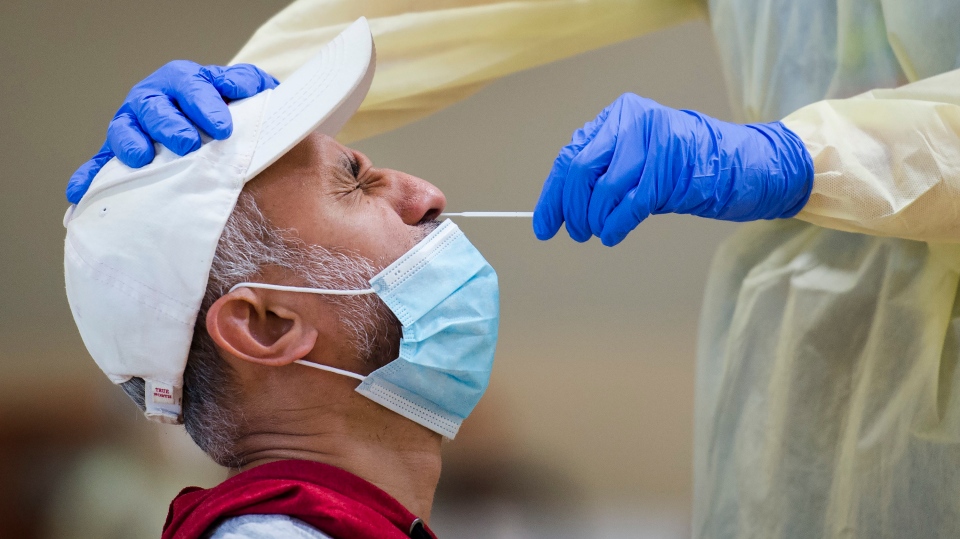
In babies, screening is done with heel blood and the presence of HbS is determined by tests to determine the type of hemoglobin (electrophoresis/HPLC). It is also possible to be aware of this disease before birth by performing genetic tests. Diagnosis of sickle cell anemia in other people is done with anemia test but it is not enough for confirmation. Specific tests such as hemoglobin electrophoresis or more precise methods such as HPLC determine the type of hemoglobin and confirm the presence of sickle hemoglobin.
Peripheral blood smear may also show sickle cells, but their severity and number depends on the patient's condition and crises. In many countries, newborns are screened so that the disease can be diagnosed early and care can start from the first months. One of the most important tests to diagnose complications in this disease is to assess the risk of stroke in patients.
treatment of sickle cell anemia
To treat sickle cell anemia, one should try to focus on reducing periodic pains and supportive treatment. Common treatments for sickle cell disease can include a full vaccination schedule, prevention and prompt treatment of infections, pain control according to protocol, hydroxyurea to reduce crises in appropriate individuals, and blood transfusions in some situations. When we talk about definitive treatment of sickle cell disease, we must be careful, because definitive treatment is not a simple and available option for all people.
Bone marrow transplant can be curative in some patients, but patient selection, having a suitable donor and serious risks of treatment play a role in decision making. Some of the methods to help treat the tuberculosis cycle are:
- Hydroxyurea
- Endari: Endari or L-glutamine
- Crizanlizumab: Crizanlizumab can reduce the frequency of pain in people over 16 years old
- Pain-relieving drugs and painkillers
Treatment of sickle cell anemia in Islamic medicine
Cycle is a genetic and complex disease, and its treatment should be based on evidence-based medicine. Some general recommendations such as adequate nutrition, avoiding dehydration, adequate sleep and avoiding aggravating factors may help to improve the quality of life, but do not replace standard treatments such as an infection prevention program, approved medications and specialized follow-up. The use of any type of herbal product or traditional method should be coordinated with the doctor because it may interfere with medicines or delay the treatment of crises.
What are the complications of sickle cell anemia?
Most complications of the TB cycle are caused by two ways; One is chronic anemia due to rapid destruction of red blood cells and the other is sickle cell jamming in narrow vessels that reduces blood supply. The result of this process can be pain attacks, gradual damage to organs and increased susceptibility to infection. The severity of complications is not the same for everyone and depends on the type of disease, age, number of crises and quality of care and follow-up. Knowing the complications of cycle tuberculosis helps to recognize warning signs early and avoid delay in treatment. The common and important complications of sickle cell disease include:
- Pain crisis or bone, chest and abdominal pain attack
- Chest syndrome with chest pain, cough, shortness of breath or oxygen deficiency
- Severe infections especially in children due to spleen dysfunction
- Stroke or sudden neurological symptoms such as weakness on one side of the body or speech disorder
- Severe anemia and worsening yellowness of eyes and skin
- Kidney damage and excretion of protein in the urine or long-term kidney failure
- Bone necrosis especially in the hip joint and chronic joint pain
- Chronic leg wounds and slow wound healing
- Ocular problems such as retina involvement and vision loss in some people

Is sickle-shaped anemia dangerous?
Sickle cell disease can be dangerous, but the degree of risk depends on the severity of the disease, access to care, and adherence to the treatment plan. Some complications such as chest syndrome, stroke and severe infection can be threatening, and for this reason, it is very important to learn about warning signs and quick referral. With newborn screening, vaccinations, infection prevention, crisis-reducing medications, and specialized care, many patients have better control. The main risk increases when the disease is not diagnosed, crises are treated late, or regular follow-up is not performed.What is the life expectancy of sickle cell anemia patients?
There is no fixed number for the life expectancy of TB patients and it depends on the type of disease, complications, quality of care and access to new treatments. In recent years, with better care, many patients are living longer than in the past, and medicine is focusing on reducing crises and protecting organs. Conversely, if complications such as stroke, kidney failure, or lung problems occur, they can affect long-term health and require closer follow-up. The best view is to focus on disease control, infection prevention and rapid referral in crises, so that the course of the disease is better managed.
English text:
Overall, the life expectancy for someone with sickle cell disease tends to be shorter than normal, but this can vary depending on the exact type of sickle cell disease they have, how it's treated and what problems they experience. It can vary depending on the exact type of sickle cell disease, how it is treated, and the problems a person experiences.What are the methods of preventing tuberculosis?
Prevention of sickle cell disease has two parts, one is prevention of the birth of infected babies in high-risk families and the other is prevention of crises and complications in affected people. Genetically, premarital and preconception screening can determine carrier status, and with genetic counseling, couples can make a more informed decision. In some situations, prenatal diagnosis is also suggested and makes the decision-making path clearer. If you have a family history of sickle cell disease or if there is consanguineous marriage, genetic testing and hemoglobin tests are more important. Practical prevention methods include:
- Premarital screening and genetic counseling for high-risk couples
- Doing hemoglobin tests such as electrophoresis to detect the carrier or type of disease
- Complete vaccination and keeping vaccines up-to-date according to the doctor's plan
- Prompt prevention and treatment of infections and taking fever seriously at any age
- Drink enough water and prevent dehydration, especially in heat and exercise
- Avoid extreme cold and sudden temperature changes
- Adequate sleep and stress management, because stress can exacerbate crises
- Regular follow-up with a hematologist and periodical tests
- Regular use of prescription drugs such as crisis-reducing drugs in eligible individuals
- Education of the family to recognize warning signs and immediate referral in dangerous situations
Conclusion
Sickle cell anemia or sickle cell disease is a genetic hemoglobin disorder characterized by sickle cell, chronic anemia, and painful crises that can affect multiple organs. Accurate diagnosis is made with hemoglobin tests, and treatment is a combination of prevention, pain control, crisis mitigation, and long-term care. In some eligible patients, advanced therapies such as stem cell transplants or gene therapy can be curative, but these options are not the same for everyone. The best result is obtained when the patient has a regular care plan, knows the warning signs and goes quickly in crises.
Your doctor takes care of your health!