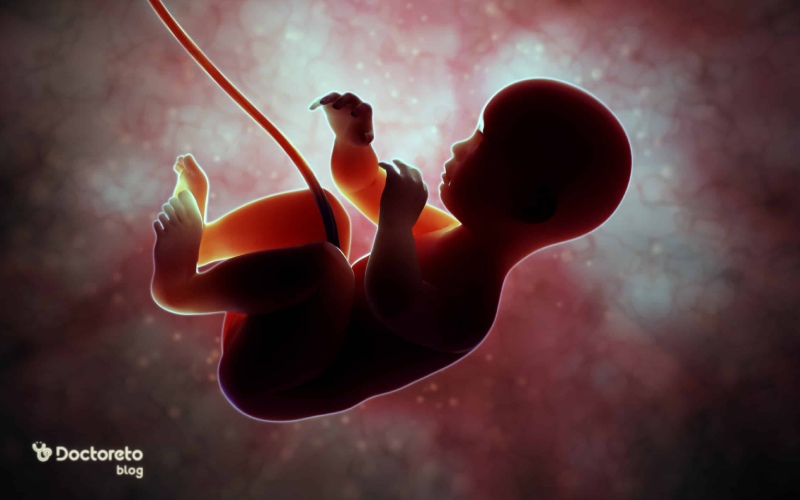
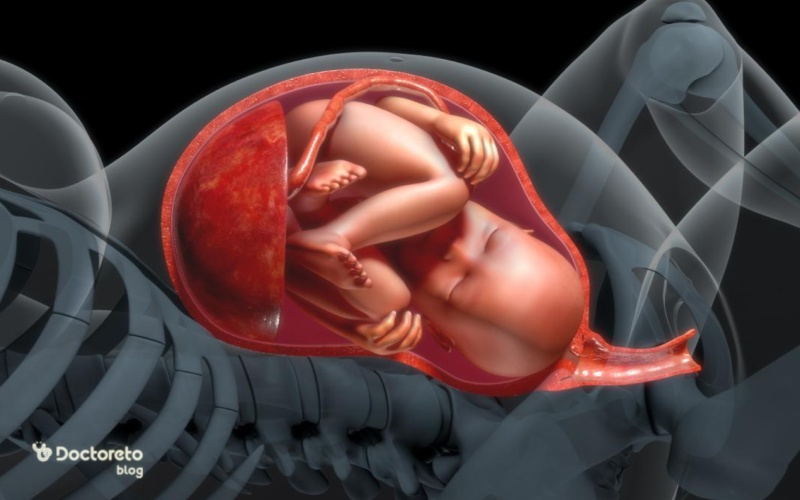
Diagnosing symptoms of a dead fetus in the abdomen is one of the sensitive and important issues during pregnancy that can affect the physical and mental health of the mother. Knowing these symptoms helps mothers to recognize the normal changes of pregnancy from the warning signs and, if necessary, take medical measures in time. In the rest of this article from your doctor, we will examine the physical symptoms and changes in the mother's body and medical diagnosis methods so that mothers and families can make timely and safe decisions with full knowledge.
What are the symptoms of a dead fetus in the stomach?
Fetal death in utero is one of the pregnancy danger signs. One of the first signs is the reduction or complete cessation of fetal movements and kicking. In a normal state, the mother should feel the movement of the fetus regularly; A sudden stop of these movements can be an alarm.
In addition to reduced movements, other symptoms such as lack of heartbeat or fetal movement in ultrasound, painful abdominal cramps and vaginal bleeding may also be observed. Observing any of these symptoms should be reported to the doctor immediately so that proper medical examination can be done and serious complications can be prevented.
The following are the most important signs of a dead fetus in the mother's womb:
Absence or complete cessation of fetal movements
Sudden and persistent decrease in fetal movements
Vaginal bleeding or spotting
Clear fluid leaking from the vagina
Abdominal pain
Fever and chills and symptoms of infection
Sudden reduction of pregnancy symptoms
نشنیدن ضربان قلب
Slow fetal growth
The following table shows the common and dangerous signs of a dead fetus in the abdomen and the appropriate action after observing them.
Symptoms
Category (common or dangerous)
Appropriate action
Fetus not moving or kicking
Common
Urgent referral to doctor for ultrasound or fetal heart monitoring (NST)
Not hearing Fetal heartbeat
Common
Confirm with advanced ultrasound and then plan for delivery
Light vaginal spotting or bleeding
Common
Emergency evaluation to rule out infection or placental abruption
Mild pain or cramping Abdominal
Common
Medical checkup to check contractions and rule out serious causes
Fever or chills
Dangerous
If infection is confirmed, antibiotics and decision about delivery time is made
Heavy vaginal bleeding
Dangerous
Reference Urgent to hospital for ultrasound and possible immediate delivery
Abnormal or foul-smelling discharge
Dangerous
Urgent evaluation with infectious tests and antibiotics if needed
Severe and persistent abdominal pain
Dangerous
Hospitalization and careful investigation to rule out infection with planned delivery if IUFD or death intrauterine confirmation
You can see the table of common and dangerous signs of fetal death and necessary measures for each.
1. Absence or complete cessation of fetal movements
Fetal movements are usually felt from 18 to 24 weeks of pregnancy and become clearer in the following months of pregnancy. Sudden and complete cessation of movements can be a serious sign of fetal health disorder. If the mother notices that the fetus does not move for a long time, it is necessary to go to the doctor immediately.
2. Sudden and persistent reduction of fetal movements
Any marked and sustained decrease in the number of daily fetal movements should be taken seriously. Reduced movements can indicate a blood flow problem or a lack of oxygen in the fetus and requires immediate evaluation with ultrasound and fetal heart monitoring.
The position of the fetus may cause the heartbeat not to be seen.
3. Vaginal bleeding or spotting
The presence of bleeding or spotting, especially in the second and third trimester of pregnancy, can be a serious sign. This bleeding may be a sign of miscarriage, placental abruption, or other problems, and in some cases, it is associated with fetal death. Any bleeding should be checked by a doctor immediately.
4. Leaking clear liquid from the vagina
Clear fluid leakage is usually a sign of water bag rupture and without medical control can cause infection and danger to the fetus. Even if the leakage of water is small, it is necessary for the mother to go to the hospital to check the condition of the water bag and the health of the fetus.
Leaking clear fluid should be evaluated immediately as it may be a sign of a ruptured water sac or infection. But it alone does not indicate the death of the fetus.
5. Abdominal pain
Lower abdominal pain in women, especially with bleeding or abnormal contractions, can be a sign of miscarriage, placental disorders, or infection. Abdominal pain should never be ignored and requires immediate investigation with ultrasound and clinical examinations. In some cases, sudden pain is associated with fetal death or the risk of premature birth.
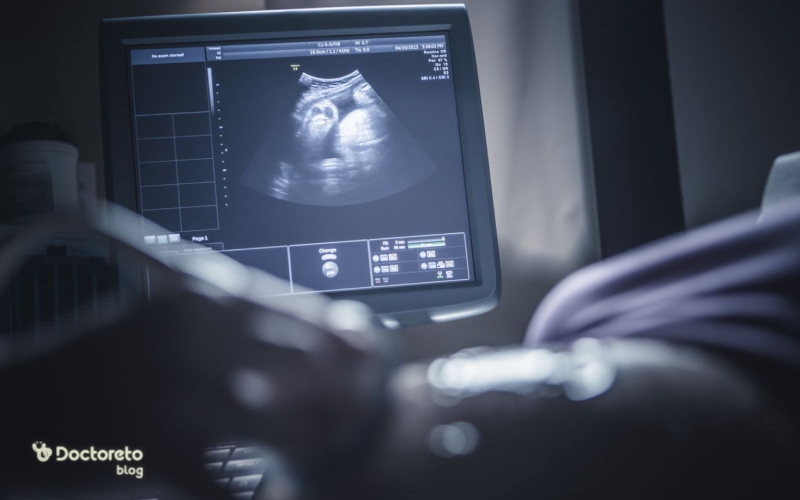
sonography is the main tool for diagnosing a dead fetus in the womb, and by examining the heartbeat, growth and movement of the fetus, the doctor It can accurately confirm intrauterine death.
6. Fever and chills and symptoms of infection
Fever, chills, pain when urinating, or general signs of infection can be caused by an infection of the uterus, placenta, or amniotic fluid. These infections can be associated with fetal death or premature birth. Paying attention to the signs of infection quickly can save the life of the fetus and the mother.
7. Sudden reduction of pregnancy symptoms
Symptoms such as nausea, breast tenderness, or fatigue that suddenly subside may indicate fetal growth retardation or death. The reduction of these symptoms is usually accompanied by other signs of danger such as the cessation of fetal movements or bleeding and requires rapid evaluation with ultrasound. This sudden change, unlike the natural fluctuations of pregnancy, should always be taken seriously.
Of course, fluctuation or reduction of pregnancy symptoms alone is not a measure of fetal death; If there is concern, especially with reduced movements, immediate evaluation (NST or ultrasound) is necessary.
English text: Pregnancy hormones may continue to be high for some time after the baby has died, so you may continue to feel pregnant and a pregnancy test may well still show positive. Persian translation: Pregnancy hormones may continue to be high for some time after the baby has died. Therefore, you may still feel pregnant and the pregnancy test will still be positive.
8. Not hearing the heartbeat
Not hearing the heartbeat of the fetus in ultrasound or in routine examinations is one of the indicators of fetal death. If the heartbeat is not seen or heard, the doctor usually performs additional tests and ultrasounds to determine the cause of fetal growth arrest or death. These examinations are necessary to decide on the continuation of the pregnancy or medical procedures.
9. Slow growth of the fetus
Fetal growth less than normal, which is identified in follow-up ultrasounds, can be caused by problems with the placenta, insufficient fetal nutrition, or genetic factors. Inadequate fetal growth, in severe cases, is associated with an increased risk of intrauterine death and requires special care and frequent monitoring. A detailed assessment includes measuring weight, head circumference and length of bones and examining placental blood flow.
Slow fetal growth is an important risk factor for stillbirth, but it is not a diagnostic sign.
Symptoms of a dead fetus in the abdomen in the first trimester
In the first trimester of pregnancy, fetal death usually occurs as a spontaneous abortion, and the mother may first feel subtle changes in her body. Vaginal bleeding or spotting and menstrual-like pain are the most common symptoms. A sudden reduction or cessation of pregnancy symptoms such as nausea and breast tenderness can also be a warning sign of a dead fetus in the abdomen. In severe cases, the discharge of abnormal tissue or fluids from the vagina indicates the cessation of fetal growth.
The following are important signs of fetal death in the mother's womb in the first 3 months:
Vaginal bleeding: it can range from spotting to heavy bleeding
Abdominal pain or contractions: pain similar to menstruation or cramps, which is usually accompanied by bleeding
Reduction of pregnancy symptoms: sudden cessation of nausea, breast tenderness or fatigue, which indicates a hormonal disorder caused by the death of the fetus
Not hearing the heartbeat of the fetus in the initial ultrasound
However, in some cases, there may be no symptoms, and the mother only notices the stoppage of growth or the absence of a fetal heartbeat during pregnancy ultrasound. This condition is medically known as abortion symptoms missed or delayed abortion.
English translation: If there's no medical reason for the baby to be born straight away, it may be possible to wait for labor to begin naturally. This decision doesn't usually need to be made immediately, and it may be possible to go home for a day or two first. Farsi text: If there is no medical reason for the immediate birth of the baby, it may be possible to wait for the natural start of labor. This decision usually does not require an immediate decision and you may be able to go home for the first day or two.
Symptoms of a dead fetus in the abdomen in the second trimester
In the second trimester of pregnancy, the fetus is bigger and the mother usually feels the movements of the fetus; Cessation or reduction of movements can be the first sign of seriousness. Abdominal pain, bleeding and sudden decrease in pregnancy symptoms can also be accompanied. Not hearing the heartbeat of the fetus in ultrasound and leaking clear liquid from the vagina are danger signs. Also, fever and chills can be a sign of infection that needs immediate investigation.
The most important signs of fetal death in the second trimester of pregnancy include the following:
Decreased or no movement of the fetus
No heartbeat of the fetus
Bleeding or abnormal secretions
درد شکمی مداوم
Symptoms of a dead fetus in the abdomen in the third trimester
In the third trimester of pregnancy, fetal growth arrest or placental problems usually reduce or stop movements. Vaginal bleeding, severe abdominal pain or abnormal contractions are also warning signs. Not hearing the heartbeat and slow growth of the fetus in ultrasound are important indicators of the signs of a dead fetus in the womb or fetal death. Clear fluid leakage and infection symptoms can be serious and dangerous at this stage.
If you see any of these symptoms, you should go to the doctor or hospital immediately. Some of these symptoms may appear for other reasons, and a quick examination will prevent serious risks for the mother. The most important signs of fetal death in the third trimester of pregnancy include the following:
Not moving the fetus
absence of fetal heart beat
Symptoms of infection such as fever or chills
The important point is that Intrauterine Fetal Demise (IUFD) is a condition in which the fetus usually dies after the 20th to 24th week of pregnancy in the mother's womb without any vital signs such as a heartbeat. This condition can be caused by problems with the placenta, chromosomal disorders, infections or chronic diseases of the mother. In multiple pregnancy, the death of one fetus may affect the health of other fetuses and the normal course of pregnancy.
Are the symptoms of a dead fetus in the abdomen the same for everyone?
Symptoms of fetal death in the womb are not the same for all people and can vary based on the stage of pregnancy, the physical condition of the mother, the size and position of the fetus, and other factors. For example, some mothers feel the movements of the fetus more accurately and notice its decrease faster, but others may notice it later. For this reason, even if there is only one unusual symptom such as reduced movements or bleeding, you should immediately go to the doctor to check the condition of the fetus.
Conclusion
Symptoms of a dead fetus in the abdomen may include decreased or stopped fetal movement, bleeding or spotting, severe or persistent abdominal pain, decreased normal signs of pregnancy, and abnormal changes in the mother's body. Timely diagnosis of these symptoms is very important and quick visit to the doctor can reduce physical and psychological risks. If any of these signs are observed, even in case of doubt, it is better to contact a gynecologist or obstetrician without delay and do the necessary tests. Being aware of these symptoms and taking timely action can help maintain the mother's health and better manage the situation.
Your doctor takes care of your health!
Frequently Asked Questions
Not observing the heartbeat in the ultrasound is a serious warning, but to definitively diagnose the death of the fetus, the doctor usually needs a few minutes to Wait a few hours and check again. Technical factors or the position of the fetus may cause the heartbeat not to be observed, so repeating the ultrasound and more detailed examination is necessary.
Reduction or cessation of nausea in pregnancy alone is not a sign of fetal death. Nausea usually decreases in the first trimester and may be due to hormonal or individual reasons. You should only be concerned if this change is accompanied by other symptoms such as bleeding, decreased movement, or severe pain, which requires immediate medical attention.
When the fetus dies in the womb, its survival depends on the stage of pregnancy and the condition Mother is different. In the first trimester, miscarriage usually occurs spontaneously. In the second and third trimesters, the fetus may remain in the uterus for several days or weeks without obvious symptoms, but this situation increases the risk of infection and bleeding and requires immediate medical attention.