
نقش جراحی در درمان سرطان دهانه رحم
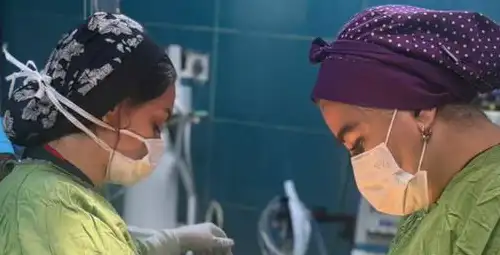
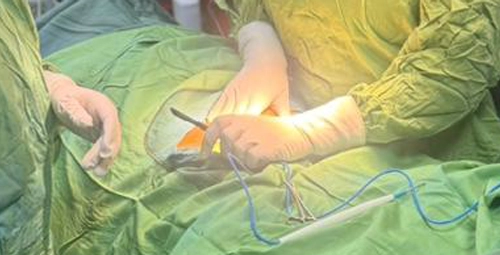
یکی از مهم ترین اقدامات برای درمان سرطان دهانه رحم جراحی است. شاید بتوان گفت جراحی سرطان دهانه رحم یکی از کاربردی ترین و مهم ترین انتخاب یک پزشک برای درمان این بیماری است. در این جراحی پزشک انتخاب های متفاوتی در اختیار دارد. انتخاب نوع جراحی به عوامل مختلفی بستگی دارد. در صورت مراجعه بیمار در مراحل ابتدایی، کونیزاسیون یا هیسترکتومی ساده پاسخ گو هستند.
اگر بیماری در مرحله پیشرفته تری باشد، مشروط به اینکه در دهانه رحم باقی مانده باشد، هیسترکتومی رادیکال و برداشت غدد لنفاویکفایت می کند. به این وسیله پزشک از باقی ماندن سلول های سرطانی در رحم تا حد زیادی مطمئن می شود. In addition to the therapeutic role, due to the close and accurate visualization of complications and problems, surgery can play a big role in diagnosing the stage of the disease more accurately and planning the next treatments. #000000; font-weight: 600; ">
Goals of Cervical Cancer Surgery
This surgery includes various goals that are a combination of therapeutic and diagnostic goals.Complete removal of cancerous tissue:
The most important goal of cervical cancer surgery is definitive treatment of this disease. The doctor removes the tumor and surrounding tissues. In this way, the probability of remaining malignant cells decreases and the probability of definitive treatment and eradication of the disease increases. The choice of the type of surgery—from conization and simple hysterectomy in the early stages to radical hysterectomy in limited but advanced stages—is based on the size and location of the tumor. take samples Accurate sampling plays an important role in accurately diagnosing the stage of the disease and identifying the level of lymph node involvement. Many times after surgery, the doctor seems to be indecisive about whether or not to use radiation or chemotherapy.Fertility preservation or not:
In young patients and with small tumors, surgery can be done in a way that preserves the uterus, such as tricolectomy. This procedure allows for future fertility while the tumor is removed. In older patients or with large tumors, radical hysterectomy is chosen and fertility is not preserved.

main surgical methods
In general, there are four main categories of cervical cancer surgery. The doctor chooses a method based on the patient's conditions, including the level of progress, the patient's age and clinical conditions.Simple hysterectomy:
In this method, the uterus and its opening are completely removed. This method is usually used in the initial stages. The main goal of this method is to remove cancerous tissues confined to the uterus. Due to the diagnosis of the disease in the early stages, there is usually no need for additional treatment in this method. Radical hysterectomy: This method is used in more advanced stages of the disease. In this stage of cervical cancer surgery, in addition to the uterus and cervix, the surgeon removes surrounding tissues and the upper part of the vagina and pelvic lymph nodes. In this method, the doctor obtains more detailed information about the tissues of the body. In addition, this method reduces the possibility of remaining cancerous tissues.Tricolectomy to preserve fertility:
If the patient is young and the tumors are small and limited to the cervix, the doctor chooses the tricolectomy method for surgery. In this method, the surgeon removes the cervix and surrounding tissues. In this method, the uterus is preserved for future pregnancy. The doctor removes lymph nodes to accurately diagnose the stage of the disease.
Removal of pelvic lymph nodes and lymph nodes next to the aorta:
Sampling of pelvic and para-aortic lymph nodes (the aorta is the largest artery in the body and there are lymph nodes around it that may be involved in cervical cancer) is an integral part of the surgery. This is a diagnostic and therapeutic procedure and helps to determine the exact stage of the disease and make a decision about complementary treatments such as radiation therapy or chemotherapy. As mentioned earlier, the main treatment for uterine cancer is surgery. But besides surgery, there are also complementary treatments. It should be said that surgery also plays an important role in determining the type of complementary treatments.Surgery and radiation therapy:
After surgery, if the doctor detects the risk of involvement of lymph nodes or deep tissue penetration, radiation therapy will be performed. In general, the goal of radiation therapy is to destroy the remaining cancer cells. This reduces the chance of disease recurrence. Diagnosis of the need for radiation therapy is usually done after surgery and using samples taken during surgery.Surgery and chemotherapy:
In some patients, especially with high-risk characteristics, chemotherapy is recommended after surgery. Chemotherapy can kill microscopic cancer cells and increase the chance of a complete cure. In advanced cases with large lesions, the doctor usually orders chemotherapy before surgery. Chemotherapy shrinks tumors, this will increase the success rate of surgery.
The role of surgery in determining the need for additional treatments:
Surgery provides the possibility of sampling the uterus, surrounding tissues and lymph nodes. These samples help the doctor decide exactly what additional treatment is needed and how much radiation or chemotherapy is needed. Without surgery, this accurate information is not accessible and the treatment plan may be insufficient or excessive.
Advantages and Limitations of Surgery
Advantages:
As mentioned before, the main method of oral cancer treatment The uterus is surgical. This method allows complete tumor removal. Along with the treatment, accurate determination of the stage of the disease is also provided by this method. With this information, the doctor can make the correct and appropriate decision for the next complementary treatments.
Limitations and possible complications:
All treatment methods in the world are associated with risk of complications. Cervical cancer surgery is no exception. Problems such as infection, damage to surrounding tissues, digestive problems and changes in sexual intercourse can happen. Surgery may be limited in patients with weak bones. In general, it can be said that a successful surgery depends on factors such as the skill of the surgeon and the stage of the disease.
Frequently Asked Questions
When is cervical cancer surgery recommended? Is it possible?
What is the difference between simple hysterectomy and radical hysterectomy?
Does surgery always destroy fertility?
What is the role of surgery in complementary treatments?
Summary
Surgery plays a central role in the treatment of cervical cancer and shows the greatest effectiveness, especially in the early stages of the disease. This method allows complete removal of the tumor and reduces the possibility of recurrence, and provides detailed information about the stage of the disease, which is essential for planning additional treatments such as radiation therapy or chemotherapy. There are a variety of surgical procedures that are chosen based on the stage of the disease, the size of the tumor, and the patient's desire to preserve fertility, including simple hysterectomy, radical hysterectomy, and tricolectomy. In some cases, removal of pelvic lymph nodes is an important part of surgery. This part plays an important role in the treatment and accurate diagnosis of the disease.
In addition to the direct role of treatment, surgery is also important in determining the need for complementary treatments and deciding on the type and amount of radiation therapy or chemotherapy. The advantages of surgery include definitive treatment, accurate determination of the stage of the disease, and the possibility of preserving fertility in suitable patients, but limitations and possible complications such as bleeding, infection, and damage to the surrounding tissues should also be considered.
To sum up, Cervical cancer surgery is considered a basic method in the management of this disease, and the success of the treatment depends on the accurate selection of the type. Surgery is the stage of the disease and the follow-up of complementary treatments.
Source
National Comprehensive Cancer Network (NCCN) – Cervical Cancer Guidelines

Comparison of vaginal tightening methods: surgical and non-surgical With the passage of time or after childbirth, the walls of the vagina relax and the muscles...