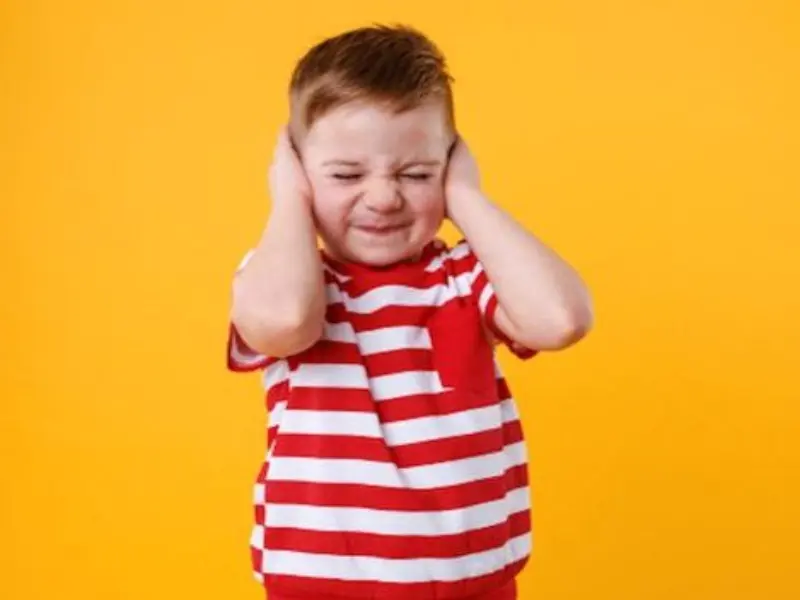


Why does a child get autism disorder at birth?
Researchers do not know exactly what is the cause of autism disorder, but they believe that the cause of the disease is a combination of environmental and genetic factors, and some special conditions also increase the chance of a child developing autism. increases. For example, if a child has a sibling with autism, the probability of his or her disease increases by 20%. Other factors include premature birth, low birth weight, birth problems, and the old age of the parents.
Early recognition of autism symptoms in children under one year of age
Some parents will notice the signs of autism when their child is between 6 and 12 months old; Of course, this issue depends on the symptoms of the disorder and its severity. Parents should pay attention to whether the child reacts to social and environmental information or not
During the first year of life, the baby begins to make bubbles with the mouth and use signs such as pointing, as well as smiling at caregivers. In fact, the sounds produced by the child should have a social function and he should try to communicate with his parents. But autistic children are not able to communicate with their parents through voice and gestures, and they cannot respond to social stimuli.
What behavior does a child with autism show?
When we talk about the symptoms of autism in children under one year old, we talk about things that the child is not able to do. One of them is lack of communication. But some symptoms and behaviors appear in children with autism at an early age.
Parents' attention to these signs is the first word in the early identification of autism symptoms in children. The most important of them are:
- repetitive behaviors in autism
- Establishing communication in unusual ways
- Repeat phrases
- Checking toys instead of playing
- Increasing sensitivity towards different subjects
- Obsessive attachment to unusual objects
symptoms of autism in children under one year
Unfortunately, autism disorder can affect all aspects of a child's development, but studies show that the symptoms are not the same in all children. The most common of these symptoms are as follows:
- The child does not follow moving objects with his eyes.
- Children at high risk of developing autism do not follow their mother when she moves in their field of vision.
- They don't react to loud sounds.
- They don't grab or hold things.
- They don't smile at others.
- They don't make bubbles with their mouths.
- They don't pay attention to the faces of new people.
Symptoms of autism at seven months old
- When he hears a sound, he does not turn his head towards the source of the sound.
- He doesn't show any passion towards you.
- He doesn't laugh and he doesn't scream.
- Doesn't try to attract the attention of others by doing something.
- He has no interest in games like Dolly Rocket.
Symptoms of autism at twelve months
- He does not walk on all fours.
- He doesn't say simple words.
- Does not use gestures such as nodding.
- Does not refer to objects or images.
- Can't stand with the help of objects.
Note: Keep in mind that these criteria are not definitive evidence of autism. There are simple points that we can determine if the child needs further diagnosis and interventions or not. Of course, other developmental or social disorders may also be involved in the occurrence of these conditions and symptoms.

Why are the symptoms of autism recognized late in children?
There may be many reasons for this, but one of the most likely is that the child with this disorder has mild autism.
For example, a person with mild autism may be able to speak but have difficulty having a two-way conversation. He tries to make friends but fails because he seems strange to others.
Does age-appropriate schoolwork, but has trouble changing activities or trying new ways to get it done. Obviously, when the symptoms are mild, identification takes longer.
mild autism symptoms in children
Symptoms of mild autism in children are sometimes confused with other disorders. These symptoms are usually seen in three main areas: social connection, behaviors and interests, and communication skills. Among the most important of them are loans from:
- Difficulty in social interaction
- Delays or differences in language skills
- Specific and repeated behavior and interests
- Unbalanced growth
How do the symptoms that autistic children experience make him feel?
Due to their different understanding, it is difficult for these children to understand what other people are thinking or feeling. Children with this disorder often prefer to be alone. Because social situations and making friends are anxiety-provoking for them.
Therefore, early treatment is very important in this field. href="https://drvbayati.ir/%d9%85%d8%b1%da%a9%d8%b2-%da%a9%d8%a7%d8%b1%d8%af %d8%b1%d9%85%d8%a7%d9%86%db%8c-%d8%af%d8%b1-%d8%a7%d9%87%d9%88%d8%a7%d8%b2/" target="_blank" rel="noreferrer noopener">The best occupational therapy center in Ahvaz.
Read more: When is the best age to treat autism?
time to detect the symptoms of autism in a baby
Autism is a developmental disorder that usually begins in the early years of life, but its diagnosis in infants is challenging due to limited communication skills at this age. However, some behavioral differences from about 6 to 12 months of age may attract the attention of parents or doctors.
In most cases, a definitive diagnosis of autism is made when the child reaches an age where his social and language abilities can be more accurately assessed, around 18 months to 3 years of age. Although early diagnosis is difficult, awareness of developmental changes and timely referral to a specialist can play an important role in effective and timely treatment interventions.

Diagnosis of autism in children under one year
What should I do if my child had autism?
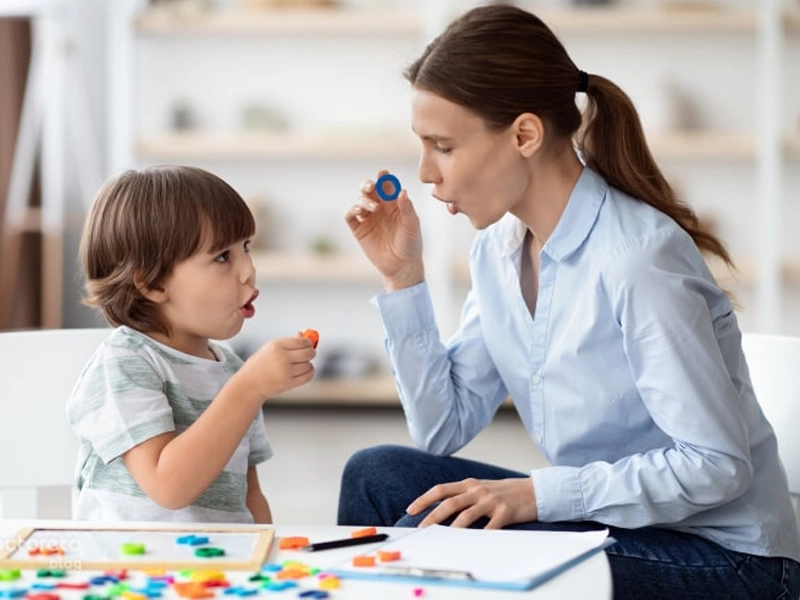
If your child has the symptoms mentioned above, see a specialist in pediatric psychiatry or pediatric neurology as soon as possible so that your child can be evaluated for this disorder. Previous observations indicate that the sooner the diagnosis is made, the sooner you can start developmental and behavioral interventions in the form of occupational therapy and speech therapy.
Early interventions mean helping your child cope with, or possibly even alleviate, the symptoms of autism. As your child gets older, interventions can include other things. The ultimate goal is to better manage the symptoms of autism and improve the child's quality of life as much as possible.
FAQ
Autism can usually be diagnosed from 12 to 18 months of age, although the first symptoms may be seen from 6 months of age. But a definite diagnosis is often delayed until 2 years of age or more, so it needs a specialist evaluation.
Not smiling until the end of 3 months can be one of the signs. be warning, but one symptom alone is not enough and should be checked along with other symptoms.
Yes, some autistic babies show less emotional reactions or are very quiet. which can be one of the early signs.
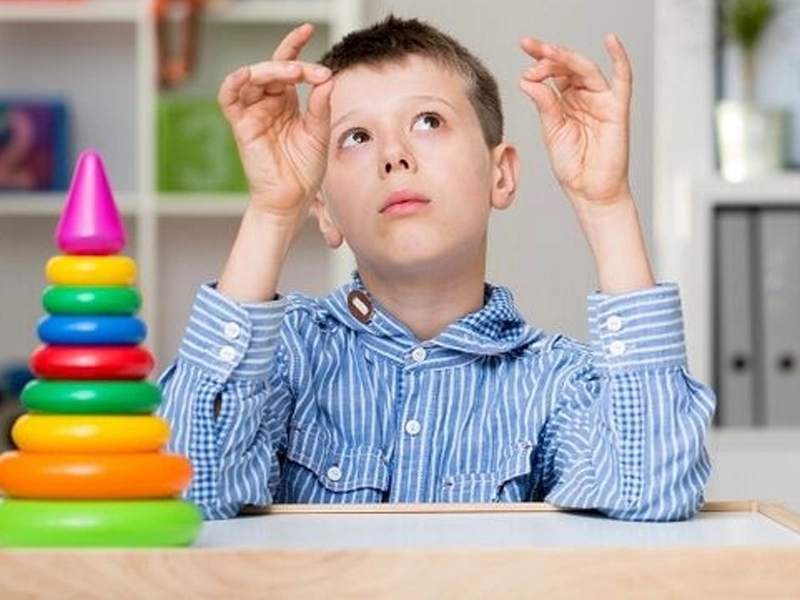
Some babies have repetitive and unusual movements such as flapping or turning their hands Show that if it persists, it can be a concern.
Finally…
Symptoms of autism disorder appear before the age of three, but if the child has mild autism symptoms, it is necessary to be examined by an experienced specialist and make a final diagnosis. That is why in many cases many children do not receive the diagnosis of this disorder until adulthood and they will lose the golden time to control the symptoms of the disease. Therefore, if any symptoms are observed, it is necessary to carry out the necessary examinations by an occupational therapist.