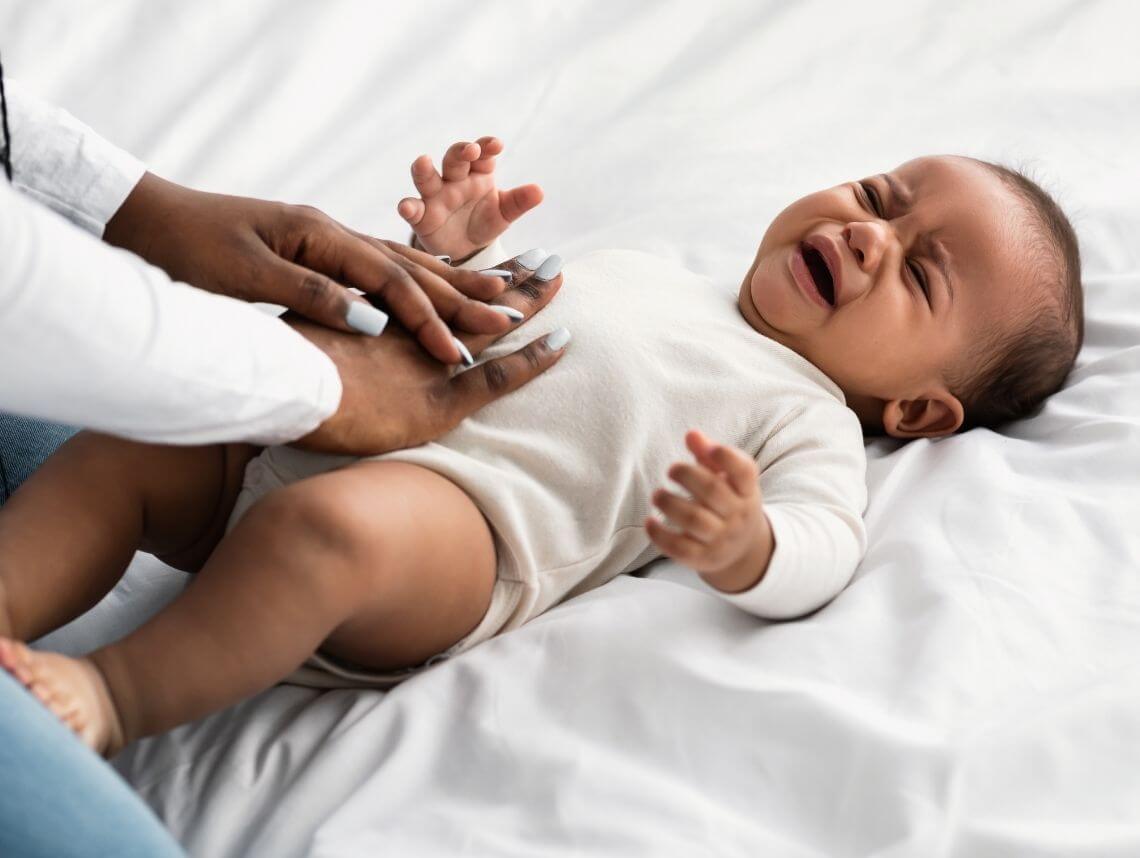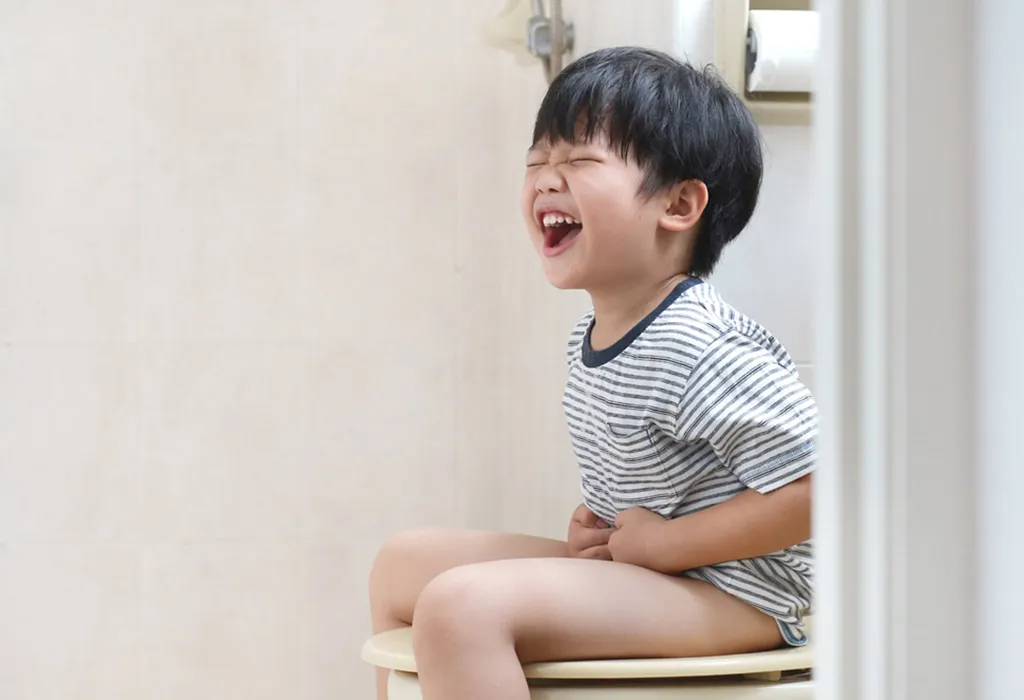


یبوست در کودکان یک مشکل رایج در کودکان است که تقریباً از هر 20 مراجعه به پزشک اطفال 1 مورد به علت بروز یبوست است.
یبوست زمانی اتفاق می افتد که کودک در دفع مدفوع مشکل داشته باشد و در نتیجه رفع مدفوع به ندرت یا مدفوع سفت و خشکی ایجاد می شود که دفع آن می تواند دردناک باشد. در حالی که یبوست می تواند یک تجربه ناامید کننده هم برای کودک و هم برای والدین باشد، خبر خوب این است که اغلب موقتی است و می توان آن را به طور موثر با تغییرات رژیم غذایی، اصلاح شیوه زندگی و فیزیوتراپی کف لگن مدیریت کرد.
علائم و نشانه های یبوست در کودکان بسته به سن و عوامل فردی می تواند متفاوت باشد. However, some common indicators include:
- Infrequent bowel movements: This can be defined as having fewer bowel movements than usual for your child.
- Hard and dry stools: stools that are difficult or painful to pass are a key symptom of constipation.
- Straining or pain during bowel movements: Children may show symptoms of straining, grunting, or discomfort while trying to pass a stool.
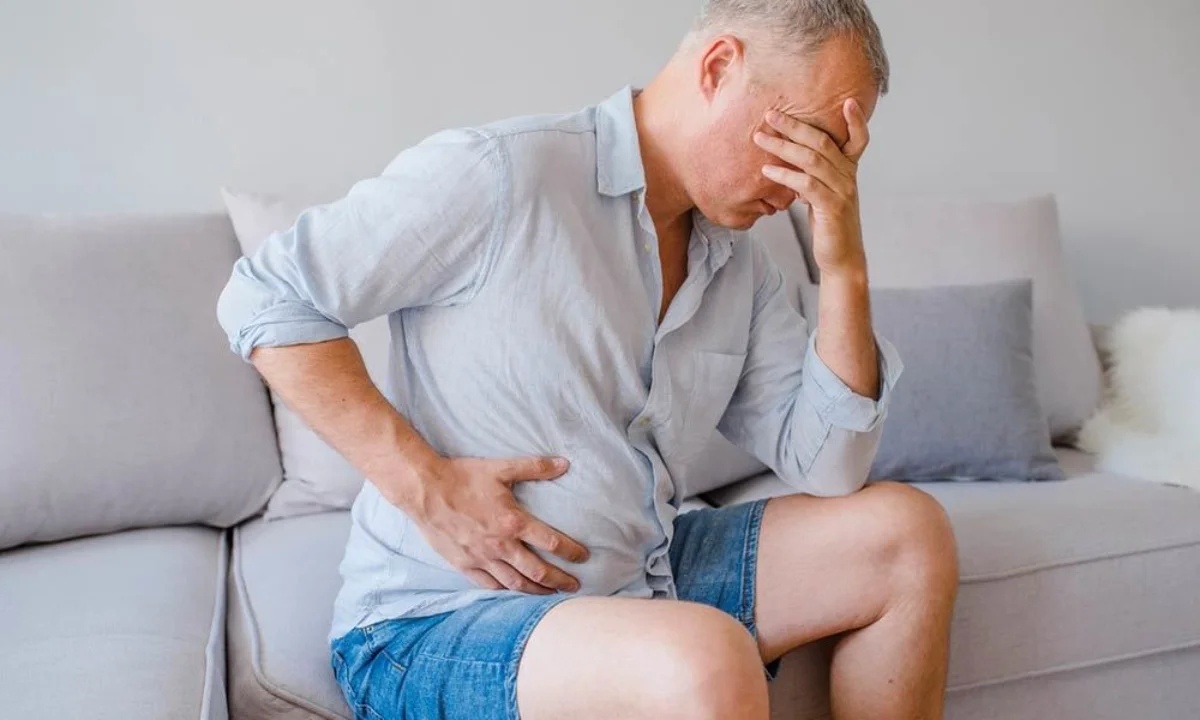
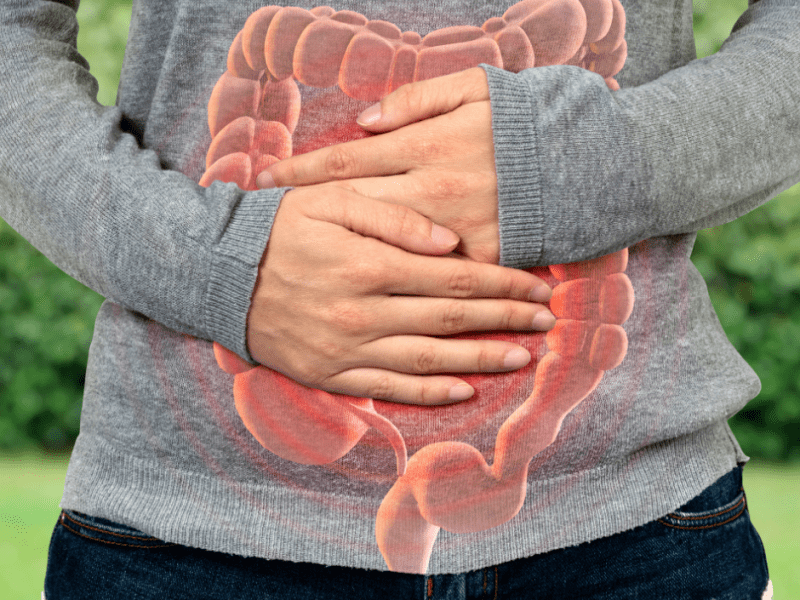
- Stomach pain or cramps: Constipation can cause abdominal pain and discomfort.
- Boiling: Some children with constipation may develop fecal incontinence, in which small amounts of stool leak. This can happen because hard stool fills the rectum, leaving no room for liquid stool.
Causes of constipation in children
Several factors can contribute to constipation in children. Here is a breakdown of the most common causes:
- Dietary factors: A diet low in fiber and processed foods, dairy products or sugary drinks can lead to constipation. Fiber helps bulk and soften the stool and makes it easier to expel.
- Dehydration: Not drinking enough fluids can cause constipation because the colon absorbs too much water from the stool, making it hard and dry.
- Changes in routine: new environments, starting school, traveling, or disrupting a child's usual toileting routine can disrupt his bowel habits and lead to constipation.
- Toilet training: Children who are toilet training may avoid bowel movements due to fear of pain or discomfort, which could lead to constipation.
- Medical conditions: In some cases, constipation can be a sign of an underlying condition such as hypothyroidism, Hirschsprung's disease, or celiac disease. However, these cases are less common in children.
Functional constipation versus organic constipation:
It is important to distinguish between functional constipation, which is the most common type in children, and organic constipation. Functional constipation occurs when there is no underlying disease causing the problem. It is often related to dietary or behavioral factors.
On the other hand, organic constipation is caused by a structural abnormality or medical condition that affects the digestive system. If you suspect that your child's constipation may be organic, it is very important to consult a doctor for proper diagnosis and treatment.
The role of physiotherapy in the treatment of constipation in children
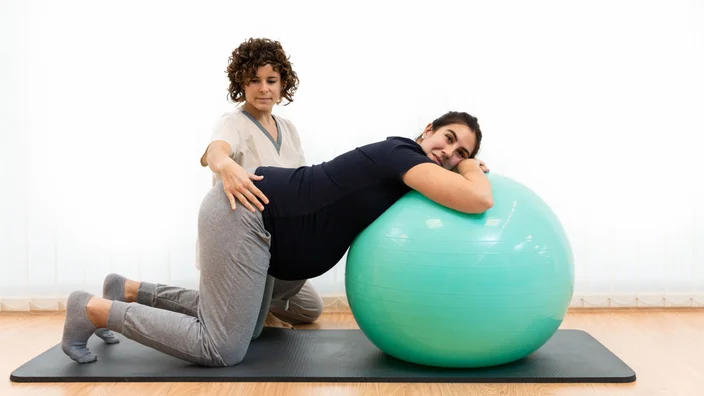
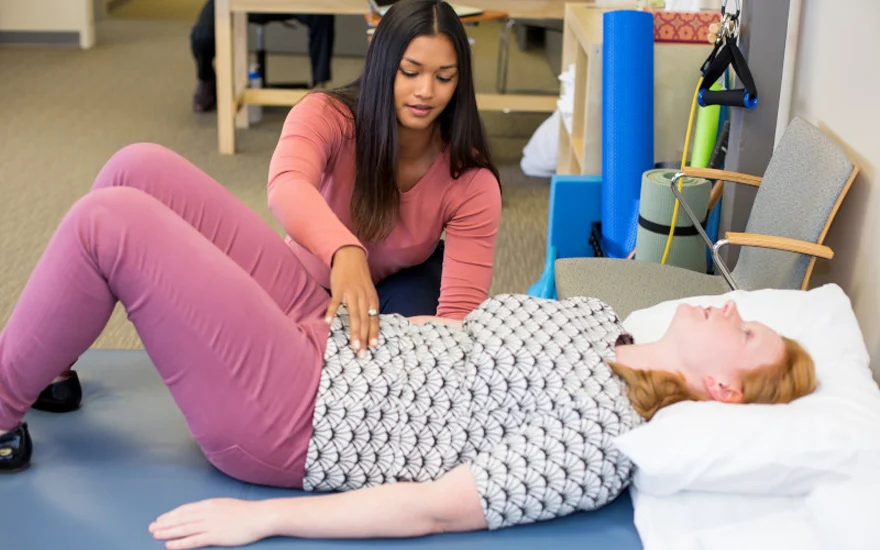
Pelvic floor physiotherapy can be a valuable addition to the treatment program of children with functional constipation. Physical therapists are movement specialists trained to evaluate and treat a wide range of conditions, including those affecting the digestive system. How can physiotherapy help:
Manual therapy: A physical therapist may use gentle manual techniques to improve pelvic floor muscle function and relieve any stiffness or discomfort that may be contributing to constipation.
Toileting position: Physiotherapists can advise on the correct position for bowel movements, which can make bowel movements easier for children. This may include using the toilet stool to raise the knees and improve the squatting position.
Lifestyle advice: Physiotherapists can also provide advice on dietary changes, fluid intake and exercise programs that can help promote healthy bowel habits.
benefits of physiotherapy
- Non-invasive and drug-free: Unlike laxatives, physical therapy is a non-invasive, drug-free approach that addresses the root cause of the problem.
- Empowerment and Education: Physiotherapy empowers children to take control of their bowel health by teaching their bodies and how to manage constipation through exercises and techniques.
- Complementary approach: Physiotherapy can work effectively alongside other treatment options such as diet.