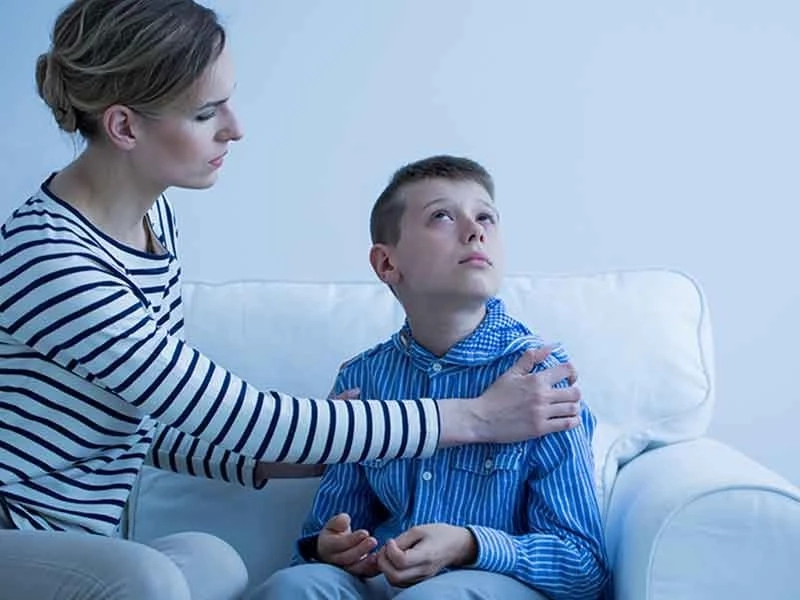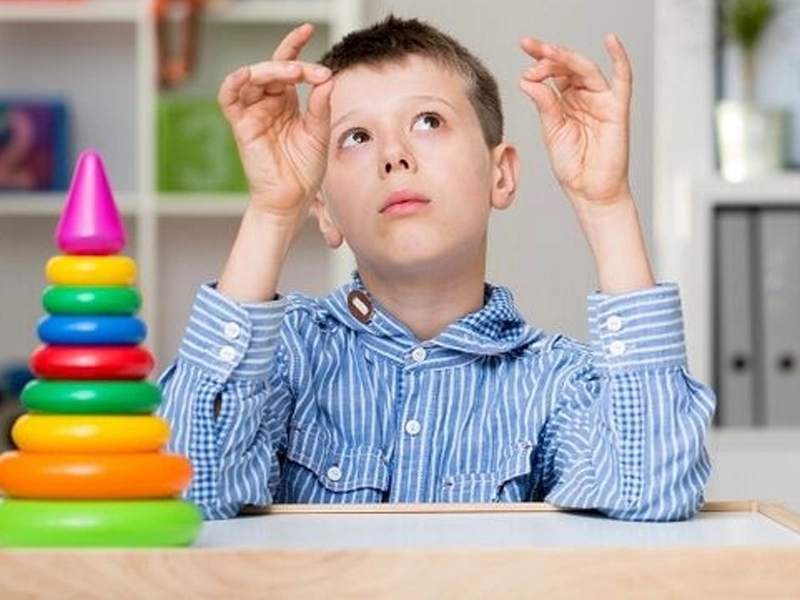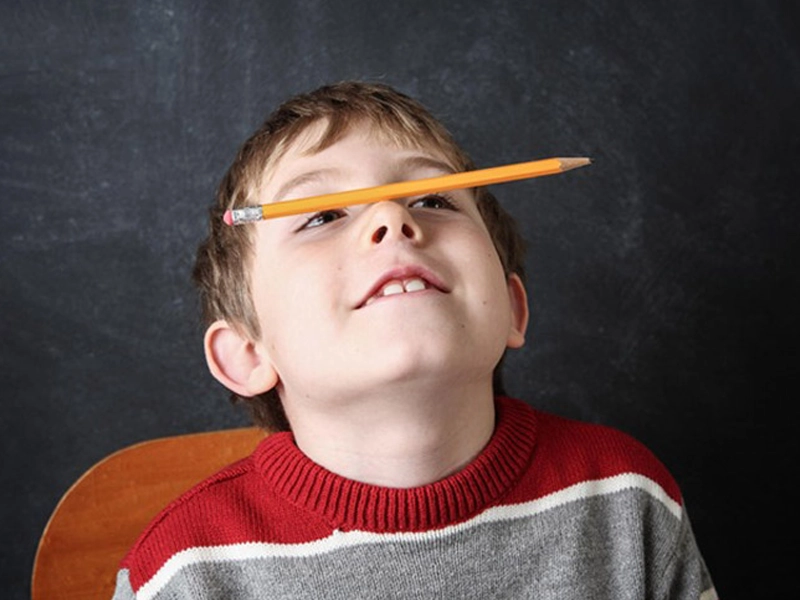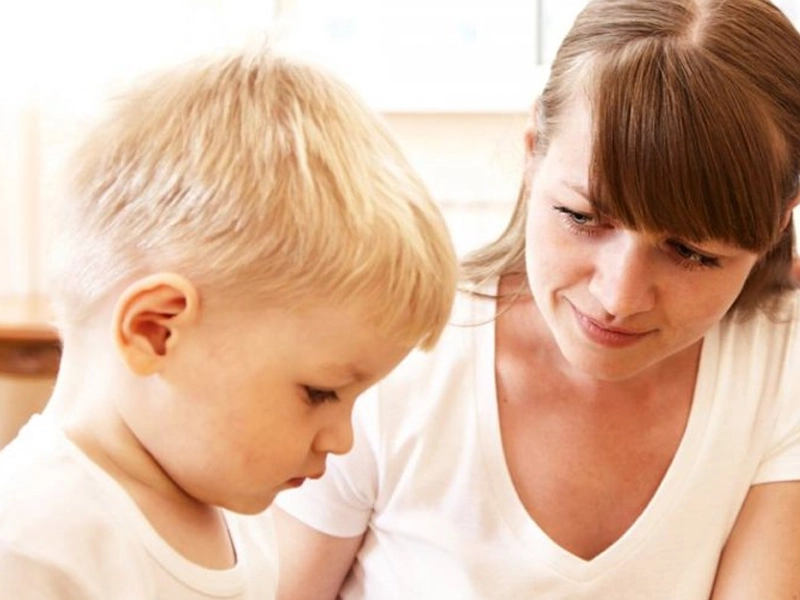


A child not responding or not paying attention to his name can be one of the first signs that worries parents and leads their minds to developmental or communication problems. But is the child's inattention to his name a sign of rudeness or is there a deeper issue? In fact, this simple behavior can be an important clue of the child's inner world that needs to be examined more closely. In this article, we will examine the reasons and effective solutions to strengthen responsiveness.

cause of child not paying attention to its name
One of the important signs in the child's communication development is answering his name. If a child does not respond to his name, it could be a sign of a developmental, auditory, or environmental problem that needs to be investigated. Among the most important causes of this symptom, the following can be mentioned:
hearing problems
If the child has a hearing loss, he may not hear the voices of the people around him or even recognize his own name. Be careful that hearing problems can be congenital or acquired and are sometimes caused by middle ear infections.
autism-spectrum-disorder
One of the primary signs of autism disorder is the child not reacting to his name. Children on the autism spectrum usually do not make eye contact, which means they are less interested in social interaction and show less reaction to normal sounds.
developmental or language delay
In children who have a delay in the development of speech and language, the reaction to the name is delayed. These children also have difficulty understanding simple concepts and commands and need a more detailed assessment.
Lack of attention or distraction
Sometimes the child is in a busy or noisy environment and his attention is drawn to other things. In this case, not reacting to the name can be due to intense focus on a specific activity and has nothing to do with the disorder.
not-used-to-hear-name
In some cases, parents call the child less by name and use nicknames or alternative names. This makes the child not have a special reaction to his original name, because he has not heard it enough.
emotional or psychological problems
In children who suffer from anxiety, depression or parental neglect, sometimes the response to external stimuli decreases. Not reacting to the name can be a part of the child's general reaction to the surrounding environment.
Note: If the child does not consistently respond to his name, medical and psychological evaluations by the best occupational therapy center to determine the exact cause.
Is child not responding to his name a sign of autism?
A child's inattention to his name can be one of the early signs of autism, but it is not enough to diagnose this disorder. Many children in periods of development do not respond to their names for various reasons such as hearing problems, distraction or even delayed language development.
But in autism, this lack of reaction is seen along with other symptoms such as reduced eye contact, lack of interest in interactive games, speech delay and difficulty in social communication. Therefore, if your child does not respond to his name, it is better to be evaluated by a child's occupational therapist.
the most appropriate age for a child to respond to his name
The most appropriate age for a child to respond to his name is usually around 6 to 9 months. At this age, most babies are able to respond to hearing their name, such as turning their head, looking at a sound, or stopping.
Of course, each child's growth rate is different and some show this skill a little earlier or later. If the child does not respond to his name by 12 months, it is recommended that parents consult a specialist doctor to check the child's auditory, communication and social development status.Read more: Symptoms of autism in children under one year

What diagnosis method is there for this child problem?
To investigate the reason why the child does not respond to his name, there are various diagnostic methods that are performed step by step by the doctor:
Hearing evaluation (audiometry)
The first step is to check the child's hearing health. If the child does not hear the sound around him or has a hearing disorder, he naturally does not react to his name. This evaluation is usually done by an audiometer with special devices.
Examination of communicative and linguistic development
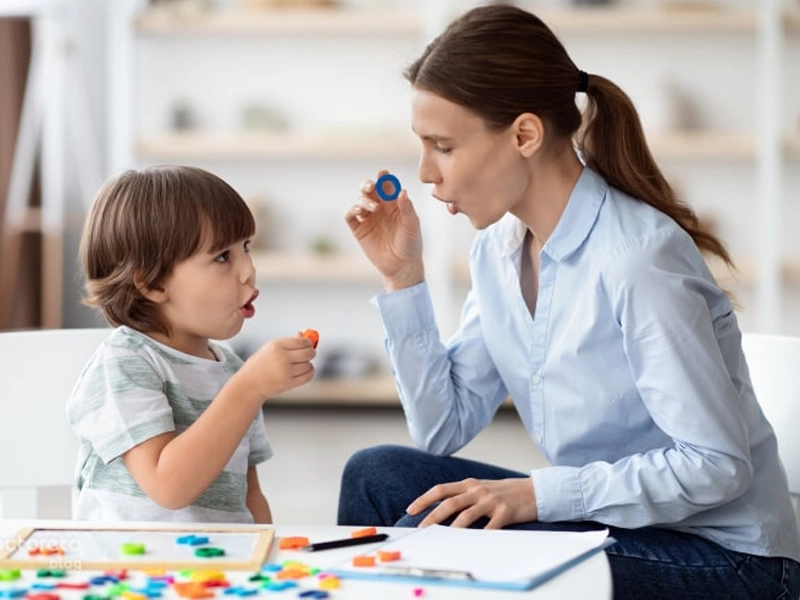
The speech therapist examines the child's ability to understand and use language, react to sounds and social interactions. These tests can determine the presence of developmental delay or language problems.
autism evaluation
If there are other symptoms such as reduced eye contact, indifference to others, inability to play interactive games and speech delay, autism screening tests are performed for children under 3 years old.
Consultation with a child psychologist
To investigate psychological or emotional factors such as anxiety, depression, or neglect of the environment, the child psychologist can reach a more accurate diagnosis by observing the child's behavior and talking to the parents.
survey the environment and family interactions
Sometimes the child's non-reaction is due to the lack of social stimulation or the lack of frequent calling of the child's name in the home environment. Investigating the parenting style and parent-child interaction is also part of the diagnostic evaluation.
Methods of strengthening the child's response to his name
To strengthen the child's response to his name, simple, repetitive and loving methods should be used so that the child gradually learns to respond to the sound of his name. Among the effective methods are as follows:
- Every time the child is playing or his attention is elsewhere, call his name in a warm and happy tone. If he reacts, be sure to praise or encourage him to increase his motivation.
- Before calling the child, try to face him, make eye contact and then get his attention by saying his name. This will help the child associate his name with your presence.
- In games such as football or game ball, call the child's name and if he reacts, involve him in the game. In fact, the use of games makes the learning process more effective.
- If the child is called more by nicknames or informal names, he will naturally know his real name less. Try to use his real name more to strengthen learning.
- Each time the child responds to his name, encourage him with a smile, a hug, or even a small toy. We must point out that the reward creates a positive response in the child's mind.
- During the day, call the child by his name many times; While dressing, eating, playing or changing diapers. In fact, repetition in different situations helps to consolidate learning.
Finally….
A child's inattention to his name can have various reasons, including hearing problems, autism, developmental delay, or even environmental factors. Timely identification of the cause is the main key in choosing the appropriate treatment and support. With repetition, constructive interaction and, if needed, expert advice, you can help improve the child's reaction and make his natural development path smoother.