
Table of contents
- How is the level of consciousness measured in a coma?
- Standard scales for measuring the level of consciousness in Coma href="#conclusion">Conclusion
How is the level of consciousness measured in a coma?
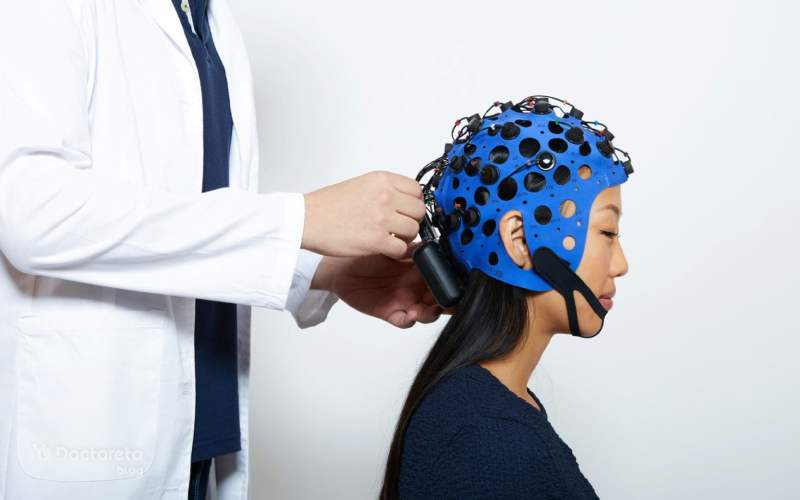
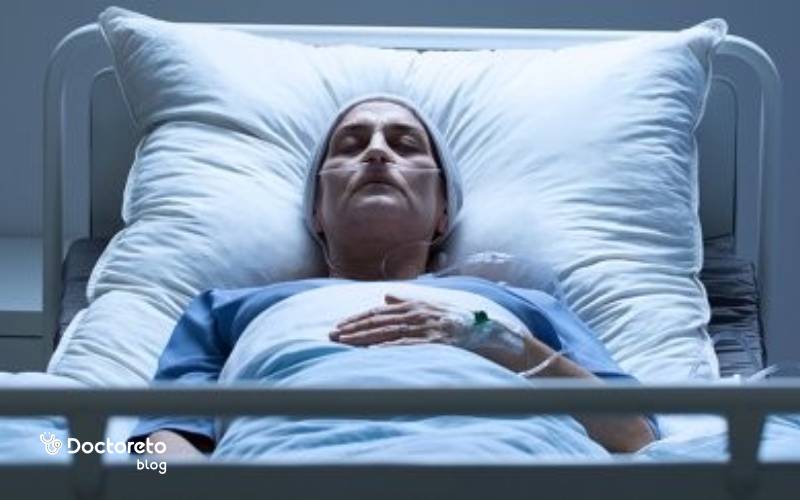
Coma is a state in which most patients have limited cognitive function. Doctors can measure the level of consciousness in coma by examining the changes that occur in the patients' cognitive function and also their response to some stimuli. Tools such as MRI imaging tests and brain CT scans are used to check the severity of lesions and brain function.
However, other tests are needed to measure the level of consciousness. These options allow doctors to monitor patients and assess their recovery potential.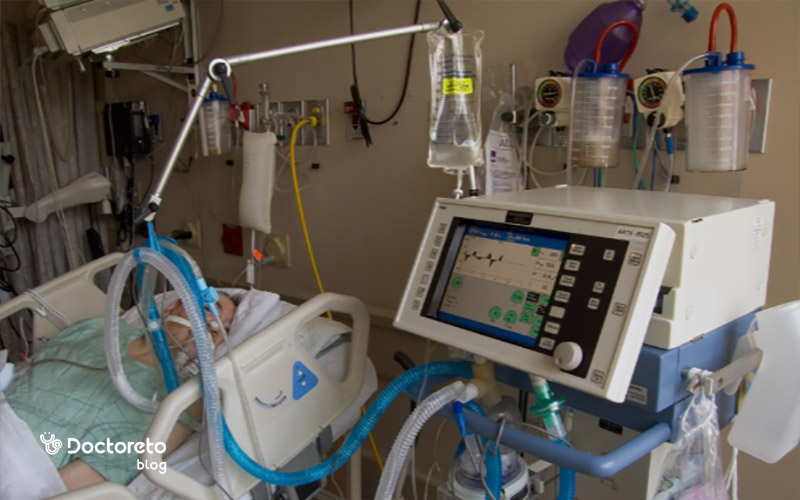
standard scales for measuring the level of consciousness in coma
To examine the conditions of patients who are in a coma, the CRS-R (Coma Recovery Scale-Revised) scale is a standard tool for distinguishing between deep coma (VS/UWS), minimal consciousness state (MCS) and full consciousness, and includes the assessment of 23 items in the domains of hearing, vision, movement, oral, communication and consciousness. This scale is used to identify patients with a higher chance of recovery (MCS).
In the initial evaluation, doctors use a computed tomography (CT) scan or structural MRI to check for physical damage to the brain, such as swelling, bleeding, or fluid leakage. In addition, doctors can determine the level of consciousness in a coma with the help of a series of standard scales, such as the Glasgow scale.
| Name of the scale | Its use |
|---|---|
| Glasgow scale (GCS) | Evaluation of the level of consciousness by examining visual, verbal and motor responses |
| Tests CRS-R | Evaluation of hearing, vision, movement, oral, communication and consciousness |
English text:
Quoted from advocatehealth
The Glasgow Coma Scale (GCS) is used to assess the severity of a coma. GCS is a 15-point screening that evaluates your eye, verbal and motor responses. The lower the score, the deeper the coma. Farsi translation: The Glasgow Coma Scale is used to evaluate the severity of coma. The GCS is a 15-point screening that assesses visual, verbal, and motor responses. The lower the score, the deeper the coma.
1. Glasgow Scale (GCS)
The main tool used to assess the level of consciousness in coma is the Glasgow Coma Scale or GCS. This tool is placed next to the patient's bed and along with other clinical observations, doctors can have an initial and continuous measurement of the patient's level of consciousness.
This scale assesses three aspects of responsiveness – eye-opening, verbal, and motor responses. The separate report of each component allows doctors to get a clear and accurate picture of the patient's neurological condition.
English text:
The Glasgow Coma Scale (GCS) is a cornerstone tool in the neurological assessment of patients with acute brain injury and impaired consciousness.
Persian translation:
Glasgow Coma Scale GCS is a basic tool in the neurological assessment of patients with acute brain injury and impaired consciousness. href="https://www.ncbi.nlm.nih.gov/books/NBK513298/." target="_blank" rel="noreferrer noopener">ncbi
2. Evaluation of visual, verbal and motor responses
As mentioned in the Glasgow coma scale, three main components are evaluated. Doctors determine the level of alertness based on the extent and manner in which patients react to external stimuli. Eye reactions mean opening and closing the eyes and motor reactions refer to the amount of muscle movements.
In the case of verbal responses, doctors check the rate of patients' reactions to the surrounding verbal communication. In each of these cases, the doctor considers a score based on the lack of response to the degree of response, and finally, based on the total of these scores, he can check the level of consciousness in the coma.

Different degrees of coma based on level of consciousness
To determine the level of consciousness in a coma, doctors summarize the Glasgow Coma Scale score obtained from the three main components. Neurologists measure all three of these components in multiple ways. Finally, according to the total score of GCS, the level of alertness is determined. The total GCS score ranges from 3 to 15, with 3 being the lowest and 15 being the highest (normal level of consciousness).
For patients who are in a coma, usually the GCS score is equal to or less than 8. The lower this number is, the deeper the person enters a coma and the chance of recovery is much lower. Consciousness level 3 means the most severe level of coma and often has a poor prognosis, but recovery is possible in reversible cases.
Changes in the level of consciousness during coma
To check how likely patients are to recover, doctors constantly measure the level of consciousness in a coma. If the level of consciousness is 3, 4, and 5, they often have a poor prognosis, but recovery is possible in some cases (especially scores of 6–8 and reversible causes). As a result, the patient may react to external stimuli, such as sounds.
For example, if the patient is able to open their eyes in response to sounds or if the muscles react to pain, it can be concluded that their level of consciousness will gradually increase and they can come out of the coma.

What is vegetative life like?
Factors affecting the level of consciousness in comatose patients
How to raise a patient's level of consciousness depends on various factors that can affect the level of consciousness in a coma. The most important and main of them is the cause of the coma and the severity of the damage to the brain. Depending on which part of the brain is damaged and how many chances there are for patients to recover, the level of consciousness of patients who are in a coma is also different.
Conclusion
Coma is a state in which a person is unconscious and has very low vital signs. In these conditions, the continuous measurement and monitoring of patients is very important, and one of these very important things is the evaluation of the level of consciousness in coma, which is done by a neurologist in a precise manner. The results of this study will help doctors to choose the right treatment method and monitor patients.
Your doctor takes care of your health!