Rheumatism is an infectious inflammatory disease that can affect different parts of the body and by attacking the main organs such as joints, skin and most importantly the heart, it causes very serious complications. If the target of the disease is the muscles of the heart, it is called rheumatism of the heart, which can be very dangerous. Children and adolescents between the ages of 5 and 15 with untreated streptococcal infections are most likely to develop rheumatic heart fever. People often show symptoms of rheumatic heart disease at a young age. In this article, we will learn more about rheumatism of the heart and its complications from your doctor.
What is cardiac rheumatism?
Rheumatic heart disease is heart valve damage caused by rheumatic fever. Bacterial infections called group A streptococcal infections (GAS) can cause rheumatic fever. An infection such as strep throat or scarlet fever triggers your body's immune response and causes inflammation throughout the body, including the heart.
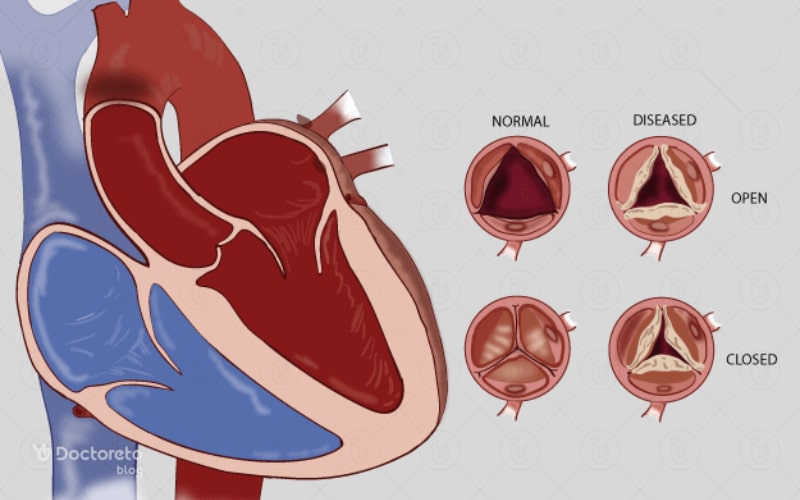
Inflammation caused by rheumatic fever can lead to permanent damage to heart valves. Heart valves allow blood to flow in the right direction in the heart. Damaged valves reduce the amount of blood that can move through the heart. They may also allow some blood to move in the wrong direction. Heart rheumatism can cause temporary and long-term damage. In fact, in general, rheumatism of the heart causes damage to the main valves of the heart, such as the mitral valve or the aorta, and causes them to not work properly and their functioning becomes problematic.
English text: Rheumatic heart disease affects your heart's mitral or aortic valves, making them narrow or leaky. Rheumatic heart disease can make the mitral or aortic valves in your heart unable to work well Text translation: Rheumatic heart disease affects the mitral or aortic valves of the heart and makes them narrow or leaky. Rheumatic heart disease can cause the mitral or aortic valves of the heart to malfunction.
Cardiac rheumatism can damage the heart valves and cause valve defects.
Does cardiac rheumatism cause death?
In general, cardiac rheumatism is a very dangerous and health-threatening disease. This disease is rare in developed countries such as the United States. But it's more common in low-income or developing areas of the world where people don't have widespread access to the antibiotics needed to treat infections. For this reason, contracting this disease can threaten people's lives in these areas. Statistics show that about 300,000 people worldwide die from rheumatic heart disease every year. More than 40 million people in the world are suffering from this disease.
Symptoms of rheumatism of the heart (what are the symptoms of rheumatism of the heart?)
Some people may have symptoms of rheumatism and heart involvement during an acute episode of rheumatic fever. But in most cases, symptoms of rheumatic heart disease may not appear until years after a strep infection or rheumatic fever. People with heart damage may experience:
Rheumatic fever is common in children aged 5 to 15 who have not fully recovered from a strep throat infection. If rheumatic fever targets the heart muscles of the child, there is a possibility that the child's heart will not work properly or it will fail. The main signs and symptoms of rheumatism in children include the following:
Difficulty in breathing
chest pain
Swelling or edema in the legs
Pain and swelling of joints
Hives
Small, hard and round bumps under the skin (nodules)
Irregular or jerky movements
Abdominal pain
nosebleed
Fever
Lightheadedness or dizziness
Severe and unusual fatigue
The cause of cardiac rheumatism
Inflammation of the heart valve caused by rheumatic fever causes rheumatic heart disease. Damage may occur immediately. Or it may develop over time from repeated streptococcal infections. Continued inflammation leads to scarring and narrowing of the heart valve. In addition, some conditions can increase the risk of this disease. People with recurrent untreated strep infections who do not have proper access to antibiotic therapy are more likely to develop the disease.
If not treated, which disease causes rheumatic heart disease?
Not treating streptococcal infections (group A streptococcal sore throats) and not treating scarlet fever are important causes of rheumatic fever, after which a person may also suffer from rheumatism.
Actually, it is not these microbes that cause a person to suffer from rheumatic heart fever. Gram-positive streptococcus bacteria only cause a person to suffer from bacterial sore throat. Failure to fully treat this disease and the occurrence of an immune disorder in the person's own body causes the immune system to attack the tissues and organs of the body and cause inflammation in them instead of attacking the bacteria and destroying them; Therefore, rheumatism cannot be considered an infectious disease, rather this disease is more of a secondary autoimmune disease following a bacterial infection.
Cardiac rheumatism in children can be caused by infection.
diagnosis of rheumatic heart
To diagnose rheumatic heart disease, a healthcare provider evaluates the patient's symptoms and performs a physical exam. They also review the patient's health history, especially any history of fever or previous bacterial infection that has not been fully treated. First, the doctor performs a complete physical examination and listens to the sound of the heart to check its function.
The doctor may use blood tests or imaging tests, such as chest x-rays, to check for inflammation and changes in the heart valves. A chest X-ray is a common imaging test of the heart and aorta. Echocardiogram and electrocardiogram tests are also performed. An echocardiogram is an ultrasound examination that uses sound waves to take moving pictures of the chambers and valves of the heart. An electrocardiogram also measures the heart's electrical activity and can determine whether parts of the heart are enlarged.
rheumatism blood test
The blood test performed to diagnose rheumatic heart disease can check the level of inflammation in the body and the high level of the immune response. ESR and CRP are two important factors that increase when there is inflammation in the heart.
Does cardiac rheumatism have a definitive treatment?
There is no definitive treatment for patients with rheumatic heart disease, and damage to heart valves is often permanent. As a result, most people may be involved with problems and heart failure caused by this disease for years, and even in some cases, these problems cause the death of patients.
The treatment of cardiac rheumatism includes anti-inflammatory drugs and in some cases, heart valve replacement surgery.
Treatment of cardiac rheumatism
As it has been said, treatments cannot completely and definitively treat cardiac rheumatism and this complication usually accompanies patients until the end of their lives. Rheumatism Treatment It varies depending on the severity of the disease and the conditions the person has. Sometimes drug treatment alone can improve conditions for the patient, and in some cases, more aggressive treatments, such as surgery, are needed.
1. Drug treatment of cardiac rheumatism
Primarily, the doctor uses drug therapy to reduce inflammation and manage heart failure or abnormal heartbeat. If the mitral valve is narrowed or atrial fibrillation has occurred, anticoagulants (blood thinners) can reduce the risk of stroke or blood clots.
2. Heart rheumatism operation
In some cases, heart surgery is needed. The first, less invasive step involves a simpler operation to open the narrowed mitral valves. In cases where the severity of the disease is high and the heart valves are severely damaged, the surgeon repairs or replaces the damaged heart valves. If they can't repair the valve, they can replace the damaged valve with an artificial valve.
3. Treatment of cardiac rheumatism in traditional medicine
In traditional medicine, several options are used to treat cardiac rheumatism. One of them is the use of plants that have antioxidant properties. Thyme, willow tree, rosemary, oregano, basil and turmeric are some of the compounds that are recommended for continuous consumption for heart rheumatism.
4. Home and herbal treatment of cardiac rheumatism
To treat rheumatism at home, you can use a series of anti-inflammatory herbal teas such as cinnamon tea, green tea tea and ginger tea. Also, black pepper and garlic are among the compounds that can be useful for rheumatism home treatment.
5. Treatment of cardiac rheumatism in adults
Sometimes adults need surgery. They may also need lifelong treatment with antibiotics, such as intravenous antibiotics.
6. Cardiac rheumatism and exercise
Change of lifestyle is very important for patients with rheumatic heart disease. They should pay more attention to their physical and heart health. People with these conditions must include exercise in their daily schedule, but these exercises include exercises that are suitable for heart patients.
complications of cardiac rheumatism
Rheumatism can affect your heart about 20 or 30 years after an episode of rheumatic fever. If you had frequent episodes or were younger when you had rheumatic fever, you may see the effects of rheumatic heart disease at a younger age.
The first complication of this disease is the narrowing of one or more heart valves, which is also called valve stenosis. This condition allows blood to flow backwards and in the wrong direction. Cardiologists call this condition heart failure. The most complications of this disease are on the mitral and aortic valves of the heart. In addition, cardiac rheumatism can have the following complications:
Infective endocarditis, infection in the heart valves
Pulmonary blood pressure
Some of these conditions can increase the risk of stroke or blood clots.
Rheumatic heart disease is especially dangerous for pregnant people. Pregnancy increases the amount of blood in the body. The heart has to work harder to pump the extra blood. As a result, a person with damaged heart valves may experience serious health problems during pregnancy. The health of the fetus is also at risk.
prevention of cardiac rheumatism
Rheumatic heart disease is preventable. Since rheumatic heart disease is caused by rheumatic fever, an important strategy is to prevent the occurrence of rheumatic fever. Treatment of strep throat with appropriate antibiotics prevents rheumatic fever. Once a patient has been diagnosed with rheumatic fever, it is important to prevent additional streptococcal infections, as this can cause a further episode of rheumatic fever and additional damage to the heart valves.
The strategy to prevent additional streptococcal infection is to treat the patient with antibiotics for a long time. The antibiotic treatment that is most effective in preventing infection is benzathine penicillin G, which is injected every 3-4 weeks for many years.
The difference between cardiac and joint rheumatism
In the table below, you can see the difference between heart and joint rheumatism in terms of symptoms, complications and type of treatment.
Disease
Rheumatic heart
Rheumatic arthritis
Target tissue
Targets heart tissue.
Joints and surrounding tissues Its
symptoms
heart pain and shortness of breath and heart failure
joint pain, swelling and redness of the joints
complications
heart problems
movement problems
treatment
drug treatments to reduce inflammation of the heart, surgery Heart
Occupational therapy, drug treatment with anti-inflammatory drugs, joint surgery
Difference between cardiac and joint rheumatism
Which doctor should we see for cardiac rheumatism?
For more information about cardiac rheumatism, you can make an appointment with the best rheumatology doctor in Iran. Next, you can see a list of the most prominent rheumatology doctors in different cities of Iran.
Rheumatic heart disease starts with a sore throat caused by a bacterium called streptococcus pyogenes, which can be easily passed from person to person like other upper respiratory tract infections. Streptococcal infections are more common in childhood. In some people, repeated streptococcal infections cause the immune system to react against body tissues, including inflammation and scarring of the heart valves. This is what is called rheumatic fever.
Rheumatic heart disease is caused by inflammation and scarring of the heart valves caused by rheumatic fever. For this reason, complete and timely treatment of bacterial infections is very important. Rheumatoid heart is a health-threatening condition and if symptoms are present, the patient should be examined and treated by a rheumatology doctor and cardiologist immediately. اما خدمات غیرحضوری دکترتو شامل مشاوره آنلاین با دکتر روماتولوژی و ویزیت آنلاین دکتر قلب میتوانند سرعت روند درمانی را بیشتر کنند.
دکترتو مراقب سلامتی شماست!
پرسشهای متداول
بله این بیماری میتوانند جان و سلامتی بیماران را تهدید کند.
این بیماری میتواند موجب درد شدید در قفسه سینه شود.
خیر این بیماری واگیردار نیست.
استرپتوکوک پیوژنز عامل عفونت گلو است که در صورت درمان نشدن میتواند موجب بروز روماتیسم قلبی شود.
هر دوی این بیماریها جزو بیماریهای خودایمنی هستند.
فرزانه هستم، 30 ساله و عاشق دنیای سئو و محتوانویسی که با کنجکاوی دنبال آموختن چیزهای جدیدم؛ Regardless of any contract, law and special style. The virtual world and the Internet have provided me with an opportunity to be with the best teams, where I can feel the feeling of getting better and improving my job with all my heart every day without any worries. I am proud to achieve this pure feeling with your good team.