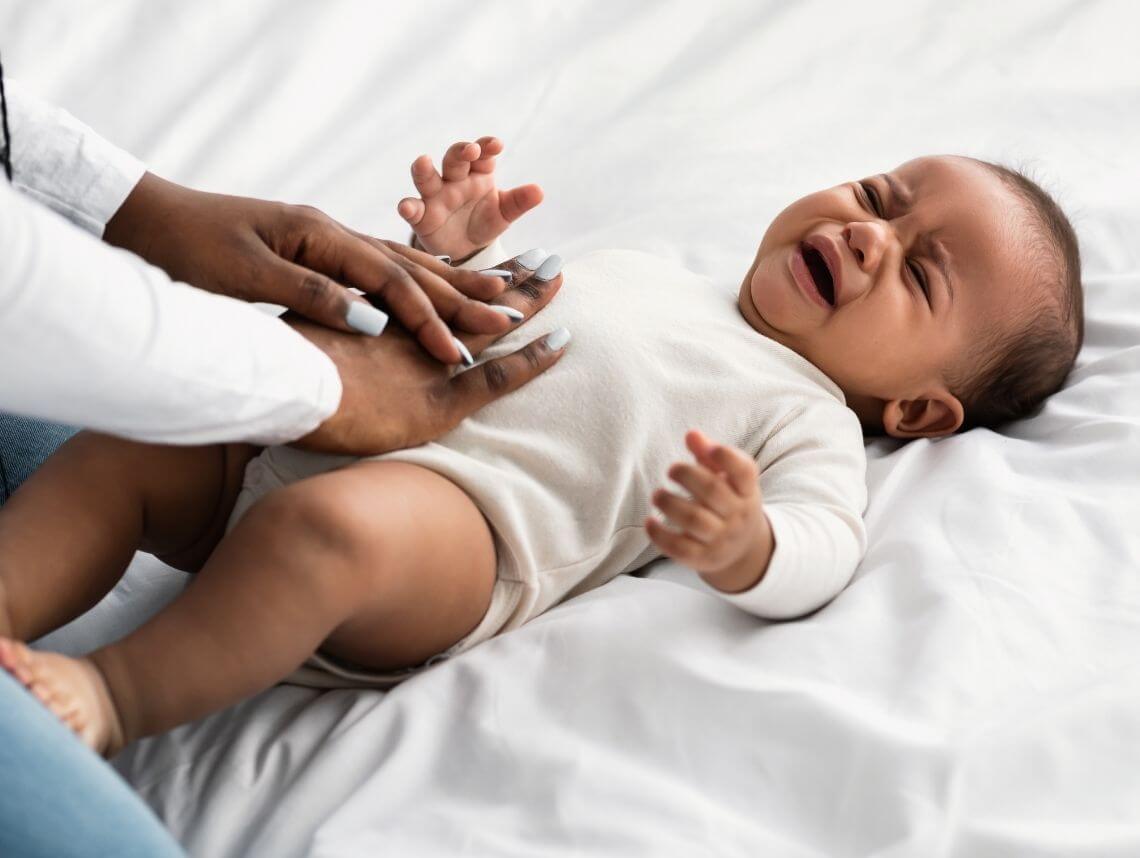


بیماری هیرشپرونگ، یک نقص مادرزادی نادر است که روده بزرگ را تحت تاثیر قرار می دهد. زمانی اتفاق میافتد که سلول های عصبی خاصی به نام سلول های گانگلیونی در بخش خاصی از کولون وجود نداشته باشند. این کمبود سلول های عصبی حرکت طبیعی مدفوع را از طریق روده مختل می کند و منجر به یبوست و سایر عوارض می شود.
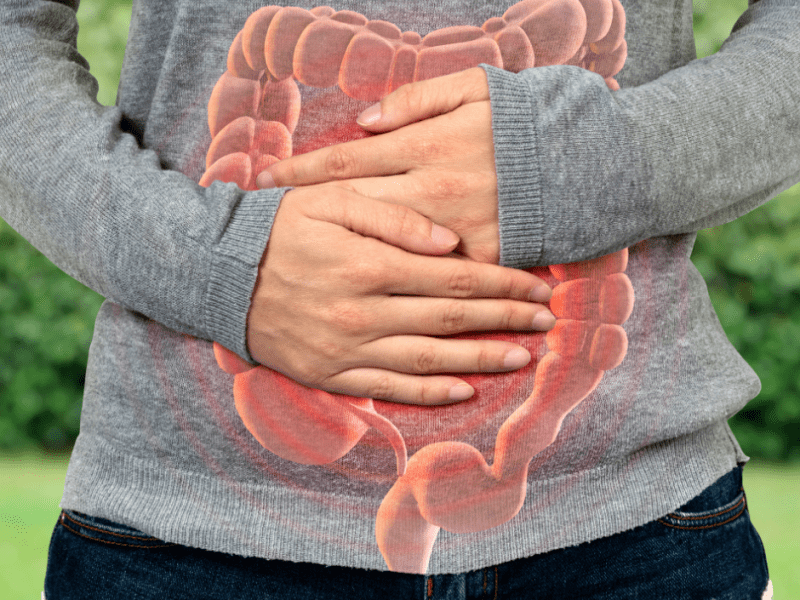
برای درک بیماری هیرشپرونگ، درک عملکرد سالم روده بزرگ بسیار مهم است. روده بزرگ، همچنین به عنوان کولون شناخته می شود، نقش حیاتی در سیستم گوارش دارد. وظیفه اصلی آن جذب آب و الکترولیت ها از مواد غذایی هضم شده و تشکیل مدفوع است. دیوارههای عضلانی روده بزرگ منقبض میشوند و به طور هماهنگ شل میشوند و مدفوع را برای دفع به سمت راست روده پیش میبرند. این حرکت هماهنگ توسط سیستم عصبی، به ویژه توسط سلول های گانگلیونی موجود در لایه های عضلانی روده بزرگ، کنترل می شود.
در افراد مبتلا به بیماری هیرشپرونگ، بخش خاصی از کولون فاقد این سلول های گانگلیونی ضروری است. این فقدان حرکت طبیعی پریستالتیک را مختل می کند و منجر به انسداد یا باریک شدن بخش آسیب دیده می شود. Stool accumulates above the obstruction and causes constipation and other symptoms.
The symptoms of Hirschsprung's disease can be different depending on the severity and location of the affected part. They usually appear in the first few weeks or months of life, but milder cases may not be diagnosed until late childhood or even adulthood.
Newborn babies:
- delay in first stool (meconium)
- abdominal expansion
- vomit
- Growth delay
Babies and older children:
- Chronic constipation
- Straining during defecation
- Abdominal pain and bloating
- diarrhea (contradictory)
- Poor growth
Types of Hirschsprung's disease
Hirschsprung syndrome can be classified based on the location and extent of the affected part:
Short segment Hirschsprung: This is the most common type where the affected area is limited to the rectum and lower sigmoid colon.
Long segment Hirschsprung: In this type, the affected segment extends beyond the colon and involves the descending and sometimes even the transverse colon.
Aganglionosis of the entire colon: This is the rarest and most severe form in which the entire colon lacks ganglion cells.
causes and risk factors
The exact cause of Hirschsprung's disease is not fully understood, but it is believed to be a combination of genetic and environmental factors:
- Genetics: Mutations in certain genes such as RET, EDNRB and EDN3 are associated with an increased risk of Hirschsprung disease. However, these mutations do not always cause disease, and other factors may play a role.
- Environmental factors: Some environmental factors during pregnancy, such as exposure to certain drugs or toxins, may play a role in the development of Hirschsprung's disease, although the evidence for this is not conclusive.
The diagnosis of Hirschsprung's disease includes a combination of the following tests:
Medical history and physical examination: The doctor will ask about the baby's or child's symptoms, feeding habits, and family history. Physical examination may show abdominal distension or a palpable mass in the abdomen.
Rectal manometry: This test measures the pressure and relaxation of the anal sphincter muscles.
Rectal biopsy: A small tissue sample is taken from the rectum and examined under a microscope to confirm the absence of ganglion cells.
X-ray and barium enema: These imaging studies can help visualize the obstruction and assess the extent of the affected area.
Treatment of Hirschsprung's disease
The only definitive treatment for this disease is surgery. The specific surgical method depends on the type and severity of the disease.
Tension surgery: This is the most common procedure for short-segment Hirschsprung's disease. The surgeon removes the damaged part of the colon and connects the healthy colon directly to the rectum, bypassing the obstruction.
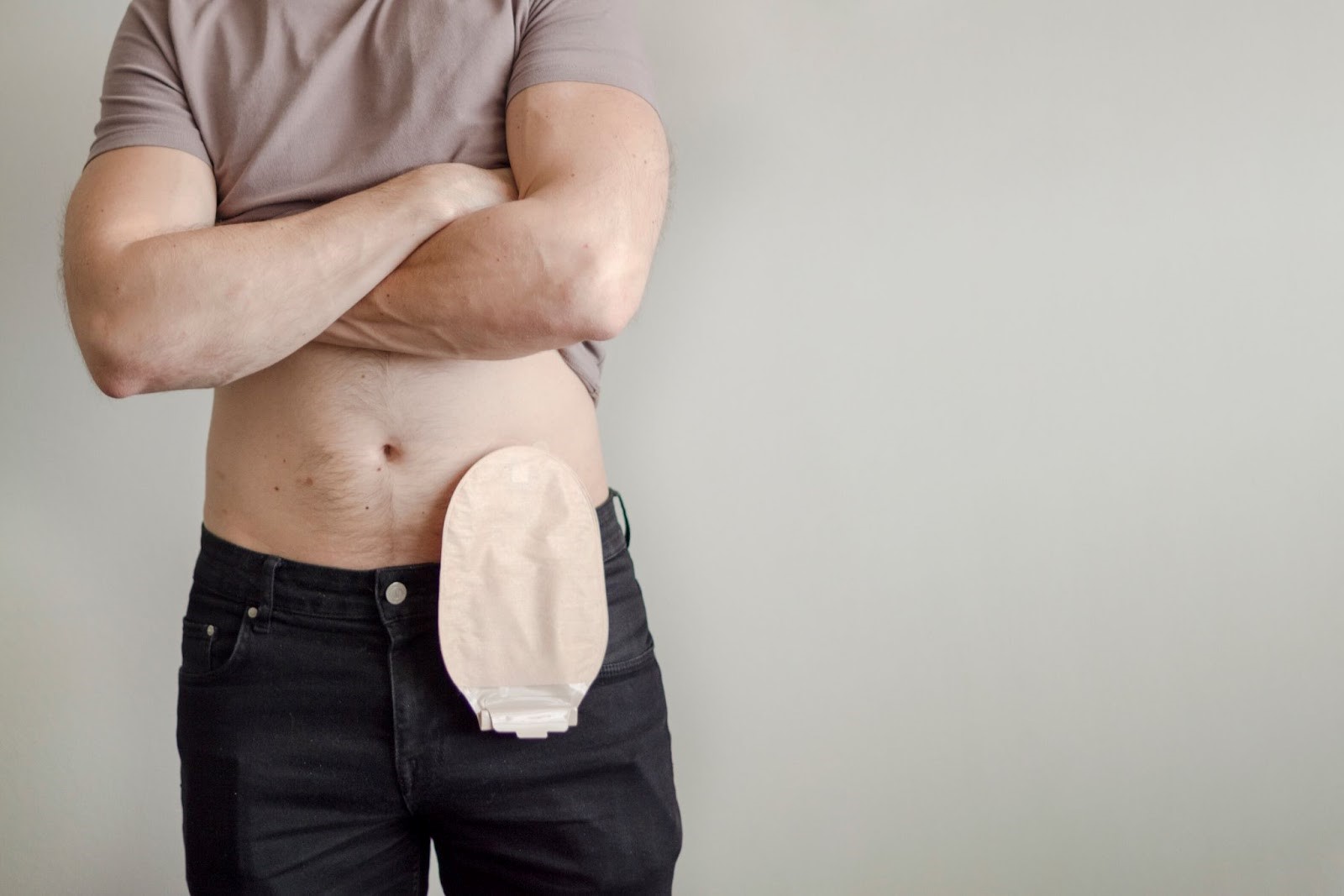
Stepwise approaches: In cases of clonal or long-segment aganglionosis, a multistep approach may be necessary. First, a colostomy may be created to divert the flow of stool, followed by a stretching surgery.
Long-term management:
After surgery, most children with Hirschsprung's disease experience normal bowel function and improved quality of life. However, regular follow-up with a healthcare professional is essential to monitor for any potential complications, such as enterocolitis (inflammation of the intestines).
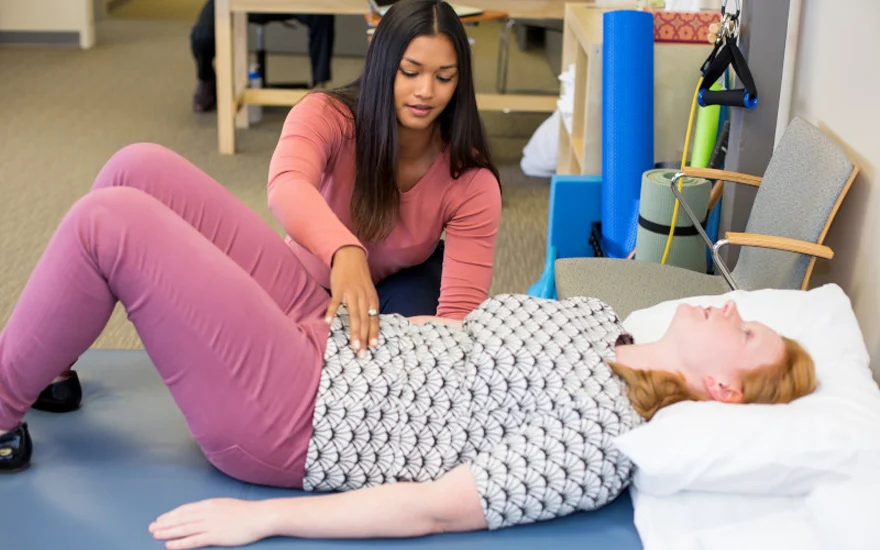
Pelvic floor physiotherapy is also necessary for post-surgical management, which You can benefit from visiting Nagaristan Physiotherapy Clinic.