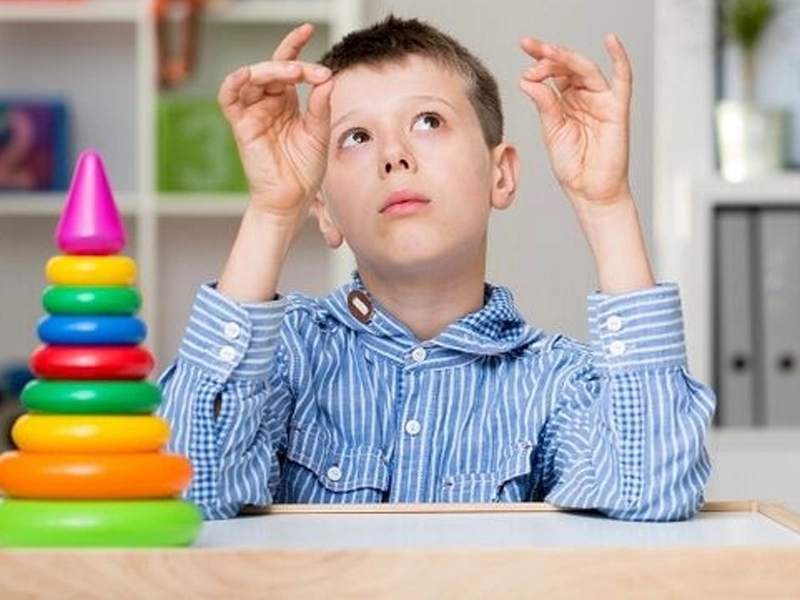


کودکان در طول زندگی خود از بدو تولد رشد کرده و یاد می گیرند، بنابراین رشد کودک فراتر از رشد جسمی است. In fact, child development refers to a child's skill and coordination along with his physical and mental development, and we can understand his developmental evaluation by the way they interact with their environment, including how they play, learn, talk, move, and behave. Although the stages of development in all children are different, some signs in development and skills indicate developmental delay in children. In the rest of this article, we will examine developmental delay in children and the symptoms of this disorder.

What is developmental delay in children?
Before examining developmental delay in children, we must know that motor skills do not develop according to a precise and uniform schedule. For example, some children start walking at 9 months, while others are not yet walking by 15 months. However, both groups are within the normal range of growth and slight differences are not worrying.
But developmental delay is more than a temporary slowness. This term is used when the child is constantly behind in acquiring the skills that his peers have. For example, a child who does not roll over until 4 months may grow a little later, but if he has problems controlling his head or leaning on his hands, he is behind in several skills, and this can be a sign of developmental delay. In such situations, there are various methods to help the child.
Difference between developmental delay in children and developmental disability in children
Sometimes parents get confused between developmental delay and developmental disability, while these two issues have fundamental differences despite their apparent similarity. The following table shows these differences in a simple form:
| Characteristics | Developmental delay | Developmental disability |
| Definition | Temporary lag in acquiring skills compared to peers | Suspension or permanent limitation in growth and Abilities |
| Cause | Short-term factors such as ear infections, prolonged hospitalization, learning or attention problems | Genetic and neurological disorders such as Down, autism, Engleman syndrome, and brain injury |
| Recovery | With early intervention, often returns to normal development. | The child's growth is limited and progress It does not exceed a limit. |
| Effect on learning | Sometimes temporary or mild | It can have a serious and permanent effect on learning and growth |
| Therapist intervention | Frequent assessment and adjustment of the program to compensate skills | Designing a support and rehabilitation program Long term |
Five areas of skill development and their possible delay
Developmental delay can occur in one or more areas, note that overall delay occurs when the child is delayed in at least two of the following areas. The child's skills develop in 5 areas, which are:
1- Cognitive skills (thinking)
This skill makes the child think, learn and solve problems. In babies, the development of this skill will be measured by the level of his curiosity. Like how a child discovers the world around him with his eyes, ears and hands. In toddlers, this skill includes learning to count, name colors, and learn new vocabulary.
2- Social and emotional skills
These skills include the ability to express and control emotions, in infants, smiling at others and vocalizing to communicate are examples of this skill. In toddlers and preschoolers, this skill shows itself by getting help from others, showing and expressing emotions, and getting along with others. Note that all these skills determine whether the child has the ability to communicate with others or not.
3- Speaking and language skills
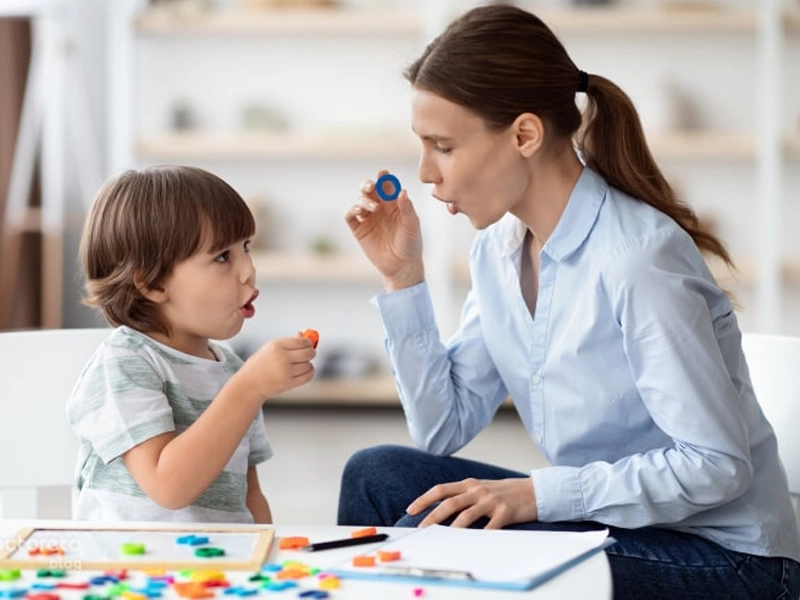
This skill is the ability to use and understand language; This skill in babies shows itself in the form of sounds. In older children, this skill manifests itself in the form of understanding the language and pronouncing words correctly (in a way that is understandable to others).
Read more: Speech disorders in children
4- fine-and-gross motor skills
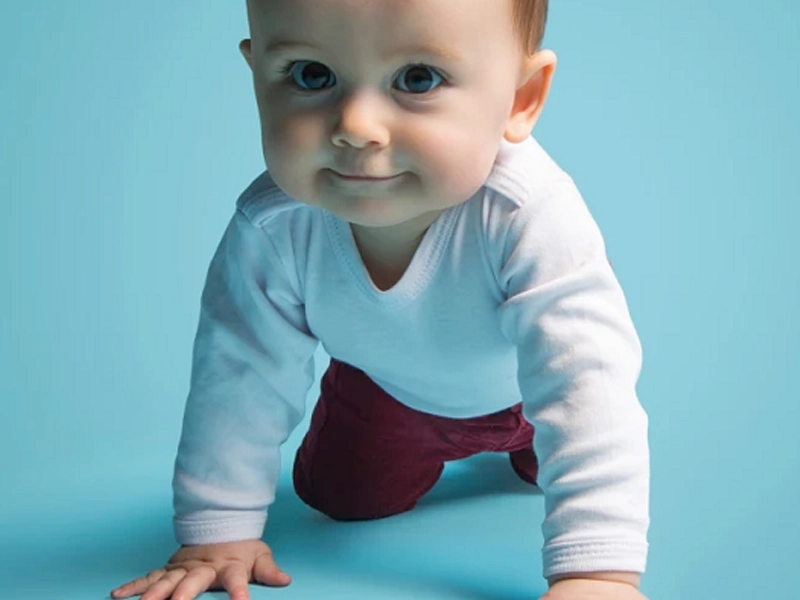
These skills are the ability to use small muscles (fine movements of the fingers) and large muscles (gross and large movements of the hands and feet) of the body. Babies normally use fine motor skills to grasp small objects. Toddlers and preschoolers use fine motor skills to grab tools and tools, work with small objects, and draw, babies show gross motor skills in the form of sitting, rolling, and walking, and older children's gross motor skills include jumping, running, and climbing stairs.
5- Activities of daily life
The ability to do tasks and daily tasks is related to this category of skills, in children these skills include eating, dressing, washing oneself and bathing.

cause of children's growth delay
Various reasons cause growth delay in children. Note that some of these factors are temporary and treatable and can be resolved with early intervention, but some others may be rooted in more serious problems. It is necessary for parents to be aware:
medical problems
Chronic diseases, severe infections or long-term hospitalization disturb the normal development process of the child, these conditions make the child not have enough time to practice and learn motor and cognitive skills. Note that in many cases, by treating the underlying disease and carrying out rehabilitation, the child's growth improves over time.
hearing and vision problems
Defects in hearing or vision greatly affect a child's learning, for example, children who have frequent ear infections are likely to have speech delays in them = of course, note that vision problems hinder motor coordination and understanding of the environment. Therefore, early diagnosis and the use of auxiliary devices can compensate for this problem to a large extent.
Genetic factors and neurological disorders
Some children have developmental delays due to genetic disorders or central nervous system problems, such as Down syndrome or autism. These children need special rehabilitation and educational programs, although their growth does not reach the full level of their peers, but timely intervention improves their quality of life.
environmental factors
Lack of interaction, play and education in the family environment or being in deprived environments can slow down the child's development. Children who do not have enough opportunities to explore the environment, social interaction, or receive education, are usually delayed in speech and motor skills. Note that creating an environment rich in educational and emotional stimuli plays an important role in compensating for this type of delay.
nutritional problems
Lack of nutrients such as protein, iron, iodine or vitamins are one of the main causes of delay in physical and mental growth. Malnutrition in the early years of life can have lasting effects on a child's height, weight, and even cognitive performance. It is necessary to pay attention to a healthy diet and consult a doctor or nutritionist in this regard.

Symptoms of delayed growth in children
Diagnosis of developmental delay in children is usually done by observing behaviors and comparing them with the developmental stages of peers. Parents should be familiar with the common symptoms so that if they are observed, they can investigate and intervene in time.
- Difficulty in controlling the head after a few months
- Inability to roll over until 4 or 5 months
- Delay in sitting without help after 9 months
- Inability to walk on all fours or stand up properly
- Delay in walking compared to peers (after 15 to 18 months)
- Difficulty in grasping objects or hand movement coordination
- Delay in speaking or expressing simple words up to 18 months
- Inability to make eye contact or react to sounds
- Difficulty learning simple social skills such as playing or imitating gestures
Relationship between children's developmental delay and learning and attention problems
In young children, any delay in growth as the first symptom learning disorder and attention of the child is considered. For example, a speech and language delay indicates a learning problem or a communication disorder in a child, although until the child goes to school, it is not always possible to easily find a logical connection between the developmental delay and his attention and learning problems.
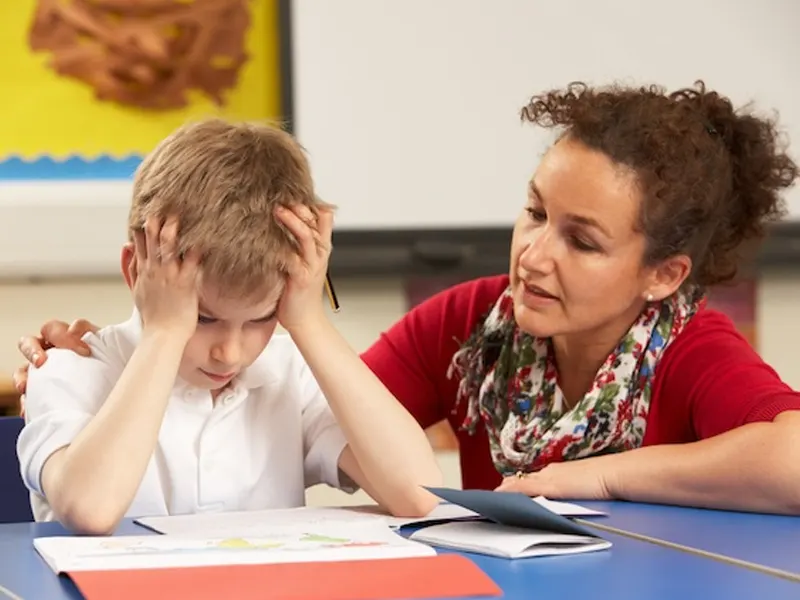
Note that in school, teachers evaluate the child's performance in math, reading and dictation, they can also judge the child's attention and concentration in class. In school, the child's strengths and weaknesses are identified with official tests so that the child's skills can be compared with his classmates. All these things determine whether the child has a learning and attention disorder or not.What is the difference between developmental delay and autism and when should we be worried?
Developmental delay and autism disorder are two different terms that are sometimes used interchangeably. Although both affect the natural process of child development, their nature and consequences are not the same.| Developmental delay | Autism |
| It is called a temporary delay in one or more skills (motor, speech or cognitive), which can often be compensated by early intervention. | It is a persistent neurodevelopmental disorder that mostly affects the child's communication skills, social interaction and behavioral patterns. In addition to developmental delay, these children also have special symptoms such as repetitive movements, high sensitivity to sound or touch, and difficulty making eye contact. |
When should we be worried?
If, in addition to developmental delay, a child has symptoms such as not responding to names, avoiding eye contact, not being interested in social interaction, or making unusual repetitive movements, they should be evaluated by a pediatrician or occupational therapist as soon as possible. Also, if the developmental delay does not improve after initial interventions or is observed in several areas at the same time, there is a need for more detailed investigation.
To receive a turn from The best occupational therapy center in Ahvaz with the number 09918292254 and 09389414395
Steps after diagnosis of developmental delay in children
According to the child's conditions, he may refer your child to one or more specialists, which include:
- occupational therapist
- Audiologist
- Speech therapist
- Paediatric Development Specialist
- Neurologist
- providing early intervention services
FAQ
Yes, malnutrition, lack of environmental stimulation or lack of sufficient social interaction slows down a child's growth. Also, creating a rich environment and emotional support play an important role in It is preventable.
No, many children within the normal range of development acquire skills earlier or later than others, a serious time concern. It is possible that the child is retarded in several different areas.
Finally…
Knowing that your child has a developmental delay can be worrying, but the good news is that some treatments can help your child function better and even fit in with their peers. Finally, if you have concerns about your child's development, be sure to consult with an experienced occupational therapist to evaluate the child and begin early intervention if needed.