

ضمیر ناخودآگاه چیست؟
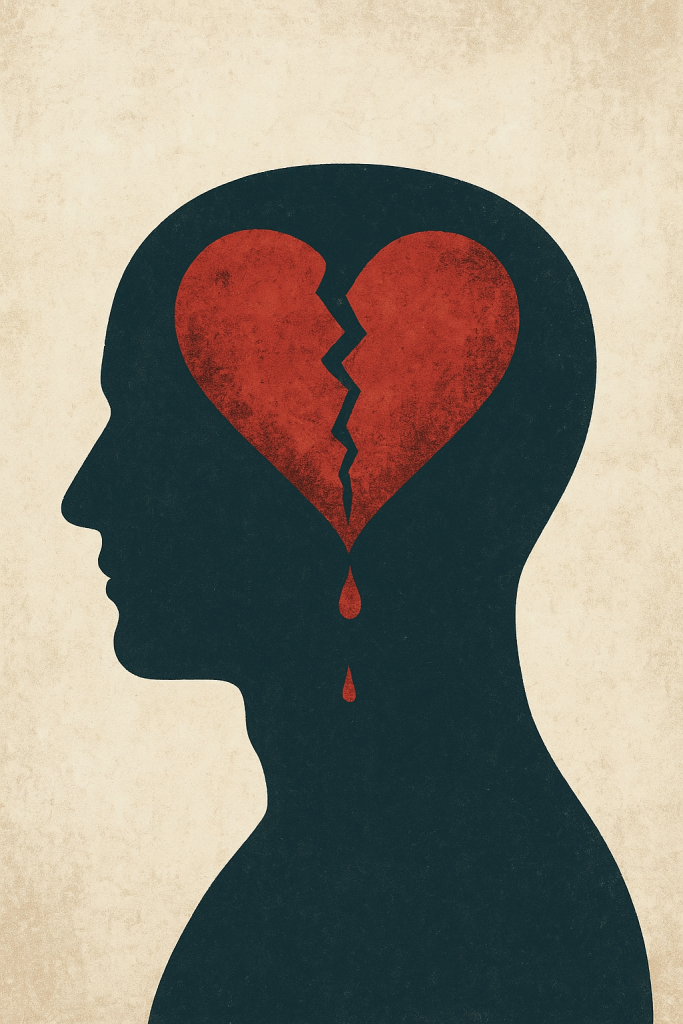
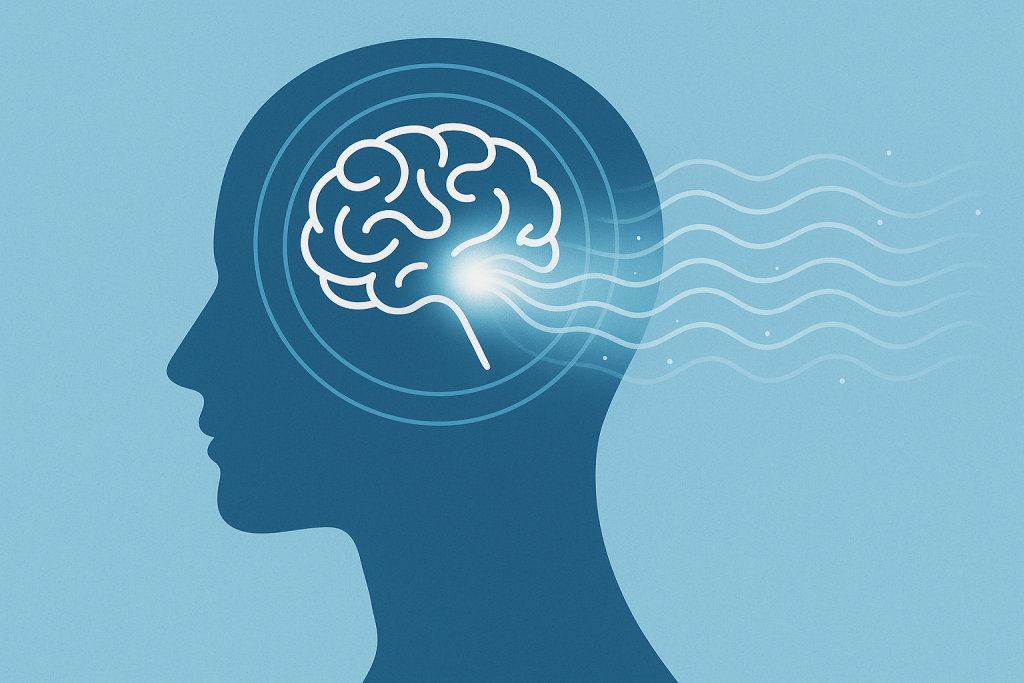
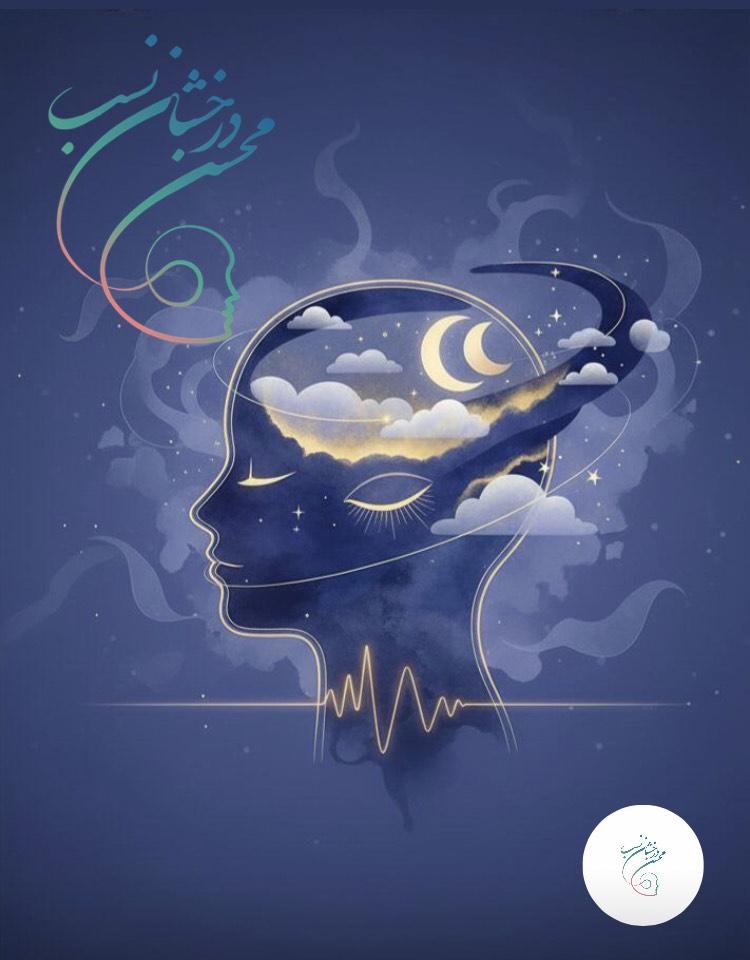
ضمیر ناخودآگاه چیست؟ This hidden part of the human mind includes thoughts, memories and behaviors that operate outside of our awareness and is one of the most fascinating and mysterious concepts that has been proposed in psychology. Our mind is not the only part that we are consciously aware of; A large part of our thoughts, feelings, decisions and even perceptions operate on a hidden and invisible level; The part that psychologists call the unconscious (Freud, 1915). The unconscious mind is like a hidden engine that drives many of our behaviors and affects our choices, relationships, emotions and quality of life without realizing it. In this article, we will have a scientific and comprehensive look at the hidden world of the mind.

Definition of the unconscious
At its simplest, the unconscious is the collection of "thoughts, memories, feelings, and patterns of behavior" that are outside of our awareness, but still shape our behavior and decisions. Today, neuroscience and cognitive psychology research shows that a large part of human mental processing is done unconsciously (Kihlstrom, 1987).
Different views about what the subconscious mind is?
1. Freud: Unconscious as the center of repressed desires
Sigmund Freud was the first to introduce the concept of the unconscious to the world of psychology. From his point of view, the unconscious place:- Suppressed desires
- Painful memories
- Childhood conflicts
- The dark but effective part of the character
is (Freud, 1900). Freud believed that human behavior, even language slips, daydreams and unreasonable everyday choices, are influenced by the unconscious.

2. Jung: individual unconscious + collective unconscious
Carl Gustav Jung divided the unconscious into two parts:
- Individual unconscious → similar to Freud's opinion
- Collective unconscious → set of archetypal patterns shared by all humans (Jung, 1968)
Jung believed that there are forces in the unconscious that guide humans towards meaning, growth and "psychic wholeness".
3. Cognitive psychology: the unconscious as a fast processor of information
With the advancement of cognitive science, the concept of unconsciousness was defined in a new format.
In this unconscious view:
- It is a fast and automatic information processing system
- acts without conscious effort
- Habits are based on quick decisions and emotional reactions
This is what Kahneman calls "System One" (Kahneman, 2011).
Example: When driving, many behaviors are done without conscious thought.
6. Humanistic psychology: the unconscious as a capacity for growth
William James, Maslow and Rogers believed that the unconscious is not only dark; Rather:- source of creativity
- Inspiration
- Intuition
- motivation for growth
is also (Maslow, 1962).
7. New theories: The unconscious predicts
In the new models of cognitive science, the human mind has a "predictive system":
The brain is constantly trying to predict the future and react accordingly. These adjustments are made through neural networks that often operate "out of awareness" (Clark, 2013).
Read more:Article The relationship between anxiety and deep breathing: saving the mind and body With the power of conscious breathing
Unconscious Functions: A Scientific and Comprehensive View
The unconscious mind is the hidden and fundamental part of our mind that directs many psychological, emotional and behavioral processes without the intervention of consciousness. Researches in neuroscience, analytical psychology, psychotherapy and cognitive science show that the unconscious is not only a theoretical concept, but a real and active mechanism in the brain that constantly affects human life (Kihlstrom, 1987).
In the following, we examine the most important proven functions of the unconscious.
1. Regulation of emotions (Emotional Regulation)
A major part of human emotional processes is formed at a level outside of consciousness.
The limbic brain—especially the amygdala—processes emotional stimuli before a person can consciously react (LeDoux, 2012).
This causes:
- Fear, anger, love, attachment and anxiety are "automatically and unconsciously" activated
- Emotional reactions occur "before cognitive awareness"
- Man sometimes shows reactions for which he does not know the reason
Example:
When you hear a sudden sound and jump, this reaction occurs before a conscious decision.
Studies show that even past traumas can appear in the form of "unconscious emotional responses" (Van der Kolk, 2014).
2. Habit Control
Habits are one of the most important unconscious structures.
Any behavior that is repeated many times, leaves the level of awareness and becomes an "automatic brain routine". This process is stored in the basal ganglia (Graybiel, 2008).
This means:
- Driving without thinking
- Type without paying attention
- Smoking when stressed
- repetitive reactions in relationships
- Eating when anxious
All are placed in the field of "habitual unconscious".
These habits can be changed, but they require "awareness + repetition + different reinforcement".
Read more:Article Freeing from the lock of fear Brain: Is our brain scared and living in fear?
3. Rapid & Intuitive Decision-Making
Studies have shown that more than 95% of decisions in the brain are made "automatically, quickly and unconsciously" (Kahneman, 2011).
This is what Kahneman calls "System One".
Features of this system:
- Fast
- Exciting
- no analysis
- Depends on experience
- Based on previous patterns
This system is essential for survival and in situations like:
- Quick selection
- Intuitive guess
- Face recognition
- Emergency response
- Social decisions
Activates.
Scientific example:
The brain can determine the choice pattern before we consciously know what we want (Soon et al., 2008).
Read more:Article Shadow of oppression Education
4. Storage of repressed memories and processing of painful experiences (Repressed & Implicit Emotional Memory)
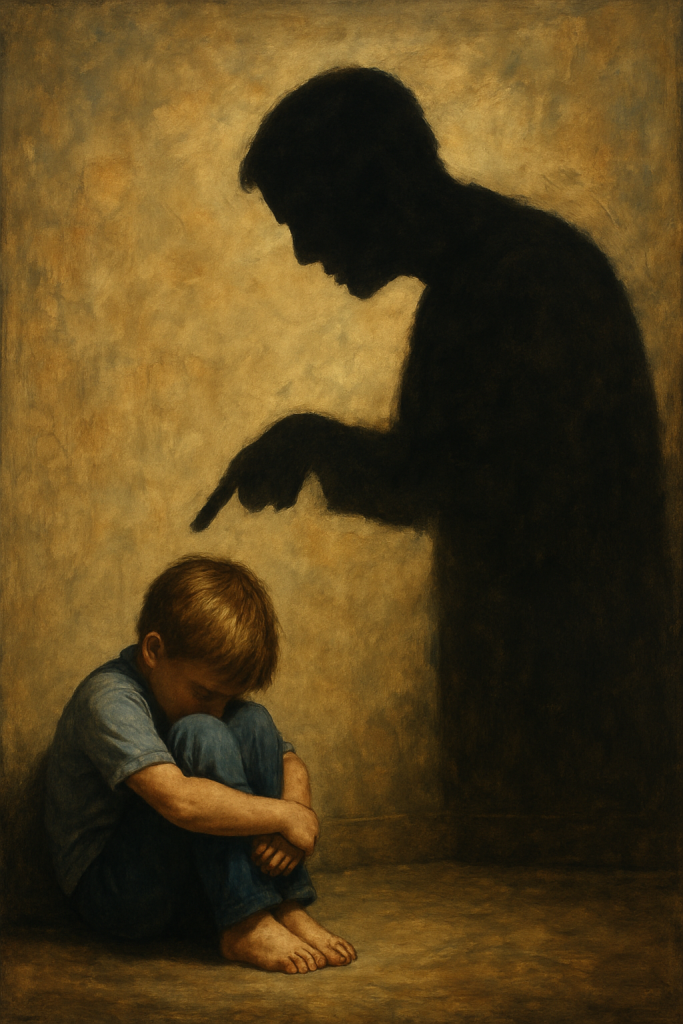
From the point of view of psychoanalysis, part of the painful experiences or childhood conflicts are suppressed in the unconscious and later in the form of:
- Anxiety
- Depression
- Defensive reactions
- relational patterns
- Dreams
appear (Freud, 1915).
In neuroscience, the concept of "implicit memory" shows that the brain stores emotional memories without the person's awareness (Schacter, 1996).
These memories are not easily reread, but they affect behavior and through treatments such as:
- Hypnotic therapy
- EMDR
- Psychological analysis Narrative therapy
They are accessible and repairable.
5. Creativity & Inspiration
The unconscious is not only the dark part of the mind, but also one of the main sources of creativity, intuition and artistic inspiration.
Jung believed that creativity originates from "archetypes of the collective unconscious" (Jung, 1968).
Cognitive science also shows that:
- Lots of creative communication
- Solve complex problems
- sudden ideas
- Artistic inspiration
occur when a person is "not consciously trying" (Kounios & Beeman, 2014).
Famous example:
Kekule's discovery of the structure of benzene in a dream—a classic example of unconscious ideation.
Why this phenomenon occurs:
When the conscious mind is relaxed, the semi-hidden networks of the brain (Default Mode Network) are activated and create new patterns and innovative combinations.
How to work with the subconscious? Methods, techniques
The unconscious mind is an active set of behavioral, emotional, and cognitive patterns that operate outside of awareness but deeply shape our lives. Contemporary psychology shows that if we access this part of the mind in the right way, we can:
- Change habits
- reduce anxiety
- understand the root of internal conflicts
- achieve improved mental performance
In the following, we examine seven effective and scientific methods for working with the unconscious.

Read more:Article What is hypnosis and how does it work? Does it?
1. Hypnotherapy
Hypnotherapy is one of the most well-known methods of accessing the unconscious. In the state of hypnosis:
- The conscious mind becomes calm
- Concentration increases
- Mental resistances are reduced
- The unconscious is open to change
Mechanism of effect:
In hypnosis, a person enters a state of "focused attention" and high "suggestibility", and this state allows access to deep mental patterns (Lynn & Green, 2011).
Techniques:
- Sedation induction
- Reconstructing negative beliefs
- Hypnotic regression
- Strengthening positive habits
- Working with emotional memories stored at the unconscious level
2. Meditation and Mindfulness (Mindfulness & Meditation)
Meditation reduces the activity of the default brain network (DMN) and allows non-judgmental observation of thoughts and feelings (Hölzel et al., 2011).
This mode allows one to:
- Be aware of unconscious patterns
- inhibit automatic emotional reactions
- Create a healthy distance from disturbing thoughts
Techniques:
- breathing meditation
- body scan
- Observe thoughts without judgment
- Practice being present in the moment
Read more: Article
Psychoanalysis is one of the oldest methods for working with the unconscious and is based on concepts such as: Relies on (Freud, 1915). Techniques: Read more: Article The role of hypnosis in the treatment of psychological injuries and psychological crises Although CBT is a conscious therapy, part of it works on “self-conceptions” and “hidden schemas”—that is, unconscious cognitive structures (Beck, 2011). CBT helps: Techniques: Mental imagery activates deep emotional and memory networks and can rewrite unconscious patterns (Holmes & Mathews, 2010). Applications: Techniques: This method works based on the principles of cognitive science: "Repetition + excitement + concentration = consolidation in the unconscious". Mind programming is used in many therapies and approaches to personal development (Bargh & Chartrand, 1999). Techniques: The unconscious mind is a huge and influential part of the human mind. From Freud to contemporary neuroscience, all perspectives agree that a large part of human behavior and experience occurs outside of consciousness. Knowing and working with the unconscious can help humans: Read more:Article Hypnoanalysis is an advanced technique for identifying problems Unconscious4. Psychoanalysis
5. Cognitive-behavioral therapy (CBT)
6. Mental imagery (Mental Imagery)
7. Mental programming techniques
A few last words
Frequently Asked Questions
Because about 95% of behaviors, emotional reactions and decisions originate from unconscious patterns. The unconscious has much more processing power than the conscious mind.
- How is the unconscious pronoun formed?
Based on childhood experiences, early relationships with parents, environment, conditioning, emotional trauma, culture, social beliefs and repetitive experiences.
- Is it possible to change the content of the unconscious?
Yes. Methods such as hypnosis, hypnoanalysis, EFT, schema therapy, EMDR, NLP, and mental repetitions can correct unconscious root beliefs.
- What are the signs that unconscious unhealthy patterns are active?
Repetition of wrong relationships, unreasonable fears, anxiety, passivity, self-destruction, procrastination, feelings of worthlessness, extreme emotional reactions, and chronic life problems.
- Does the subconscious always act negatively?
No. The unconscious is the source of creativity, intuition, emotional healing, deep motivations, and even extraordinary mental abilities. The problem arises when wrong beliefs are registered in it.
- How to communicate with the subconscious?
Through meditation, hypnosis, dream analysis, conscious writing, deep breathing, returning to bodily sensations, and observing recurring patterns in life.
- Is the unconscious constant or does it change?
The unconscious mind is flexible and can be rewritten at any age and at any stage of life. The human brain has the property of neuroplasticity.
- What are the benefits of treating the subconscious mind?
Increased relaxation, better decisions, self-confidence, healthier relationships, freedom from fears, stronger performance, more mental energy and a sense of psychological integrity.
Read more:Article Clinical consultation | Evaluation, diagnosis and specialized treatment
Treatment of the unconscious mind with hypnosis
If you feel that hidden patterns, fears, limiting beliefs or deep inner conflicts are directing the course of your life without you even knowing it, it's time to get to the root. Clinical hypnosis is one of the most practical and effective methods for safe and guided access to the unconscious and rewriting mental patterns. At Mohsen Derakhshan Nesab Psychological Counseling and Services Center in Shahryar and Tehran, hypnosis therapy is performed based on the deep techniques of "Subconscious Reprogramming".
If you are ready to:
- Free yourself from repeating traumatic patterns
- Heal deep-rooted fears and conflicts
- Rewrite limiting beliefs
- Achieve inner peace and psychological integrity
- and transform your life from the subconscious level
You can take the first step right now and contact the office.

One small decision today can change the course of your life forever.
Unconscious healing is the beginning of inner liberation.
Resources 1:
Bargh, J. A., & Chartrand, T. L. (1999). The unbearable automaticity of being. American Psychologist, 54 (7), 462–479
Beck, J. S. (2011). Cognitive behavior therapy: Basics and beyond (2nd ed.). Guilford Press
Clark, A. (2013). Whatever next? Predictive brains, situated agents, and the future of cognitive science. Behavioral and Brain Sciences, 36 (3), 181–204
Freud, S. (1900). The interpretation of dreams. Basic Books
Freud, S. (1915). The unconscious. Standard Edition, 14, 159–215
Gazzaniga, M. (2018). The consciousness instinct: Unraveling the mystery of how the brain makes the mind. Farrar, Straus and Giroux
Graybiel, A. M. (2008). Habits, rituals, and the evaluative brain. Annual Review of Neuroscience, 31, 359–387
Hölzel, B. K., Lazar, S. W., et al. (2011). How does mindfulness meditation work? Proposing mechanisms of action. Perspectives on Psychological Science, 6 (6), 537–559
منابع 2:
Holmes, E. A., & Mathews, A. (2010). Mental imagery in emotion and emotional disorders. Clinical Psychology Review, 30 (3), 349–361
Jung, C. G. (1968). The archetypes and the collective unconscious. Princeton University Press
Kahneman, D. (2011). Thinking, fast and slow. Farrar, Straus and Giroux
Kihlstrom, J. F. (1987). The cognitive unconscious. Science, 237 (4821), 1445–1452
Kounios, J., & Beeman, M. (2014). The cognitive neuroscience of insight. Annual Review of Psychology, 65, 71–99
LeDoux, J. (2012). Anxious: Using the brain to understand and treat fear and anxiety. Viking
Lynn, S. J., & Green, J. P. (2011). The sociocognitive and dissociation theories of hypnosis: Toward a rapprochement. American Journal of Clinical Hypnosis, 53 (4), 277–293
Maslow, A. (1962). Toward a psychology of being. Van Nostrand
Pennebaker, J. W. (2018). Expressive writing: Words that heal. Idyll Arbor
Schacter, D. L. (1996). Searching for memory: The brain, the mind, and the past. Basic Books
Soon, C. S., Brass, M., Heinze, H. J., & Haynes, J. D. (2008). Unconscious determinants of free decisions in the human brain. Nature Neuroscience, 11 (5), 543–545
Van der Kolk, B. (2014). The body keeps the score. Viking
نویسنده مقاله محسن درخشان نسب; روانشناس بالینی، پژوهشگر، هیپنوتراپیست، نویسنده و رواندرمانگر در شهریار و تهران.
© 1404 مطب روانشناسی محسن درخشان نسب | همه حقوق محفوظ است.
در صورت داشتن هرگونه ابهام و یا سوالی درباره مقاله ” ضمیر ناخودآگاه چیست؟ ”، لطفا در انتهای همین صفحه ( بخش دیدگاه ) سوال و یا ابهامتان را مطرح نمایید. They will respond to you as soon as possible.