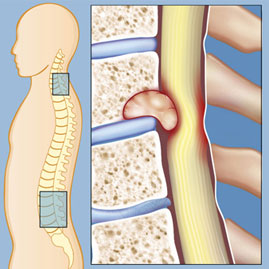


جراحی تومور نخاعی زمانی مطرح میشود که یک توده در مسیر نخاع شروع به ایجاد درد، بیحسی یا ضعف میکند؛ Right where all motion commands go through. This makes many people worry when they hear the name of this surgery. But the fact is that this surgery, in many cases, can take the pressure off the spinal cord and allow the body to function as before. In the following, we explain exactly what spinal tumor surgery is, why it is performed, and what makes it so important; So stay with us until the end of the article to learn more about spinal tumor surgery.
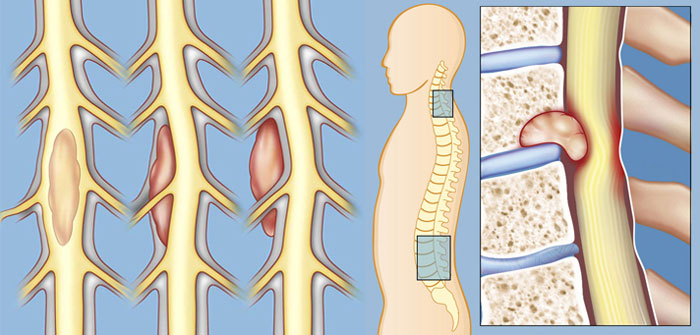
What is spinal cord tumor surgery?
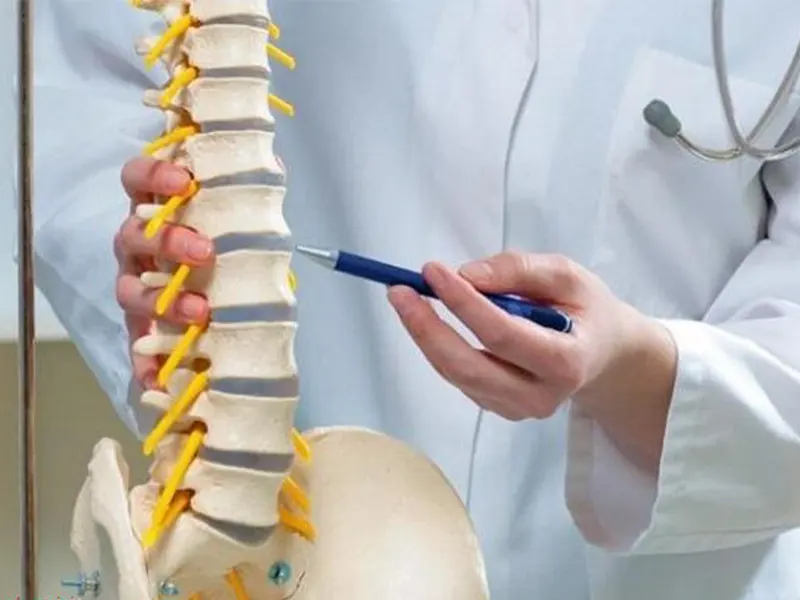
Spinal tumor surgery is a specialized procedure to remove masses that have grown inside the spinal cord, around it, or in the spinal canal and cause pressure on the nerves. This pressure can lead to pain, tingling, muscle weakness or even motor and sensory problems. The aim of this surgery is to completely remove or as much of the tumor as possible and free the spinal cord and nerve roots to restore their normal function.
In many cases, surgery is the best way to stop the progression of symptoms and prevent permanent nerve damage. Depending on the location of the tumor, its size and the type of tissue, different methods such as microsurgery, minimally invasive surgery or laminectomy are used. This surgery is performed by spine and neurosurgeon specialists to provide maximum accuracy and safety for the patient.

What are the benefits of spinal cord tumor surgery?
Spinal tumor surgery can prevent permanent damage and prevent the progression of symptoms by removing pressure from the spinal cord and nerves. Many patients experience reduced pain and improved mobility after surgery. Also, by removing the tumor, a detailed examination and diagnosis of its type will be possible, and the course of subsequent treatments will be more clear.
- Decreasing the pressure on the spinal cord and nerves
- Prevention of permanent nerve damage
- Improving muscle strength and walking ability
- reducing severe and chronic spine pain
- increasing the patient's independence and quality of life
- Possibility of accurately diagnosing the type of tumor after removal
- Prevention of further growth or spread of the tumor
For specialized spinal tumor surgery consultation and appointment booking, fill out the contact form so that we can contact you as soon as possible.
Which tumors need surgery?
Tumors that press on the spinal cord or nerve roots and cause pain, weakness, numbness, or movement problems require surgery. Also, masses that are growing or have the possibility of permanent nerve damage, it is better to remove them as soon as possible. In many cases, the goal of surgery is to prevent the progression of symptoms and preserve the normal function of the spinal cord. Tumors that require surgery include:- Intraspinal tumors such as ependymoma and astrocytoma, which directly pressurize the spinal cord tissue when enlarged.
- Tumors inside and outside the spinal cord, such as meningioma and schwannoma, which narrow the space of the spinal cord.
- Extradural tumors, especially masses caused by metastasis, which cause severe pain and pressure on the spinal cord.
- Tumors that grow quickly and are likely to cause neurological disorders.
- Tumors that have not responded to non-surgical treatments and continue to cause bothersome symptoms.
- Tumors that cause urinary or fecal incontinence and indicate serious pressure on the spinal cord.
- masses that have dangerous signs on imaging, such as severe pressure on the spinal cord or deformation of the vertebrae.
Spinal cord tumor surgery methods
Before considering spinal tumor surgical methods, it is better to know that choosing the right method depends on the size, location and type of tumor. Each method has its own advantages and limitations and is chosen by the surgeon according to the patient's condition.
Open surgery
Open surgery is the oldest and most common method for removing spinal cord tumors and is used for large or complex tumors. In this method, an incision is made on the skin and muscles of the spine so that the surgeon can directly access the spinal cord and the tumor. This direct view allows complete removal of the tumor and better control of bleeding. Open surgery is more suitable for tumors located in sensitive areas or complex surrounding tissues and requires a longer hospital stay and careful follow-up care.
Microsurgery
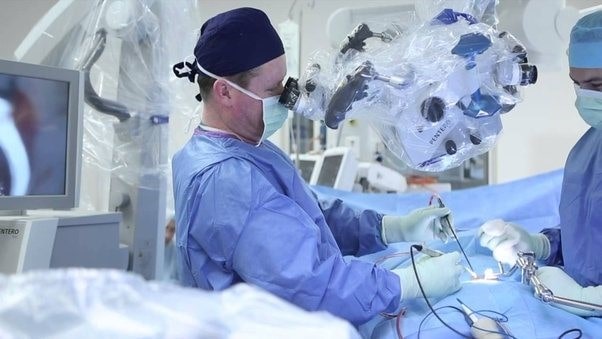
Microsurgery is performed using surgical microscopes so that the surgeon can remove the tumor from the spinal cord and nerve roots with high precision.
This method is especially suitable for small or sensitive tumors that are close to vital tissues and minimizes the possibility of nerve damage. Microsurgery reduces post-operative pain and improves the patient's motor performance faster and is performed in specialized spine centers.
Laminectomy
Laminectomy involves removing a part of the vertebra called the lamina to provide access to the spinal cord tumor. This method allows the surgeon to remove the tumor without direct pressure on the spinal cord and creates enough space for surgery. After removing the lamina, it is sometimes necessary to stabilize the vertebrae with protective techniques so that the spine remains stable and the patient can return to his daily activities.
Minimally invasive surgery
In minimally invasive surgery, very small incisions are made on the skin and the tumor is removed with special tools. The main advantage of this method is the reduction of postoperative pain, less bleeding and faster recovery of the patient. This method is suitable for small or medium tumors that are difficult or risky to access through open surgery, and the patient's hospitalization time is shorter and the risk of infection is lower.
Image-guided or robotic surgery
This method uses precision imaging systems or robots to guide the surgeon during the procedure so that the access path to the tumor is fully controlled. The advantage of this technique is to increase surgical precision and reduce the risk of damage to the spinal cord and nerve roots, especially for complex tumors or in difficult locations. This method requires advanced equipment and high expertise of the surgical team, but it can provide better results for patients with challenging tumors.
For expert advice and appointment for spinal tumor surgery, contact us now and be in touch with a specialist doctor.

Which patients need spinal tumor surgery?
The decision for spinal tumor surgery is made based on the size, location and type of tumor. Surgeons also consider the patient's clinical condition and the presence of neurological symptoms or severe pain. In many cases, surgery is recommended only when non-surgical methods fail to correct the problem. People who need surgery include the following:
- Patients whose tumor has caused pressure on the spinal cord or nerve roots
- People with severe or progressive pain that is not controlled by medication
- Those who have weakness, numbness or disorder in controlling urine and feces
- Patients whose tumor is growing and there is more possibility of damage to the spinal cord
- People whose tumor is malignant and requires complete removal for treatment
- Patients whose symptoms have not improved with non-surgical methods
Necessary preparations before spinal tumor surgery
Before spinal tumor surgery, it is very important to fully prepare the patient. This preparation reduces the risk of complications and increases the success of the operation.
Complete medicine
Before the surgery, the doctor will check your general health status to make sure the operation is safe. This evaluation includes physical examinations, blood tests, MRI or CT scans, and checking blood pressure and heart and lung function.
Anesthesia consultation
Full awareness of the patient's health condition before anesthesia reduces possible risks. The anesthesiologist examines drug sensitivities, medical history, and the condition of the heart and lungs and provides special instructions before the operation.
Control of underlying diseases
Existence of chronic diseases such as diabetes, blood pressure or heart problems can increase the risk of surgery. Therefore, these diseases must be well controlled before surgery to minimize complications after surgery.
Mental preparation
Stress and anxiety can affect the surgical process and postoperative recovery. It is very important to explain the surgical procedure to the patient and family and prepare the patient's mind to cooperate during the operation and the recovery period.
Observance of food and drug orders
Before surgery, it is necessary to follow the instructions of fasting and taking or stopping certain medications. This prevents problems such as vomiting or drug interactions during the operation.
Environmental preparedness and family companionship
Having personal belongings and family support can increase the patient's sense of security and peace. Accompanying a person from the family after the operation also helps to improve the morale and cooperation of the patient in the treatment process.
How is spinal tumor surgery performed?
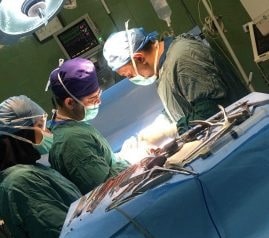
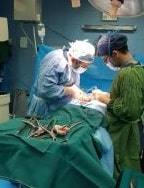
Spinal tumor surgery is performed under general anesthesia, and its goal is to remove all or part of the tumor without damaging the spinal cord and nerve roots. First, the surgeon makes an incision on the skin and tissues around the vertebra to provide sufficient access to the tumor site. Depending on the size and location of the tumor, a part of the vertebra (lamina) may be removed so that the surgeon can see and remove the tumor completely.
During the procedure, precise tools such as a surgical microscope and imaging-guided techniques are used to reduce the chance of damage to healthy spinal cord tissue. After the tumor is removed, the spine is stabilized if needed and the incisions are carefully closed. The surgical procedure takes a few hours and the patient is under special care after the operation to ensure a safe recovery.
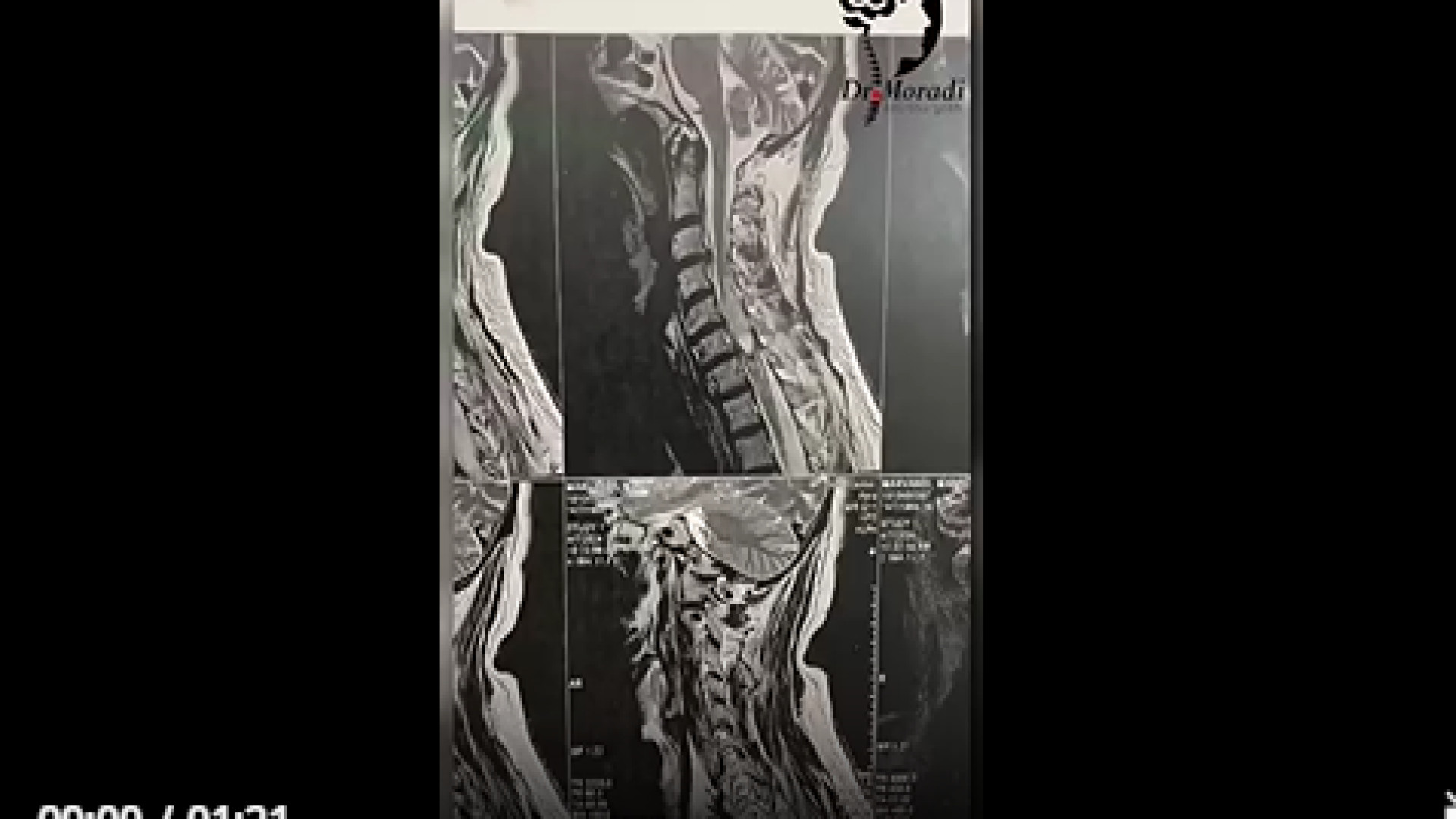
Cervical spinal cord tumor surgery
Non-surgical treatment of spinal cord tumor
The ideal goal in spinal tumor treatment is complete tumor removal, but achieving this goal may be complicated due to the risk of permanent damage to the spinal cord and surrounding nerves. Doctors should also consider the patient's age and general health status. Also, the type of tumor and whether its origin is the spinal structures or the spinal canal, or whether the tumor has spread from another area of the body to the vertebral column, should also be considered in determining the treatment plan.

Non-surgical treatment of spinal cord tumor
Non-surgical treatments for cervical spinal cord tumor include:
radiotherapy
This method can be used to remove remnants of tumors that remain after spinal cord tumor surgery, treat inoperable tumors, or tumors that are too dangerous to operate. Also, radiation therapy may be used as the first step in the treatment of metastatic tumors (cases where the cancer has spread to the spine from other parts of the body). Also, stereotactic radiosurgery
In stereotactic radio wave surgery, doctors use a subsidized beam to focus the radiation on the tumor with high precision and from different angles. In surgery with radio waves for the treatment of spinal tumors, there are different technologies for stereotactic radiation to tumors, such as: gamma cutting machine. This method can only be used to treat tumors of certain sizes and types, but it has been proven to be a very effective method in cases where it is possible to use it. Increasing researches are conducted to use this method to treat vertebral and spinal cord tumors. However, more studies and reviews are needed to determine the best technique, radiation dose and treatment schedule to use this method in the treatment of spinal tumors.chemotherapy