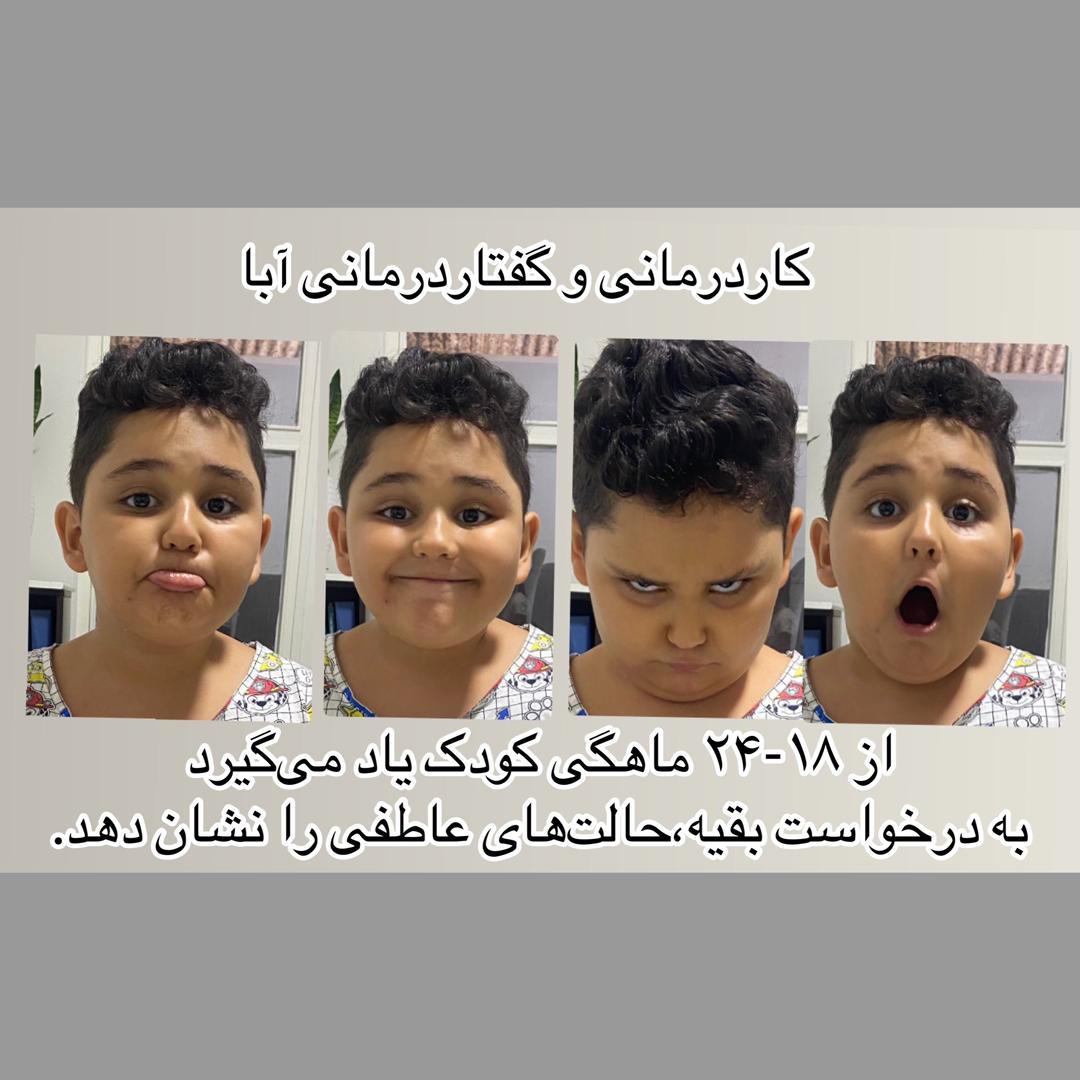
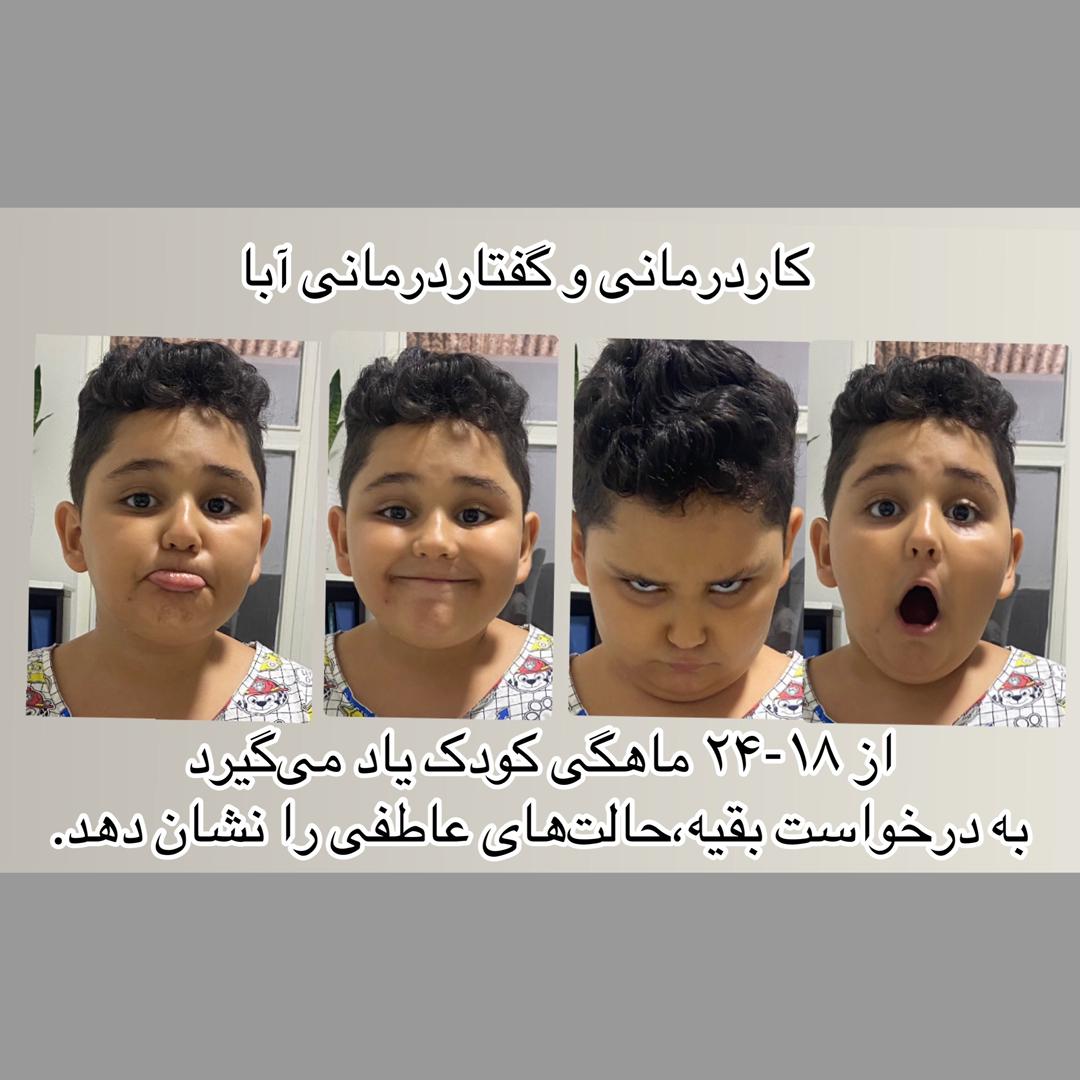
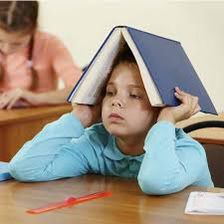
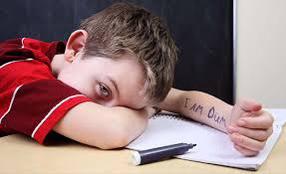
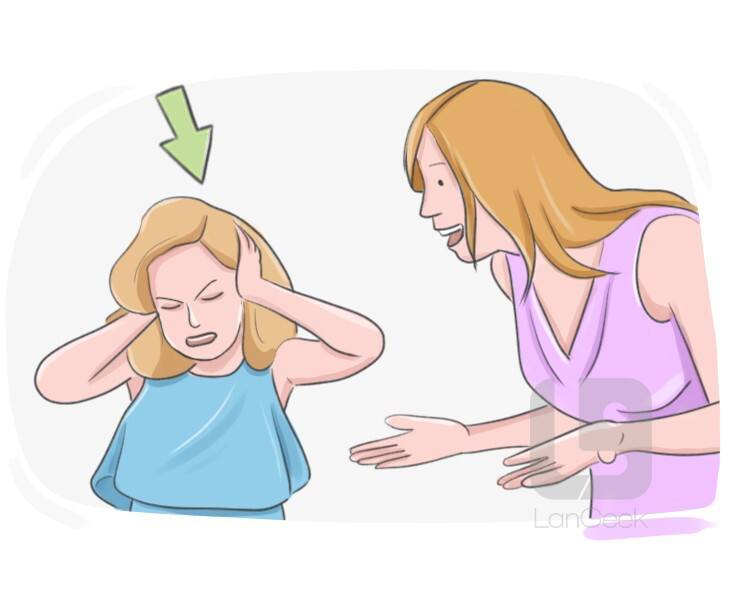
4- Inability to read other people's emotions without a clear reason:
It is important to know that every child can have problems in understanding and using facial expressions in one or more areas. If you or someone around you has similar concerns, it is better to talk to related professionals such as speech therapists, counselors or child development specialists and get the necessary guidance.
What is the benefit of knowing and using emotional states for children?
Knowing and using emotional states is very useful and valuable for children. In the following, I will point out some of the benefits and importance of knowing and using emotional states in children:
The benefits and importance of knowing and using emotional states in children
1- Recognition and interpretation of emotions:
By learning and recognizing emotional states, children are able to recognize their feelings and interpret them correctly. This is important for them because by understanding and believing their feelings, they can communicate well with themselves and others.
2-setting emotions:
Knowledge of emotional states enables children to manage their emotions effectively. With the ability to regulate their emotions, they can better deal with stressful and distressing situations and find effective coping strategies to solve problems.
3-Strengthening relationships:
The ability to recognize and use emotional states enables children to correctly understand the emotional differences of others. By understanding the feelings of others, they can communicate more effectively with their peers, family, and themselves.
4-Strengthening emotional intelligence:
Recognizing and managing emotions helps children strengthen their emotional intelligence. Emotional intelligence includes recognizing and managing one's emotions, social communication skills, self-regulation, and motivation and goal setting. These emotional intelligence skills help children in everyday life and success in school and social communities.
5- Improving behavior and interaction:
By recognizing and using emotional states, children are able to improve their behavior and interaction with others. They can better understand how everyone feels and act accordingly to others' emotional states. This skill is very effective in cooperation, empathy and participation in group programs and activities.
6- Feeling good:
By knowing emotions and using them skillfully, children can generally feel good about themselves and the surrounding environment. They can experience a sense of mental health and achieve a positive and better lifestyle.
Therefore, recognizing and using emotional states has many benefits for children and helps them establish healthy and effective relationships, regulate emotions and progress in life.
What is the order of learning emotional states?
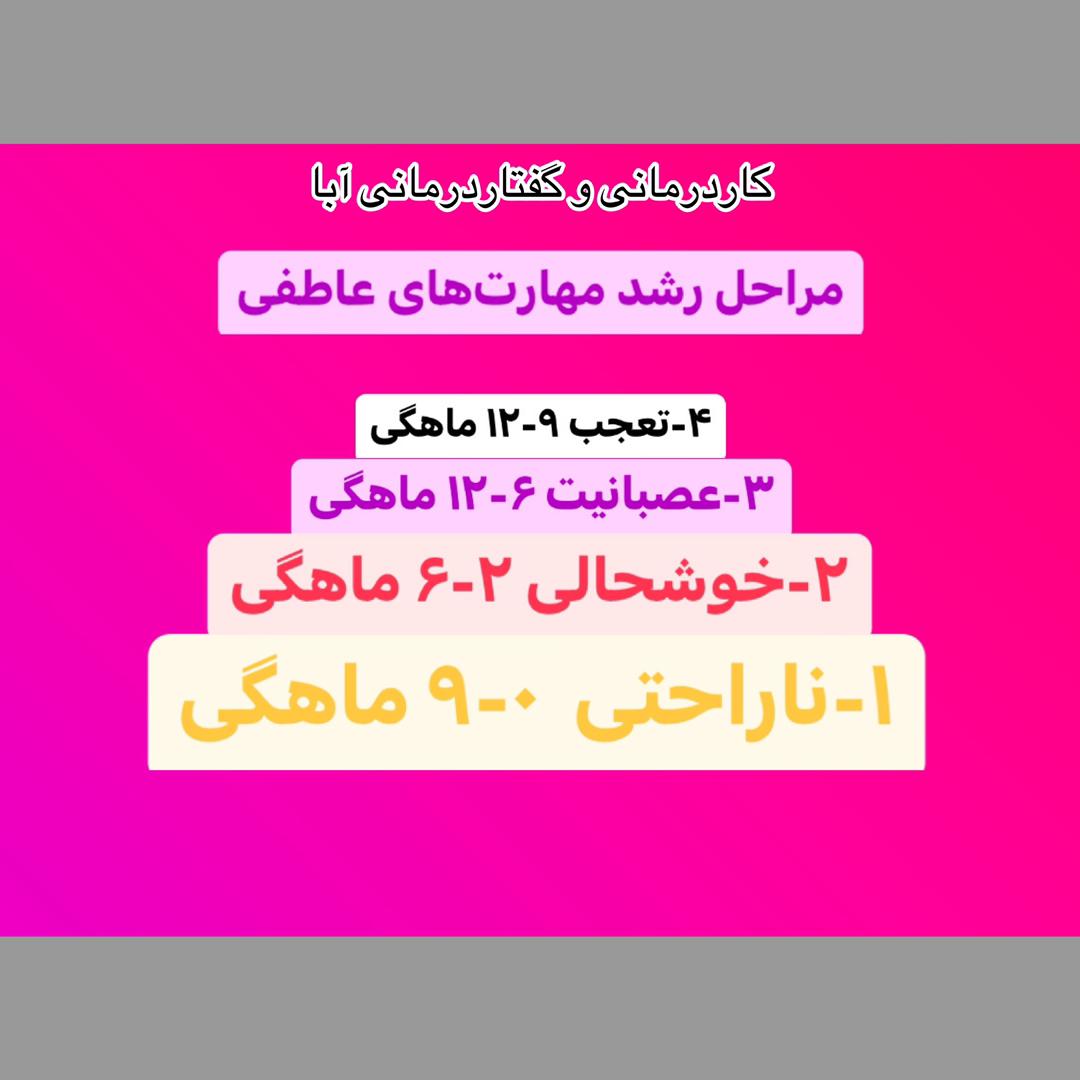
The order of learning facial expressions for children is usually based on the child's cognitive and social development. Below, we examine the general order of learning facial expressions for children:
1- Anger:
About 6 to 12 months, children are able to express anger. At this stage, they may squeeze the face, pull the forehead and produce sounds of anger, rage and hatred.
2- Happiness and joy:
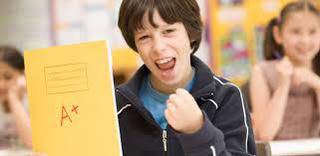
From about 2-6 months to one year old, children can express happiness and joy. They may open their faces, smile and make happy and laughing sounds.
3-discomfort:
Around 9 to 18 months, children can express their discomfort and dissatisfaction. They may have a bowed face, cry and produce sounds of discomfort and displeasure. Of course, don't confuse the expression of displeasure with the basic feeling of need in the child, the child shows his displeasure in the form of crying at birth, but this is different from expressing displeasure and recognizing it.
4- Surprise:

Between 9 and 18 months, children are able to express surprise. They may raise their eyebrows and extend their arms and make sounds of surprise.
Note that the order in which children learn facial expressions may vary, and depending on each child's individual development, the time when they are able to express each expression may vary. Also, the surrounding environment, experience and personal preferences of each child can also affect the development and learning of facial expressions.
If you feel that your child has a problem in recognizing and performing facial expressions and emotional states, you can consult the experts in this field at Aba Clinic. Your children's future is important to us, all my colleagues do their best to get what your child could not get in the natural way.
You can ask us your questions at the end of this article, we will answer you as soon as possible.
Key words: emotional states, emotional states, emotional skills, growth
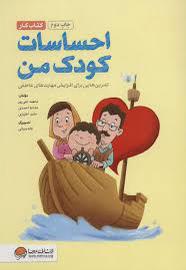
Book introduction
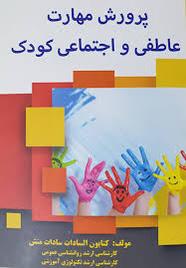
Education of emotional-social skills of the child
Education of emotional and social skills of the child