Brain tumor surgery, various methods and how to perform it
3 weeks ago
637 بازدید
Dr. Mehran Moradi
Tehran
Neurosurgeon, spine, laser disc, brain and skull base endoscope
جراحی تومور مغزی انواع روشها و نحوه انجام آن
۱۴ دقیقه
جراحی تومور مغزی یکی از روشهای اصلی درمان برای برداشتن یا کاهش تودههای غیر طبیعی مغز است که میتواند به کاهش علائم، جلوگیری از پیشرفت بیماری و بهبود عملکرد مغز کمک کند. Performing this surgery depends on factors such as the type of tumor, its location, and the general condition of the patient, and making a decision about it requires careful examination by specialist doctors. If you want to know how brain tumor surgery is performed, which people need it and what points should be observed after the operation, stay with us until the end of the article to learn more about this issue.
Summary
Surgical method
How to perform
Use Main
Craniotomy
Removal of part of the skull bone for direct access to the tumor
Complex or skull base tumors
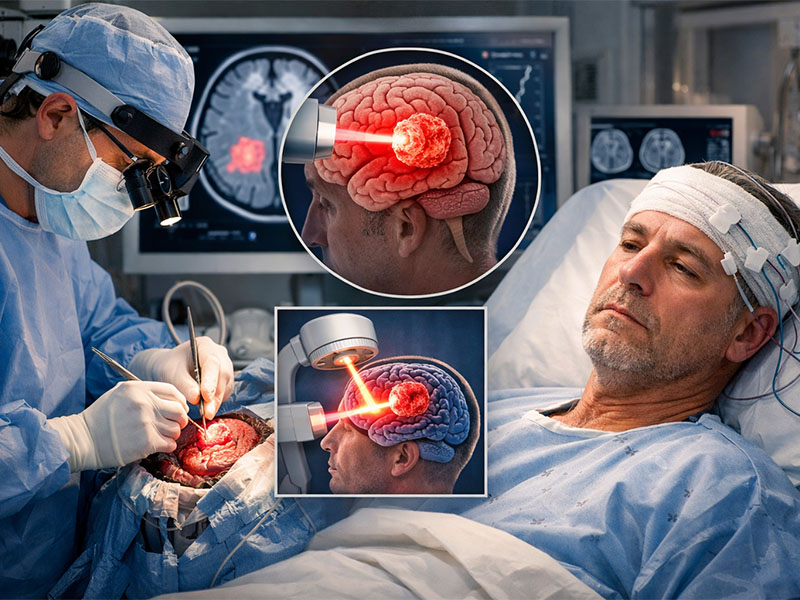
MRI-guided laser ablative
MRI-guided laser tumor ablation
Malignant tumors or Resistant
Neuroendoscopy
Surgery through a small hole in the skull or nose/mouth
Access to difficult parts of the brain
Tubular retractor system
Transplantation of brain tissue with small incision and computer navigation
Deep brain tumors
Surgery Transsphenoidal
from the nasal route without opening the skull
pituitary gland tumors
shunting
creating a path to drain excess fluid
reducing intracranial pressure
What is meant by brain tumor surgery?
Brain tumor surgery is a procedure in which abnormal tissue or a brain tumor is removed to reduce pressure on the brain and preserve nerve function. This surgery is performed when a brain tumor causes symptoms such as headache, nausea, vision problems or muscle weakness, is growing, or requires sampling to accurately diagnose the type of tumor. be The method of surgery varies depending on the size, location of the tumor and the general condition of the patient and can be performed by open (craniotomy) or by minimally invasive techniques guided by imaging.
Why is brain tumor surgery performed?
Brain tumor surgery is one of the important treatment methods for people who are facing symptoms caused by tumor growth. This surgery is performed with the aim of reducing the problems caused by tumor pressure and improving the functioning of the brain.
Reducing pressure on the brain
A brain tumor can put pressure on healthy brain tissues by growing and cause symptoms such as headache, nausea and vision problems. Surgery reduces this pressure by removing the tumor and provides conditions for normal brain function.
stopping or reducing tumor growth
In many cases, the goal of surgery is to stop the growth of the tumor or reduce its size. By removing the accessible part of the tumor, it can be prevented from spreading to other areas of the brain.
Improvement of neurological symptoms
Tumors may cause muscle weakness, slurred speech, or movement problems. By removing or reducing the tumor, many of these symptoms are reduced and the motor and cognitive abilities of the patient are improved.
Precise diagnosis of tumor type
Sometimes sampling is needed to determine the type of tumor and choose the appropriate treatment. Surgery provides the possibility of tissue collection for pathology tests and accurate determination of tumor type.
Preparation for Complementary Treatments
After surgery, the patient may need additional treatments such as radiotherapy or chemotherapy. Reducing the size of the tumor through surgery makes these treatments easier and increases their effectiveness.
If you are looking for expert advice or an appointment for brain tumor surgery, fill out the form below so that our medical team will contact you as soon as possible and provide the necessary guidance.
What methods are the alternatives to brain tumor surgery?
In some patients, according to the type of tumor, its location and the physical condition of the person, methods other than surgery can be used to replace brain tumor surgery. These methods may be used alone or in addition to surgery, and their choice depends on the best brain tumor surgeon expert opinion.
Radiotherapy
In this method, radiation is used to shrink the tumor or prevent its growth. Chemotherapy
Brain tumor surgery has various methods that are chosen according to the type, location and size of the tumor. Each method has its own characteristics and advantages, and its purpose is to reduce pressure, remove the tumor, and maintain the normal function of the brain. In the following, we will learn about the most important brain tumor surgery methods.
1. Craniotomy (craniotomy)
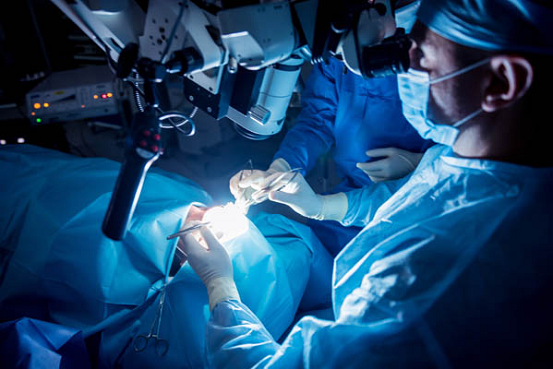
Craniotomy is one of the most common brain tumor surgical procedures, during which a part of the skull bone is removed so that the surgeon can access the tumor. This procedure is mostly used for tumors that are complex or located at the base of the skull and is performed under general anesthesia, although in some limited cases, the patient is conscious during surgery. Craniotomy allows the removal of a large part of the tumor and gives the surgeon direct control over the surrounding tissues.
This minimally invasive method uses laser energy to destroy tumor cells, and with accurate MRI guidance, the exact location of the tumor is identified. This technique is used for resistant or malignant brain tumors, such as glioblastoma, and reduces pain and has a shorter recovery period than craniotomy.
3. Neuroendoscopy
Neuroendoscopy or endoscopic surgery of the brain is performed through small holes in the skull or through natural passages such as the nose and mouth. This method allows access to parts of the brain that are difficult or impossible with traditional surgery, and because of the small incision, it has less pain, a shorter recovery period, and fewer scars.
4. Tubular retractor system
This minimally invasive method is designed to access deep brain tumors. By making a small incision and using computer navigation, the brain tissues are moved slowly so that the surgeon can remove the tumor without much damage to the healthy tissues.
5. Transsphenoidal surgery
This surgery is performed through the nose without opening the skull and is mainly used for tumors of the pituitary gland. With the help of an endoscope and delicate instruments, the surgeon can remove the tumor precisely and no scar is created on the skin.
6. Shunt placement
This method is used to control excess fluid in the brain and reduce intracranial pressure. Shunts create pathways for cerebrospinal fluid to move to other parts of the body and reduce pressure in the brain, which helps reduce symptoms caused by increased pressure.
Dr. Mehran Moradi, neurosurgeon and spine surgeon, extensive experience in brain surgeries, pituitary tumors, skull base surgery and treatment Minimally invasive spinal disc surgery. He is a graduate of neurosurgery from Tehran University of Medical Sciences in 2014 and by completing the advanced spine surgery course at Nottingham University in England in 2020, he has acquired modern and minimally invasive skills in brain and spine tumor surgery. Dr. Moradi has been a member of the International Society of Spine Surgeons since 2011 and by combining expertise in neurosurgery and advanced techniques, they provide reliable and efficient treatment services for patients.
What should we do before brain tumor surgery?
Before brain tumor surgery, the complete preparation of the patient is very important because it both increases the safety of the operation and helps the recovery process. Observing the following tips will make the surgery more accurate and successful.
Performing tests and imaging to determine the location, size and characteristics of the tumor
Reviewing medicines and their use and presenting a complete list to the doctor
Consultation with the surgery and anesthesia team to get familiar with the procedure and care
Physical preparation including fasting, avoiding alcohol and tobacco, and adequate rest
Mental preparation by reducing stress and awareness of the surgical process
Coordinating with companions for attendance and support on the day of operation and recovery period
00:47
Deep brain tumor surgery
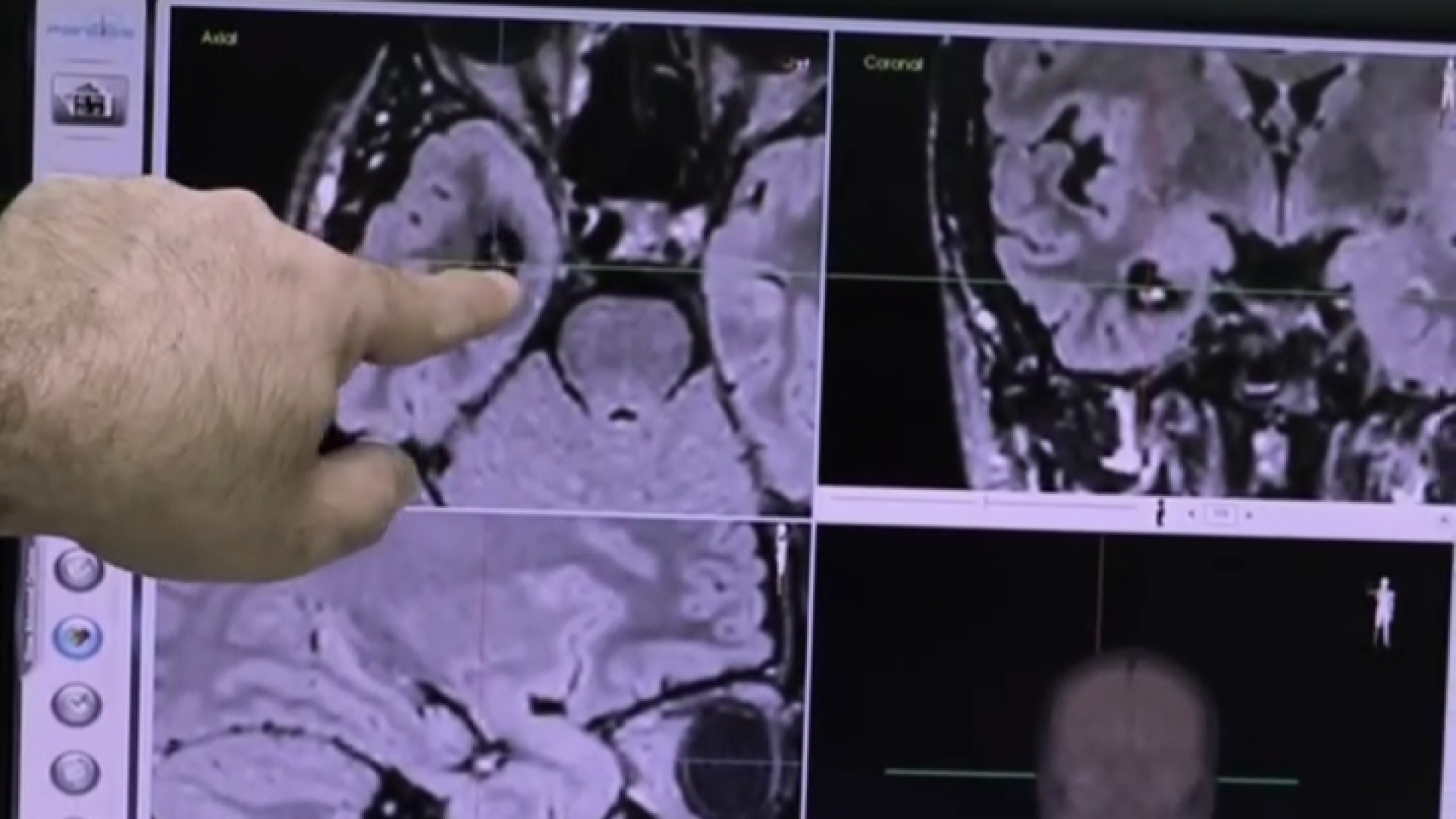
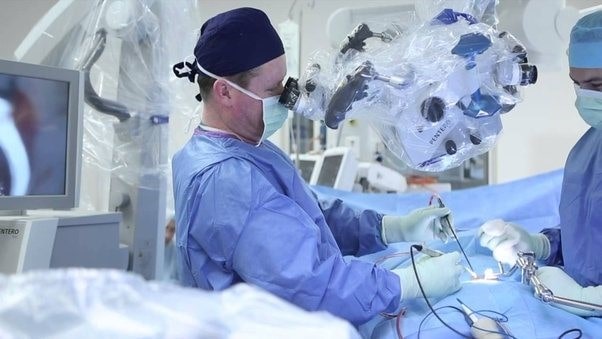
Cavernous lesion is a benign vascular lesion deep in the brain. It is difficult to find this tumor under normal conditions, but the navigation device shows that it is possible to enter the brain with a very small incision and remove this mass with a microscope.
How is brain tumor surgery performed?
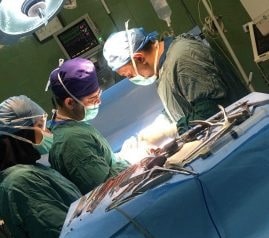
Brain tumor surgery is a precise and multi-step process that aims to remove or reduce the volume of the tumor and preserve the normal function of the brain. Each stage of the surgery is done with care and planning to minimize risks and damage to healthy tissues. In the following, we explain the main steps of brain tumor surgery:
Preparation before operation
Before surgery, the patient undergoes a complete medical examination and imaging tests such as MRI or CT scan are performed to determine the exact location and size of the tumor. Also, the doctor examines the patient's medications and gives the necessary instructions for his physical and mental preparation.
Anesthesia
Brain tumor surgery is performed under complete anesthesia so that the patient does not feel any pain and does not move. In some special cases, to monitor neurological function, the patient remains awake during the procedure.
Access to the Brain
The method of accessing the tumor is different depending on its location. The most common procedure is a craniotomy, in which part of the skull bone is removed to allow the surgeon access to the tumor. In some minimally invasive procedures, such as neuroendoscopy or laser-guided MRI, small incisions or natural paths such as the nose are used.
Tumor removal
After access, the surgeon separates the tumor from healthy tissues using specialized tools. During the operation, continuous imaging and computer navigation systems help the surgeon to define the boundaries of the tumor and reduce damage to healthy tissue.
Bleeding control and brain function check
During the surgery, bleeding is controlled and the patient's neurological activity is monitored through specialized monitoring to maintain brain function.
Closing the site Surgery
After the tumor is removed, the skull bone is put back in place and the soft tissue and skin layers are sutured. In minimally invasive methods, only a small incision or natural path is left for the instruments.
How long are we hospitalized after brain tumor surgery?
The length of hospitalization after brain tumor surgery depends on the type and extent of the surgery, the location of the tumor and the patient's physical condition. Patients are admitted to the hospital for 3 to 7 days so that vital signs, neurological status and possible signs of complications are carefully monitored.
In minimally invasive or small-incision surgeries, the hospitalization period may be shorter, even 1-2 days, but in complex surgeries or large tumors, longer hospitalization and special care are required. After discharge, it is necessary to continue specialized care at home and follow-up meetings with the doctor.
What should we do after brain tumor surgery?
The period after brain tumor surgery is very important because
Neurosurgery specialist | Graduated in neurosurgery from Tehran University of Medical Sciences (2014). Has an advanced spine surgery course from the University of Nottingham, England (2020). Member of the International Association of Spine Surgeons since 2011 Experienced in disc surgery, spine surgery, neuroendoscopy, skull base surgery and pituitary tumors Has an official medical license Medical system number: 122170