
بیماری میگرن چیست؟
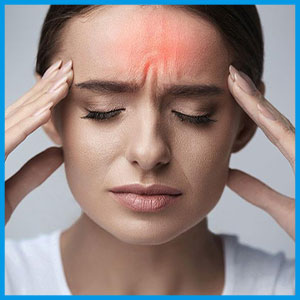
میگرن سردردی شدید است که میتواند بصورت ضربه و تپش در سر رخدهد و ممکناست باعث، حالت تهوع، استفراغ و حساسیت شدید به نور و صدا شود. حملات میگرنی میتواند باعث درد شدیدی در سر شده و برای ساعتها و یا روزها باقی بماند و آنقدر شدید بوده که فرد بخواهد فقط درجایی ساکت و تاریک دراز بکشد و بخوابد. بعضی از انواع بیماری میگرن، ممکناست همراه با علایم حسی هشداردهنده، چون صاعقهها و فلاشهای نور، نقاط کور و یا سوزنسوزن شدن دستها و پاها رخدهد. داروهایی برای کاهش میزان درد و دفعات رخدادن حملات میگرن موجوداست. بهترین نتیجه این داروها زمانیستکه با ترکیبی از تغییرات سبکزندگی و درمانهای خانگی استفاده شوند.
انواع بیماری میگرن
چندین نوع دسته بندی برای بیماری میگرن وجوددارد، که به توضیح بیان برخی از آنها میپردازیم:
میگرن بههمراه تشعشع نور. این نوع میگرن زمانیرخ میدهد که قبل از رخدادنش علایم هشداردهندهای که به تشعشع نور معروف هستند، ظاهر شوند. تقریبا یک سوم افرادیکه دچار بیمکاری میگرنهستند، از این نوع آن رنج میبرند. این علایم هشداردهنده میتواند شامل مشکلات بینایی (از جمله دیدن تشعشعات نور) و خشکی در گردن، شانهها و یا پاها، باشند.
میگرن بدون تشعشع نور.
میگرن بدون سردرد. این نوع میگرن به میگرن خاموش هم معروف بوده و زمانی رخ میدهد که علایمی همچون تشعشع نور وجوددارد اما سر بیمار درد نمیکند.
علایم بیماری میگرن
علایم بیماری میگرن متفاوتاند و ممکن است یکی و یا ترکیبی از علایم زیر باشند:
سردردی ضربان دارد و تپشدار که معمولا بشکل دردی مبهم شروع شده و تبذیل به دردی تپنده و کوبنده میشود. درد معمولا با حرکت کردن بیشتر میشود. The pain may move from one side of the head to the other, or affect the front of the head or the whole head.
Sensitivity to light, sound or smell
Nausea, vomiting, stomach pain or abdominal pain
Loss of appetite
Feeling of extreme cold or heat
Pallor
Fatigue
Vertigo
Blurred vision
Diarrhea
Fever (very rare).
Most migraine headaches last about 4 hours, but in severe types they may last up to a week. The number of migraine attacks varies between different people, usually migraine sufferers have migraine headaches 2 to 4 times a month, however, some have this attack once every few days and others once or twice a year.
Causes of migraine headache
The main causes of migraine are still unknown, however, the causes of this disease are not only related to brain changes but also to genetic factors. People with migraine may have inherited it. These days, scientists believe that one of the causes of this disease is hereditary abnormal factors in certain parts of the brain. Some of the factors that can trigger the onset of migraine and migraine attacks are:
Emotional stress. One of the most common triggers of migraine headaches is emotional stress.
Some chemicals and preservatives in food and some food. Certain foods and drinks, including old cheeses, processed foods, salty foods, alcoholic beverages, and food additives such as nitrates (found in pepperoni, hot dogs, and smoked meats), monosodium glutamate (usually found in cheese) can trigger about 30% of migraines.
caffeine Consuming too much caffeine or stopping it suddenly can cause migraine headaches. Of course, note that sudden changes in blood caffeine levels are alarming, otherwise caffeine is one of the foods used to treat severe migraine headaches.
Change in sleep pattern. In some people, too much or too little sleep can be the trigger of the disease.
Physical factors. Intense physical activity, including sex, can trigger migraines.
Environmental changes
Special drugs, including contraceptive pills and vasodilator.
Hormonal changes in women and menstrual periods
Prevention of migraine
By changing the lifestyle, the number of migraine attacks and their intensity can be reduced. Some of these changes include:
Avoid migraine headache triggers. If certain foods or fragrances trigger your migraine headaches, avoid them. Reducing the consumption of caffeine, smoking and alcohol is one of the ways of prevention. Also, maintaining a regular pattern for sleep and food, in addition to controlling stress, is another one of these ways.
regular exercise Regular aerobic exercise can reduce stress and prevent migraine attacks. These sports include walking, swimming or cycling. Of course, don't do intense exercise because intense and sudden exercise can cause headaches.
weight loss Obesity is another factor of migraine, weight loss, exercise and healthy diet can reduce the risk of migraine headache.
Reducing the effects of estrogen. If you are a woman who suffers from migraines, estrogen can be one of the factors that trigger migraines. Try to reduce or stop the use of hormonal and contraceptive drugs with the doctor's advice.