Migraine and its treatment with botox injection - Dr. Hamidreza Torabi Neurologist
Migraine and its treatment with botox injection

Migraine and its treatment with botox injection
masoud77771401-1-19 03:20:56 +00:00One of the most challenging aspects of living with migraines is living with the pain. While there are many medications that have been shown to reduce discomfort and pain, there are also lifestyle changes that can reduce the frequency and severity of migraines. From relaxation techniques and cognitive therapy to yoga and meditation. Today, botox injection has been added to these treatments as another new way to relieve or prevent pain.
Understanding the different treatment options and choosing the best method is an important step to finding long-term relief.
Types of behavioral treatments and their effects on migraine
Relaxation exercise, biofeedback exercise and stress management have been widely considered in the last two decades for the prevention and control of migraine. Note that these treatments are usually for migraine prevention, and they won't necessarily help reduce your migraine symptoms if your symptoms have already started. Also, these treatments don't work for everyone and are especially effective for those living with anxiety or depression, or those who would like to use less medication.
One of the new and perhaps lesser-known treatments that has helped greatly in relieving migraine pain in recent years is Botox injection, which we will discuss further.
What you need to know about migraines and botox:
We have all heard about Botox, which has been responsible for the smooth foreheads of actors in Hollywood for years. But Botox is also a cure and reliever for many people who suffer from chronic medical conditions. In 2010, Botox was approved for use in chronic migraines, and many patients have reported successful treatment.
What is important to know before considering Botox as a treatment?
ü What type of headache responds best to Botox?
Botox is FDA approved only for chronic migraines, which means headaches on 15 or more days per month. "The more headaches, the better Botox works," says Dr. Andrew Blumenfeld, director of the Southern California Headache Center. Botox is not recommended for patients who have headaches less than 15 days a month.
ü What is Botox?
Botox is a form of botulinum toxin, a neurotoxin produced by the bacteria that causes botulism. When botulinum toxin, like Botox, is purified and used in small, safe doses in specific areas, it temporarily reduces muscle contractions for approximately 3 months.
ü How does Botox work?
Botox is injected around the pain fibers that contribute to the headache. Botox enters the nerve endings around the injection site and prevents the release of chemicals involved in pain transmission. This prevents the activation of pain networks in the brain.
Botox prevents migraine headaches before they start, but it takes time to be effective. "I look at second and third treatments to maximize the effects," says Dr. Andrew Blumenfeld. Patients will see more effects from Botox treatment in the increased number of treatment cycles.
ü Duration of treatment:
One treatment usually lasts 10 to 12 weeks, and patients report that two Botox treatments reduce the number of headache days by almost 50 percent.
ü Who should use Botox?
The FDA approves the use of Botox for the treatment of chronic migraine in adults 18 years of age or older. If Botox is used on children or adolescents, it is considered an "off-label or standard" treatment. This means that a doctor can prescribe it, but insurance companies may not pay for it.
ü How to find a doctor who treats migraines with botox?
If you want to try Botox treatment for migraines, you should see a headache specialist or neurologist. Dr. Laura Banks, a neurologist at Natividad Medical Center, suggests asking your doctor where they learned to inject Botox, how often they've injected it, and how long they've had it. "You're looking for a lot of experience," he says. Dr. Andrew Blumenfeld suggests asking doctors in advance how much Botox they will be injecting and where they will be injected.
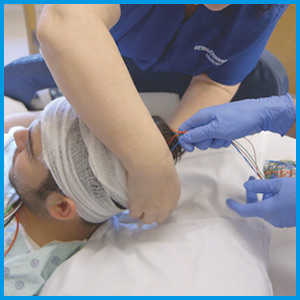
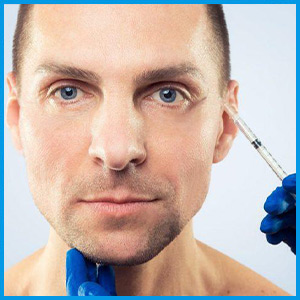
How is the treatment?When you receive your first Botox treatment, expect the injection time to last about 20 minutes. The doctor uses a very small needle. He injects a small amount of Botox into the shallow muscles of the skin. Each treatment usually includes 31 injections in seven key areas of the head and neck.
ü Side effect:
The most common side effect of botox injection is neck pain, and we recommend using an ice pack to reduce discomfort.
It may take up to six months to see the maximum therapeutic effect of Botox. At the same time, you can continue taking your regular medications without the risk of drug interactions.