

غم زیستی و اختلال بیش فعالی
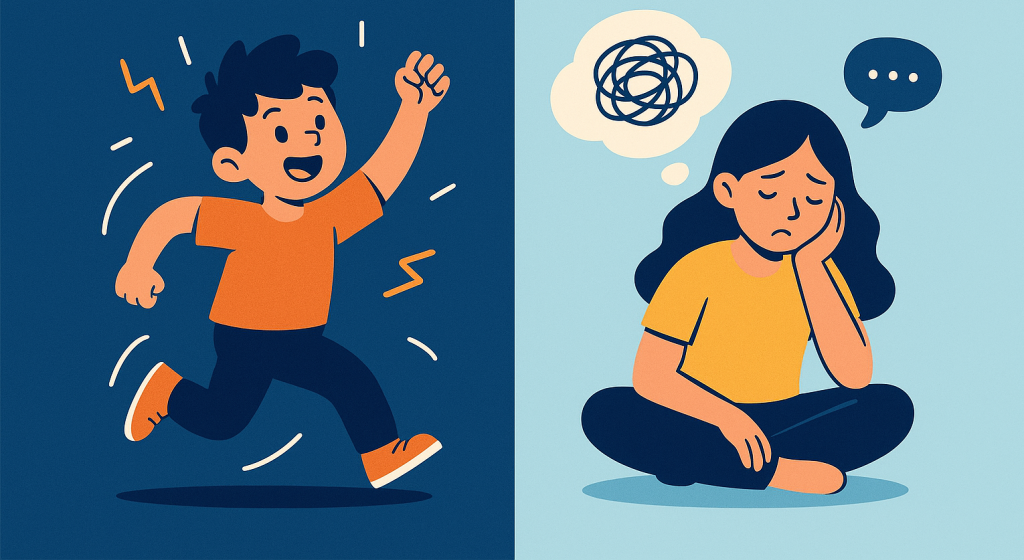
آغاز راهی که به بررسی رابطه میان غم زیستی و اختلال بیش فعالی میپردازد. Attention-Deficit/Hyperactivity Disorder (ADHD) is one of the most common neurodevelopmental disorders characterized by problems in attention, concentration, impulse control, and motor hyperactivity (Barkley, 2015). Along with these characteristics, many people with attention deficit hyperactivity disorder experience higher levels of emotional fluctuations. One of the most important and less known emotions among them is "biological sadness"; A kind of stable sadness that has more neurological and physiological roots than just psychological.

What is the difference between biological sadness and normal sadness?
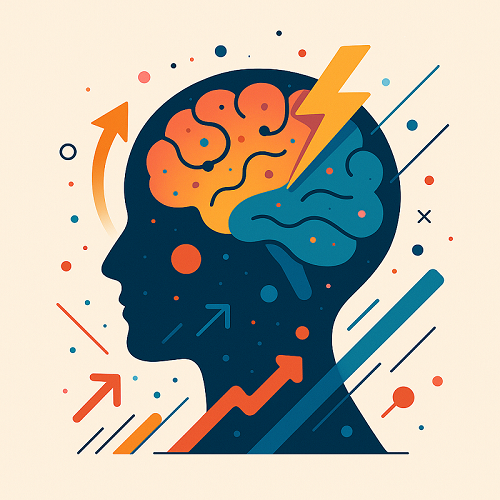
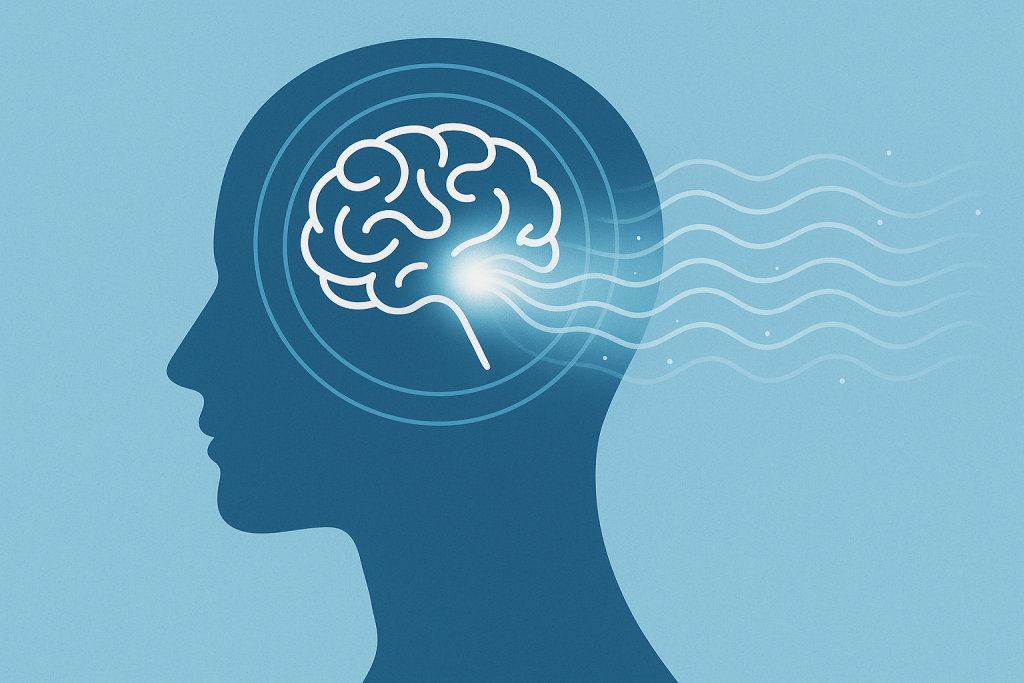
Biological grief is different from normal grief. Everyday grief is usually a response to a specific event (such as a loss, failure, or breakup) and subsides over time. But biological sadness is a stable and ambiguous state that originates from an imbalance in the chemical and neurological systems of the brain (Nestler et al., 2002). This sadness appears even in situations where a person does not have an obvious reason to be sad. From a neuroscience perspective, biological sadness is related to changes in neurotransmitters such as dopamine, serotonin, and noradrenaline. These chemicals play an important role in mood, motivation and concentration.
Understanding the neural roots of biological sadness leads us to investigate the question of how this stable mood is intertwined with the characteristics of attention deficit hyperactivity disorder.
Diagnosis error:
-
Labeling depression or bipolar disorder
One of the common problems faced by people with hyperactivity disorder is misdiagnosis of symptoms. Many psychiatrists or therapists, due to their unfamiliarity with the symptoms of hyperactivity and attention deficit, misinterpret the behaviors and moods of these people as depression or bipolar disorder.
Common symptoms, such as mood swings, irritability, lack of concentration, or lack of motivation, can mimic depression and hyperactivity. On the other hand, impulsive behaviors and extreme emotional swings may be mistaken for mania in bipolar disorder.
This misdiagnosis can have many negative consequences:
- Prescribing inappropriate drugs that may aggravate the symptoms of hyperactivity disorder.
- Prolongation of effective treatment time.
- Increasing confusion and anxiety in the individual and family.
-
Labeling borderline personality in teenagers
Why is hyperactivity disorder in teenagers sometimes confused with borderline personality disorder (BPD):
- Adolescents with ADHD often exhibit extreme mood swings, impulsivity, and extreme emotional behaviors, just like adolescents with borderline personality disorder.
- Problems in emotion regulation and strong emotional reactions make their behavior look like BPD to unfamiliar psychiatrists.
- The main difference: in ADHD, these behaviors are usually situational and caused by attention deficit and neurotic impulsivity, but in BPD, the behaviors are more stable and based on identity and interpersonal relationships.
Knowing these distinctions accurately is a prerequisite for designing effective interventions and appropriate treatment programs.

1. Accurate diagnosis and differentiation of disorders
Detailed behavioral history: careful examination of the child's educational, social, and family history to distinguish between attention deficit hyperactivity disorder and mood or borderline personality disorders (Katzman et al., 2017).
Using standardized tools: psychological tests and assessment scales for attention deficit hyperactivity disorder and mood can prevent misdiagnosis (Shaw et al., 2014).
Attention to the pattern of emotional fluctuations: in attention deficit hyperactivity disorder, intense emotions are usually short-term and situational, while in borderline personality disorder, emotional instability is more constant and related to interpersonal relationships (Barkley, 2015).2. Drug intervention
- Neurostimulant drugs (such as methylphenidate and amphetamines) help improve attention and reduce impulsivity (Barkley, 2015).
- In cases where biological sadness is associated with depression, antidepressants (SSRIs) can stabilize mood (Nestler et al., 2002).
Important note: drugs should be prescribed under the supervision of an experienced psychiatrist to control side effects and interference with attention deficit hyperactivity disorder (Katzman et al., 2017).
3. Psychotherapy and emotional skills training
- Cognitive-behavioral therapy (CBT): helps children and adolescents identify and manage their negative thoughts and mood swings (Shaw et al., 2014).
- Acceptance and Commitment Therapy (ACT): Helps accept difficult emotions and reduce resistance to grief (Shaw et al., 2014).
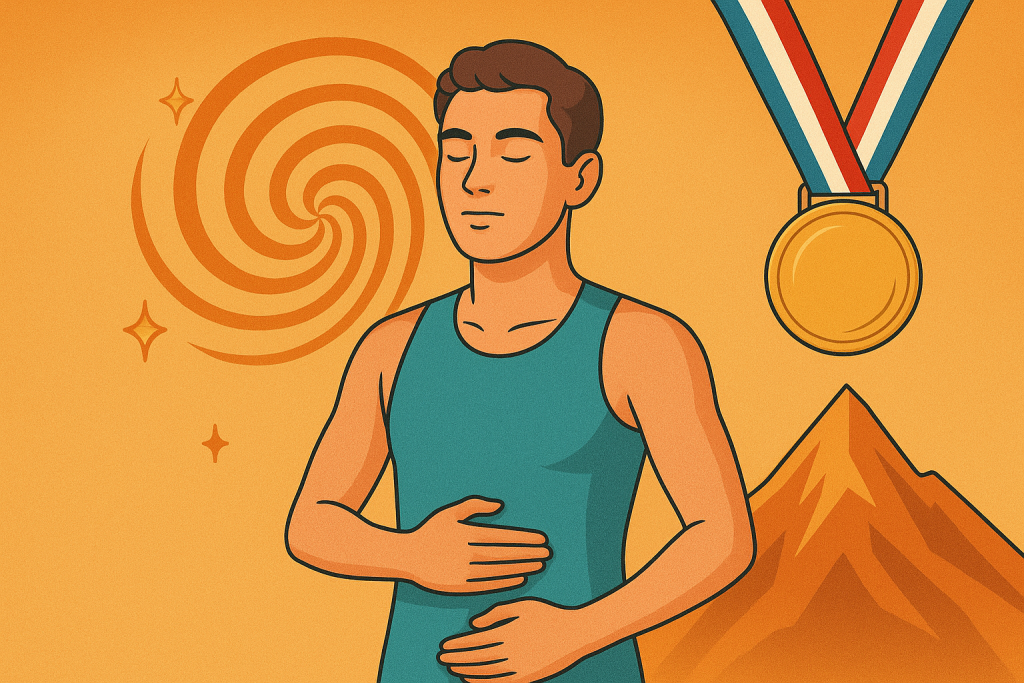
- Teaching emotion regulation skills: Methods such as deep breathing, meditation, mindfulness practice and body relaxation techniques can balance the emotional cycle (Shaw et al., 2014).
4. Lifestyle changes
- Regular exercise: physical activity increases dopamine and serotonin and improves mood (Barkley, 2015). Adequate and regular sleep: Insomnia or irregular sleep can aggravate mood swings and hyperactivity (Nestler et al., 2002).
- Healthy nutrition: consuming protein, omega-3 and reducing simple sugars helps to stabilize energy and mood (Katzman et al., 2017).
- Control the use of the screen: too much time playing digital games or social networks can increase irritability and biological sadness (Shaw et al., 2014).
5. Social and environmental support
- Education of family and teachers: recognition of hyperactivity disorder and attention deficit and biological sadness helps parents and teachers to have an appropriate and supportive approach (Barkley, 2015).
- Creating a stable and orderly environment: Having a regular daily schedule, specific rules and positive rewards gives the child psychological security (Shaw et al., 2014).
- Support groups: participation in groups of peers and families with attention deficit hyperactivity disorder reduces feelings of loneliness and increases social abilities (Katzman et al., 2017).
The management of biological grief in attention deficit hyperactivity disorder requires a comprehensive and practical approach. A combination of accurate diagnosis, pharmacological interventions, psychotherapy, lifestyle changes and social support can significantly improve the quality of life of children and adolescents (Barkley, 2015; Shaw et al., 2014). The attention of parents and therapists to these vital aspects provides the path of healthy growth and better control of emotions for the individual (Nestler et al., 2002).
Learn more: Article Clinical consultation | Evaluation, diagnosis and specialized treatment

A few last words
Biological sadness and hyperactivity disorder are not two separate phenomena, but often act in an intertwined manner. Knowing this link helps therapists design more accurate and effective treatment plans. Paying attention to biological, emotional and environmental factors can reduce the severity of problems and provide a healthier growth path for a person.
Resources
Barkley, R. A. (2015). Attention-Deficit Hyperactivity Disorder: A Handbook for Diagnosis and Treatment (4th ed.). Guilford Press
Katzman, M. A., Bilkey, T. S., Chokka, P., Fallu, A., & Klassen, L. J. (2017). Adult ADHD and comorbid disorders: Clinical implications of a dimensional approach. BMC Psychiatry, 17 (1), 302
Nestler, E. J., Barrot, M., DiLeone, R. J., Eisch, A. J., Gold, S. J., & Monteggia, L. M. (2002). Neurobiology of depression. Neuron, 34 (1), 13–25
Shaw, P., Stringaris, A., Nigg, J., & Leibenluft, E. (2014). Emotion dysregulation in attention deficit hyperactivity disorder. American Journal of Psychiatry, 171 (3), 276–293
Author of the article: Mohsen Derakhshannasab – Psychologist Clinical, Researcher, hypnotherapist, Author and Psychotherapist in Shahryar and Tehran.
If you have any doubt or question about the article "Biological Sadness and Hyperactivity Disorder" at the end of this page (comment section), raise your question or doubt. They will respond to you as soon as possible.