
Definition of auditory perception:
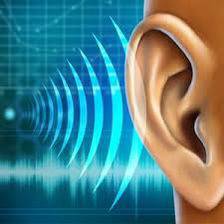
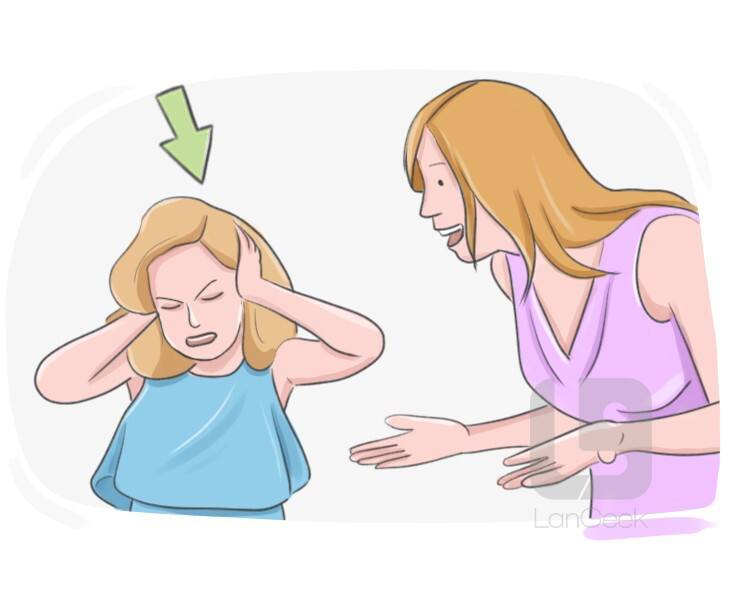
The ability to recognize or interpret the sounds that are heard is called auditory perception.
Auditory perception provides an important pathway to learning.
Research shows that many of those who have difficulty reading Processing Hearing are two different concepts in the field of hearing.
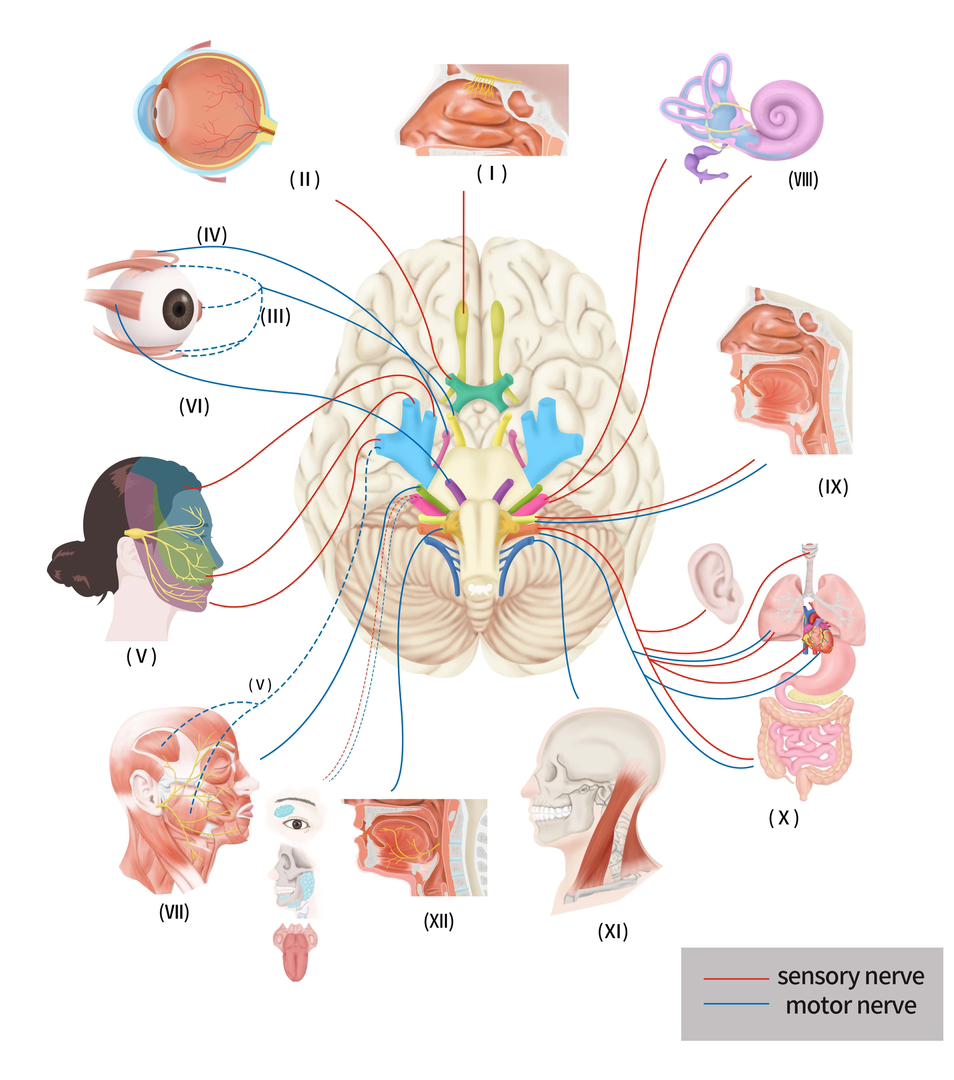
Auditory perception (Auditory Perception) means the process of receiving and interpreting audio information from the surrounding environment. When we encounter sounds and noises around us, our auditory system receives this information and sends it to the brain to be interpreted. This process of auditory perception includes hearing sounds, identifying the source of sound, understanding the meaning of sounds, and focusing on important sounds. Auditory perception helps us to communicate with our surroundings, to respond to the voices and words of others, and to have a correct understanding of audio content.
Auditory Processing:
Auditory processing means the process of analyzing and interpreting audio information in the brain. After receiving audio information by the auditory system, this information is sent to the brain to be analyzed and processed. In this process, the brain uses various elements such as frequency, intensity, location and time to interpret sounds and understand their meaning. Auditory processing includes processes such as focusing on important sounds, recognizing sound patterns and maps, distinguishing between sounds, and interpreting their meaning.
In short, auditory perception is related to the reception and interpretation of sound information from the environment, while auditory processing is related to the analysis and interpretation of sound information in the brain. These two processes are related to each other and simultaneously play a role in the process of hearing and understanding sounds, and auditory processing is part of the process of converting sound into auditory perception.
Listening comprehension skills:
Phonological awareness, listening comprehension, listening memory, listening sequence and listening composition.
1. Phonological awareness:
The ability to recognize that the words we hear are made of combinations of individual sounds.
2. Hearing distinction:
The ability to recognize letters and recognize similar and different words. (For example, Bid and Did or Pik and Bek)
3. Auditory memory:
The ability to store and remember what one hears.
4. Listening sequence:
Ability to remember the order of units in a sequential list.
5. Audio composition:

The ability to combine individual phonetic elements or phonemes into a complete word.
Visual perception and auditory perception are among the concepts that are used a lot in the case of children with special learning needs. These terms along with
To improve listening comprehension in children, you can try some of the following strategies:
1. Relaxing environment:
Try to create a calm and quiet environment for children so that they can better focus on sounds. Use noise reduction such as television or loud music.
2. Listening exercises:
Doing exercises that focus on paying attention to sounds and auditory thinking can accelerate the improvement of auditory perception. For example, you can play auditory games with children such as hearing and recognizing sounds, auditory processing exercises and pattern and music recognition.
3. Strengthen listening skills:
You can use games and activities that focus on listening skills such as focusing on specific sounds, pattern recognition, auditory thinking, and concentration
Focus on important sounds, strengthen children's listening skills.
4. Performing simple and complex commands for auditory perception:
Put five or six objects in front of the child and then give instructions for him to do. For example:
-Put the green piece in the mother's skirt, put the yellow flower under the chair, put the orange ball in the basket, the number of objects can increase in parallel with the development of the child's auditory memory.
-Close the child's eyes and ask them to listen to environmental sounds with their eyes closed.
-Recorded sounds: the sounds can be recorded on tape and ask the child to identify them. Do it and ask the child to separate the sounds from each other.
- Attention to sound samples: tell the child to keep his eyes closed or sit and turn his face. Clap your hands a few times, hit the table a few times, hit the ball a few times and... ask the child to say how many times these movements were repeated or ask him to repeat the same movements.
5-Creating different sounds
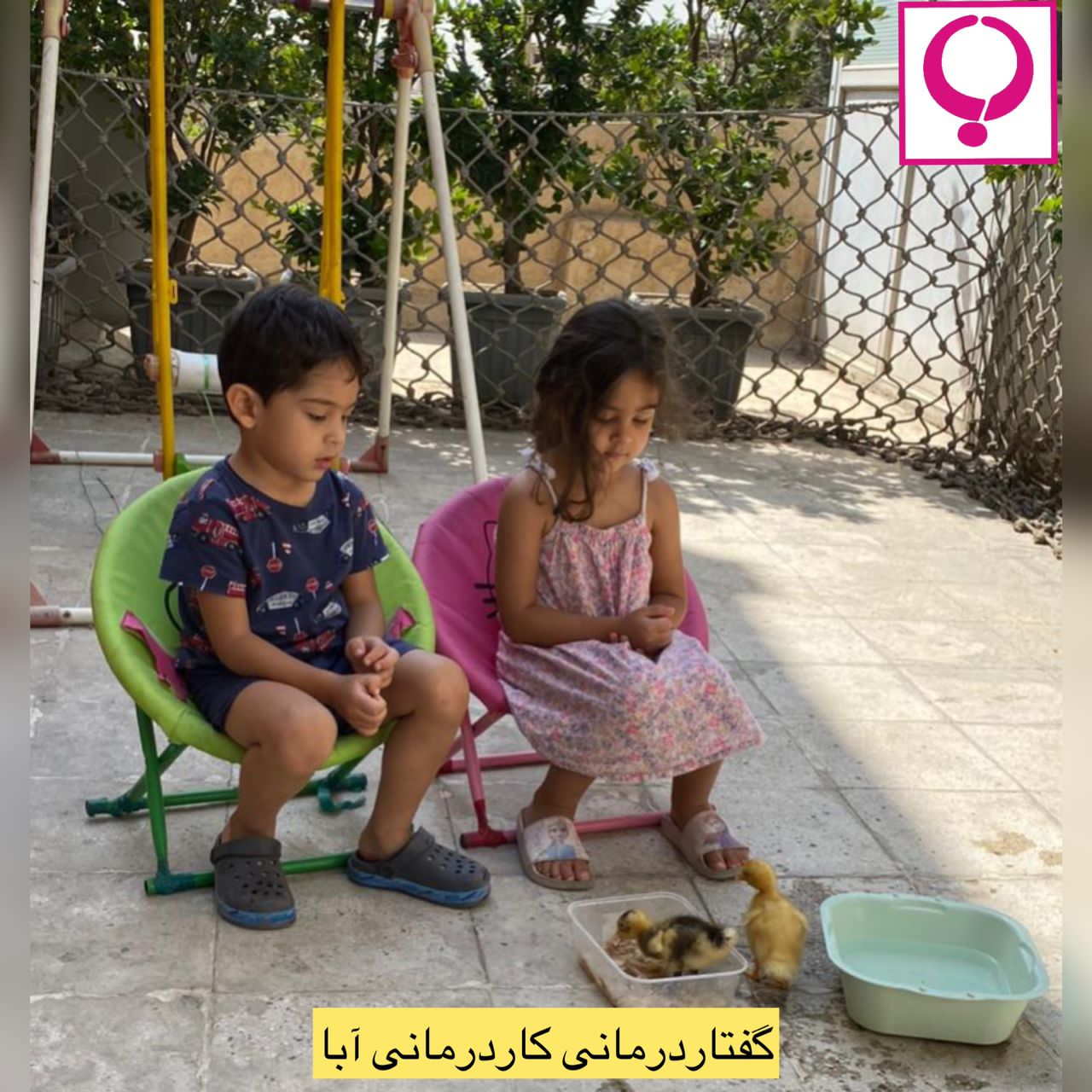
Ask the child to improve his ability to listen and the difference between sounds by creating different sounds with environmental devices.
The sound of a key, the sound of a water bottle, the sound of a whistle, etc.
Make the sound next to both ears and sometimes close the child's eyes while practicing.
6- Referral to an expert for auditory perception:
If your children's auditory perception problems are persistent, and affect your child's performance, it is better to consult with audiologists, speech therapists, and mental occupational therapists. Specialists in speech therapy, audiometry, and mental occupational therapy can provide you with guidance to improve and strengthen your children's auditory perception.
It is important to proceed with all these solutions with patience and consistency. Also, it is always better to consult a specialist for any problem in children's auditory perception so that proper intervention and treatment can be done in time.
I hope these solutions will help you. Remember that "understanding" is learnable and you can increase your child's ability at every stage. If you have more questions or requests, Aba's occupational therapy and speech therapy team is here to help you.
Resources:
-Learning Disabilities written by Jeanette Lerner, translated by: Ismet Danesh
WebMDhttps://www.webmd.com › brain › a…Auditory Processing Disorder: Symptoms, Cause, and Treatment
-NHShttps://www.nhs.uk › conditions › a…Auditory processing disorder (APD)
Book introduction

Speech and language regeneration in hearing loss

First year in auditory-speech therapy