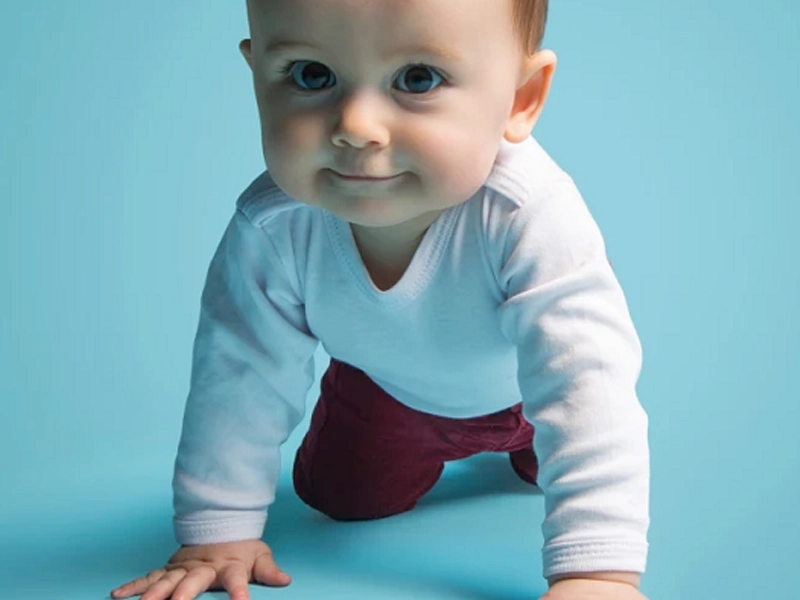


Occupational therapy for child standing becomes important when parents face a delay in their child's ability to stand and are looking for a reliable answer. Standing is one of the most basic movement skills that has a direct impact on a child's walking, balance and independence, so muscle weakness, movement incoordination or developmental problems can make this path difficult. Early attention and principled intervention help the child develop his physical abilities properly.

effect of occupational therapy for child's standing
The effect of occupational therapy for a child's standing is very profound and decisive, because this intervention focuses on strengthening the child's motor and neurological abilities, therefore, performing occupational therapy by improving the strength of the leg and trunk muscles helps the child to have better balance when standing and to increase their body control.
On the other hand, occupational therapy increases the coordination between muscles and the nervous system, and the child learns to transfer his body weight correctly on his legs. This process not only makes it easier for the child to stand, but also increases his self-confidence.
From what age should one worry about supporting a child?
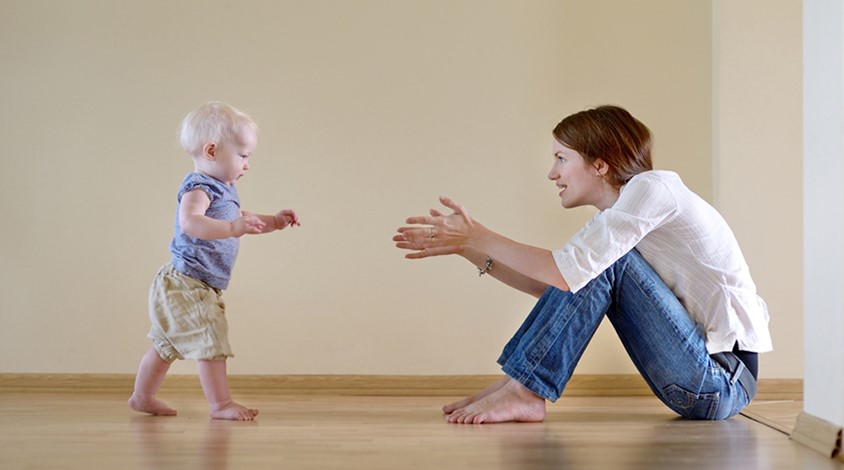
Naturally, most babies begin to try to stand with help between 9 and 12 months of age, and can stand briefly without support by around 12 to 15 months. If the child does not show any effort to bear weight on his legs by the end of 12 months or does not want to stand with help, it is better to seriously consider the matter.
Also, if the child cannot stand without help until the age of 15 to 18 months, or if he experiences weakness, imbalance or unusual stiffness when standing on his feet, it is recommended to see a specialist. Paying attention to these age ranges helps to identify movement delays earlier and, if needed, to start the necessary interventions such as occupational therapy at the right time.

Symptoms that indicate a child's need for occupational therapy
Some signs in the child's motor development process can be a warning and show that the child needs specialized support to strengthen motor skills. In fact, early detection of these symptoms plays an important role in preventing movement problems in the future and improving the child's condition faster.
- Inability to bear body weight on legs after one year of age
- Marked delay in standing or lack of effort to stand up
- leg or trunk muscle weakness and rapid fatigue when moving
- lack of balance and frequent falls when trying to stand Abnormal stiffness or laxity of muscles
- Less use of one leg or leaning more on one side of the body
- Lack of coordination between the movements of hands and feet
- Reluctance to move, crawl or change body position
- Simultaneous delay in several gross motor skills
- Parents' constant concern about the child's motor development process
How does occupational therapy help to strengthen a child's standing?
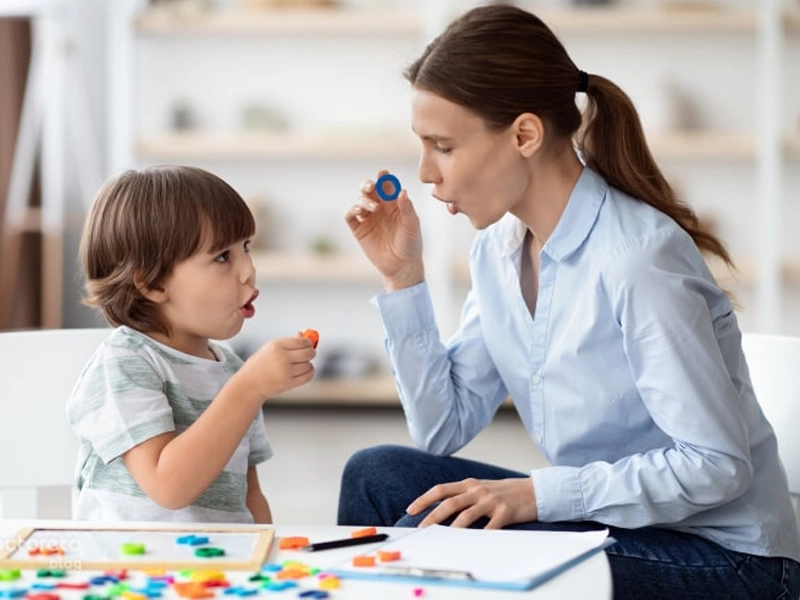
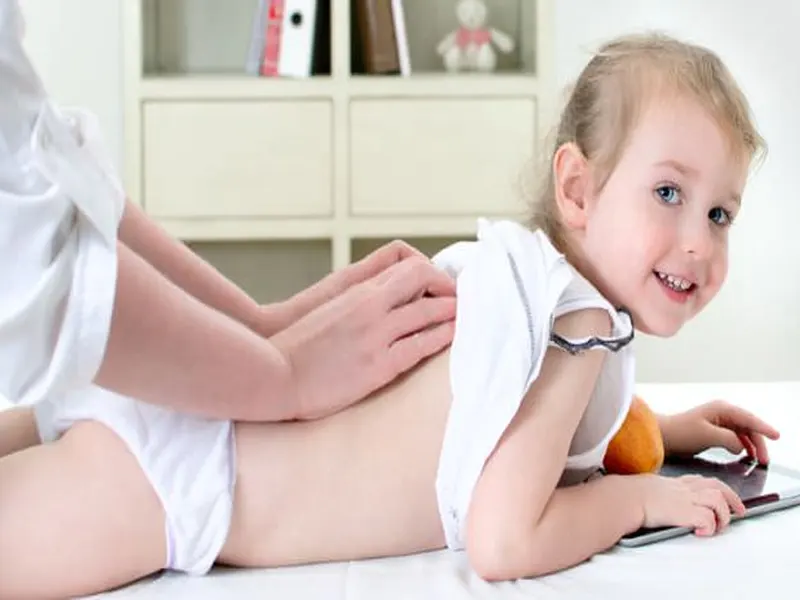
Occupational therapy, focusing on the movement abilities and individual needs of the child, plays an effective role in strengthening his standing, in this process, the condition of the muscles, balance and coordination of the child's body is first evaluated in order to design a program that suits his conditions. The exercises are chosen in such a way that the leg, hip and trunk muscles are gradually strengthened and the child can better control his body weight.
Also, occupational therapy helps to improve balance and coordination between the nervous and muscular system, and the child learns to show proper physical reactions when standing. The use of purposeful games and attractive movement exercises will make the child move forward with more motivation in this direction. As a result, standing becomes a more accessible skill for the child and his readiness for the next stages of motor development increases.
In the video above, see the process of improving the child's balance with Dr. Bayati.

The process of improving the child's balance with Dr. Bayati
The role of parents in the success of occupational therapy
The role of parents is very key and influential in the success of occupational therapy, because most of the child's time outside of therapy sessions is spent with the family. Parents' cooperation with the occupational therapist and regular implementation of the recommended exercises at home accelerates the child's progress and stabilizes the treatment results.
Also, creating a safe and supportive environment helps the child practice without fear and with confidence. Encouragement, patience and avoiding comparing the child with others play an important role in maintaining his motivation. When parents pay attention to even small signs of progress and have continuous communication with the therapist, occupational therapy becomes an effective part of the child's daily life, and the probability of its success increases dramatically.
How long after the results of occupational therapy can be seen?
The time to observe the results of occupational therapy in children depends on various factors such as the age of the child, the degree of motor delay, the cause of the problem and the level of family cooperation. In many cases, initial changes such as increased weight bearing on the legs or improved balance are visible within the first few weeks, but these improvements are gradual.
In order to achieve stable results, it is very important to continue occupational therapy sessions and perform home exercises. After one to three months, you can see more tangible improvements in the child's ability to stand, but the completion of the motor development process requires more time. In fact, patience and regular follow-up play an important role in the final success of occupational therapy.
To get an appointment with Dr. Vahid Bayati The best occupational therapy center in Ahvaz call the following numbers.
Finally…
Occupational therapy can play an effective role in supporting the child's motor development and strengthening his ability to stand. Timely identification of delays, choosing the appropriate treatment program and continuous cooperation of parents make the path of the child's progress smoother. Targeted exercises, continuity of treatment and attention to the individual needs of each child help to build better balance, strength and coordination. When these factors are combined, the child will have more opportunities to achieve stable and healthy movement skills.