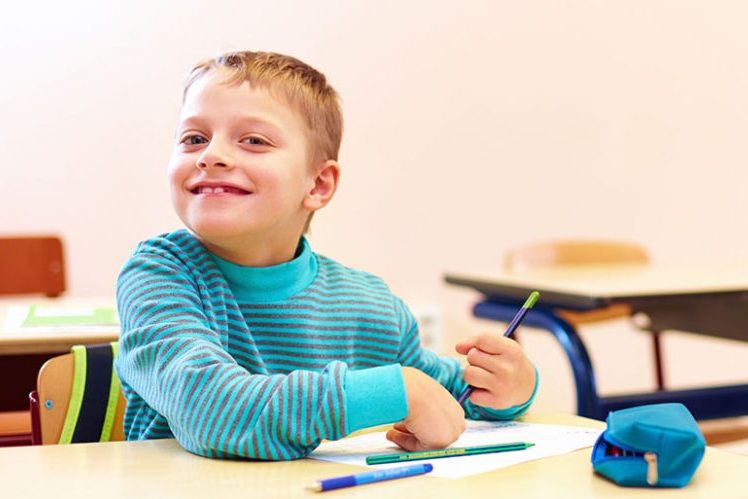


Living with autism is not only very challenging for children, but for many parents, especially at the beginning of the journey, it is an experience full of confusion and unanswered questions. If you are a parent who has just been diagnosed with autism, don't worry; Life with an autistic child is manageable. In this article, we are trying to provide practical solutions to start the journey.

How autism affects life?
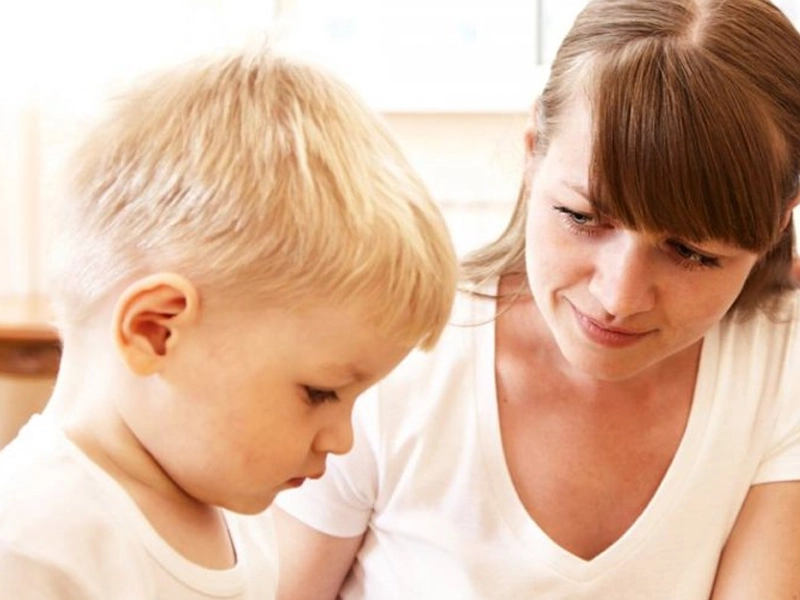
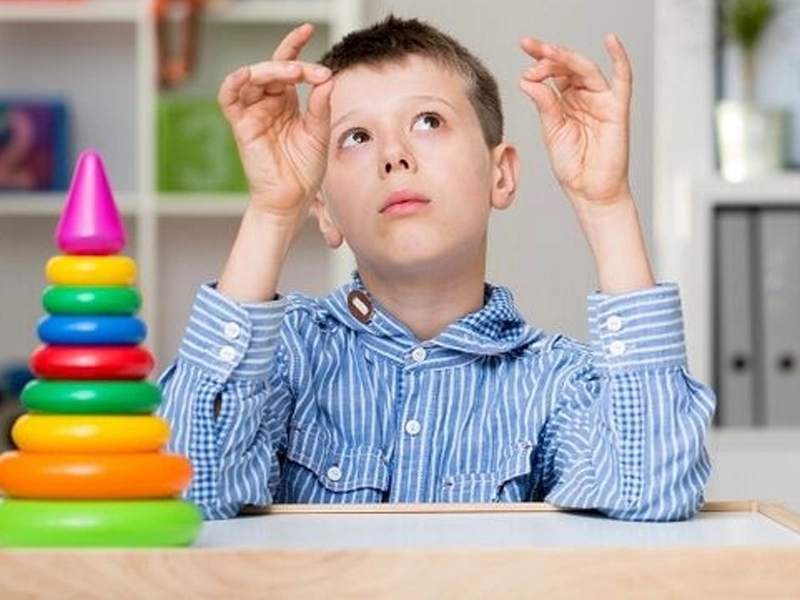
In living with autism, the first and perhaps the most important challenge for parents is to understand their child's behavioral, communication and emotional differences. An autistic child often communicates with the surrounding environment in a different way; He may not respond to eye contact, understand other people's emotional cues, or have trouble expressing his needs. This can be confusing and even upsetting for parents who have no experience in this field.
Actually, autism affects many aspects of life, and family relationships, daily planning, social communication, and even parents' job conditions are subject to change. Therefore, caring for an autistic child requires more time, energy, and attention. But it is natural that many families face feelings such as fatigue, helplessness, chronic stress and even social isolation in this path, but referring to The best occupational therapy center is very effective.
📞 To get an appointment, call 09918292254 and 09389414395.
Learning daily tasks of autistic children
Learning simple daily skills is a natural and gradual process for many children, but in children who live with autism disorder, this path requires support, careful planning and He has more patience. In fact, with the right methods, autistic children can be helped to take a step towards individual independence and life with autism becomes more predictable and controllable for them.
Identifying the weaknesses and strengths of the child
Before starting training, it is important for parents to know their child's strengths and weaknesses. Some children are weak in motor skills, but have good visual memory; Others are agitated by loud noises, but concentrate better in a quiet environment. This knowledge will help you to use the child's capabilities and adjust the training based on his individual needs.
Tutorial step-by-step
To teach simple tasks such as dressing or washing hands, it is better to divide each task into small steps. For example, to wear a shirt, first learn to recognize it, then to open the buttons and finally to wear it. The use of photos, visual tables or simple educational videos can help in better understanding the steps.
Encouragement, the key to effective learning
Encouraging the child after completing each step plays an important role in increasing his motivation and participation. In fact, encouragement can be verbal, visual or even small prizes. It is important that the child feels that his efforts are seen and that his success is valuable. These encouragements will be an incentive for the child to continue learning and for him to cooperate more with his parents.
Read more: Learning Disability Treatment
Quiet space, effective learning
Autistic children lose their concentration and show emotional reactions in tense or crowded environments, therefore, providing a calm, orderly environment without disturbing factors helps the child's mind find the necessary preparation for learning, for this reason, it is better to carry out activities at a specific and repeatable time and place, so that the child feels more secure.
Emotional preparation before training
Sometimes it is necessary for the child to reach mental and emotional peace before starting the training. Using sensory activities such as playing with sand, touching soft textures, or listening to soft music can help a child reduce anxiety. When the child is calm, he will focus more on learning and cooperate better.
Patience and repetition practice
Autistic children may need more frequent practice and longer time to learn a skill. Parents should know that every child develops at their own pace and early failures are normal. By maintaining calmness, creating stability in programs and repeating training, new skills will gradually be institutionalized in the child's mind.
Get professional help
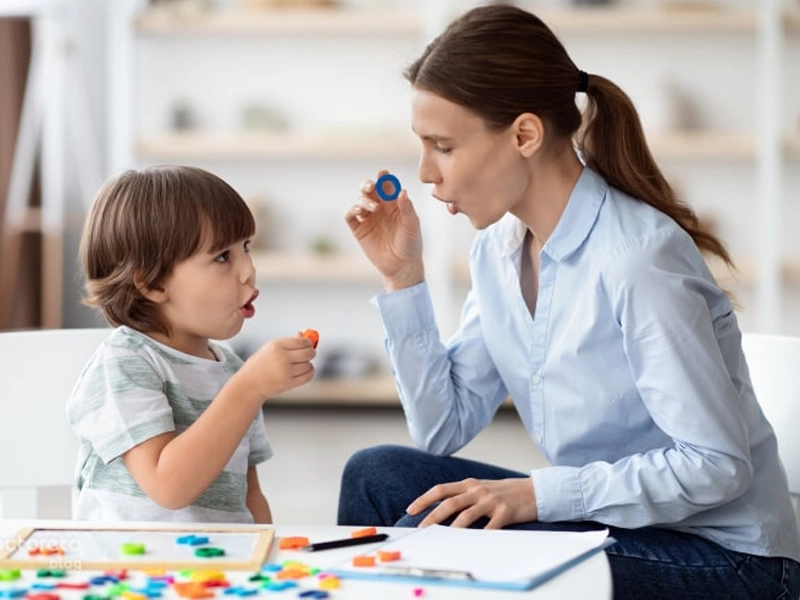
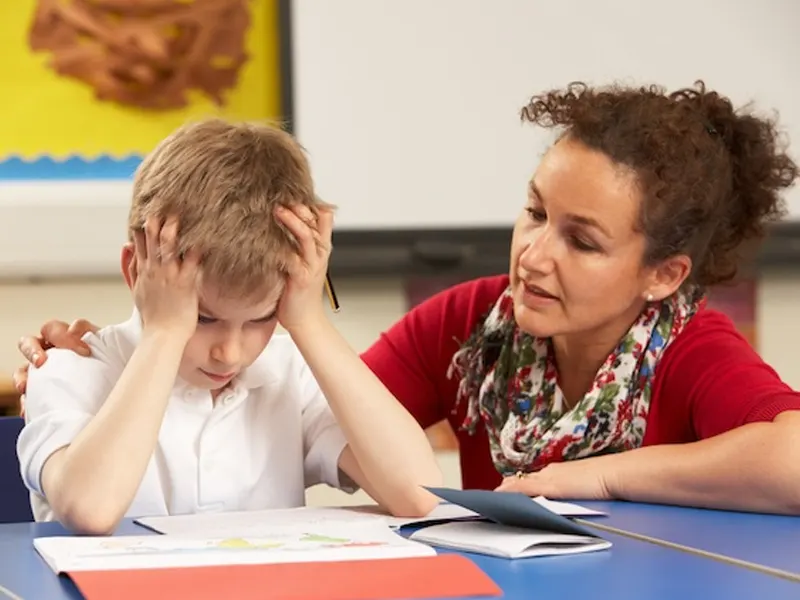
Sometimes, despite all the efforts of the parents, the process of teaching or managing the child's behavior faces more serious challenges. In such a situation, getting help from occupational therapy and speech therapy or behavior therapy specialists can be very effective.the importance of creating a calm and orderly environment for children
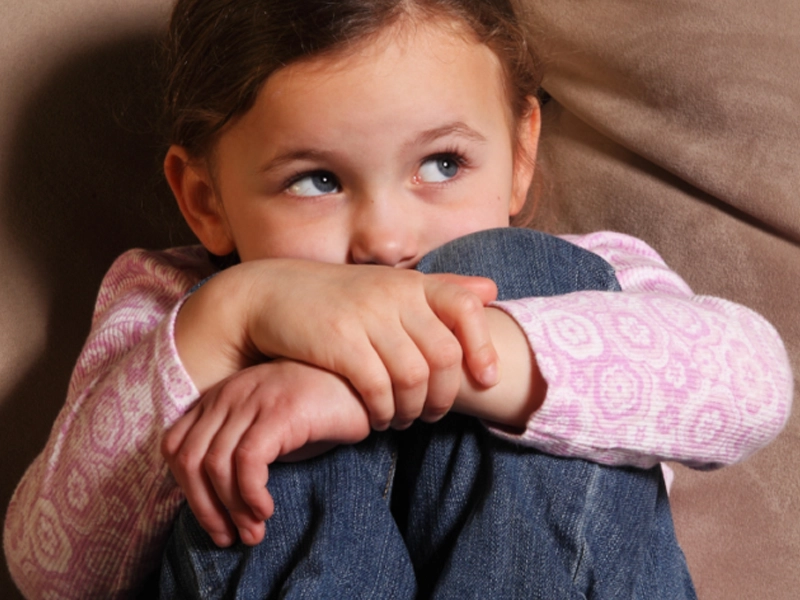
Autistic children are often very sensitive to their surroundings, in fact, sudden changes, sharp lights, loud noises or disorder in the surrounding environment can make them feel restless and anxious. These reactions appear in the form of unexpected behaviors, anger, or even complete withdrawal from the environment, and life with autism requires special attention to the living environment and the space around the child.
To reduce these tensions, an environment with the least sensory stimuli should be provided for the child, the use of soft lights, reduction of excess noise, limiting unreasonable movements and orderly arrangement of equipment are among the measures that can increase the mental peace of the child. Even in choosing the color of the wall, toys or children's clothes, it is better to use soothing and neutral colors.
Note: Consistency in daily schedule and repetition of activities is also very important. When the child knows what is waiting for him, his anxiety will decrease and he will interact more effectively.

How to pave the path of the growth and development of the autistic child?
The key to the development of an autistic child is persistence, patience and accompanying treatment plans. Close collaboration with occupational therapists, speech therapists and child psychologists is very important. Achievable goals, record of progress, step-by-step encouragement and attention to the child's strengths will strengthen his motivation and self-confidence despite living with autism.
Also, daily repetition of activities at a specific time makes the child familiar with the routine and gain more confidence. These methods help to reduce the child's confusion, anxiety, and resistance to learning and help to form skills that will bring him more independence in the future.ways of dealing with unexpected behaviors of autistic children
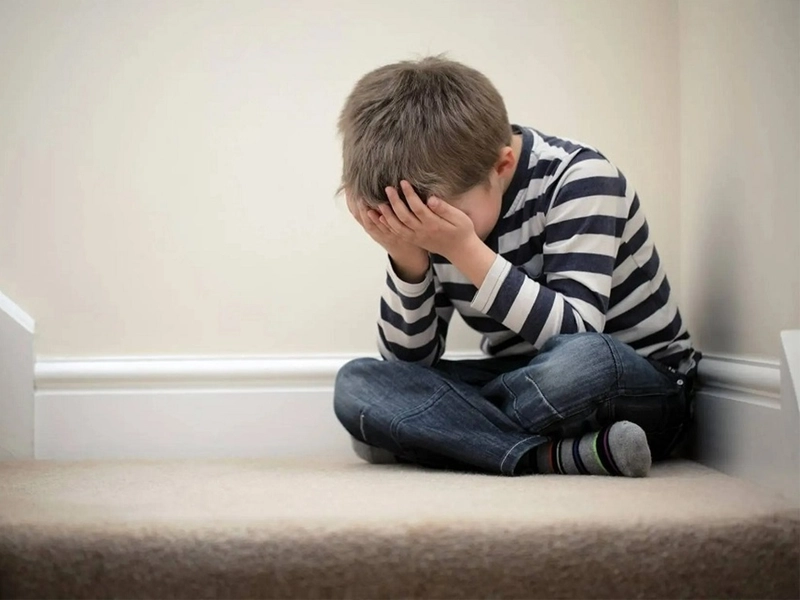
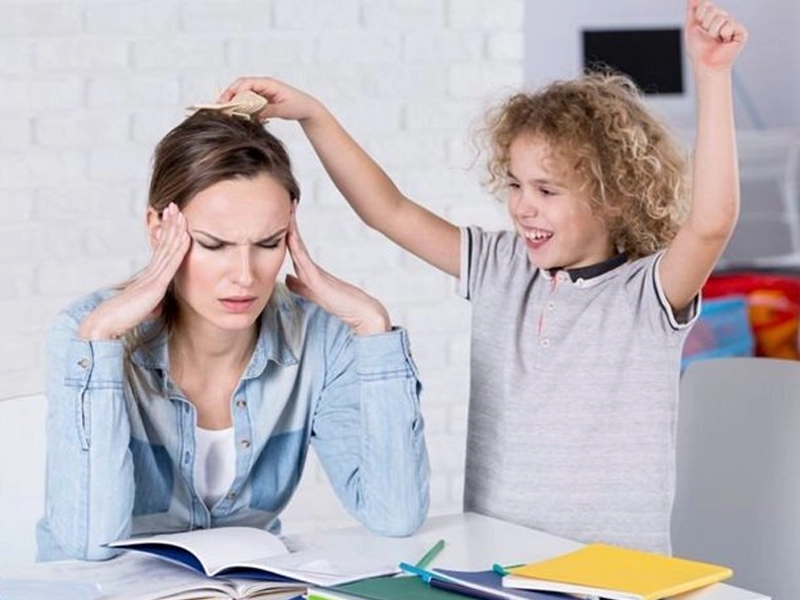
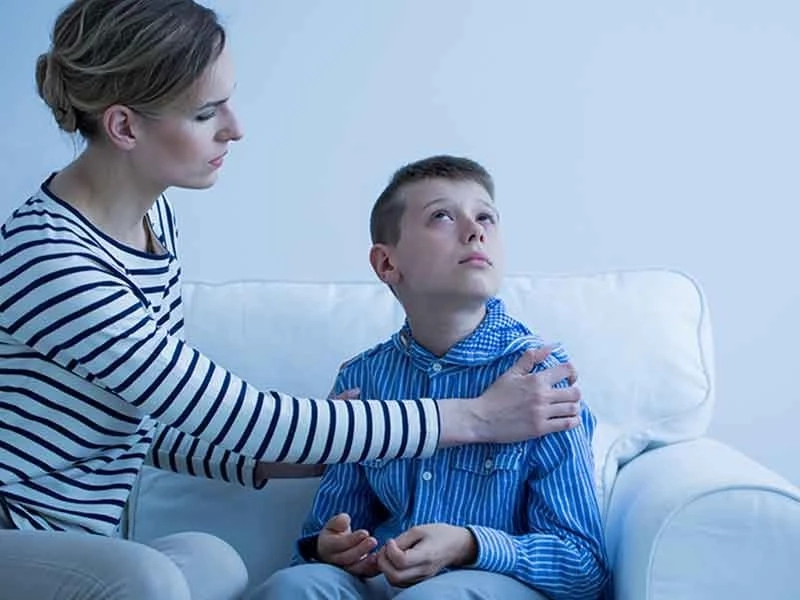
Behaviors such as screaming, self-harm, aggressiveness or social withdrawal are common in autistic children. In such cases, the calm reaction of the parents is very vital. Also, identifying the behavioral trigger, preventing the reaction from intensifying, using distraction techniques, and gradually teaching the child ways to express emotions, can reduce the intensity and number of these behaviors. Teaching self-soothing techniques to autistic children can help reduce challenging behaviors, although these children have difficulty controlling their emotions, but with practice, some methods such as imagining a pleasant image, breathing slowly through the nose, or hugging with gentle pressure can bring more relaxation. The presence of parents in this process plays an effective role in creating a sense of security and peace in the child.Frequently asked questions about living with autism
Yes, many autistic children with appropriate support can attend mainstream schools, provided the special education program and have an accompanying coach.
No, but with behavioral therapy, rehabilitation, and regular programs, many symptoms can be controlled and managed.
In some cases, dietary changes can be helpful, but any changes should be made with the advice of a medical professional.
Finally…
Living with autism, although it comes with unique challenges, can be a new path of growth, patience and love. Accurately knowing the conditions, having daily planning, taking advantage of appropriate treatments, receiving professional help, and finally maintaining family peace, makes the path of raising a child smoother. Remember, no path is taken alone; Along with professionals and parents, you can also be the best supporter for your child.