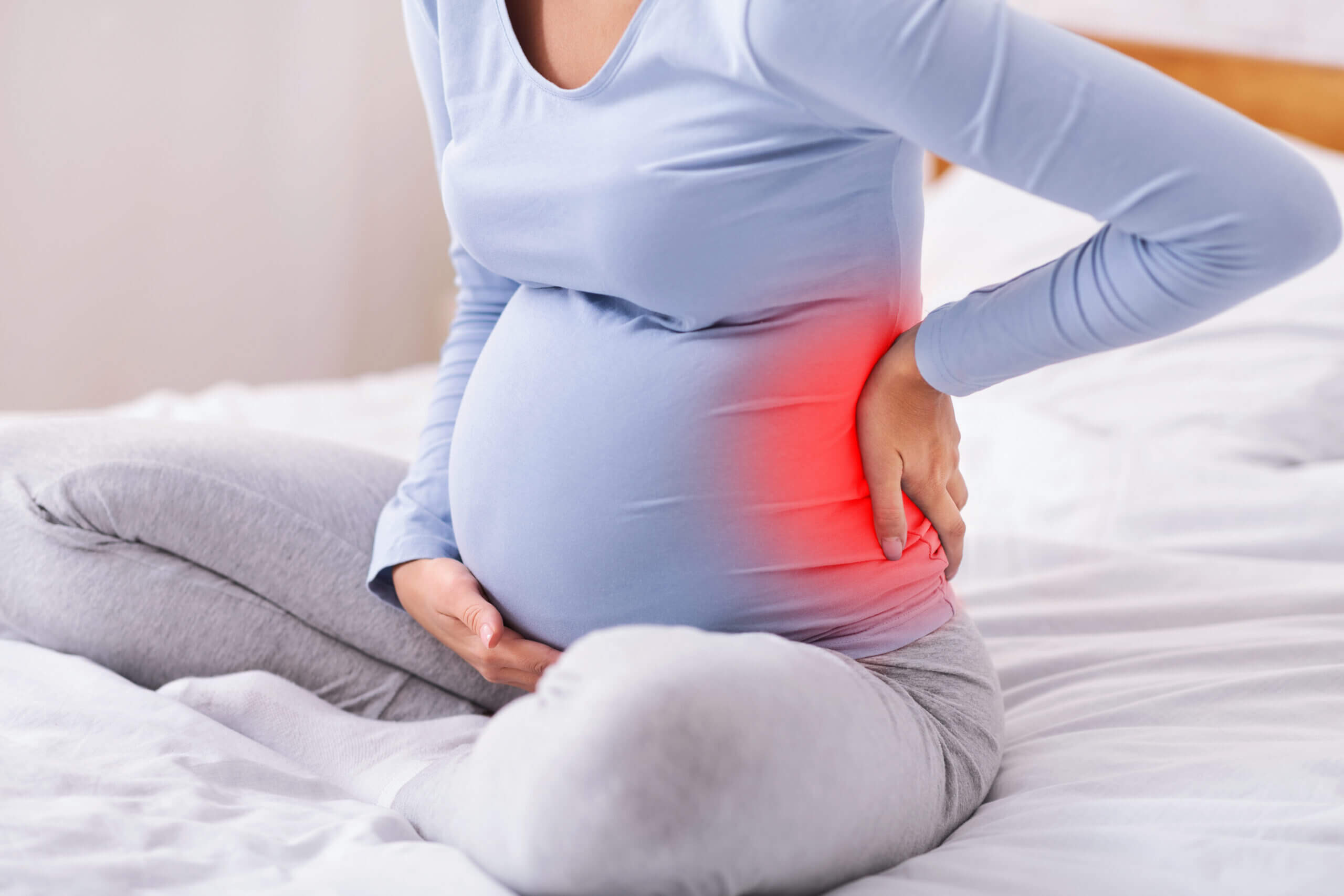
Strategies for managing back pain in pregnancy
Exercise: Regular and safe pregnancy exercises such as walking, swimming and prenatal yoga can strengthen back muscles and improve flexibility. Pelvic tilts and other specific exercises can also be helpful.
Good posture: Maintaining good posture can reduce the pressure on the back to some extent. Use a chair with good back support and avoid standing for long periods of time.
Heat and cold therapy: using heat or cold packs on the affected area can help reduce pain and inflammation.
Support devices: Wearing a support belt for pregnancy can provide more support for the back and abdomen.
Sleeping position: Sleeping on your side with a pillow between your knees can reduce pressure on your lower back. A firm mattress is also recommended.
Shoes: wearing supportive shoes and low heels can help maintain better posture and reduce back pain.
Massage and chiropractic care: Prenatal massages and chiropractic care by professionals trained in prenatal care can provide back pain relief.
Physiotherapy for back pain treatment
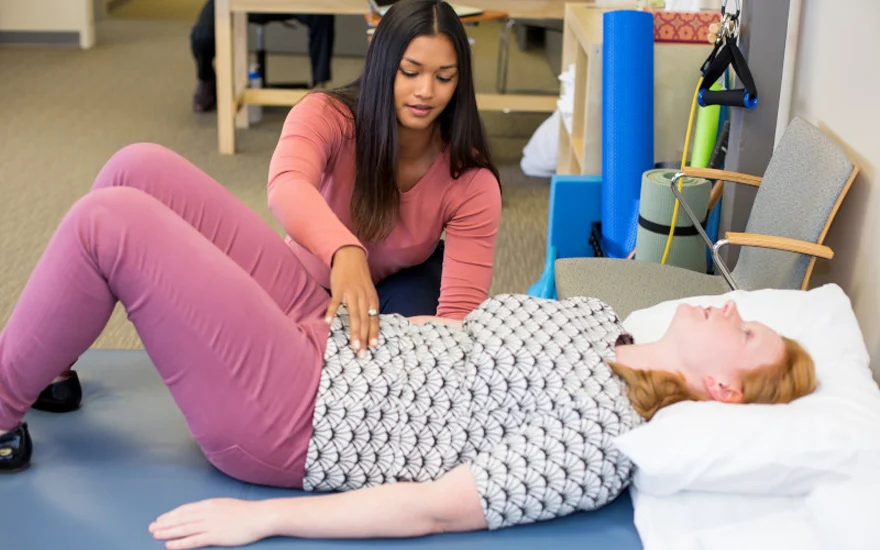
Physiotherapy is often recommended as an effective treatment to manage and alleviate this discomfort.
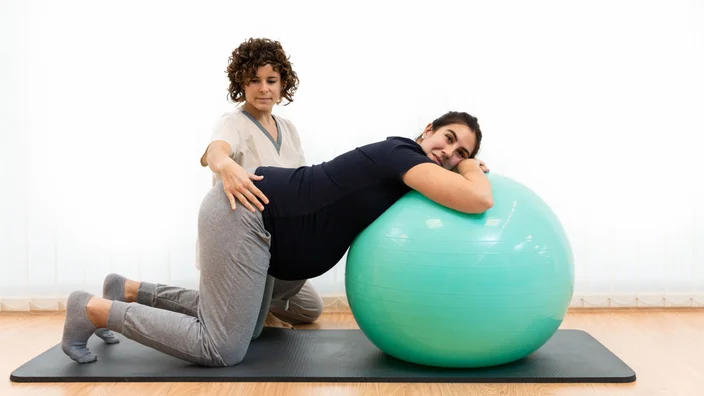
Physiotherapy offers a variety of techniques and exercises tailored to the needs of pregnant women to help reduce back pain. The key components are:
Training programs:
-
- Strengthening exercises: These exercises focus on strengthening the core muscles, including the abdominal and pelvic floor muscles to support the back.
- Stretching exercises: Gentle stretching can help reduce muscle tension and improve flexibility.
- Aerobic exercise: Low-impact activities such as walking or swimming can increase overall fitness and reduce pain.
- Posture training: Teaching pregnant women proper posture can help reduce pressure on the back. This includes guidance on sitting, standing and sleeping positions that are more supportive.
Manual therapy: Techniques such as massage, mobilization, and manipulation can help reduce pain and improve mobility. These works are done by trained physiotherapists.
Education: providing information about body mechanics and ergonomics can help pregnant women make adjustments in their daily activities to reduce pressure on their backs.
Benefits of physiotherapy
-
- Pain relief: targeted exercises and treatments can significantly reduce back pain.
- Mobility improvement: Physiotherapy helps maintain and improve mobility and makes daily activities easier.
- Improve health: Regular physical therapy can improve overall physical and mental well-being during pregnancy.
- Preparation for childbirth: strengthening the core and pelvic muscles can help with labor and delivery.
When should you seek medical advice?
Severe pain: If back pain is severe, persistent, or accompanied by other symptoms such as fever, it is important to consult a health care provider.
Neurological symptoms: If there is numbness, tingling, or weakness in the legs, medical attention is necessary because it could indicate a more serious condition such as sciatica or a herniated disc.
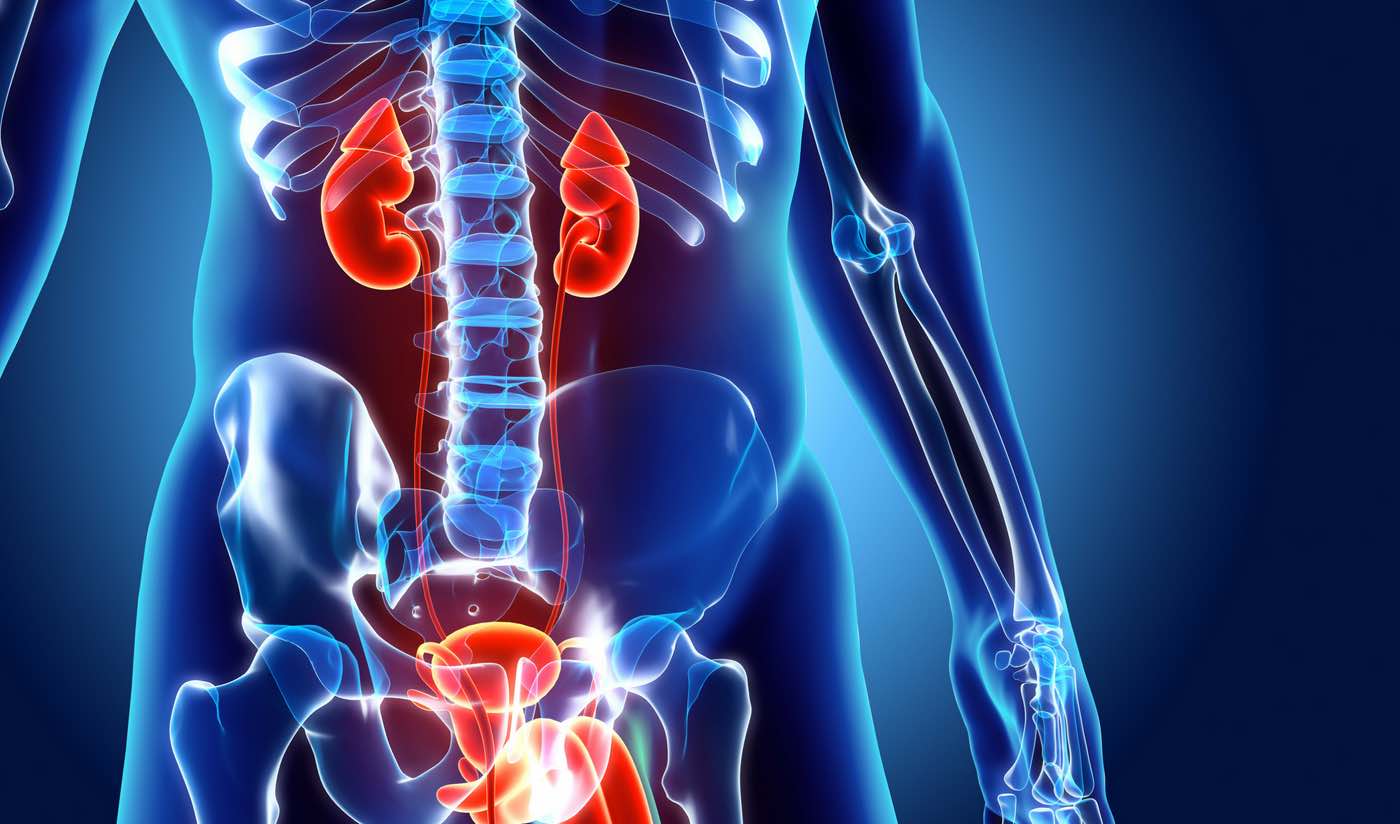
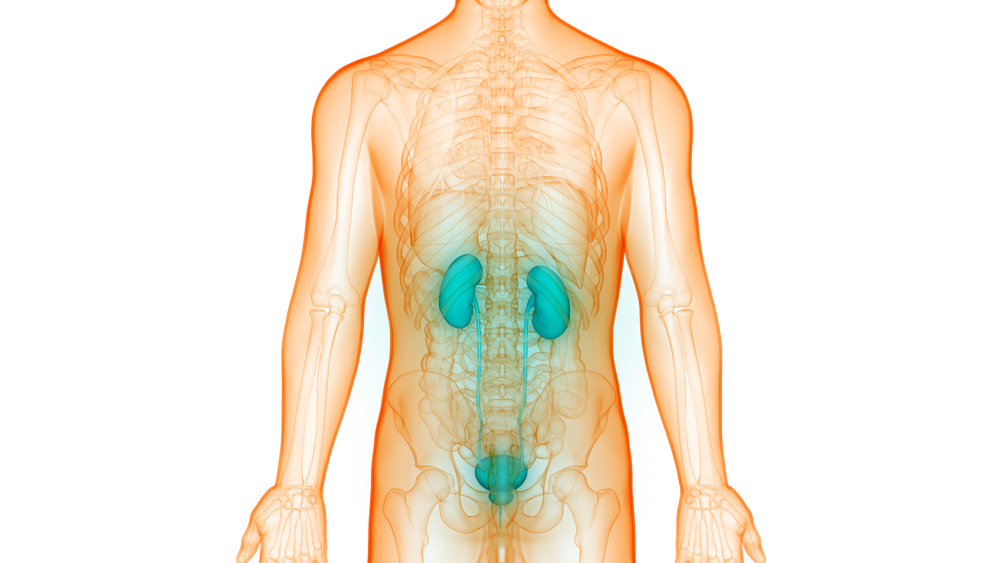
Urinary symptoms: Back pain with urinary problems such as difficulty urinating or blood in the urine may indicate a kidney infection or other urinary tract problems that require medical intervention.
Early contractions: If the back pain is rhythmic and accompanied by abdominal tightening, it can be a sign of premature labor and requires immediate medical attention.
To receive physiotherapy services during pregnancy, you can visit Nagaristan Physiotherapy Clinic in Mashhad. Our specialists have experience in the field of pelvic floor physiotherapy and can help expectant mothers to manage complications during pregnancy.