
Diet package during breastfeeding
One of the concerns of women who have just given birth is to return to their previous weight. The question of many of these women is, can I go on a diet and reach my pre-pregnancy weight? What foods should I eat to have enough milk? In response to these questions, it must be said that this issue depends on a series of factors that are mentioned below.
Before any discussion, I would like to point out that breastfeeding by a mother to a baby has benefits for both the baby and the mother, and some of the extra fat is used during this period to produce milk.
Milk is the best food for the first six months of a child's life, and it also requires a lot of energy to produce milk. A mother's needs for milk production depend on many nutrients. Also, the volume of breast milk is directly related to the frequency of breastfeeding. Frequent feeding of the baby with breast milk causes more milk to be produced. By starting to use complementary foods and reducing the frequency of breastfeeding, the volume of milk produced decreases and the mother's increased need for nutrients is also moderated. The nursing mother should be encouraged to get enough rest during the day. reduce the amount of work and get help from those around you. The support of the wife is especially important in this regard.

Diet during breastfeeding
In response to the question of whether a woman who has just given birth can diet, it should be said that this depends on whether the mother is breastfeeding her baby or not. If the mother does not breastfeed her baby, she can start the diet immediately after giving birth. But if you breastfeed your baby, it is better to postpone the diet for 6 months and start taking complementary foods for the baby. In fact, if the mother starts a slimming diet from the very beginning of breastfeeding, she will definitely suffer from fatigue and lack of energy and milk.
In this package, we will help you to increase milk in the first stage and reduce fat in the next stage by choosing the best foods while providing essential nutrients to the body of the mother and child.
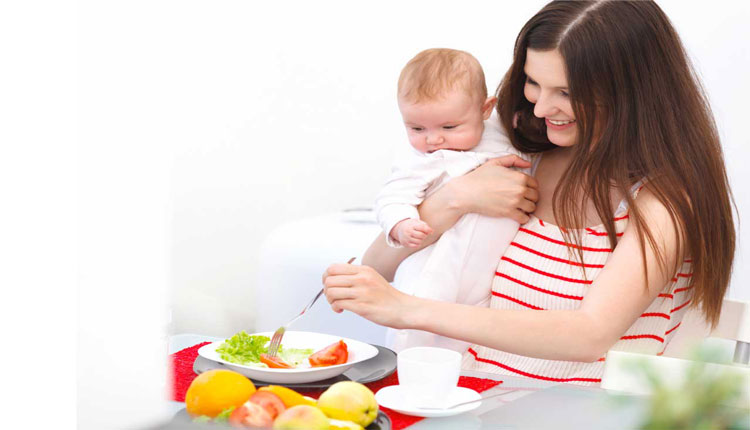
The food that nursing mothers eat helps a lot in the growth and health of the child. As a nursing mother, you should not necessarily eat twice as much, but you should have a variety of food. Milk production requires extra calories and higher levels of nutrients. The required energy increases up to 500 calories per day. Of course, the calorie intake depends on factors such as the mother's BMI (whether the mother is overweight or underweight), the amount of exercise and breastfeeding more than one child.
The amount of vitamins in breast milk is a reflection of the amount of vitamins consumed by the mother. The presence of minerals such as calcium, iron, zinc, copper, phosphorus and iodine is essential in the nutrition of nursing mothers. However, some minerals such as calcium, phosphorus, iron and zinc can enter milk from the mother's body reserves regardless of food intake. The presence of some minerals such as iodine in mother's milk is directly related to her nutrition.
The food of a nursing mother should contain all food groups to ensure adequate intake of vitamins and minerals. Every meal should contain fruits, vegetables, grains, protein and healthy fats.
foods containing protein and low-fat dairy products such as milk, cheese, yogurt, meat and chicken, beef and lamb, fish, eggs and legumes (beans and Lentils)
Fruits and vegetables such as citrus, berries, mango, apple, banana, carrot, potato, bell pepper, tomato, pumpkin, celery and cabbage
Useful fats rich in unsaturated fatty acids and omega 3 such as olive oil, eggs, nuts and seeds (almonds and walnuts) and avocado
whole grains such as wheat, barley and whole grain breads
you should drink enough fluids to prevent dehydration. Drink about 8-10 glasses of liquids, including milk, low-salt and non-carbonated buttermilk, tea and natural juice, and use watery foods such as soups and stews. class="vc_tta-panel-heading">
Foods that should not be consumed
Eating almost any food can be done during breastfeeding. Unless you are allergic to a certain food, of course, some food flavors, spices or drinks can change the taste of milk.
The consumption of caffeinated drinks such as Coca-Cola, strong tea and coffee should be reduced because the consumption of these substances may cause irritability, loss of appetite and lack of sleep in the infant. (Coffee consumption should be limited to 2 to 3 cups per day and no more than three cups of caffeinated food should be consumed per day)
Alcoholic drinks should be avoided. Alcohol can pass into breast milk and cause irritation and inappropriate sleep of the baby.
Fish is a good source of omega-3 fatty acid, which is important for the development of the baby's brain, but some fish and seafood can contain high levels of mercury, mercury is toxic and its high level can affect the baby's central nervous system. Therefore, fish containing mercury should not be consumed.
Some herbal supplements: using herbs and spices for seasoning is safe, but some herbal supplements can contain heavy and harmful metals.
Consumption of foods containing preservatives and processed foods: These foods are high in calories, unhealthy fat, and high in sugar, and at the same time, they are low in fiber, vitamins, and minerals. These foods cause overweight and obesity in nursing mothers and affect the milk. Considering that the mother's diet during breastfeeding affects the child's diet in the future, and by consuming these unhealthy foods, the child may prefer fatty and sweet foods in the future. Spices and spices may affect the taste of milk, and a sudden change in the taste of milk may cause the infant to not want to drink milk. Considering the effect of some foods on the taste of milk, if the infant refuses to breastfeed, it is better for mothers to avoid or limit the consumption of these substances
Consumption of foods such as garlic, onions, legumes, cabbage, turnips, fruits such as apricots, plums, peaches, watermelons, some vegetables by the mother causes bloating and abdominal pain or colic in the infant. If the infant experiences bloating and heartache 24 hours after eating the mentioned substances, avoid consuming them. In general, a nursing mother can eat any food she wants, unless she feels that her infant will suffer from abdominal pain after eating that food. class="vc_tta-panel-heading">
Consumption of supplements
As mentioned, a healthy diet is the most important factor during breastfeeding, but because mothers may lack some nutrients due to not consuming the right foods and increasing the energy required for milk production, Taking supplements can help increase nutrients. Supplements such as multivitamin, vitamin D, iron in case of anemia and omega 3 can be used during this period with the consultation of a doctor or nutritionist. For example, vitamin D deficiency is very common among lactating women, and its deficiency can lead to negative consequences, including an increased risk of postpartum depression. class="vc_tta-panel-title vc_tta-controls-icon-position-right">Exercise and breastfeeding vc_tta-controls-icon-plus">
Adequate physical activity is important to improve the physical and mental condition of a nursing mother. Although regular and moderate exercise in women who were physically fit before pregnancy is not an obstacle to breastfeeding, sometimes it has been seen that after intense physical activity and exercise, a bitter taste is created in the milk due to the entry of lactic acid into the milk, and the infant refuses to eat milk. In these cases, it is necessary to wash your breast before breastfeeding, and if the infant still does not want to feed, express and discard a small amount of your milk before feeding the infant and then start breastfeeding.
Usually, after six weeks, you can include walking in your daily routine and gradually go to heavier sports.
Summary: Losing weight after childbirth takes time and as There has been an increase in weight and fat during 9 months, the body should be given enough time to lose weight. With the many hormonal changes that occur during breastfeeding and the amount of calories needed to produce breast milk, the appetite usually increases during breastfeeding, and restricting too much calories during the first 6 months of breastfeeding reduces the amount of milk and energy levels, and the mother feels tired. So start the diet slowly. class="wpb_wrapper">
Methods of communication with Hera Clinic
Contact number: 02166933869 and 02166933906
Online consultation at WhatsApp Messenger
Thanks site management