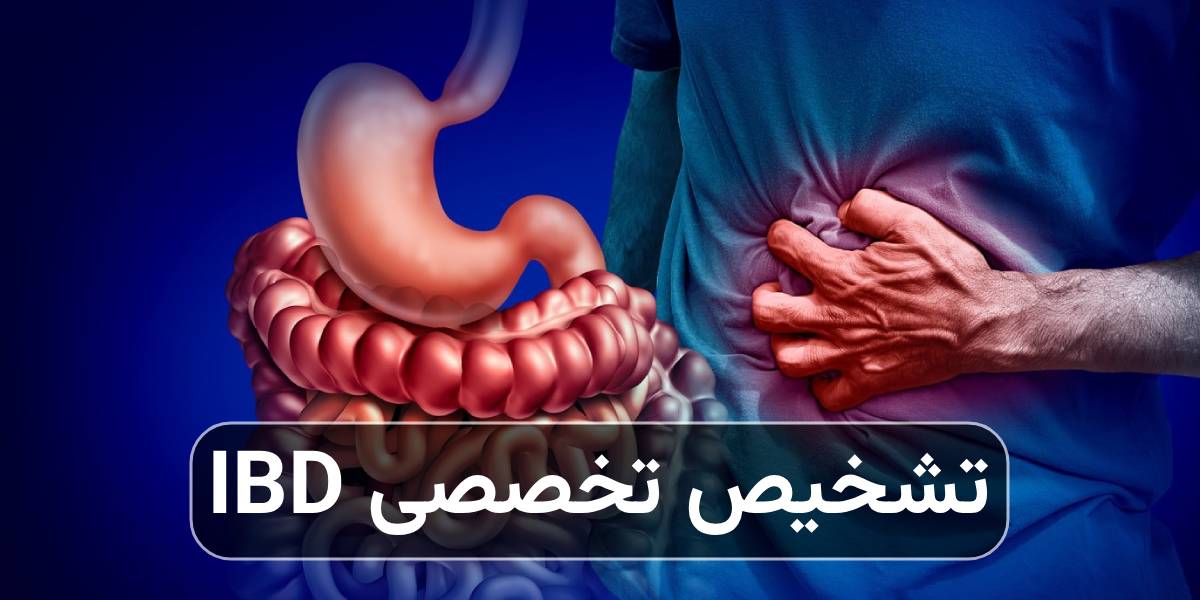

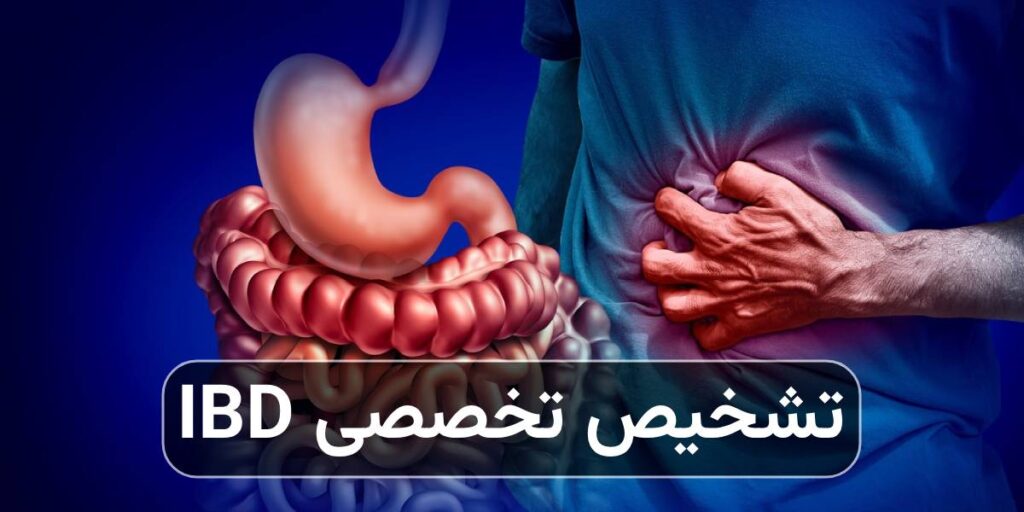
دستگاه گوارش یکی از پیچیدهترین سیستمهای بدن انسان است و نقش اساسی در تأمین انرژی، جذب مواد مغذی و حفظ سلامت عمومی بدن ایفا میکند. Any chronic disorder in the functioning of the intestines can seriously affect a person's life. Among digestive diseases, inflammatory bowel diseases or IBD (Inflammatory Bowel Disease) are considered to be one of the most important and challenging diseases. Specialist diagnosisIBD is important in the sense that it includes different diseases.
IBD includes two main diseases known as Crohn's disease and ulcerative colitis. Although these two diseases have many common symptoms, they have important differences with each other in terms of location of involvement, type of inflammation, complications and even diagnostic and treatment approach. For this reason, specialized diagnosis of IBD plays a key role in controlling the disease, reducing complications and improving the quality of life of patients.
In this article, we intend to comprehensively examine what IBD is and why it is important, and what are the differences between Crohn's and ulcerative colitis as the two main diseases.
What is IBD?
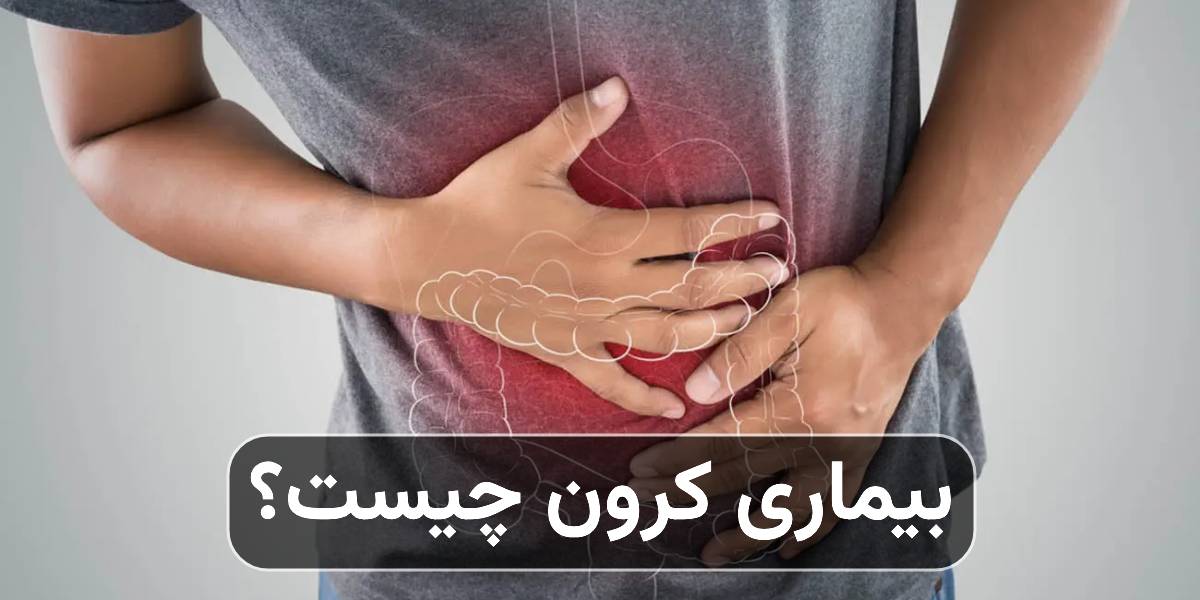
IBD or inflammatory bowel disease is a group of chronic diseases that are associated with long-term inflammation of the digestive tract. This inflammation is usually caused by the abnormal reaction of the body's immune system to the intestinal tissues.
Among the most important features of IBD, the following can be mentioned:
- Chronic and long-term nature
- periods of recurrence and silence
- need for continuous medical follow-up
- Significant impact on the quality of life
What is Crohn's disease?

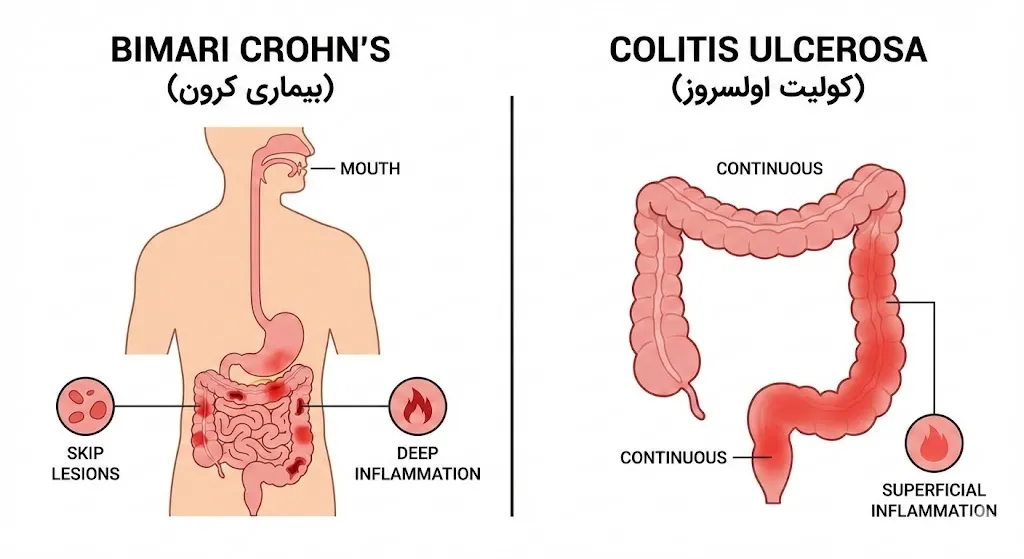
One of the common questions asked by a large percentage of users is What is Crohn's disease and why is it difficult to diagnose? Crohn's disease is one type of inflammatory bowel disease that can affect any part of the digestive system, from the mouth to the anus. However, the most common site of involvement of this disease is the end of the small intestine (ileum) and the beginning of the large intestine. The most important characteristics of Crohn's disease that should be considered in the specialized diagnosisIBD are as follows:
- Inflammation in a piecemeal and non-continuous manner
- Involvement of all layers of the intestinal wall
- Possibility of causing stenosis, fistula and abscess
- various and sometimes non-digestive symptoms
Common symptoms of Crohn's
Among the most common symptoms of Crohn's disease in different people, the following can be mentioned:
- Chronic diarrhea
- Abdominal pain (often in the lower right side of the abdomen)
- Weight loss
- Severe fatigue
- Slight fever Anemia
In response to the question of what Crohn's disease is, it should be said that Crohn's is not just an intestinal problem, but a systemic disease that can affect the joints, skin, eyes, and even bones.
What is ulcerative colitis?
In response to this question What is Ulcerative Colitis It should be said that it is another type of inflammatory bowel disease or IBD, which is different from Crohn's disease. This disease affects only the large intestine (colon and rectum). Among the most important features of ulcerative colitis that are important in the specialized diagnosisIBD, the following can be mentioned:
- Inflammation limited to the colon
- Continuous and uniform involvement of the intestinal mucosa
- No involvement of the deep layers of the intestine
- Usually starting from the rectum
Common symptoms of ulcerative colitis
The most common symptoms of ulcerative colitis that may be seen in different people are as follows:
- Bloody diarrhea
- removal of mucus
- Abdominal pain
- Feeling of incomplete elimination
- Weight loss Anemia
If we want to simply explain what ulcerative colitis is, we can say that it is a disease that causes ulceration and superficial inflammation of the large intestine and is often accompanied by intestinal bleeding.
The main differences between Crohn's and ulcerative colitis
Professional diagnosis of IBD is not possible without knowing the differences between these two diseases. These two diseases are different from each other in various aspects, which are discussed in detail in the following table:
| Differences | ulcerative colitis | cron |
| Difference in conflict location | Colon only | from mouth to anus |
| Difference in inflammation pattern | continuous and uniform | fragmented and discontinuous |
| Difference in the depth of inflammation | mucosal layer only | full thickness of intestinal wall |
| difference in complications | Heavy bleeding, increased risk of colon cancer | Fistula, stenosis, obstruction |
Why is the specialized diagnosis of IBD important?
The symptoms of Crohn's and ulcerative colitis as two inflammatory bowel diseases are very similar. This makes many patients live with wrong or incomplete diagnosis for years. Misdiagnosis of the type of inflammatory bowel disease can lead to the following:
- Ineffective treatment
- Exacerbation of symptoms
- Increasing complications
- Severe drop in quality of life
This issue has made professional diagnosis IBD become very important. The most important cases of the importance of this type of diagnosis are as follows:
- The exact type of the disease is determined
- The intensity and location of the conflict is determined
- The treatment program is personalized
Stages of specialized diagnosis of IBD
Specialized diagnosis of IBD is a detailed and multi-step process and is performed by a gastroenterologist and liver specialist during the following steps:
- Detailed medical history: The doctor asks about things such as the duration and type of symptoms, the presence of blood in the stool, family history, weight loss or fever, and the history of taking medication.
- Blood tests: performed to check inflammatory indicators, anemia, and the state of the immune system.
- Stool test: It is done to rule out intestinal infections and check inflammatory markers such as calprotectin.
- Colonoscopy and biopsy: the most important method is the specialized diagnosisIBD, which helps to directly observe the intestinal mucosa, take tissue samples, and differentiate between Crohn's and ulcerative colitis.
- Specialized imaging: in special cases, MRI enterography, CT scan, and ultrasound of the intestine are performed, which are very important in investigating the involvement of the small intestine in Crohn's disease.
Differential diagnosis; Why is it not always simple?

Regarding the differential diagnosis of inflammatory bowel diseases, it should be noted that some diseases, such as the following, can cause symptoms similar to IBD:
- Irritable bowel syndrome (IBS) Chronic infections
- Intestinal tuberculosis
- Intestinal cancer Ischemic colitis
For this reason specialized diagnosis IBD should be done by a gastroenterologist and with a thorough examination.
The role of pathology in the specialized diagnosis of IBD
In special diagnosisIBD examination of biopsy samples under the microscope provides important information to the specialist doctor, including the following:
- Type of inflammation
- Depth of conflict
- Presence of ulcer or granuloma (important in Crohn's)
This issue has made pathology one of the main pillars of specialized diagnosis in inflammatory bowel diseases.
The importance of early diagnosis
In inflammatory bowel diseases or IBD, early diagnosis is very important and leads to the following:
- Better control of inflammation
- Reduction of complications
- Preventing unnecessary surgeries
- Improving the quality of life
Living with IBD after diagnosis
After the specialized diagnosisIBD, the doctor performs the following in the Inflammatory Bowel Disease Clinic:
- Targeted treatment begins
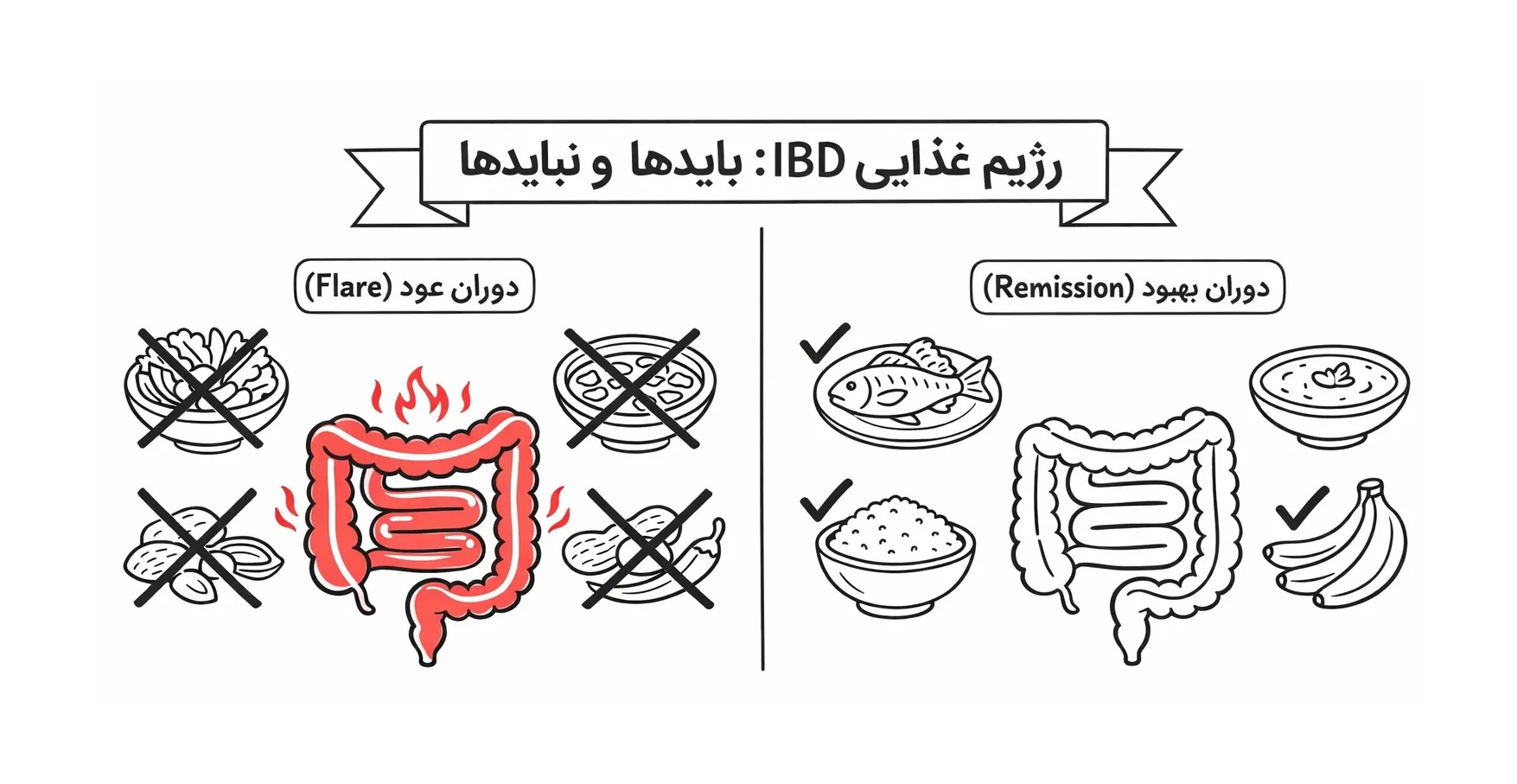
- The diet is adjusted
- Regular follow-up is done
- The patient is taught how to live with the disease
Many patients can live an active and normal life with proper diagnosis and proper treatment. Crohn's and ulcerative colitis are two inflammatory bowel diseases with similar symptoms but different nature. These conditions make their diagnosis impossible without specialized examination. If you have chronic digestive symptoms, it is very important to refer to a gastroenterology and liver specialist like Dr. Alireza Sima to perform necessary examinations and prevent serious complications in the future.