
Table of contents
Sugar is one of the most widely consumed food in the world, which is present in many foods and drinks. In addition to white sugar, there is another type of this material called brown sugar, which has attracted a lot of attention due to its color, flavor and taste. Many people think that this substance is a healthier option than white sugar, and some even consider it a harmless alternative to the diet. In fact, the presence of molasses in the composition of brown sugar makes this product have more minerals and nutritional value in addition to sweetness. It should not be forgotten that both types of sugar are basically a source of calories and simple sugar, and their excessive consumption can have negative consequences for the health of the body. In this article from the best nutritionist we discuss the properties and effects of brown sugar on the diet.
Properties of brown sugar
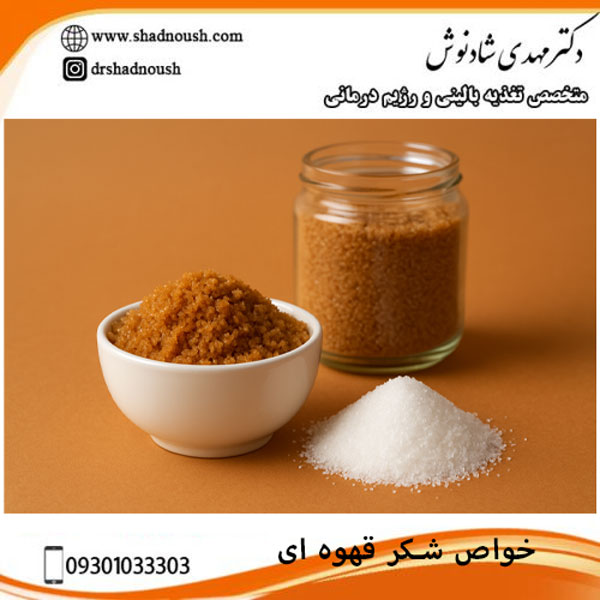
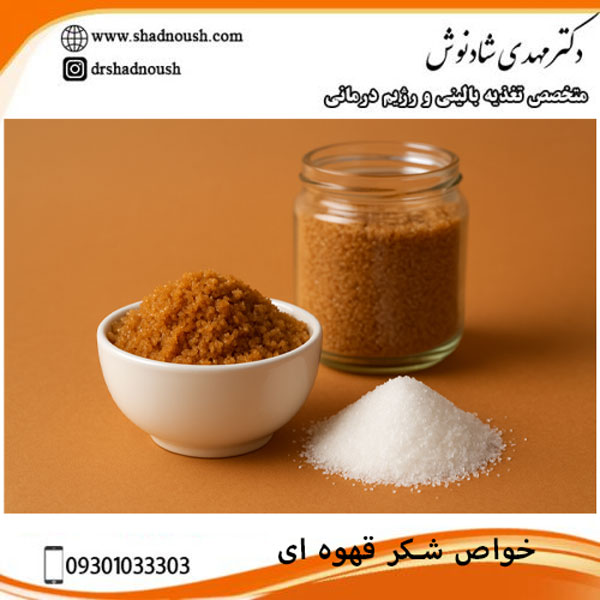
Brown sugar is a kind of natural sweetener. It is obtained from sugar cane or sugar beet and due to the presence of molasses, it has a darker color, caramel taste and special aroma than white sugar. This molasses is a source of some minerals such as calcium, potassium, magnesium and iron. Of course, the amount of these ingredients in brown sugar is not high, but it has more nutritional value than white sugar.
One of the properties of this sugar is the quick supply of energy. The sucrose in it is quickly broken down in the body and provides short-term energy for daily activities. For this reason, it is used in some foods and drinks to relieve fatigue or improve the taste.
Due to the presence of molasses, it has a special taste that is very popular in baking all kinds of cakes, sweets and even drinks. However, it should not be forgotten that brown sugar is still a source of simple sugar, and too much of it can cause the same problems as white sugar, such as obesity, high blood sugar, type 2 diabetes, and heart disease. Therefore, it is better to use it as a natural and tasty sweetener in moderation.
In general, we can say that brown sugar is a more pleasant choice than white sugar due to its molasses and minerals, but it cannot be considered a completely healthy alternative. The best approach is to limit the consumption of any type of sugar and to provide more natural sweetness through fruits and healthy food sources.
To receive advice and book an appointment with Dr. Shadnoush, fill in your information in the form below. > What is brown sugar?
In sources of traditional medicine, brown sugar is introduced as having a warm and moist nature. This feature makes it useful for people with a cold temperament or those with weak energy and lethargy. This sugar can play a role in improving blood flow and increasing physical vitality. However, it should be noted that the view of traditional medicine is more complementary and cannot replace scientific and medical recommendations. Therefore, the use of this sugar should be moderate in order to benefit from its properties and avoid possible harm.
The difference between white and brown sugar: facts and common beliefs
Many people think that brown sugar is completely healthier than white sugar and can be consumed without worry. The fact is that both types of sugar consist of almost pure sucrose and do not differ significantly in terms of calories. The only main difference between them is the presence of molasses in brown sugar, which makes it have a darker color, caramel taste and a small amount of minerals such as calcium, iron and potassium. Of course, this amount is so small that it does not create a significant nutritional effect.
Table of differences between brown and white sugar
| white sugar | brown sugar | |
|---|---|---|
| style="border: 1px solid #ddd; padding: 8px;">White, no particular taste | Brown, caramel flavor | |
| Minerals | almost zero | small amount (calcium, iron, potassium) |
| about 387 kilocalories | about 380 kilocalories | |
| glycemic index (GI) | 64-65 | refined more, contain Molasses |
| use in cooking | soft, all-purpose sweet | special flavor in cakes and Dessert |
Sugar consumption and heart health and metabolism
Excessive sugar consumption, whether white or brown, can put a lot of pressure on the body's metabolism. The simple sugar in sugar causes a rapid increase in blood glucose and increases the risk of insulin resistance and type 2 diabetes in the long run. Also, high sugar intake is associated with weight gain, increased triglycerides, and decreased good cholesterol (HDL); Factors that threaten cardiovascular health. Brown sugar has few minerals due to the presence of molasses, but this slight difference does not prevent the negative effects of its high consumption on the heart and metabolism.
Nutritionist's opinion about replacing brown sugar
Nutritionists believe that although brown sugar has a little more minerals than white sugar, it does not make a significant difference in terms of calories and sugar. Therefore, it is recommended in regimen Food, instead of relying on brown or white sugar, use healthier alternatives. The best choices include natural honey, date juice, mulberry juice, stevia and dried fruits, which in addition to providing a sweet taste, also have more nutrients. Of course, even these substitutes should be consumed in moderation, because too much of any type of sweetener can lead to weight gain and metabolic problems. In general, experts emphasize that the main goal should be to reduce the overall consumption of simple sugars and increase the intake of natural sweetness from fruits. rich-snippet-hidden">1404-10-07T13:50:20+00:00