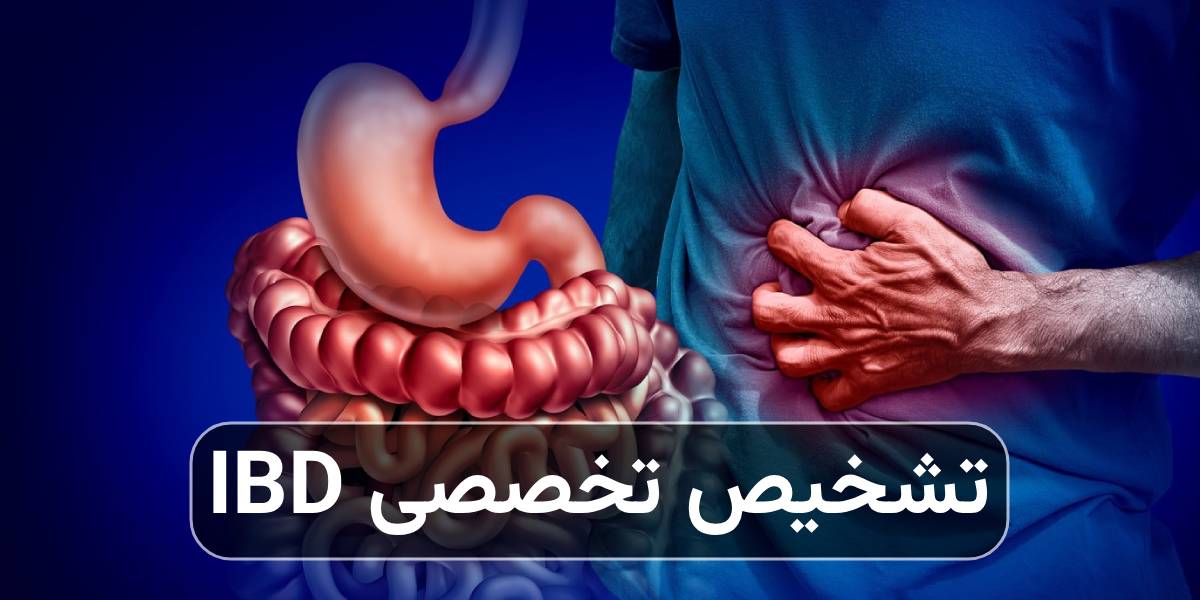

بیماریهای التهابی روده یا IBD (Inflammatory Bowel Disease) مجموعهای از اختلالات مزمن دستگاه گوارش هستند که سالها است کیفیت زندگی میلیونها نفر را تحت تأثیر قرار دادهاند. These diseases include ulcerative colitis and Crohn's disease; Both are associated with chronic inflammation of the intestinal lining and symptoms such as abdominal pain, diarrhea, weight loss, and fatigue.
Diagnosis of IBD usually requires a specialist diagnosis, as its symptoms can be similar to those of other intestinal diseases. After diagnosis, targeted treatment is very important to reduce inflammation, control disease recurrence and improve the patient's quality of life. One of the targeted treatment is biological treatmentIBD.
In recent years, traditional drugs (such as corticosteroids and immunosuppressive drugs) were only part of the treatment, but with the advancement of science, biological treatment IBD has emerged as one of the most powerful options. By precisely targeting inflammatory molecules, these drugs have much more beneficial effects than older treatments.
What is IBD and why does it need targeted treatment?
Inflammatory bowel diseases or IBD refers to two main diseases:
-
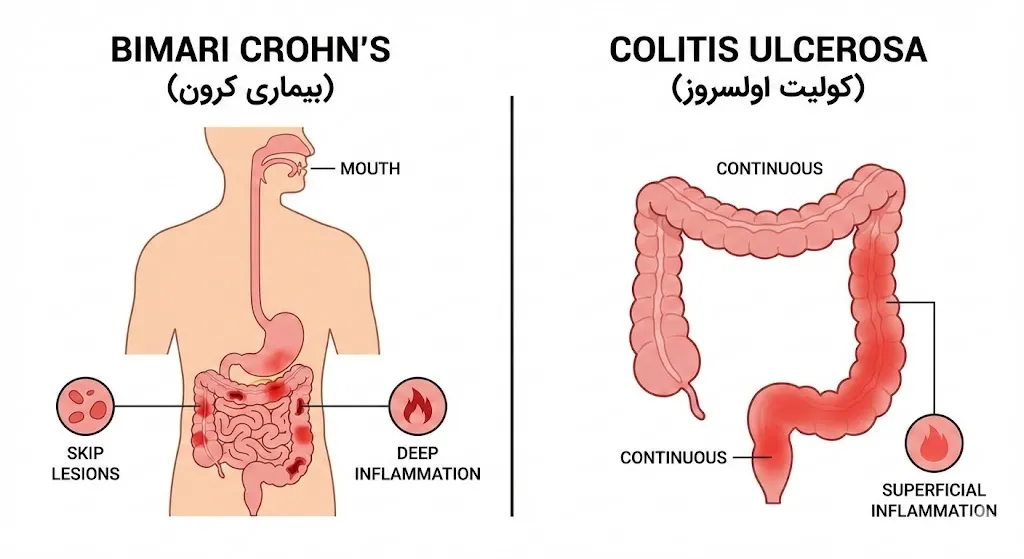
Illness Crohn: inflammation can involve any part of the digestive system and be spotty and deep.
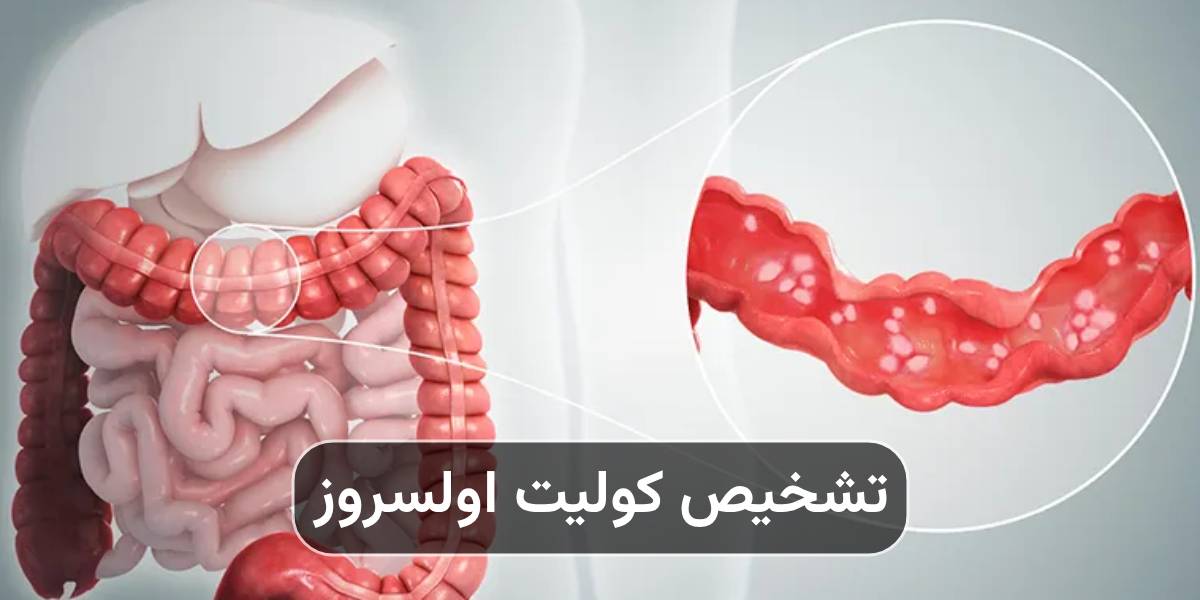
- ulcerative colitis: inflammation is limited to the large intestine and the mucosal surface layer.
Both types of diseases can have active and inactive periods, and if not properly treated, they can lead to serious complications such as intestinal stricture, fistula, intestinal cancer and reduced quality of life.
From traditional treatments to biological treatment
Older treatments for IBD usually include:
- Non-steroidal anti-inflammatory drugs
- Corticosteroids
- immunosuppressive drugs such as azathioprine and methotrexate
What is the biological treatment of IBD?
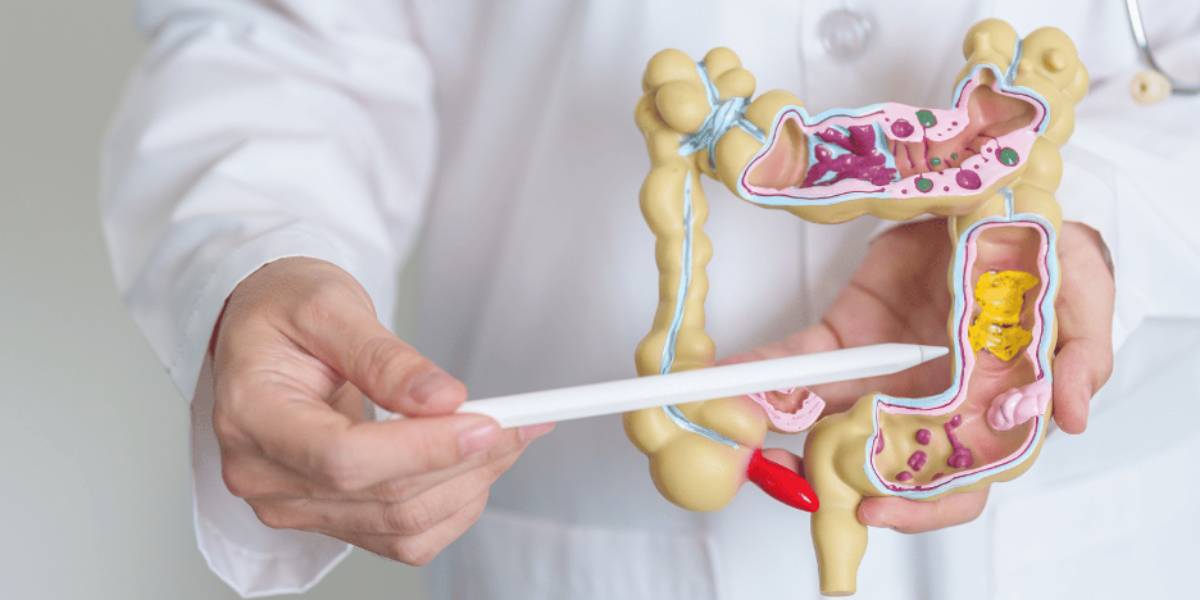
In the definition of biological treatmentIBD, it should be said that this treatment method refers to the use of drugs produced from biological sources (such as antibodies or recombinant proteins) that specifically target molecular pathways in inflammation. These drugs affect specific molecules that play a role in the inflammation of IBD, including the following:
- TNF-α
- Interleukins (IL-12, IL-23) Cell adhesion receptors
- Many other factors in the way of safety
As a result, inflammation is reduced without suppressing the entire immune system.
Basic advantages of biological treatment compared to traditional methods
Among the most important advantages of biological treatmentIBD compared to traditional methods, the following can be mentioned:
- Targeted and precise effect: it targets only pathways related to inflammation.
- Reduction of systemic side effects: it is less compared to corticosteroids and general suppressants.
- Increasing the possibility of sustainable recovery: Many patients enter the shutdown phase after long-term treatment.
- Possibility of reducing the dose of other drugs: by controlling inflammation, the need for complicated drugs is reduced.
- Decreasing the need for surgery: in resistant cases, biological treatment can delay or even make surgery unnecessary.
The newest biological drugs in the world
To date, several biologic drugs have been approved for the treatment of IBD or are in the final stages of research and development. Below is a list of the most common and most recent ones:Infliximab
One of the pioneering drugs in the biological treatment of IBD. This drug blocks TNF-α, a molecule that plays a major role in inflammation. Among the most important uses of this drug, the following can be mentioned:
- Treatment of moderate to severe ulcerative colitis
- Treatment of active Crohn's disease
This drug has a quick effect in reducing inflammation and should be taken as an intravenous injection.
Adalimumab
Another monoclonal antibody that binds to TNF-α and reduces inflammation. The benefits of using this drug in biological treatmentIBD are as follows:- Subcutaneous injection at home
- Effectiveness in patients resistant to other treatments
Golimumab
Approved and prescribed for moderate to severe ulcerative colitis. The way to take this medicine is by subcutaneous injection.
Ustekinumab
This drug is one of the interleukin inhibitors in biological treatmentIBD and affects IL-12 and IL-23, which play a role in inflammation. This drug can be used to treat Crohn's disease and ulcerative colitis. The advantages of ostechizomat are as follows:
- Longer doses between injections
- Less side effects than TNF-α
Vedolizumab
This drug blocks the cell adhesion pathway and prevents inflammatory cells from entering the intestinal mucosa. The benefits of this drug for biological treatmentIBD are as follows:
- A choice for the gut
- Very few systemic side effects
Tofacitinib
An oral drug that inhibits the JAK pathway, which is involved in inflammation. The difference of this new generation drug in biological treatmentIBD with other biologics is that it is a molecular inhibitor, not an antibody inhibitor. The benefits of using this drug are as follows:
- being edible
- Fast effect
How does an IBD specialist determine which biologic is appropriate?
Before starting biological treatment, specialized diagnosis IBD Be careful. This process usually includes the following:
- Colonoscopy with biopsy: direct observation of the intestinal mucosa
- Blood and urine tests: investigation of systemic inflammation
- Imaging (MRI, CT) in some cases
- Pathological tests
After determining the type of disease and its severity, the gastroenterologist chooses the best biological treatmentIBD option. The choice of drug for treatment depends on the following factors:
- Type of disease (Crohn's or ulcerative colitis)
- Place and severity of inflammation
- Response to previous treatments
- General health status of the patient
Advantages and disadvantages of biological treatment of IBD
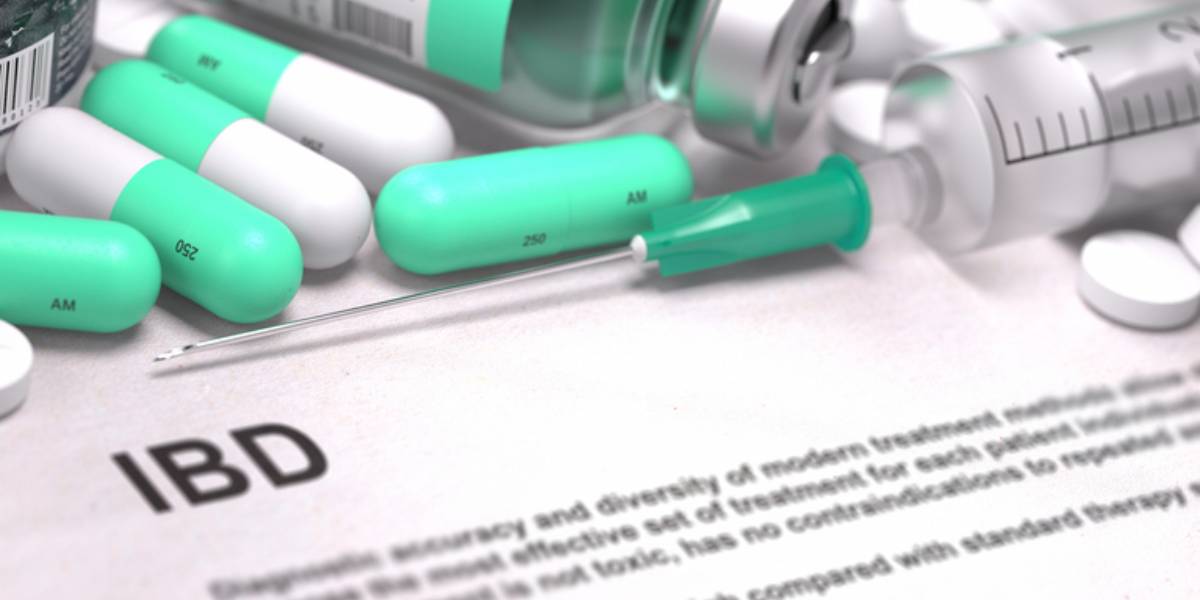
In choosing biological treatmentIBD, it is very important to know the advantages and disadvantages of this method:
| Advantages | Disadvantages |
| Effective and significant inflammation reduction
Increasing the quality of life Decreasing the need for corticosteroids Decreasing the need for surgery |
High cost
need for injection or intravenous injection Danger of opportunistic infections Different individual response |
When are biologics prescribed?
Biologic treatment IBD is usually recommended at the following times:
- The disease is moderate to severe
- Does not respond to standard treatments
- The patient has complications of inflammation (such as fistula, deep wounds)
- Need long-term treatment with minimal side effects
The role of non-pharmacological support in addition to biological treatment
Biological treatment IBD alone is not enough. Because the successful treatment of IBD usually requires a multidimensional approach as follows:
- Diet modification: consumption of foods that aggravate inflammation should be reduced.
- Stress management and psychological support: anxiety and depression can aggravate the disease.
- Adequate physical activity: Doing light exercise helps to improve bowel function.
- Periodic examinations: endoscopy and periodic tests are necessary to evaluate the response to treatment.
Biological treatment IBD is considered one of the most important developments in the last century in the management of inflammatory bowel diseases. By precisely targeting the inflammatory pathways, these drugs are more effective than traditional treatments and bring many patients into remission.
Combining biological treatment with more complete approaches such as lifestyle modification, stress management and periodical follow-ups results in better results and significantly increases the quality of life of patients. The process is carried out by Dr. Alireza Sima, gastroenterology and liver specialist at the Inflammatory Bowel Diseases Clinic based on the latest and most up-to-date scientific guidelines in the world.