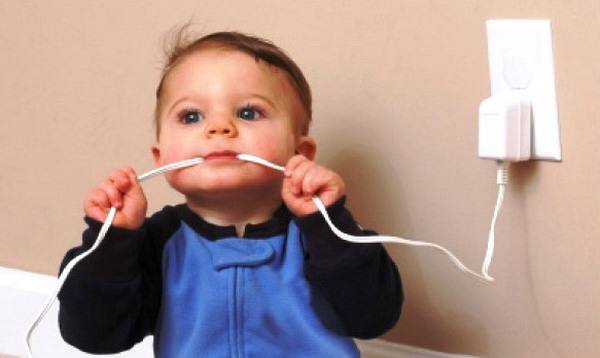

Who is the maladjusted child?
The term "incompatible child" ("Incompatible Child") is used as a general concept and refers to a wide group of children who face behavioral, social or academic challenges.
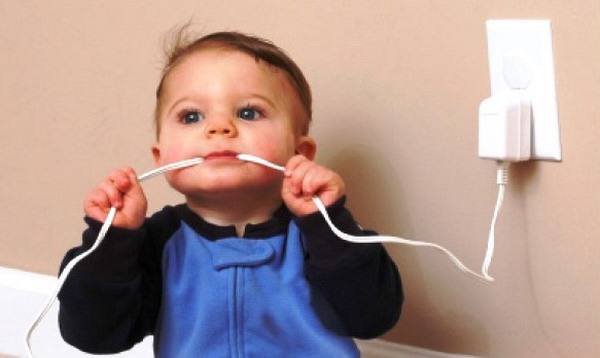
"Non-compliant children" refers to children who have normal intelligence or even high intelligence, but behave abnormally and abnormally and are not normally able to maintain a relationship with another person. These children are also called "children who are not popular with others", or "children who cannot be measured with our ruler", "lawless children".
The use of the label "maladaptive child" may be used when the child is facing behavioral, social, or academic challenges and his performance is significantly different from the usual criteria. This concept may be used as an indicator to identify children with problems such as behavioral disorders, Anxiety, Depression, or academic problems should be used.
But in order to ensure the accuracy of using this label and prevent its incorrect or superficial use, it is better to carefully examine the description of the child and his condition. The use of this label should be done with careful analysis and consideration of the child's needs and situation, and may also require professional evaluations by experts to obtain a more accurate diagnosis of the child's issues and needs.
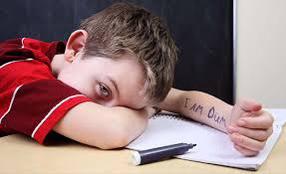
Inconsistency in children is caused by a feeling of insecurity, and it can be said that a non-compliant child, even if it seems illogical, is more honest than an obedient child. Inconsistency is not the opposite of conformity, but it is contrary to it.
For example, a child does something and the parents get angry, but the child repeats the action regardless of the parents' anger. up to eleven years old and the fourth stage is considered eleven to fourteen years old.
History of using the term "non-compliant child"
. This term was first used in the 1960s with studies of educational psychology and psychiatry, especially in the field of dealing with undesirable behaviors and behavioral problems in children.
During this period, psychologists sought to find solutions to identify and support children who faced behavioral, social, or academic problems and engaged in inappropriate interactions in various environments such as family, school, or community. In this way, the concept of "non-compliant child" was proposed as an indicator to describe this category of children and their needs.
Since then, the concept of "maladaptive child" has been widely studied and investigated by psychologists, educational specialists, and psychiatry, and various methods and solutions have been proposed to identify, diagnose, and support these children.
Definition of maladjusted children in different perspectives:
Recognizing, defining and classifying maladjusted children in different perspectives can help to better understand this group of children. These concepts are explained below from different points of view:
1- maladjusted child from psychological viewpoints:
In psychology, maladjusted children are usually defined as children who do not conform to the standards and expectations of their society, family or environment. They may have behavioral, social, or emotional problems that affect their ability to measure success and social interaction.
Psychologists usually divide maladaptive behaviors into three groups:
2- Inconsistent child from educational and educational perspectives:
In the field of education, maladjusted children may be seen as children who face certain challenges in the educational environment. These challenges can be academic or behavioral and require appropriate educational programs and strategies.
3- Social views:
In social perspectives, maladjusted children may have emerged as a result of the influences of their social and cultural environment. Knowing these effects can help improve the condition of these children.
In general, recognizing and defining maladjusted children from different points of view, not only helps to provide appropriate solutions to support this group of children, but can also help the effectiveness of educational and educational programs and policies.
Classification of maladjusted children:
It can be based on various factors, including:
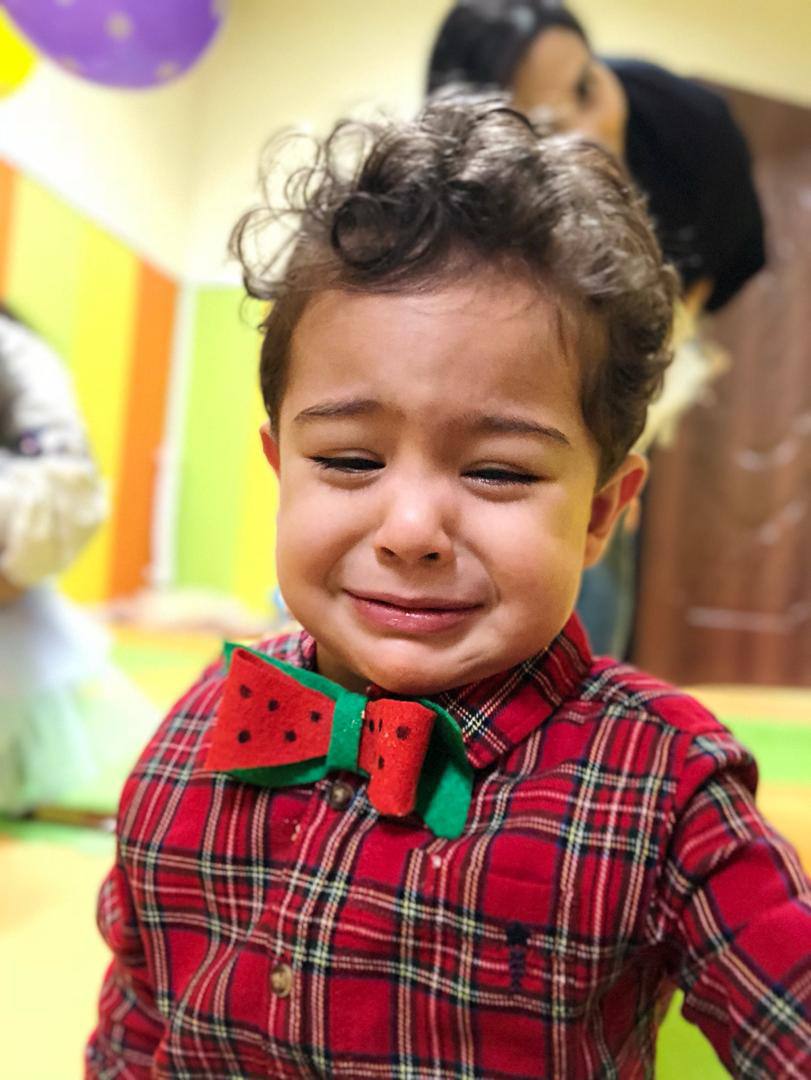
1-. Based on behavioral characteristics:
- behavioral disorders:
Including disorders such as attention deficit disorder and hyperactivity disorder (ADHD), Attention Deficit Hyperactivity Disorder (ADD) and Emotional Developmental Disorder with Disgusting Behavior (ODD).
- Dangerous behavioral disorders:
Children who engage in dangerous behaviors such as drug use, violence or arson may fall into this category.
2-. Based on emotional characteristics:
- Anxiety disorders:
Disorders that are associated with severe and persistent anxiety, such as generalized anxiety disorder (GAD) or social anxiety disorder (SAD).
- Depressive disorders:
Children who experience severe and persistent depressive symptoms may be classified as maladjusted children in this category.
3-. Based on cultural and social factors:
- Immigrant children or children with a primary language other than the peripheral language:
Children facing a new environment and a new culture may face behavioral or emotional problems that are a sign of incompatibility with the new environment.
- Children with inappropriate family conditions:
Including children who grew up in an unstable family environment, social deprivation or family violence.
4-. Based on the characteristics of strengths and weaknesses:
- Children with learning disabilities:Disorders such as dyslexia or dyscalculia can cause academic and behavioral inconsistencies.
- Children with special talents:
Children who have special talents such as artistic, scientific or sports talents may face behavioral or social problems if they are not supported in the right environment.
These classifications reflect the wide variety and complexity of maladjusted children's situations and emphasize that each child's needs for support and assistance may be different.
Warning signs:
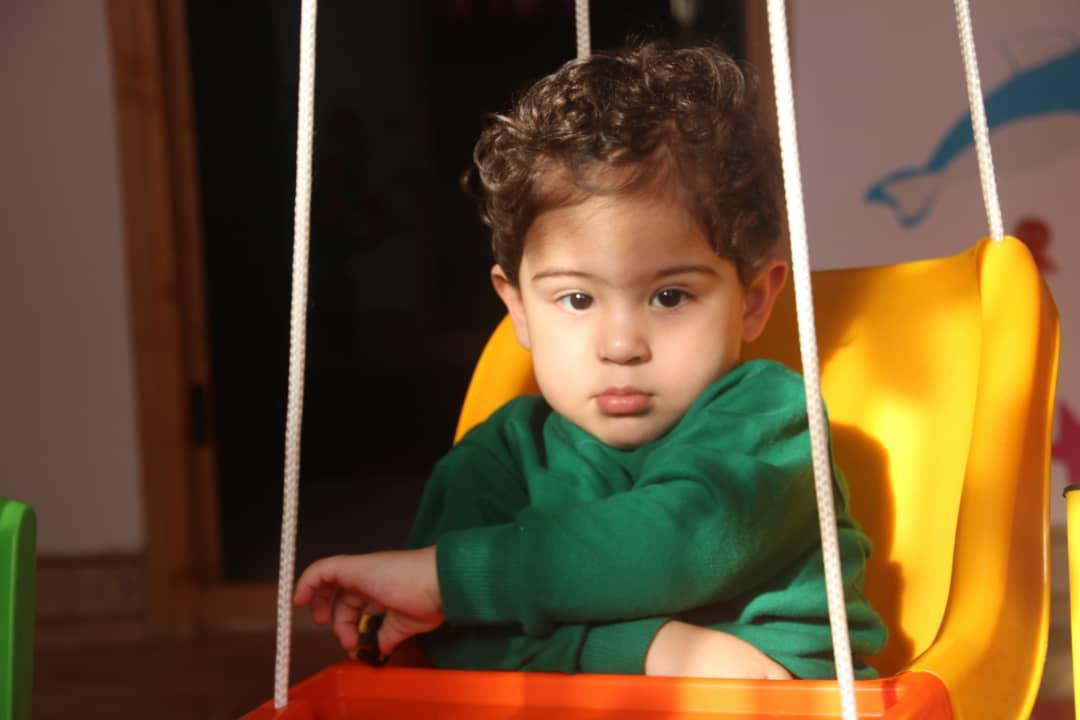
As a parent of a maladjusted child, you may notice some of the following symptoms:
1- Inappropriate behaviors:
The child may exhibit inappropriate behaviors, including disobedience, violence, or suppression of others.
2-. Social problems:
The child may have difficulties establishing social relationships, such as problems with friendships or disagreements with classmates.
3-. Academic problems:
The child's academic performance may be poor, for example, he may have problems with course materials or inability to concentrate and pay attention.
4-. Emotional problems:
The child may show signs of stress, anxiety, or depression, such as becoming overly upset or disinterested in activities they used to enjoy.
5-. Physical problems:
Some maladjusted children may also suffer from physical problems, such as abdominal pain or excessive headaches, which may be caused by psychological tensions.
These are just a few examples of signs that parents may see in maladjusted children. If you notice any of these symptoms in your child, it may be better to talk to a psychologist about the child's condition to find the best solutions to support him.
Some well-known scientists and artists throughout history have suffered from challenges and problems in childhood that may be described by the concept of "maladaptive child". These people have usually served as resources for social, cultural, or scientific growth and development using their talents and motivations.
One of the famous examples of this is Darwin. Charles Darwin, known as the father of evolution, faced various problems and challenges as a child, including academic and social problems. He did not show his operational and academic ability until he was old at school, but by inventing the theory of evolution, he became one of the most important shapers of life science.
Darwin was not a good student and his father did not have much hope for his future. Darwin's father always told him that he does not care about anything other than shooting, dogs and rats, and that he is a disgrace to himself and his family.
One of Darwin's strange deeds, he ate an armadillo during his trip, which he thought was delicious and tasted like duck. Darwin also ate a small chocolate-colored rodent, which he said was the best meat he had ever eaten. Darwin even included a new species of animal in his meals, which was later named in his honor: Darwin's Rhea
This shows that even people who faced problems caused by behavioral or social disorders in childhood can achieve great achievements in various fields by using their abilities and talents.
The term "maladaptive child" in psychology refers to children who do not match the expectations of society, family or school in their environment and as a result may face behavioral, social or academic problems.
This term has been widely used in recent decades, and researchers and professionals have used it to describe children with characteristics that do not conform to the usual expectations or standard criteria of society. This term emphasizes the idea that every child has special needs and characteristics and needs proper support.
How to deal with non-compliant children?
According to numerous psychological studies, the best and most effective factor in the treatment of children's incompatibility is to improve the quality of the relationship between babies, children and adolescents with their parents. Having sympathetic and supportive parents and the resulting peace is exactly the opposite of anxiety and has a great effect on reducing the child's maladjustment.
Methods of dealing with maladjusted children can include the following.
- expressing love and affection
- Having a specific daily schedule and sticking to it.
- Determining logical and fixed limits.
- Dealing with children's affairs.
- Avoid stress.
- Life skills training.
Remember that you need specific advice and guidance for your child's development, Aba Occupational Therapy and Speech Therapy Clinic is ready to help you.
keywords; Maladaptive child, psychology, maladaptive child
Resources:
- Incompatibility of Children and Adolescents translated by Zahra Bazargan (2013) Parents and Teachers Association Publications
- Mansour Mahmoud 2014) Delinquency of Children and Adolescents Cheker Publications
- Milani Far, Behrouz (2013) Psychology of Exceptional Children and Adolescents Qoms Publishing
- Michael Pringle's Needs of Children Translated by Nireh, Ijadi, Javad Shafei Moghadam (2013) Rushd Publications.
- Naderi, Ezzat A..., Seif Naraghi, Maryam (2013) Exceptional students, Amir Kabir Publications.
- Nejati, Hossein (2013) Child Psychology, Bikaran Publishing. Navabinejad, Shekoh (2008) Getting to know the characteristics of growth in the adolescent period of the family and middle school children.
-Vod. P. Varma, Incompatibility and Emotional and Behavioral Problems of Children, translated by Simin Hosseinian (2015), Al-Zahra University Publications (S.) - Fafadar Mohammad Hossein (2013), Developmental Psychology Booklet 2 - Her Miller by Jamiz Arthur Balogh, translated by Mushfiq Hamdani (2016), Safi Alisha Publications. Hornay Karen's nervousness of our age, translated by Khaja Ebrahim Nouri, Negah Publications
Book introduction

Psychology of maladjusted child
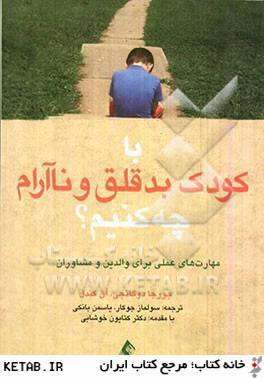
Naughty and inconsistent child
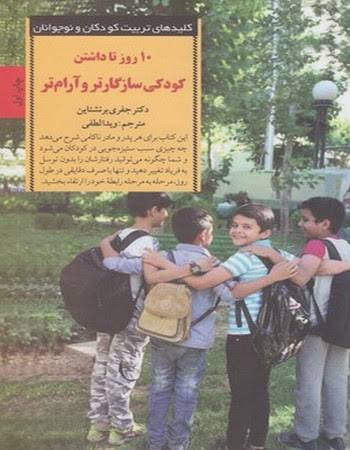
A more adaptable and calmer child
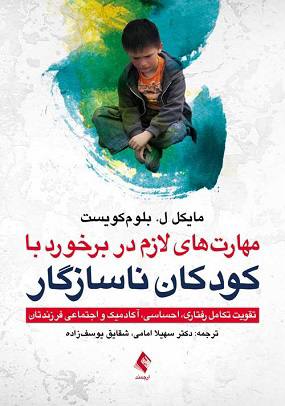
Necessary skills in dealing with maladjusted children
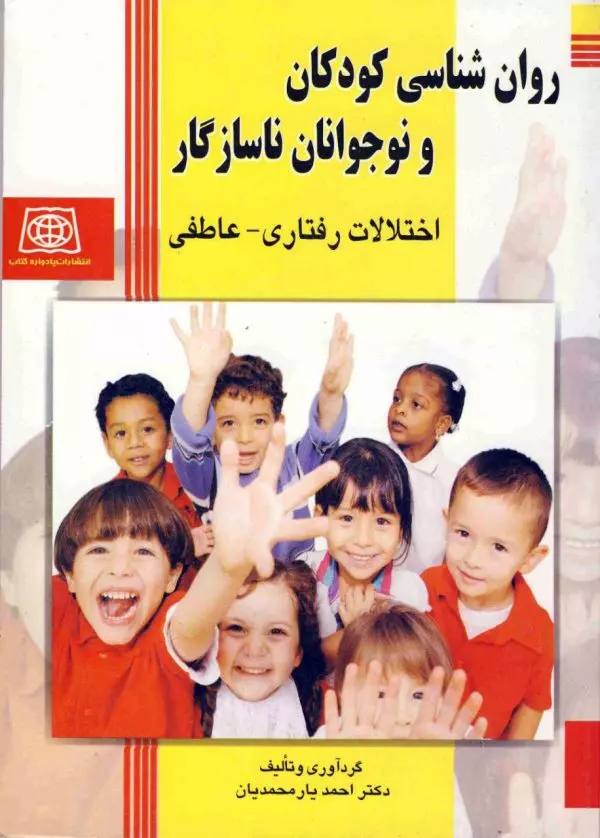
Psychology of maladjusted children and adolescents