Stress is a normal part of everyday life, but when it becomes severe or sudden, it can disrupt concentration, decision-making, and even physical health. Many people are looking for a quick way to relax in the moment; Especially at work, exams or stressful situations. Fortunately, there are techniques that can significantly reduce stress levels in a matter of minutes. These methods are simple, do not require special tools and can be performed anywhere. Knowing and practicing them will help us have more control over the body's reactions. In the continuation of this article from your doctor, we will examine the most effective quick way to eliminate stress.
The fastest stress reduction techniques in the moment (less than 5 minutes)
The fastest home remedies stress treatment include those that work in less than five minutes. Slow and deep breathing from the belly can help reduce nervous excitement in many people, but the intensity and speed of its effect varies from person to person. Focusing on the surrounding environment interrupts the cycle of stressful thoughts.
Short release of shoulder, neck and jaw muscles reduces physical tension. Exhalations longer than inhalation may be associated with a feeling of relaxation and temporary changes in heart rate in some people. These techniques are simple, applicable anywhere and do not require special tools.
Belly breathing is one of the fastest ways to activate the body's relaxation system. In this method, the air enters the abdomen instead of the chest and reduces the heart rate. It is enough to put one hand on the stomach and the other hand on the chest and breathe slowly through the nose.
The stomach should rise and the chest should remain almost still. Then exhale slowly through the mouth. Repeating this cycle for 2 to 3 minutes can significantly reduce nervous tension. This technique is very effective for heart palpitations and sudden anxiety.
Slow diaphragmatic breathing and the 4-7-8 technique calm the nervous system and regulate heart rate.
2. 4-7-8
technique
The 4-7-8 technique is a simple but very powerful breathing pattern that helps to quickly calm the mind. First, breathe in through the nose for 4 seconds, then hold for 7 seconds and finally exhale slowly for 8 seconds. This pattern reduces the activity of the sympathetic nervous system. Focusing on counting numbers distracts the mind from stressful thoughts. Doing 3 to 4 cycles of this breathing is enough. This method is especially useful for anxiety at night or before important decisions.
3. Long, exhaled sigh to reduce arousal
Sighing deeply and long is a natural reaction to release nervous tension. Exhaling longer than inhaling sends a message of relaxation to the brain. Sighing may subjectively induce a feeling of tension release, but conclusive scientific evidence for its mechanism is limited.
You can first take a deep breath and then exhale very slowly and completely. At the end of exhalation, pause for a few seconds. Repeat this 5 to 6 times. This simple technique can be done even in crowded places. Many people immediately feel lighter and more relaxed.
4. Technique 5-4-3-2-1 (sensory grounding)
This technique is suitable for when the mind is busy with intense and anxiety-provoking thoughts. First, name 5 things you see, then 4 sounds you hear. Then identify 3 things you touch, 2 smells you feel and finally 1 taste or physical sensation. This process brings the mind back to the present. Sensory focus reduces rumination. This method is very helpful in anxiety attacks. It takes less than a few minutes.
5. Fast muscle relaxation (tension-release of several muscle groups)
In this method, you contract muscle groups for a few seconds and then release. You can start from the hands and reach the shoulders, jaw and legs. Focus on the feeling of relaxation as you release. This sends the message of risk reduction to the brain. Muscle relaxation reveals the hidden tensions of the body. Even doing it for 2 to 3 minutes is effective. This technique is very useful for stress associated with muscle pain.
Quick but slightly longer methods (5 to 15 minutes)
Longer methods of stress reduction usually take between five and fifteen minutes. A short brisk walk or climbing the stairs helps release nervous tension. Neck and chest stretching exercises reduce muscle tension. Writing down worries quickly clears the mind of disturbing thoughts. Taking a hot shower or washing your face with cool water causes physical and mental reset. These methods have a more lasting and deeper effect than momentary techniques.
1. A short brisk walk or going up and down the stairs
Short-term physical activity can reduce stress hormones, these activities increase blood circulation and oxygen supply to the brain. As a result, stress hormones are reduced and endorphins are released. Even 5 to 10 minutes of physical movement can reduce mental tension. This method increases concentration and clarity of mind. It is easily possible to do it at work or at home.
English text: Almost any form of physical activity can act as a stress reliever. Even if you're not an athlete or you're out of shape, exercise can still be a good stress reliever. Physical activity can pump up your feel-good endorphins and other natural neural chemicals that boost your sense of well-being. Persian translation: Almost any type of physical activity can act as a stress reliever. Even if you are not an athlete or in ideal physical condition, exercise can still reduce stress. Physical activity releases endorphins and other natural brain chemicals that increase feelings of well-being and mental relaxation and improve your overall mood.
2. Stretching and opening the chest and neck to reduce tension
Many tensions accumulate in the neck and shoulders, these areas usually contract when anxious and bear a lot of pressure. Gentle stretching movements increase blood flow and oxygenation. Opening the chest helps to breathe more deeply and calmly. Neck stretching can reduce tension headaches. These movements create a feeling of lightness and relaxation. They only take a few minutes to complete. The continuation of these exercises brings a more stable calming effect.
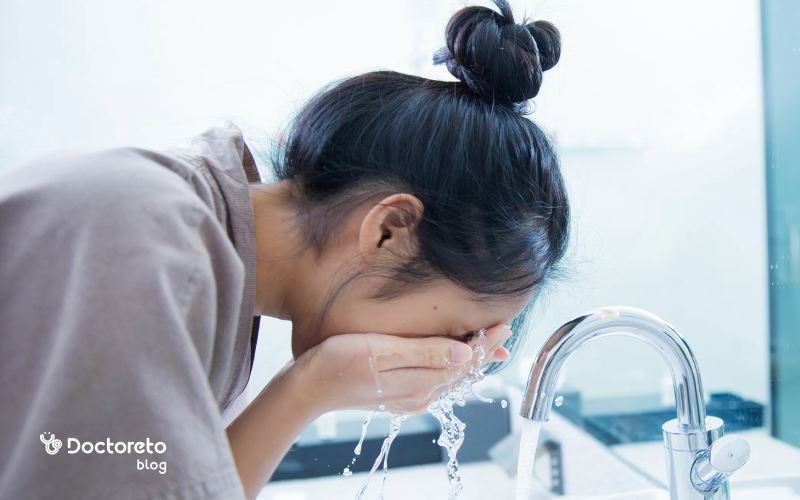
Cool water on the face regulates the heartbeat and creates a sense of alertness. The change in temperature gives the body a message of relaxation and reset.
3. Quick writing of concerns (brain dump)
Writing down worrying thoughts on paper helps clear the mind. In this method, all thoughts, worries, and unfinished tasks are written down without any order or judgment. This helps the mind to get out of the busy and chaotic state. By putting your thoughts on paper, you feel more stress control. Anxiety and rumination are noticeably reduced, but the effect is not universal. Mental concentration increases and relative calmness returns. This technique is especially useful in times of extreme stress.
English text: Write about your stress in a journal. You can also journal about a positive experience that happened that day. This daily practice can help increase positive thinking and help rewire your brain to think more positively. Persian translation: Write about your stress in a notebook. You can also write about a positive experience that happened to you that day. This daily practice helps increase positive thinking and can help retrain your mind to see the positive side of life.
4. Hot shower or face wash with cool water (for body reset)
Hot shower or washing your face with cool water is one of the quick ways to reset your body and reduce stress. Warm water relaxes the muscles and relaxes the nervous system. A short shower can reduce physical and mental fatigue. On the other hand, cool water on the face regulates the heart rate and creates a sense of alertness. The change in temperature gives the body a message of relaxation and reset. This simple and accessible method, even at home or at work, helps to immediately relieve tension.
Conclusion
A variety of quick stress relievers can be lifesavers in everyday situations. Breathing techniques, sensory focus, and short-term movement are all simple and accessible tools. The important thing is to practice these methods regularly so that they are used automatically in the moment of stress. Each person may respond better to one technique. Knowing the body and its reactions is very important. If the stress is continuous and intense, it will be necessary to use long-term solutions.
Your doctor takes care of your health!
Frequently Asked Questions
Slow diaphragmatic breathing is one of the fastest ways to reduce stress at work. This calms the nervous system and reduces physical tension. A short stretch of the neck and shoulders also helps to release muscle pressure.
Yes, short exercise releases endorphins and reduces stress hormones. Even a few minutes of walking or stretching can improve your mood. These types of activities increase mental concentration and reduce anxiety.
Slow and deep breathing from the belly is the most effective way to control nervous heartbeat. Exhaling longer than inhaling activates the body's relaxation response. The 4-7-8 technique has a quick and significant effect on many people.
In this case, one should seek to identify and manage the roots of stress. Creating a healthy lifestyle including regular sleep and regular physical activity is important. If the symptoms continue, expert counseling with a psychologist is recommended.
I have started my activity in the field of content production and management since 1995 and I am always eager to face new job opportunities. Getting to know a different world in different fields such as medicine and health also encourages me to follow a healthy lifestyle. That's why I started working with your doctor.