Table of contents
- What is the Japanese slimming diet?
- Basic principles of the Japanese slimming diet
- Major foods in the Japanese diet
- Restricted or prohibited foods
- Sample daily plan of the Japanese diet
- Benefits of the Japanese diet for the body
- Disadvantages and risks of the Japanese diet
- For whom is the Japanese diet more suitable?
- Who should not follow the Japanese diet?
- Conclusion
Japanese slimming diet is not just a food plan to lose weight; It's more like a calmer, more conscious look at eating. When we look at the Japanese lifestyle, we realize that their thinness is more a result of everyday habits than strict and restrictive diets. They rush less, overeat less and see food as a part of life balance. In recent years, the Japanese slimming diet has attracted a lot of attention for its gradual weight loss, health maintenance, and prevention of weight gain. Unlike many fast diets, this diet does not shock the body and focuses more on correcting eating behavior. In this article from your doctor, we examine this diet from a different perspective.
What is the Japanese slimming diet?
Slimming Diet The Japanese diet is a food pattern inspired by the traditional eating style of the Japanese people. In this diet, there is no complete elimination of foods or obsessive calorie counting; The main focus is on food quality, small volume and balance. In this style of eating, foods are usually simple, low-fat, low-processed, low-sugar, and as natural as possible.
Meals are small but varied, and this variety allows the body to get the nutrients it needs without adding extra calories. The important thing is that the Japanese diet is more of a way of eating than a diet. For this reason, many continue it as a lifestyle after a while.
English text:
Quoted from quora
The Japanese technique for losing weight is known as Long-breath diet by Ryosuke, this Japanese technique for losing belly fat involves standing in a certain position, taking 3-second breath and exhaling strongly for 7 seconds. It has been previously found that breathing exercises can help you with weight loss. Farsi translation: The Japanese technique for weight loss, known by Ryosuke as the long breath diet, consists of standing in a certain position, breathing for 3 seconds and then exhaling strongly for 7 seconds, and it helps to reduce belly fat. Previous research has shown that breathing exercises can be effective in weight loss. (Robust and reproducible human trials have not been conducted in this regard)
Basic principles of the Japanese slimming diet
The Japanese slimming regime is based on simplicity, balance and respect for the body; That is, instead of pushing with severe restrictions, he tries to correct eating habits in a natural way. In this style of nutrition, the quality of food, the size of portions and the way of eating are all equally important.
In the following, we will examine the most important principles of this regime in more detail to see more precisely why this method is so effective and lasting.
1. Focus on light, low-calorie and natural foods
In the Japanese diet, foods are as unprocessed as possible. Fresh vegetables, fish, plain rice and light soups form the main basis of the meals. These foods have few calories, but they create a good volume.
Eliminating heavy, fried and high-fat foods makes the digestive system bear less pressure. The body digests food more easily and the feeling of heaviness after eating is minimized. This style of nutrition helps a person to eat fewer calories without extreme hunger and lose weight over time.
2. Small portion size and food volume control
One of the most important principles of the Japanese slimming diet is to control the amount of food. Small plates, small bowls and dividing food into several small portions will prevent overeating. Japanese people usually do not eat until full.
They have a concept called Hara Hachi Bo; It means eating until they are 80% full. This simple habit has a big impact on weight. This method gives the body time to send the satiety message and prevent excess calories.
3. The balance of hot and cold temperament in food selection
In the Japanese food culture, the choice of foods is such that the body remains in balance in terms of energy and does not suffer from weakness or heaviness. For example, cold foods such as raw vegetables are usually served with soup or hot drinks. This combination helps to digest food better and prevents bloating and discomfort. This balanced view makes the Japanese diet bearable for a long time.

4. The importance of mindfulness when eating and slow eating
In the Japanese diet, how you eat is as important as the food itself. Eating slowly, chewing well and focusing on the taste and texture of food are the main principles. When you don't eat with distractions, you notice fullness sooner. This simple act prevents unwanted overeating. Mindfulness when eating helps to form a healthier relationship with food and eating turns from a nervous act into a peaceful experience.
Major foods in the Japanese diet
In the Japanese slimming diet, the main focus is on eliminating excess, not complete deprivation. Some foods, because they are high in calories, high in salt, or processed, should either be severely limited or completely eliminated from the diet. In the following, we discuss the most important food groups that are not recommended in this diet or should be done with caution.
English text:
quoted from ftp.spaceneedle
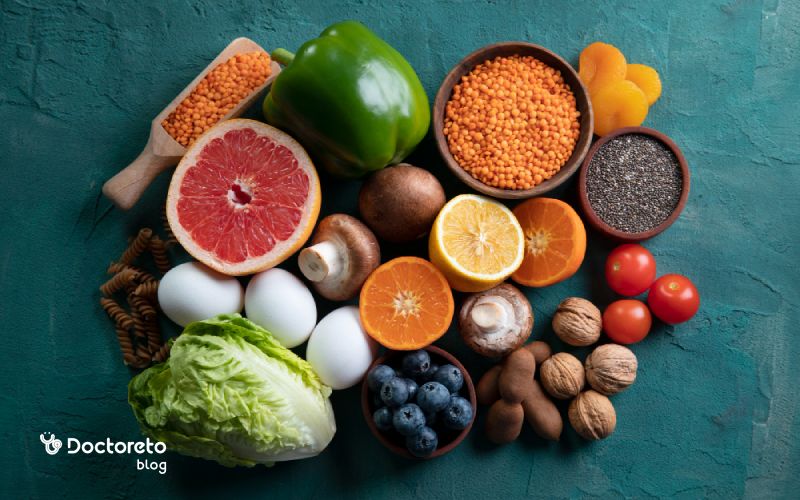
The diet usually includes rice, fish, vegetables, seaweed, tofu, miso soup, and green tea, emphasizing fresh, minimally processed ingredients with small portions.
Persian translation:
In the traditional model of the Japanese diet, foods such as rice, fish, vegetables, seaweed, tofu, miso soup, and green tea are usually included. This diet emphasizes the use of fresh and minimally processed ingredients with small portion sizes.
1. Steamed and fresh vegetables
Vegetables are an integral part of the Japanese diet. Cabbage, carrot, spinach, horseradish, cucumber and green leafy vegetables are consumed steamed or raw. Steaming preserves nutrients and does not require oil. This issue plays an important role in reducing calorie intake. The high fiber of vegetables also helps to keep you full longer.
2. Rice and light grains
Contrary to popular belief, rice is not eliminated in the Japanese diet. But its amount is small, simple and without additives. White or brown rice is usually used in small quantities. Rice is a source of energy and its complete elimination can cause weakness. In this regime, balance is observed, not extreme elimination. Controlled consumption of rice stabilizes energy and prevents overeating.
3. Fish and low-fat proteins
Fish, eggs and a small amount of white meat are the main sources of protein in the Japanese diet. These protein foods for weight loss are low in fat and help preserve muscle. Consuming fish provides beneficial fatty acids that are good for both the heart and metabolism. Sufficient protein makes weight loss not associated with muscle loss.
4. Miso soup and fermented foods
Miso soup is one of the foundations of Japanese nutrition. This soup is light, warm and low in calories, but it makes you feel full. Fermented foods such as miso help with gut health. Gut health may be related to weight loss. These foods improve digestion and reduce bloating.
5. Green tea and sugar-free drinks
Green tea is one of the main drinks in the Japanese diet. Sugar-free, full of antioxidants and helping to burn fat gently. Sweet and industrial drinks have no place in this diet. This simple elimination plays a big role in reducing calories. Continuous consumption of green tea also helps to control appetite.
| Japanese Diet Foods | Use/Benefit |
|---|---|
| Fresh and steamed vegetables (cabbage, carrot, spinach, radish, cucumber) | Low calorie, high fiber for long satiety, retain nutrients, help digestion Better |
| Plain rice and light grains | Energy source, controlled to prevent weakness and overeating, caloric balance |
| Fish and lean proteins (eggs, white meat) | Enough protein to maintain muscle, low fat, heart-friendly fatty acids and metabolism |
| Soup Miso and fermented foods | Light, warm, low calorie, satiety, gut health and better digestion, reduce bloating |
| Tofu | Low-fat plant protein, easy to digest, high-fat meat substitute |
| Seaweed | Minerals, low calorie, easy digestion |
| Green tea and sugar-free drinks | antioxidants, help burn fat, control appetite, eliminate excess calories |
| eliminate fried foods, fast food, industrial sweets, soft drinks | are limited or eliminated; Reducing salt, fat and excess calories, preventing water retention and weight gain
Restricted or prohibited foodsIn the Japanese diet, fried foods, fast food, industrial sweets, soft drinks and salty foods are limited or eliminated. These substances cause water retention and weight gain. Eating too much red meat is not common. Lighter sources are used instead. Simple sugars and processed snacks are the most limited. Example daily schedule of Japanese slimming dietBreakfast is usually light; For example, low volume rice, egg or miso soup. There is no heavy breakfast. Lunch consists of vegetables, fish or chicken and a small amount of rice. Everything is simple and without greasy sauces. Dinner is very light and often includes soup, vegetables and green tea. The benefits of the Japanese diet for the bodyThis diet causes gradual and stable weight loss. There is no news of sudden weight loss and quick return. The health of the heart, digestive system and blood sugar improves. Less salt and fat puts less pressure on the body. Also, the feeling of lightness and stable energy increases during the day. Disadvantages and risks of the Japanese dietFor some people, small servings may be difficult at first. The body needs time to get used to it. Not having access to some foods such as fresh fish can make it more difficult to follow the diet. If it is done without awareness, the intake of calories may be too low. For which people is the Japanese diet more suitable?This diet is suitable for people who are looking for slow and healthy weight loss. Those who are tired of strict diets. People with digestive problems usually feel better with this diet. It is also a good option for those who want to change their lifestyle. Who should not follow the Japanese diet?People who are severely underweight or whose body needs more calories, it is better to follow the Japanese diet with more caution and awareness. Also, those who are allergic to seafood should consider suitable alternatives from the beginning so that they do not suffer from nutrient deficiencies. Pregnant or lactating women should definitely consult a doctor or nutritionist before starting this diet so as not to endanger their health and that of their baby.  ConclusionAll in all, the Japanese diet is a gentle, balanced and sustainable approach to weight loss that focuses on modifying eating habits rather than extreme stress and elimination. Relying on simple foods, controlled volume and mindfulness while eating, this diet helps the body reach a balanced weight without harm. If you know your physical condition and proceed with patience, the Japanese diet can become a healthy and lasting lifestyle. Your doctor takes care of your health! Frequently Asked QuestionsUsually, with the Japanese diet, weight loss of about 3 to 6 kg is reported in one month, but this number is It depends on age, height, initial weight, level of mobility and adherence to the diet. Because this diet is low-calorie and relatively hard, it is best for teenagers to do it carefully and with a focus on health (not rapid weight loss). Yes, it is possible to have a Japanese diet without seafood. Fish and algae can be replaced with options such as chicken, eggs, beans, soy, vegetables, plain rice and fruit. More important than eliminating or adding a food is balance, variety and adequate intake of nutrients; Especially for teenagers who should not go for very hard diets. In general, the Japanese diet can be beneficial for high blood pressure because it is rich in vegetables, foods It is low fat and unprocessed; But if there is a lot of salt, soy sauce or salty foods in it, it can worsen blood pressure. Therefore, it is only suitable if it is low-salt and balanced, and for people (especially teenagers), it is better to consult a doctor or nutritionist. No, rice in the Japanese diet does not inherently cause obesity; The problem arises when it is consumed in large quantities or with high-fat and salty foods. In the Japanese diet, rice is usually eaten plain, low in volume, and accompanied by vegetables and protein, which can be a healthy part of the diet in this case. For the Japanese diet in Iran, sushi can be replaced with simple and low-fat foods; Like plain rice with chicken or egg, steamed rice and vegetables, lentils, soybeans, plain omelette, and salad with little rice. The principle of the Japanese diet is simplicity, small volume and balance, not sushi itself. |