Treatment of depression with hypnosis

محسن درخشان نسب
ShahriarClinical psychologist
The beginning of the way
Depression is not just a fleeting sadness; Sometimes it's a heavy, long-lasting fog that makes it hard to breathe. In treating depression with hypnosis, along with medication and methods such as cognitive behavioral therapy (CBT), methods such as adjunctive hypnotherapy have helped many feel better faster (Alladin & Alibhai, 2007; Kirsch et al., 1995). When we are depressed, we feel alone, but remember that more than 280 million people in the world live with depression (World Health Organization, 2023). This article explains in simple terms what hypnosis is, how it works, and who it's for—with practical examples and explanations.
Depression: a disorder beyond sadness
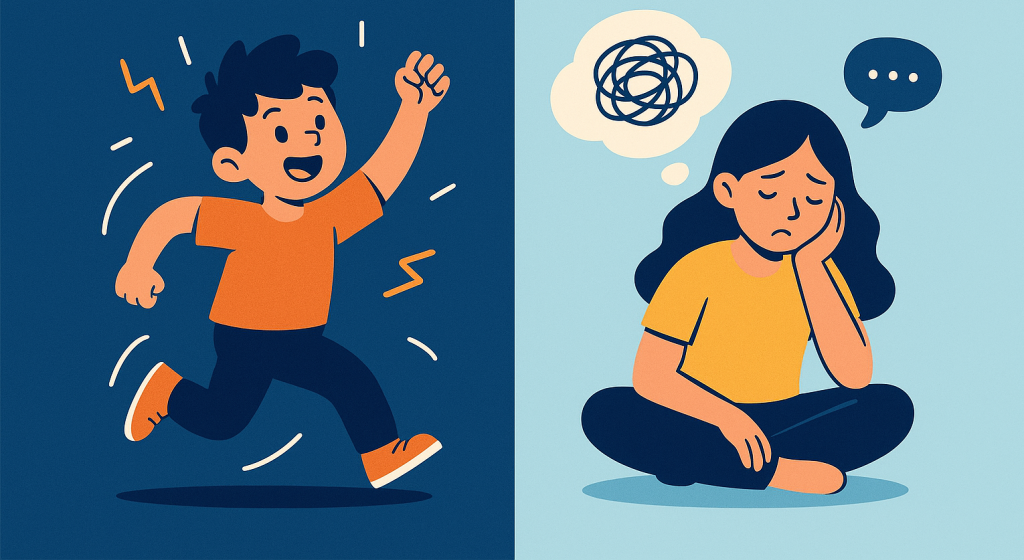
Depression is a set of symptoms, not just one feeling of sadness. Common symptoms include:
- Persistent feeling of sadness or emptiness
- Decreasing motivation and pleasure in work
- Sleep disorders (sleeping too little or too much)
- Changes in appetite and weight
- Difficulty concentrating and making decisions
- Frequent thoughts about death or suicide

What is hypnosis and how does it work?
Hypnosis means getting into a state of deep relaxation and concentration — something like when you get lost in a movie and forget the world for a while. In this state, the mind is less prone to criticism and doubt, and the therapist's suggestions are more easily accepted (Hammond, 2010).
Example: Suppose every time you want to exercise, a sentence in your mind says "I'm tired, I can't". In hypnosis, you can tell the mind "I have the energy to start"; Because the part that always opposes (the part we call the "critical mind") is calmer and accepts new messages more easily.
Neural mechanism
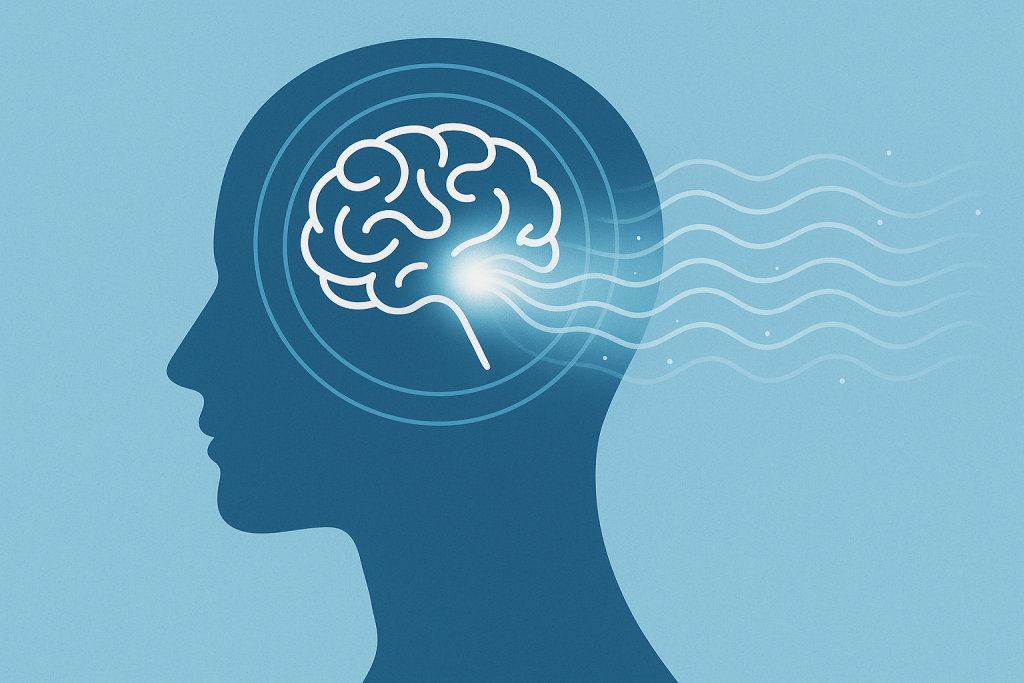
Imaging studies show that in hypnosis, the activity of the frontal areas increases and the activity of parts such as the amygdala (the center of fear and stress reactions) decreases; This means that fear processing and conscious responses are managed differently (Oakley & Halligan, 2013; Jensen et al., 2015).Why is hypnosis useful for depression?
Depression is a set of negative beliefs, feelings of loss of pleasure and behavioral habits. Hypnosis can be useful for the following reasons:
1. Direct access to the subconscious
Hypnosis is a way to see and correct beliefs that are rooted in the unconscious - like "I'm worthless." When these beliefs become changeable, behavior and feelings change as well (Hammond, 2010).
2. Awakening internal resources
Many depressed people have forgotten what abilities and hopeful memories are inside them. Hypnosis can reactivate these resources (Alladin & Alibhai, 2007).
3. Reducing physical stress
Hypnosis can reduce physical tension and stress hormones and activate the body's relaxing system (parasympathetic); This means better sleep, less stress, and better mood (Montgomery et al., 2000).4. Reconstruction of self-image
When self-criticism is reduced, a person can see themselves as empowered human beings, and this new perspective changes behavior and decisions (Hammond, 2010).
Limiting patterns seen in the unconscious
- "I am not valuable."
- "Nothing changes."
- "Life has no meaning for me."
These repetitive sentences are like messengers that always turn off motivation. Hypnosis remains a tool to help you and your therapist unlock and rewrite these messages (Alladin & Alibhai, 2007).
Effect mechanism of depression treatment with hypnosis - step by step
1) Rewriting negative beliefs
In a state of trance, the mind is less resistant; The therapist makes suggestions that replace negative statements (Kirsch et al., 1995).
2) Activation of internal resources
Positive images and memories are reactivated as a source of hope (Alladin & Alibhai, 2007).
3) reducing stress and physiological tension
Increasing physical relaxation and decreasing stress hormones help improve mood (Montgomery et al., 2000).
4) Reconstruction of the mental image of oneself
By changing the mental image, the motivation and behavior change and the person becomes more hopeful (Hammond, 2010).
Why do patients react positively to hypnosis?
- The method is non-invasive and natural; Does not require medication unless combination with medication is decided by a physician (Hammond, 2010).
- Can help reduce drug dependence or reduce side effects, if monitored by a physician (Alladin & Alibhai, 2007).
- In many cases the initial effects are visible after a few sessions (Kirsch et al., 1995).
Stages of a typical hypnotherapy session for depression
- Initial interview and assessment — review of history, severity of symptoms and general health status (psychological and if medically necessary).
- Hypnotic Induction — Starts with simple techniques such as focusing on breathing or visualization.
- Deepening — One reaches a deeper level of relaxation to increase acceptance of suggestions.
- Cognitive rewriting and therapeutic suggestion — replacing negative thoughts with supportive sentences and visualizing a positive future.
- End and Awakening — Gradual guidance to awareness and review of what has been learned.
Scientific evidence
Research has shown that when hypnosis is used in conjunction with cognitive psychotherapy, better results are seen than when CBT is used alone (Alladin & Alibhai, 2007). Apart from that, meta-analyses and systematic reviews show that hypnosis can increase the effectiveness of treatment as an adjunct (Kirsch et al., 1995; Milling et al. al., 2018). Also, physiological studies show that hypnosis can reduce stress responses (Montgomery et al., 2000; Oakley & Halligan, 2013).
Benefits of treating depression with hypnosis
- Non-invasive method without direct drug side effects (if used correctly)
- Increasing the effectiveness of other treatments (such as CBT)
- Strengthening mental self-regulation skills and positive images
- Feeling of peace and hope in the short term that can increase the motivation to continue the treatment
Who are suitable for hypnotherapy?
This method is suitable for people who:
- They have not fully responded to the drug alone
- They like to try more natural and complementary methods
- are willing to explore the unconscious roots of their problems
- They are ready to actively participate in treatment
Frequently Asked Questions
Does hypnosis replace medicine?
No; Hypnosis is usually used as a supplement. The decision to change or stop medication should be made by the attending physician and psychiatrist (APA, 2022).
How many sessions are required?
It is usually between 6 and 12 sessions, but depending on the severity of the problem and the response of the person, it may be less or more.
Does everyone respond?
Most people respond, but the level of acceptance of trance state and response to suggestions varies among people. Cases with acute psychiatric disorders should be examined carefully and under the supervision of a specialist.
Is there any risk or complication?
When done by a professional, it is usually safe. Some people may feel tired or sleepy in the early days; In rare cases distressing memories may be activated — these should be managed by the therapist.
Are you ready to start a new path?
If you or one of your loved ones is struggling with depression and you want to recover with hypnotherapy, please contact Mohsen Derakhshan Nasab Psychology and Counseling Office in Shahryar and Tehran, call for booking a meeting and more information.
Resources
Alladin, A., & Alibhai, A. (2007). Cognitive hypnotherapy for depression: An empirical investigation. International Journal of Clinical and Experimental Hypnosis, 55(2), 147-166
Kirsch, I., Montgomery, G., & Sapirstein, G. (1995). Hypnosis as an adjunct to cognitive-behavioral psychotherapy: A meta-analysis. Journal of Consulting and Clinical Psychology, 63(2), 214–220
Hammond, D. C. (2010). Handbook of hypnotic suggestions and metaphors. Norton & Company
Montgomery, G. H., Schnur, J. B., & David, D. (2000). The impact of hypnosis in clinical practice. International Journal of Clinical and Experimental Hypnosis, 48(2), 170–194
Schoenberger, N. E., Kirsch, I., Montgomery, G. H., & Milling, L. S. (2010). Hypnosis in the treatment of depression. Springer
Milling, L. S., et al. (2018). The effectiveness of hypnosis for depression: A systematic review. Psychology of Consciousness, 5(4), 394–411
Oakley, D. A., & Halligan, P. W. (2013). Hypnotic suggestion: Opportunities for cognitive neuroscience. Nature Reviews Neuroscience, 14(8), 565–576
Jensen, M. P., et al. (2015). Neurophysiological mechanisms of hypnosis. International Journal of Clinical and Experimental Hypnosis, 63(3), 289–307
American Psychiatric Association. (2022). DSM-5-TR. APA Publishing
World Health Organization. (2023). Depression and Other Common Mental Disorders: Global Health Estimates
© 1404 Mohsen Derakhshan Nasab Psychology Clinic | All rights reserved.