The effect of vegetarianism on intestinal health and digestion

does not reign
KermanshahNutrition and diet therapy
Effect of vegetarianism on intestinal health and digestion

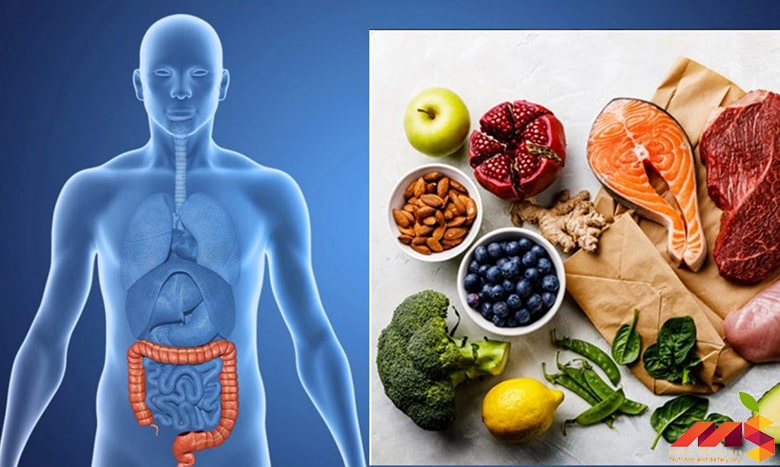
The effect of vegetarianism on intestinal health and digestion is very wide; This food style, which is based on the consumption of fruits, vegetables, legumes, whole grains and nuts, not only helps to lose weight and improve heart health, but also plays an important role in improving the functioning of the digestive system and the gut microbiome. Plant foods are rich in fiber, antioxidants, and natural probiotics that strengthen beneficial intestinal bacteria, reduce inflammation, and improve bowel movements. Accurately understanding the effect of a vegetarian diet on intestinal health and methods of preventing common digestive problems is the key to achieving general health and optimal functioning of the digestive system.
importance of expert advice in vegetarian diet
To get a healthy and complete vegetarian diet, Mona Salari Nia Nutrition Clinic is recommended. By examining each person's lifestyle, energy needs, and body composition, the clinic's specialists design a personalized program that not only improves gut health, but also ensures effective and sustainable weight loss. The programs of this clinic include the right combination of protein, fiber, healthy fats and vitamins, which have a direct effect on the health of the microbiome and digestive function.

Effect of vegetarianism on intestinal microbiome
Vegetarianism plays a significant role in improving the health of the intestinal microbiome and can increase the balance of beneficial intestinal bacteria. Consuming a variety of vegetables, fruits, legumes and whole grains provides enough fiber; Fiber acts as the main food source for beneficial bacteria such as Bifidobacterium and Lactobacillus and increases the diversity and density of these microorganisms in the intestine. These bacteria help produce short chain fatty acids (SCFA) which play a vital role in maintaining the health of intestinal cells, reducing chronic inflammation and strengthening the immune system.
Benefits of increasing beneficial bacteria
- Improving bowel movements and reducing constipation: The soluble and insoluble fiber in plant foods increases the volume of stool and facilitates its passage.
- Strengthening the body's immune system: beneficial intestinal bacteria increase the body's resistance to diseases by regulating the immune response and producing anti-inflammatory metabolites.
- Reduction of intestinal inflammation and prevention of digestive diseases: SCFA production by bacteria keeps the intestinal environment healthy and reduces the risk of inflammatory bowel diseases and irritable bowel syndrome.
- Increasing the absorption of nutrients and vitamins: Beneficial bacteria increase the absorption of minerals such as calcium, iron, magnesium and group B vitamins by breaking down some plant compounds.
- Hormonal and metabolic balance: SCFA produced by beneficial bacteria play a role in regulating blood sugar, insulin levels and fat metabolism and can help control weight.
Vegetarian diet by providing diverse sources of fiber and natural anti-inflammatory compounds, creates a strong foundation for intestinal health and optimal functioning of the digestive system, and can have long-term positive effects on the body's overall health.
Components of a vegetarian diet good for the gut
A healthy vegetarian diet should contain a combination of plant proteins, soluble and insoluble fiber, healthy fats and probiotics.
sources of fiber and probiotics
- Green leafy vegetables: Spinach, broccoli, lettuce
- Low sugar fruits: Strawberries, raspberries, apples
- Legs and whole grains: lentils, beans, oats
- Fermented products: vegetable kefir, tempeh, kimchi, soy yogurt
Healthy fats
- Nuts and seeds: walnuts, almonds, flax seeds, chia seeds
- Vegetable oils: olive oil, canola oil

5 common mistakes in vegetarian diet and its effect on digestion
Although the vegetarian diet has many health benefits, not following the important points can cause digestive problems. Five common mistakes include not consuming enough fiber, skipping probiotics, eating too many processed foods, not balancing fats, and skipping hydration. Any of these factors can negatively impact gut function, nutrient absorption, and microbiome health. By identifying these mistakes and applying simple solutions, you can ensure better digestion, reduce constipation and optimal digestive function, and fully benefit from the benefits of a vegetarian diet.Insufficient fiber consumption
Deficiency of fiber causes a decrease in bowel movements, constipation and digestive disorders. To avoid this problem:
-
Consume at least 25-30 grams of fiber per day
- Take advantage of vegetables, fruits and whole grains
ignoring probiotics
Not consuming fermented foods can lead to a decrease in beneficial intestinal bacteria and disrupt digestive function.
- Adding soy yogurt, tempeh and kimchi to the diet
- Consumption of probiotic supplement if needed
Over-consumption of processed foods
Processed plant foods are usually low in fiber and high in salt and sugar and can compromise gut health.
- Focusing on whole and fresh foods
- Limiting vegetable sausages and industrial products
imbalance in fats
Complete removal of fats reduces the absorption of fat-soluble vitamins and causes digestive problems.
- Consumption of omega-3 plant sources such as flax seeds and walnuts
- Using olive oil and avocado
ignore hydration
Drinking insufficient water reduces bowel movements and constipation.
- Consumption of at least 8 glasses of water per day
- Using herbal teas for hydration

Effect of vegetarian diet on digestive-diseases
Studies show that a vegetarian diet can play a role in the prevention and treatment of intestinal diseases:
- Reduce the risk of constipation and irritable bowel syndrome (IBS)
- reducing inflammation and the risk of inflammatory bowel diseases (IBD)
- Improving health microbiome and absorption of nutrients
Psychological and motivational tips for sticking to a vegetarian diet
Adherence to a vegetarian diet requires the creation of positive habits and motivation:
- preparation of meals from the night before
- Variety in foods to prevent fatigue
- Recording promises and weight changes to increase self-awareness
- Receive the support of the specialists of Mona Salari Nia Clinic
sample daily meal plan for gut health
- Breakfast: Vegetable smoothie with almond milk and chia seeds
- Snack: Nuts and fresh fruit
- Lunch: bean and vegetable salad with olive oil
- Evening snack: soy yogurt with raspberry
- Dinner: Roasted tempeh with vegetables and quinoa
This program includes adequate fiber, probiotics and healthy fats and optimizes bowel movement, microbiome health and digestion.
Vegetarian diet can improve intestinal and digestive health, increase body metabolism and prevent digestive diseases, provided that it is implemented with full knowledge and following expert tips. The use of diverse food sources, the consumption of probiotics and healthy fats, adequate hydration and expert advice from Mona Salarinia Clinic ensure that this diet is not only effective but also sustainable.
If you want to get more comprehensive and scientific information about the vegetarian diet and expert tips for maintaining gut health, read the article What is a vegetarian diet?. This article will help you follow a healthy and effective vegetarian diet with complete knowledge and avoid common mistakes.
Source: pmc.ncbi.nlm.nih.gov