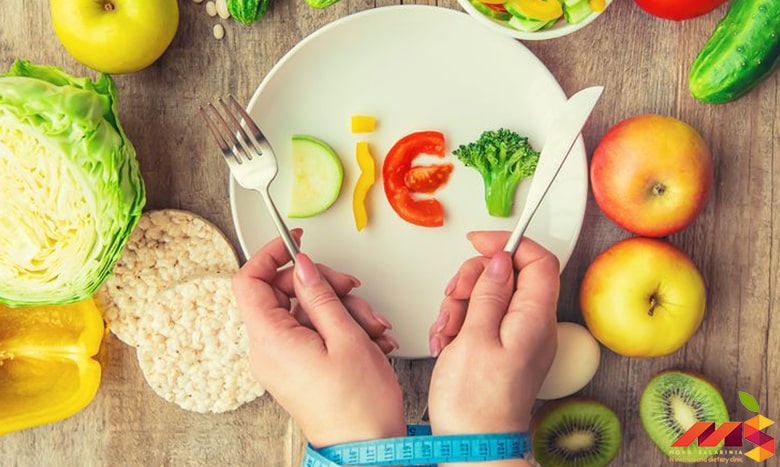
What is a vegetarian diet?

does not reign
KermanshahNutrition and diet therapy
رژیم گیاه خواری چیست؟

رژیم گیاه خواری یک الگوی تغذیهای است که بر پایه پرهیز از مصرف گوشت، مرغ، ماهی و سایر آبزیان بنا نهاده شده است. این سبک زندگی فراتر از صرفاً حذف مواد حیوانی، اغلب با ارزشهای اخلاقی، ملاحظات محیط زیستی و تمایل به ارتقاء سلامت در ارتباط است. گیاه خواران با تمرکز بر مصرف غلات کامل، حبوبات، میوهها، سبزیجات، مغزها و دانهها، مواد مغذی مورد نیاز بدن خود را تأمین میکنند. This diet comes in many forms, each with a different level of avoidance of animal products (such as dairy and eggs) and can have significant benefits for heart health, weight control, and prevention of some chronic diseases, provided it is planned and balanced.

types of vegetarian diet
Being fully aware of the details of each of these eating patterns will help you make an informed and sustainable choice that is consistent with both your ethical principles and your nutritional needs.
Vegan
- Definition: Veganism is not just a diet; Rather, it is a moral philosophy and lifestyle that seeks to avoid all forms of exploitation and cruelty to animals. This includes eliminating all animal products from the diet as well as avoiding non-food animal products (such as leather, wool, silk and cosmetics tested on animals).
- Key nutritional sources: Vegans should focus on getting protein from tofu, tempeh, beans, quinoa, and nuts, as well as ensuring adequate intake of vitamin B12 (via supplements or fortified foods), iron, calcium, and omega-3 (via algae or flax and chia seeds).
- Important Note: Careful planning and the consumption of essential supplements are vital to avoid nutrient deficiencies in this diet.
Lacto-Ovo Vegetarian
- Deep Definition: This is the most common and often the easiest type of vegetarianism to start. Allowing the consumption of eggs and dairy products facilitates the provision of many vital nutrients.
- The role of eggs: Eggs are an excellent and complete source of protein and choline, which is essential for brain health.
- Role of dairy products: Dairy products are the main source of calcium and vitamin D and also provide vitamin B12 and high quality protein. This reduces the need for calcium and B12 supplements compared to a vegan diet.
- Important consideration: One should be careful about consuming saturated fats found in some high-fat dairy products.
Lacto vegetarian
- Definition: This diet is very common in many cultures, especially in India. Avoiding eggs may increase the need to find alternative sources of breakfast protein and choline.
- Key Nutritional Sources: Calcium, vitamin D and B12 are mainly provided through consumption of milk, yogurt, cheese and buttermilk. Protein is supplemented through legumes and grains.
- Important Note: Eliminating eggs means losing a cheap and readily available source of protein, which should be compensated by increasing consumption of other plant proteins.
Ovo Vegetarian
- Definition: This pattern is less common than lacto-vegetarian and focuses on using eggs as a source of animal protein, without consuming dairy. This may be due to lactose intolerance or ethical considerations regarding the dairy industry.
- The main challenge: The biggest challenge of this diet is providing enough calcium and vitamin D, because dairy products are the main source of these substances.
- Key nutritional sources: Attention should be paid to the consumption of fortified vegetable milks (such as almond or soy), dark green leafy vegetables (kale, broccoli) and tofu containing calcium to compensate for this deficiency.
Pescetarian
- Definition: Pescetarians cut out red meat and poultry but eat fish and seafood. This diet is usually considered for health reasons, especially the supply of omega-3 fatty acids (DHA and EPA).
- Key benefit: Consuming fish simply provides omega-3 vital for brain and heart health and is also an excellent source of protein, vitamin D and iodine.
- Important note: One should pay attention to choosing fish with low mercury (such as salmon, sardine, herring) and not excessive consumption of large and older fish.
Flexitarian (Flexitarian / semi-vegetarian)
- Deep definition: This regimen is a flexible approach. The main goal is to reduce meat consumption and focus on plant-based eating patterns, but occasional consumption of limited amounts of meat is allowed at events or restaurants.
- Key advantage: This approach helps people gradually move towards vegetarianism without feeling completely deprived. It also reduces the risk of nutritional deficiencies, as meat and other animal products are limited in availability.
- Suitable for: People who want to enjoy the health benefits of plant-based foods, but still be socially or personally flexible.

Benefits of a vegetarian diet for health
Following a balanced and planned vegetarian diet can bring many benefits for physical and mental health.
cardiovascular health
Plant foods naturally contain less saturated fat and cholesterol and are rich in fiber and antioxidants. These properties help to reduce the level of LDL (bad) cholesterol and triglycerides in the blood and significantly reduce the risk of heart disease, high blood pressure and stroke.
control weight and thinness
Vegetarian diets are often high in volume and low in calories because they are rich in fiber and water. Fiber helps to create a long-lasting feeling of satiety, controls appetite and naturally leads to less calorie intake, resulting in weight loss.
prevention and control of type 2 diabetes
High consumption of whole grains and soluble fibers in a plant-based diet helps stabilize blood sugar levels and improve insulin sensitivity, which is very effective in type 2 diabetes prevention and management.
improving the function of the digestive system
Fiber in fruits, vegetables and legumes helps improve bowel movements and prevents constipation. Also, fibers provide food for beneficial intestinal bacteria (microbiome) and contribute to general intestinal health and increase body immunity.
decrease the risk of cancer
Plant foods are rich in phytochemicals, antioxidants and various vitamins that help fight free radicals and reduce chronic inflammation in the body and reduce the risk of certain types of cancers, especially gastrointestinal and breast cancers.

expert advice for starting a vegetarian diet
If you have decided to change your lifestyle and start a vegetarian diet, this path requires knowledge and careful planning. Plant-based diets, although healthy, can pose challenges in providing some essential nutrients such as vitamin B12, iron, calcium, vitamin D and omega-3 fatty acids.
At Mona Salari Nia Nutrition Clinic, we are committed to providing completely personalized and scientific meal plans, fully understanding the variety of vegetarian diets and your specific nutritional needs. With our expert advice, you can confidently follow a balanced, delicious and nutritious diet and enjoy all the health benefits of this lifestyle. Contact us today to plan a vegetarian diet, determine the necessary supplements, and ensure complete health.
How to have a balanced diet?
Success in a vegetarian diet depends on two key factors: variety and planning to replace missing nutrients.
animal-protein-substitution
Complete proteins (including all 9 essential amino acids) should replace meat. Plant protein sources include:
- Legumes: Lentils, all kinds of beans (red, chiti, white), peas.
- Soy and its products: tofu, tempeh, soy milk.
- Whole grains: Quinoa (complete protein), oats.
- Nuts and seeds: Almonds, walnuts, sunflower seeds, chia seeds, flax seeds.
vitamin B12 supply
This vitamin is found almost exclusively in animal products, and its deficiency can have serious neurological effects.
- Solution: Regular intake of vitamin B12 supplements is highly recommended for vegans and lacto-ovo vegetarians. Also, some foods such as plant-based milks and breakfast cereals are fortified with B12.
receive iron and calcium
- Iron: Plant sources of iron include lentils, spinach, beans, tofu and fortified cereals. To increase the absorption of plant iron (non-heme), it is necessary to consume it simultaneously with sources of vitamin C (such as bell peppers, citrus fruits).
- Calcium: For those who do not consume dairy, sources of calcium include fortified plant-based milks (almond, soy, oat), kale, broccoli, and calcium-rich tofu.
omega-3 fatty acids
These fatty acids are essential for brain and heart health.
- Sources: Flax seeds, chia seeds, walnuts, and canola oil. بهتر است برای تبدیل کافی آلفا-لینولنیک اسید (ALA) به EPA و DHA (فرمهای فعال امگا 3) از مکملهای امگا 3 مبتنی بر جلبک نیز استفاده شود.

برنامه رژیم گیاه خواری
| وعده غذایی | توضیحات و مواد تشکیل دهنده | هدف تغذیهای |
| صبحانه | اوتمیل با شیر بادام، ترکیب شده با دانههای چیا، تخم کتان، گردو و تکههای موز/توتفرنگی. | فیبر بالا، کربوهیدراتهای پیچیده، امگا ۳، کلسیم. |
| ناهار | خوراک عدسی یا لوبیا چیتی به همراه یک فنجان برنج قهوهای و یک کاسه سالاد شیرازی با آبلیمو فراوان. | پروتئین کامل (عدس/لوبیا + برنج)، آهن، ویتامین C (برای جذب آهن). |
| میان وعده | ماست سویا یا بادام و یک عدد میوه فصلی. | پروتئین، پروبیوتیک (ماست)، ویتامینها. |
| شام | توپهای توفو یا تمپه کبابی با سس تند، به همراه سبزیجات بخارپز (کلم بروکلی، هویج) و یک سیب زمینی شیرین پخته. | پروتئین کامل، کربوهیدرات مغذی، ویتامینها و آنتی اکسیدانها. |
| میان وعده قبل از خواب | شیر گرم بادام یا یک مشت بادام و کشمش. | کلسیم، منیزیم. |
لیست خوراکی های رژیم گیاه خواری
برای داشتن یک رژیم گیاه خواری موفق و پر انرژی، باید لیست خرید خود را با این مواد غذایی کلیدی غنی سازید:
| گروه غذایی | خوراکیهای ضروری | کاربرد در رژیم گیاهخواری |
| منابع پروتئین | توفو، تمپه، عدس، انواع لوبیا، نخود، سویا، کره بادام زمینی. | تأمین اسیدهای آمینه ضروری، جایگزین گوشت. |
| غلات کامل | کینوا، جو دو سر، برنج قهوهای، نانهای سبوسدار، گندم سیاه. | انرژی پایدار، فیبر، ویتامینهای گروه B. |
| آجیل و دانهها | دانه چیا، تخم کتان، گردو، بادام، تخمه کدو تنبل. | امگا ۳، چربیهای سالم، پروتئین، منیزیم و روی. |
| سبزیجات برگدار | کلم پیچ، اسفناج، کلم بروکلی. | کلسیم، آهن، ویتامین K، آنتیاکسیدانها. |
| شیرهای گیاهی | شیر سویا، شیر بادام، شیر جو دو سر (نوع غنیشده با کلسیم و B12). | جایگزین لبنیات، تأمین ویتامین D و کلسیم. |

برای چه کسانی رژیم گیاه خواری مناسب نیست؟
اگرچه رژیمهای گیاه خواری میتوانند برای سلامت مفید باشند، اما در برخی مراحل حیاتی زندگی یا شرایط پزشکی، نیاز به توجه و برنامهریزی تخصصی دوچندان میشود تا از کمبودهای تغذیهای جلوگیری شود:
کودکان و نوجوانان در حال رشد
دوران رشد سریع، بالاترین نیاز بدن به پروتئین، کلسیم، و ویتامینهای خاص را به همراه دارد.
- چالش اصلی:
- تراکم انرژی پایین: غذاهای گیاهی (میوهها و سبزیجات) حجم زیادی دارند اما ممکن است کالری و چربی کمی داشته باشند، که تأمین انرژی مورد نیاز برای رشد سریع کودکان دشوار میسازد.
- پروتئین: اطمینان از دریافت پروتئین کافی با کیفیت بالا و تمام اسیدهای آمینه ضروری، که برای ساخت بافتها و عضلات حیاتی است.
- کلسیم و ویتامین D: این مواد برای حداکثرسازی تراکم استخوانی در این سنین حیاتی هستند و حذف لبنیات (در رژیم وگان) چالش ایجاد میکند.
- توصیه تخصصی: در این گروه سنی، رژیم گیاهخواری (به ویژه وگان) باید توسط یک متخصص تغذیه کودکان با دقت برنامهریزی شود تا مکملهای B12، آهن، کلسیم و ویتامین D به درستی تنظیم شوند.
۲. Pregnant and lactating women
Nutrition during pregnancy and breastfeeding ensures not only the health of the mother, but also the optimal development of the fetus and the baby.
- The main challenge:
- Iron and folate: The need for iron is greatly increased to increase the blood volume of the mother and to support the growth of the placenta and fetus. Folate deficiency (although it is abundant in plants) in early pregnancy increases the risk of neural tube defects.
- Vitamin B12 and iodine: Maternal B12 deficiency can lead to serious and irreversible neurological damage in the baby. Iodine is also very important for thyroid function and fetal brain development.
- Omega 3 (DHA): DHA is essential for the development of the brain and retina of the fetus and newborn. Plant sources (flaxseed) should be efficiently converted to DHA or algae supplements should be used.
- Expert advice: Continuous monitoring by a doctor and nutritionist is necessary to ensure adequate B12, iron, folate and omega-3 supplements.
3. People with certain chronic diseases
Some medical conditions can disrupt the natural balance of a plant-based diet.
- Digestive disorders (eg, irritable bowel syndrome (IBS), Crohn's disease): Plant-based diets are very high in fiber. In people with digestive disorders, high fiber can cause bloating, gas, and severe abdominal pain. These people need a plan to reduce certain fibers or certain forms of carbohydrates (low FODMAP diet).
- Severe anemia and iron deficiency: Iron in plant sources (non-heme iron) is not absorbed as well as animal iron. People with severe anemia need counseling to improve absorption (with simultaneous vitamin C intake) or use specialized supplements.
- Thyroid problems: It is important to provide sufficient iodine and also pay attention to the high consumption of some cruciferous vegetables (such as broccoli), which in their raw state may disrupt the absorption of iodine.
elderly people
With increasing age, the body's ability to absorb nutrients and also the person's appetite decreases.
- The main challenge:
- Vitamin B12: As we age, the production of stomach acid needed to absorb B12 decreases (gastric atrophy), so the need for B12 supplementation increases (even in omnivores), and is even more critical in vegetarians.
- Protein: Maintaining muscle mass (sarcopenia) is very important in the elderly. The need for high-quality protein and its proper distribution in meals becomes important.
- Calorie and Nutrient Density: Due to reduced appetite, each bite should be high in calories and nutrients. This may contrast with high-fiber diets, which quickly induce a feeling of satiety.

difference between vegetarian diet and veganism
The main difference between these two lifestyles lies in the scope and intensity of abstinence as well as the motivation and philosophy behind these choices.
| Characteristics | Vegetarian diet | Veganism |
| Definition of abstinence | Meat, poultry and fish. | Absolutely avoid all animal products and their byproducts. |
| Allowed products | Dairy (milk, yogurt, cheese) and eggs (in most forms). | No animal products are allowed (even honey, gelatin, and some vitamins). |
| Core philosophy | Often centered on personal health, the environment or some ethical consideration. | A comprehensive moral philosophy about animal rights, which includes abstinence from all forms of animal exploitation. |
| Scope of abstinence | Mainly limited to food and beverages. | Includes food, clothing (leather, wool, fur), cosmetics tested on animals. |
| Nutritional considerations | The risk of vitamin B12 and iron deficiency is low (due to egg/dairy consumption). | Serious and mandatory need for vitamin supplementation B12, and special attention to iron, calcium, vitamin D and omega 3. |
Keynote:
Vegetarianism is more of a diet, while veganism is a holistic and philosophical lifestyle. All vegans are vegetarians, but not all vegetarians are vegans.
Is a vegetarian diet good for the brain?
Yes, a balanced vegetarian diet can have significant benefits for brain health and cognitive function, but it comes with key considerations regarding critical nutrients.
Benefits of vegetarianism for brain health:
- Reducing inflammation and oxidative stress:
- Plant foods are rich in antioxidants (such as flavonoids and polyphenols). These compounds fight free radicals and reduce chronic inflammation. Chronic inflammation is known as one of the main causes of cognitive decline and neurological diseases (such as Alzheimer's).
- Improving brain blood flow:
- Vegetable diets promote cardiovascular health due to their high fiber and low saturated fat content. This leads to better blood flow to the brain, which is vital for supplying nerve cells with oxygen and nutrients.
- Digestive health and gut-brain connection:
- The high fiber content of plant foods helps the growth of beneficial gut bacteria (microbiome). A healthy microbiome can improve the production of certain neurotransmitters and anti-inflammatory compounds, which directly affect mood and brain function.
- Supply of group B vitamins and folate:
- Plant sources are rich in folate (B9), which is essential for DNA formation and regulation of homocysteine levels (a factor linked to heart disease and cognitive decline).

Challenges and Critical Considerations for Brain Health
Vitamin B12
Solution: For vegans and low lacto-ovo vegetarians, B12 supplementation is essential.
Critical role: B12 is vital for the formation of myelin (the protective covering around nerve cells) and DNA synthesis.
Note: B12 is found almost exclusively in animal sources. Its deficiency can lead to nerve damage, memory problems and irreversible cognitive function reduction.
Omega 3 fatty acids (DHA and EPA)
Critical role: DHA is a main structural component of the cerebral cortex and retina and is essential for learning and memory.
Note: Plant sources (flax seeds, walnuts) contain ALA, which the body must convert into DHA/EPA. This conversion is often inefficient.
Solution: Taking algae-based omega-3 supplements (for vegans) or eating fish and eggs (for vegetarians) is vital to ensure adequate DHA intake.
Iron and zinc (zinc)
Solution: Using techniques such as soaking beans, germinating and taking them together with vitamin C to increase absorption.
Critical role: Iron is important for carrying oxygen to the brain and zinc for neurotransmitters and cognitive function.
Note: It is more difficult to absorb these substances from plant sources.
It is important to understand that no single diet is suitable for everyone. If you are looking for a food pattern that, in addition to weight loss, includes a wide variety of food and ways to surprise the body's metabolism so that the body does not resist the diet, we suggest that you go with our exclusive article about What is the zigzag diet?. This clever method, also known as calorie cycling, could be your ultimate solution to beating the weight trap and increasing motivation in the long run. To learn about a completely different strategy for losing weight and maintaining an ideal weight, don't miss reading the Zigzag Diet article!
A vegetarian diet, from more flexible forms such as lacto-ovo vegetarian, which allows eggs and dairy, to the absolute path of veganism, which rejects all animal products, is a multifaceted nutritional choice with countless benefits for heart health, weight control, and reducing brain inflammation. However, success in this lifestyle, especially during critical stages such as child development or pregnancy, is highly dependent on careful and conscious planning to avoid deficiencies in key nutrients such as vitamin B12, iron and omega-3 DHA. Ultimately, whether your motivation is purely health or a moral philosophy, becoming a successful vegetarian requires a commitment to dietary variety, smart use of supplements, and, in critical situations, receiving expert advice from nutritionists.Source: www.nhs.uk