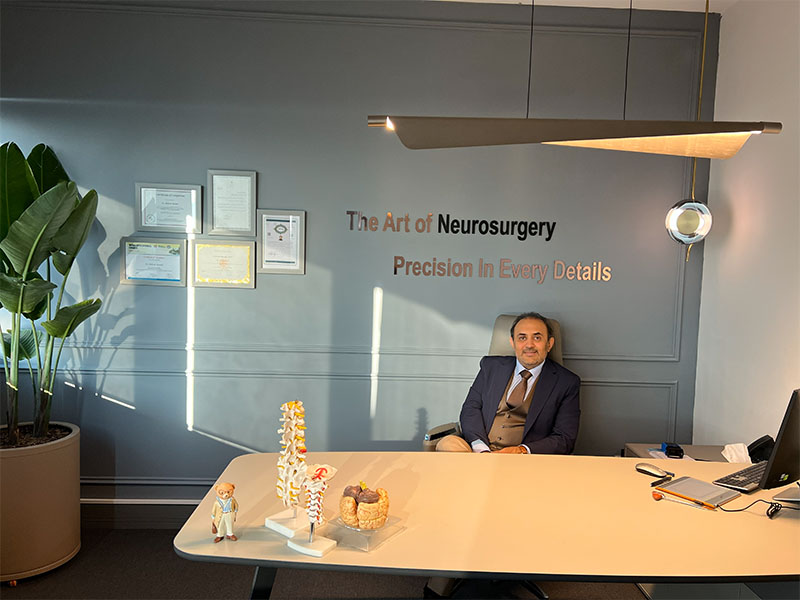

پیدا کردن بهترین جراح تومور مغزی یکی از دغدغههای بیماران تومور مغزی است. Medical science makes significant progress every year and increases the hope of patients' recovery. One of the complications that many people fear is brain tumor. People who suffer from this condition are always looking for the best brain tumor surgeon in Tehran or their city of residence. Choosing the best brain tumor surgeon is a very important decision.

Why is it important to choose the best brain tumor surgeon?
Choosing the best brain tumor surgeon can have a direct impact on the patient's treatment outcome. Due to the high sensitivity of this organ, brain surgery requires extreme precision, skill and experience, and any small mistake can cause serious and long-term complications. An experienced and expert surgeon, in addition to completely removing the tumor, preserves healthy brain tissues, reduces the risk of complications and speeds up the patient's recovery process. Therefore, choosing the right surgeon is the first and most important step in the path of successful brain tumor treatment.
To receive expert advice and an appointment with the best brain tumor surgeon, fill out the form below Do it.
What characteristics should the best brain-tumor surgeon have?
Choosing the right surgeon for brain tumor treatment is very important and can directly affect the patient's recovery path. Next, we examine the most important characteristics that the best brain tumor surgeon should have:
High experience and expertise
One of the most important characteristics of a neurosurgeon is practical experience in the field of brain tumor surgery. A surgeon with a long history and a large number of successful operations has the necessary skills to manage surgical complications and reduce the risk of complications. Experience also helps to make quick and accurate decisions in unexpected situations.
up-to-date knowledge and familiarity with new technologies
The best brain tumor surgeon is always familiar with the latest surgical techniques and equipment such as neuroscopy, minimally invasive surgery and advanced imaging. The use of new technologies makes surgery more precise and with minimal damage to healthy tissues, and the patient's recovery process progresses faster.
Surgical precision and skill
Brain surgery requires extreme precision and skill due to the high sensitivity of this organ. A skilled surgeon is able to remove the tumor completely, while preserving the patient's healthy brain tissue and vital functions. This skill helps to reduce side effects and increase the chance of full recovery.
Ability to accurately diagnose and pre-operative planning
A good surgeon designs a detailed surgical plan by using imaging and a complete examination of the patient's condition before performing the operation. This planning includes determining the access path, choosing the appropriate technique and predicting risks so that the operation can be performed with higher security and effectiveness.
Effective communication with patient and family
The ability to communicate clearly with the patient and family, explaining the surgical procedure, possible complications and post-operative care is another important characteristic of a professional surgeon. This communication increases the patient's trust and enables better cooperation in the stages before and after the surgery.
commitment and professional ethics
A committed surgeon with professional ethics always prioritizes the patient's interests, avoids unnecessary procedures and makes all treatment decisions based on science and experience. This commitment increases the quality of treatment and patient satisfaction.
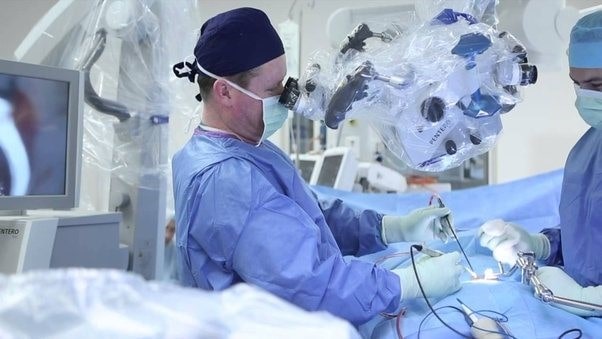
brain tumor surgery video by Mehran Moradi
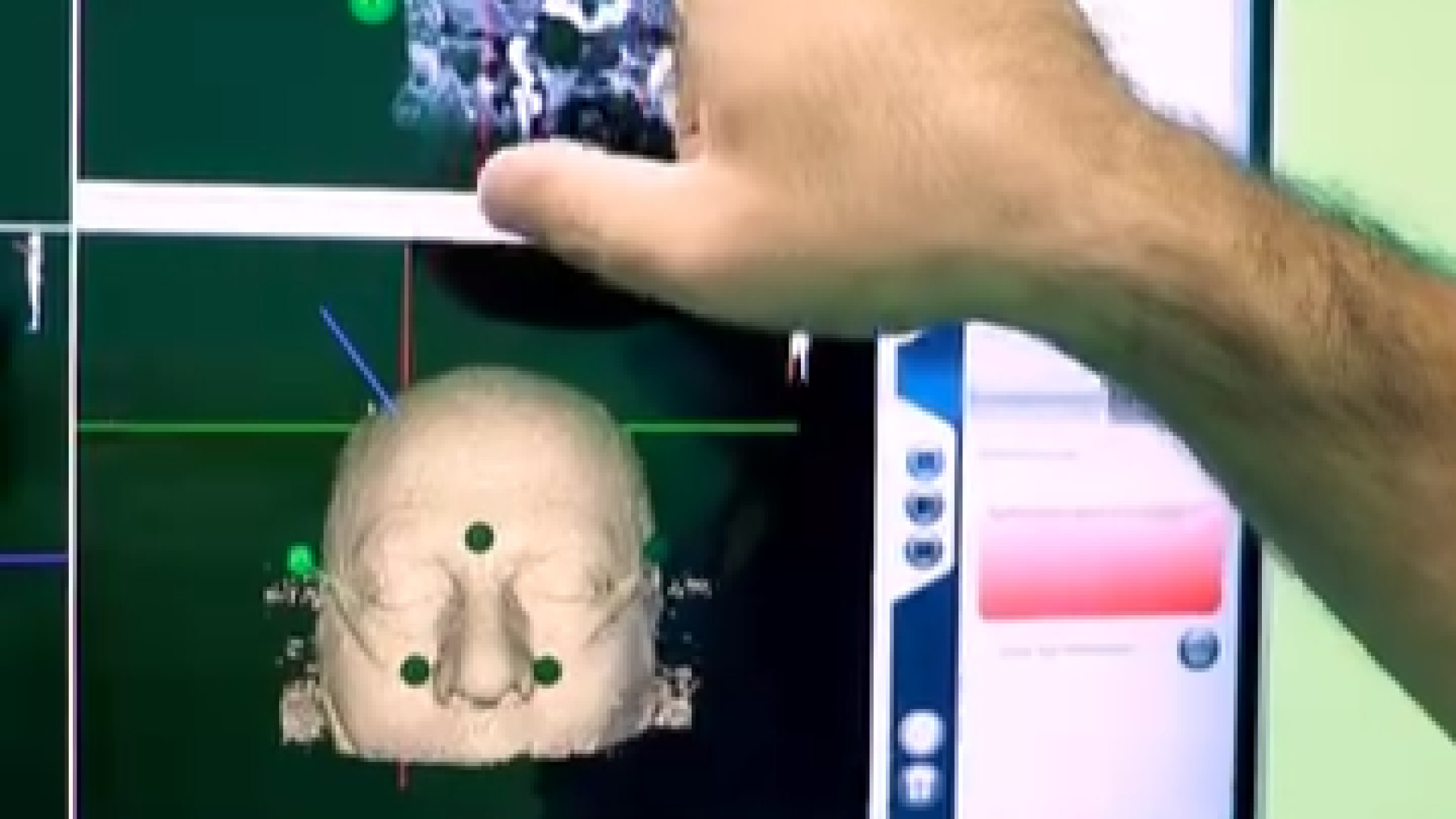
Brain tumor removal surgery for a dear client

Dr. Mehran Moradi
Neurology and spine specialist
New techniques and methods of the best brain tumor surgeon
Brain tumor surgery is one of the most complicated surgeries and its success depends on precision, skill and the use of modern technologies. Today, the best surgeons, using advanced methods, can remove the tumor precisely and cause minimal damage to healthy brain tissues. Familiarity with these techniques helps the patient to make a more informed choice and optimize the treatment process.
Minimally invasive surgery
In this procedure, the surgeon uses small incisions and precise instruments to remove the tumor. The main advantage of minimally invasive surgery is reducing damage to healthy tissues, reducing bleeding and post-operative pain, and shortening the recovery period. This method is suitable for small tumors or in sensitive areas of the brain.
neuroscopy-assisted surgery
Neuroscopy or surgical guidance systems act like the GPS of the brain and help the surgeon determine the exact path to access the tumor. The use of this technology makes surgery more accurate, reduces the risk of damage to vital tissues, and increases the chance of complete tumor removal.
Intraoperative imaging
Intraoperative imaging includes MRI or CT during surgery, which allows the surgeon to see the exact location of the tumor and surrounding tissues in real time. This technique helps to reduce the surgical error and prevent the tumor from remaining and increases the safety of the operation.Using laser and thermal fusion technology
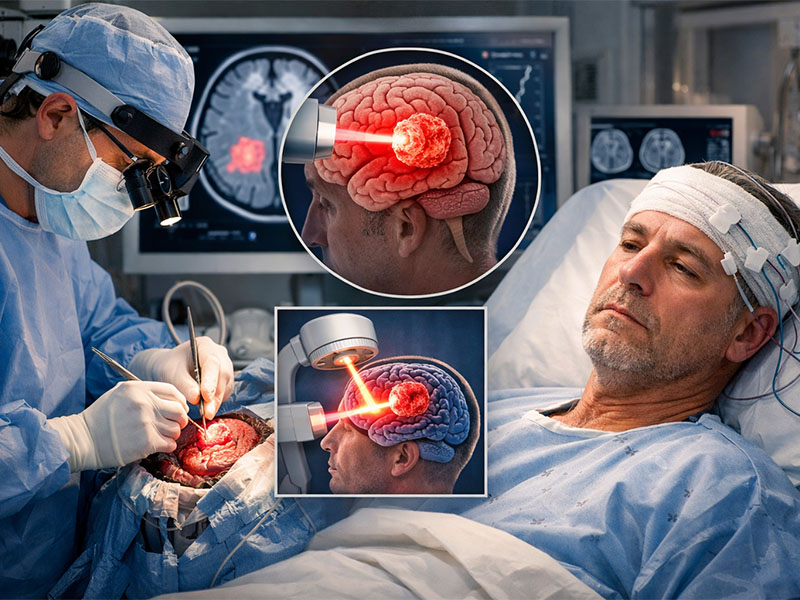
In this method, laser energy or controlled heat is used to destroy the tumor. The advantage of this technique is its minimal invasiveness, reducing the need for a large incision and less damage to healthy tissues. This method is used for deep tumors or those tumors that are difficult to access.
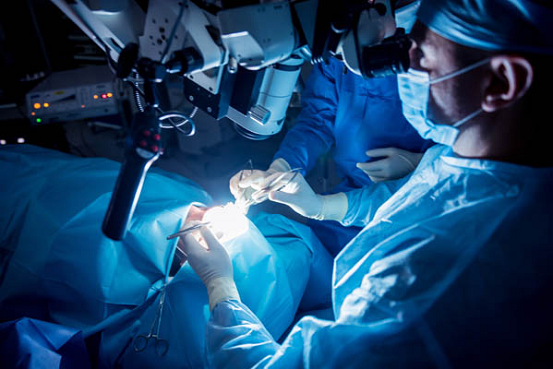
Surgery with the help of a neural microscope
The use of advanced microscopes allows the surgeon to isolate the tumor with high magnification and precise light. This technique is vital for preserving healthy tissues, preventing damage to vessels and nerves, and increasing accuracy in complex brain surgeries.

Which patients should refer to the best brain tumor surgeon?
Any person who has signs or symptoms suspected of having a brain tumor should undergo a careful examination by a specialist surgeon. Referral to a brain tumor surgeon is necessary especially for patients who have severe head pain, vision disorders, limb weakness or sudden changes in memory and cognition. Early diagnosis and timely treatment can significantly increase the chance of recovery and reduce complications. Patients who should refer to a brain tumor surgeon:
- People with pituitary tumors or hormonal disorders caused by the brain
- People with persistent and unexplained headaches
- Those who have sudden vision disorders or double vision
- Patients who experience weakness or numbness in the hands or feet
- People with seizures or new seizures
- Those who experience severe changes in memory, concentration, or behavior
- Patients with frequent nausea and vomiting without clear cause
- People who have balance and movement coordination problems
- Patients who have a history of brain tumor or a family with it
- those with brain abnormalities reported on MRI or CT
What diseases does the best brain tumor surgeon treat?
The best brain tumor surgeon is able to diagnose and treat a set of brain diseases and problems related to the tumor. The ability of these surgeons to manage different types of tumors and brain injuries makes the patient recover faster and the risk of complications decreases. Below are the most important diseases and conditions that are treated by a brain tumor surgeon:
malignant brain tumors
These types of tumors include glioblastoma, astrocytoma, and other cancerous tumors that grow rapidly and require immediate treatment. The expert surgeon controls the progress of the disease by removing the tumor as much as possible and coordinating with chemotherapy or radiotherapy.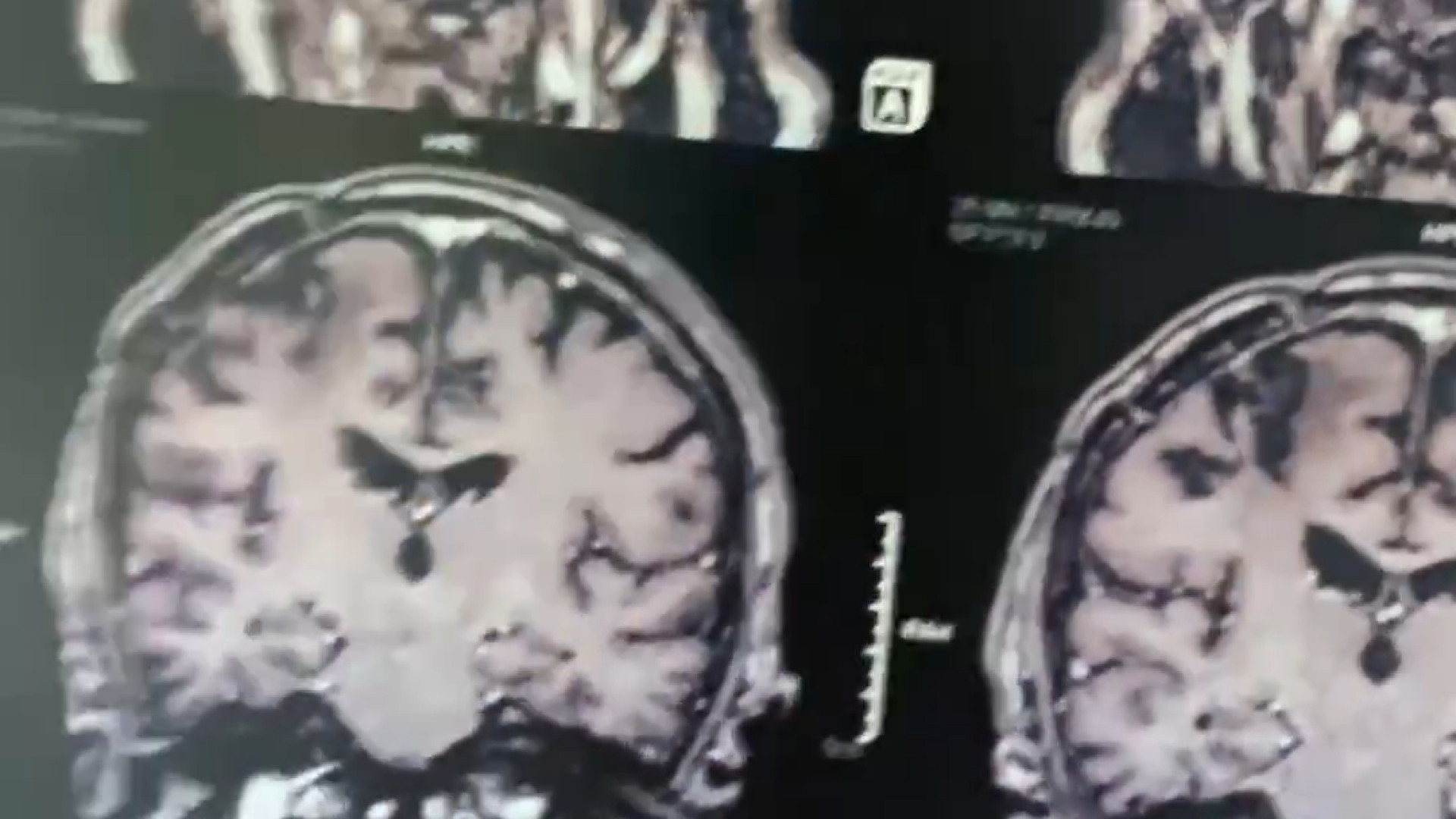
Malignant brain tumor treatment
Treatment of malignant brain tumor by Mehran Moradi
Benign brain tumors
Benign tumors such as meningioma, pituitary adenoma, and schwannoma grow slower, but they can cause headaches, movement disorders, or vision problems by pressing on the brain tissues. A neurosurgeon can remove these tumors with careful operation and preserve the normal function of the brain.
Brain tumors in children
Children's brain tumors, such as medulloblastoma or childhood gliomas, require special skills and experience. Using minimally invasive techniques and careful planning, the expert surgeon provides effective and low-risk treatment for children.
Brain tumor treatment by Dr. Mehran Moradi
Children's brain tumor treatment by Dr. Mehran Moradi
Non-cancerous cysts and lesions
A brain tumor surgeon can also treat brain cysts, vascular lesions, and other non-cancerous abnormalities that, if left untreated, can put pressure on healthy tissue and cause neurological symptoms.
Tumors related to the pituitary gland and cranial nerves
Tumors and lesions of the pituitary gland, optic nerves, or other cranial nerves are also treated by brain tumor surgeons. These surgeons can remove tumors with high precision and preserve important functions such as vision, balance and hormones.
Dr. Mehran Moradi
Neurology and spine specialist
What questions should we ask a brain tumor surgeon?
The brain tumor specialist will suggest the most suitable treatment option according to your medical records and the amount of pain you endure. It is appropriate to ask the brain tumor specialist the following questions in order to have a better mindset:
- How much experience do you have in doing this surgery?
- When should I do the surgery?
- What are the risks and side effects of this surgery?
- What are the benefits of this surgery?
- Ask the details of the surgery from the brain tumor specialist
- How is the surgery performed?
- Will I still have pain after the surgery?
- Explore different treatment methods together
- Do I have to do another surgery?
- How long does the whole process take?
- What specialties does my treatment team consist of?
- What specialties does the post-surgery treatment team include?
- What should/shouldn't I do before and after surgery?
- Do I need to make certain changes in my lifestyle?
- How long will I be in the hospital and how long will the recovery period take?
- How will the preparation for surgery be?