

کیفوپلاستی یک روش کمتهاجمی و موثر برای درمان شکستگیهای مهرهای است که ناشی از پوکی استخوان، ضربه یا تومورهای ستون فقرات ایجاد میشود. By restoring the vertebra's height and stabilization, this procedure reduces severe pain and allows patients to return to their daily activities more quickly. Stay with us until the end of the article to learn about the procedure, benefits, side effects and care tips before and after kyphoplasty.

What is kyphoplasty?
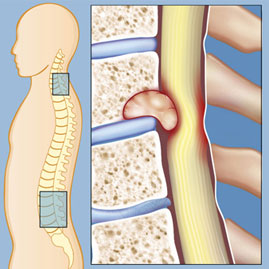
Kyphoplasty is a minimally invasive spine surgery method that is performed to treat vertebral fractures, especially due to osteoporosis or trauma. In this method, a small balloon is first placed inside the fractured vertebra to restore the vertebra's height as much as possible, and then the created space is filled with bone cement (PMMA). This reduces severe pain, stabilizes the vertebra and improves the condition of the spine, and most patients can return to daily activities faster. Compared to open surgical methods, kyphoplasty has a shorter recovery time and less risk.
In the following, you can see the explanation of kyphoplasty on the clevelandclinic website:
Kyphoplasty is a procedure to treat compression fractures, usually caused by osteoporosis or spinal tumors. This minimally invasive procedure takes less than an hour and offers pain relief within days. You'll be able to get back to your regular activities shortly after you go home.
Kyphoplasty is a procedure to treat vertebral compression fractures caused by osteoporosis or spinal tumors. This minimally invasive procedure takes less than an hour and reduces the patient's pain within a few days. After returning home, you can soon resume your daily activities.
https://my.clevelandclinic.org/health/procedures/kyphoplasty
What is bone?
Bone cement is a medical substance used to fix and strengthen bones. This material is made of polymethyl methacrylate (PMMA) and is in the form of a paste that hardens after being placed in the bone.
In procedures such as kyphoplasty and vertebroplasty, bone cement inside the vertebrae The fracture is injected to stabilize the vertebra and reduce pain. This substance helps to restore the height of the vertebra and prevent the progression of fractures and improves the function of the spine.
Application Kyphoplasty
Kyphoplasty is a minimally invasive procedure for treating vertebral fractures that can reduce severe pain and improve spinal function. This method has a variety of applications, the most important of which are mentioned below.
Vertebral fracture caused by osteoporosis
Vertebrae may break easily in older people or those with low bone density. Kyphoplasty stabilizes fragile vertebrae and reduces severe pain and helps to return to daily activities.
Fracture caused by trauma or fall
A severe blow, accident or fall can lead to broken vertebrae. By restoring the height of the vertebra and stabilizing it, this method reduces the deformation of the spine and relieves the pain caused by the injury.
Vertebral tumors or lesions
Cancer lesions or tumors may weaken the structure of the vertebra and cause severe pain. By stabilizing the vertebrae, kyphoplasty reduces pain and helps maintain the function of the spine.
Prevention of spinal curvature
Lumbar fracture can cause excessive curvature of the spine (kyphosis). to be By restoring the height of the vertebra and stabilizing it, kyphoplasty helps prevent the deformation of the spine and improves posture.
To receive expert advice, complete the form below and we will contact you and provide the necessary information.
What are the benefits of kyphoplasty?
Kyphoplasty is a minimally invasive procedure for treating vertebral fractures that reduces severe pain. This method is safer than open surgery and helps to return to daily activities faster.
- Immediate reduction of pain caused by vertebral fracture
- Fixing weak vertebrae and preventing damage progression
- Restoring the height of the vertebra and improving the condition of the spine
- Preventing excessive bending of the spine
- Shorter recovery period and faster return to daily activities
- reducing the need to take strong painkillers
- Improving the ability to do daily tasks and activities without pain

Difference between kyphoplasty and vertebroplasty
Kyphoplasty and vertebroplasty are two minimally invasive methods for the treatment of lumbar vertebrae fractures, each of which has its own application and benefits. In the following, we will examine each method separately.
Vertebroplasty
Vertebroplasty is used to stabilize broken vertebrae and reduce severe pain. In this method, bone cement is injected directly into the vertebra so that the vertebra is strengthened and the patient has less pain. This method is suitable for people whose vertebra height has not changed much, and the main goal is to reduce pain and prevent fracture progression.
Kyphoplasty
In addition to stabilizing the vertebra, kyphoplasty is used to restore the height of the vertebra and correct the shape of the spine. In this method, first a small balloon is placed inside the vertebra to restore its height and then bone cement is injected. This method helps to prevent excessive bending of the spine and improve body posture, and is suitable for severe or deformed fractures.
Who are good candidates for kyphoplasty?
Kyphoplasty is suitable for people who have a vertebral fracture and have severe pain or their daily functioning is affected. This minimally invasive method can reduce pain, stabilize the vertebrae and improve the condition of the spine.
- People with vertebral fractures caused by osteoporosis who have severe pain
- People who have fractured the vertebra due to impact or fall and the height of the vertebra has decreased
- Patients with spinal deformity (kyphosis) caused by vertebral fracture
- Those who have not had a good response to non-surgical or drug methods
- People who are looking for quick pain relief and quick return to daily activities
- Patients with vertebral lesions caused by tumors or cancer lesions that require stabilization

Dr. Mehran Moradi
Neurology and spine specialist
How is the diagnosis of kyphoplasty?

A patient who has spinal pain of traumatic or non-traumatic origin and conservative treatments have not been effective for him, should be carefully examined, especially if there are risk factors for osteoporosis in the patient. Common tests are:
- Radiography: X-ray is usually the first test done because it is cheap. Lateral X-ray images of the thoracic or lumbar spine can usually show a fracture and show a decrease in height or deformity and imbalance of the spine.
- Computed Tomography (CT) scan: provides more details of the bone structure of the body and can identify height reduction, displacement of components and other problems of the spine.
- Magnetic Resonance Imaging (MRI): This test is more expensive than the others, but can show if the fracture is acute (including bone edema) and if the nervous system is involved.
- Bone scintigraphy: is a nuclear imaging method of bone that is used to diagnose bone problems and injuries such as fractures, infections, and cancer.
Care and preparations before kyphoplasty
Before performing the kyphoplasty operation, it is necessary to observe some care and preparations so that the operation is done successfully and the risk of complications is reduced. These measures help the doctor to better assess your physical condition and provide an optimal treatment process.

Complete medicine
By examining the history of diseases, medications and allergies, the doctor can reduce the possible risks of the operation and choose the right method for the patient.
Perform the necessary tests
Blood and urine tests and, if necessary, imaging of the spine are performed so that the doctor has sufficient information about the condition of the vertebrae and the general health of the body.
discontinue or adjust certain medications
Anticoagulant drugs or drugs that affect bleeding or heart and kidney function are stopped or adjusted according to the doctor's opinion before the operation.
Inform your doctor about supplements and vitamins
The use of some supplements and vitamins can increase the risk of bleeding, so it is necessary to inform the doctor.
Food and drink restrictions
You must fast a few hours before the operation to avoid complications from anesthesia or sedatives.
Mental preparation and sufficient information
Awareness about the procedure, its benefits and risks helps to reduce stress and better cooperation of the patient.
Companion presence
Having a companion for home transport and post-operative care increases patient safety and comfort.
How is kyphoplasty performed?
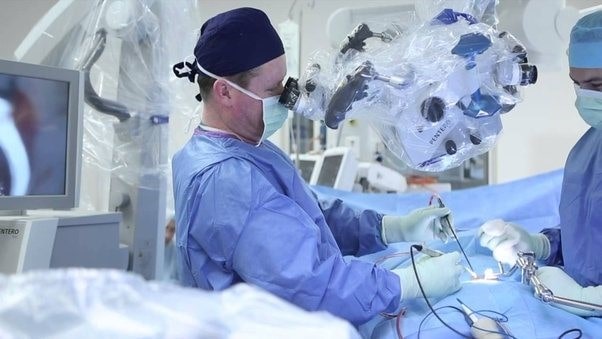
Kyphoplasty is a minimally invasive procedure for the treatment of vertebral fracture that is performed under local anesthesia or mild sedation. First, the doctor determines the location of the broken vertebra using accurate imaging. Then a thin needle is inserted through the skin into the vertebra and a small balloon is placed inside the vertebra to restore its height and correct the shape of the spine.
After the space is created by the balloon, bone cement is injected to stabilize the vertebra and reduce the pressure on the spinal cord and nerves. This method causes a rapid reduction of pain and the return of the normal function of the spine, and most patients can walk a few hours after the operation and continue their daily activities.
Dr. Mehran Moradi
Neurology and spine specialist
care after kyphoplasty operation
After performing kyphoplasty, it is very important to follow the post-operative care to reduce pain, prevent complications and accelerate recovery. By performing these cares, patients can return to their daily activities faster and get a better result from the operation.
Enough rest in the early days
After the operation, the patient should have enough rest and refrain from doing heavy activities and lifting objects so that the vertebrae are stabilized and additional pressure is not applied to the spine.
Follow-up and regular medical examinations
Periodic examinations with a doctor are necessary to check the condition of the vertebrae and ensure their complete stabilization. These follow-ups help to identify any possible complications early.
Use of prescription drugs
The doctor may prescribe painkillers or anti-inflammatory drugs to reduce pain and swelling after the operation. Exact use of medicines according to the doctor's order helps the patient recover faster and more comfortably.
Limit heavy activities
Activities that put a lot of pressure on the spine, such as lifting heavy objects or vigorous sports, should be avoided for a few weeks after the operation.
light movement and walking
Gentle movement and short walks are recommended after the operation to improve blood flow, improve blood circulation in the spine, and prevent immobility complications such as blood clots.
Following a diet Healthy food
It is important to consume enough nutrients to strengthen bones and help the spine heal faster, especially calcium and vitamin D.
Getting help from a friend
In the first days after the operation, the presence of a companion to help with daily tasks and basic care is recommended to increase the safety and comfort of the patient.

Risks and complications of kyphoplasty
Although kyphoplasty is a minimally invasive and safe procedure, like any medical procedure, it may have complications. Being aware of these complications helps the patient to take care more carefully and act faster if a problem occurs.
Bleeding or bruising
Bleeding or bruising may occur at the injection site or around the vertebra. This problem is mild and can be resolved with simple care.
Infection
Infection is rare but may occur at the site of surgery. Observance of health and follow-up of medical examinations helps to prevent and identify it early.
bone cement leakage
In some cases, the injected cement may come out of the vertebra and reach the surrounding tissues. This condition is rare, but it requires the attention of a doctor.
Damage to nerves
If the cement or tools press on the nerves, symptoms such as pain, numbness, or weakness in the hands or feet may occur. This complication is rare and can be prevented with the correct technique of the doctor.
Temporary pain in the operation area
Some patients may have mild pain or sensitivity at the operation site after the operation, which will decrease in a few days.
Reaction to drugs or anesthesia
If sedation or local anesthesia is used, minor reactions such as dizziness or nausea may occur, which are temporary.
Cost of kyphoplasty in Tehran
The cost of kyphoplasty in Tehran depends on many factors and it is not possible to declare a fixed figure for all patients. The most important factor determining the cost is the number of vertebrae that need to be treated. The higher the number of damaged vertebrae, the higher the cost of the operation.
The type of treatment center and the doctor's level of expertise also have a significant effect on the price. Private centers have a higher cost than government centers, and experienced and specialized doctors receive higher wages.
Other factors that can increase the cost are the equipment and devices used in the operation, the type of bone cement, anesthesia or anesthesia services, and post-operative care. In addition, ancillary services such as imaging, pre- and post-operative tests and prescription drugs also change the total final cost.
Concluding remarks
Kyphoplasty can improve a person's quality of life and his ability to move, and reduce pain and the need for painkillers. The doctor may suggest surgery if other treatments are not effective. There are differences of opinion on the effect of kyphoplasty, and this method also has risks. People who want to use this treatment should discuss its benefits and side effects with their doctor.