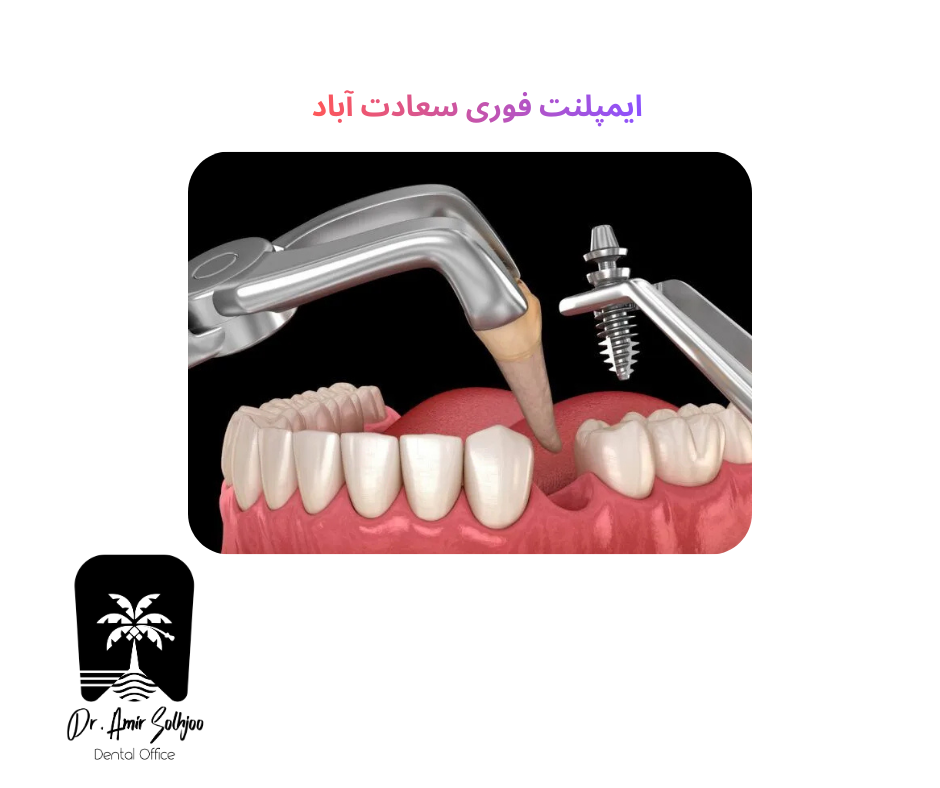
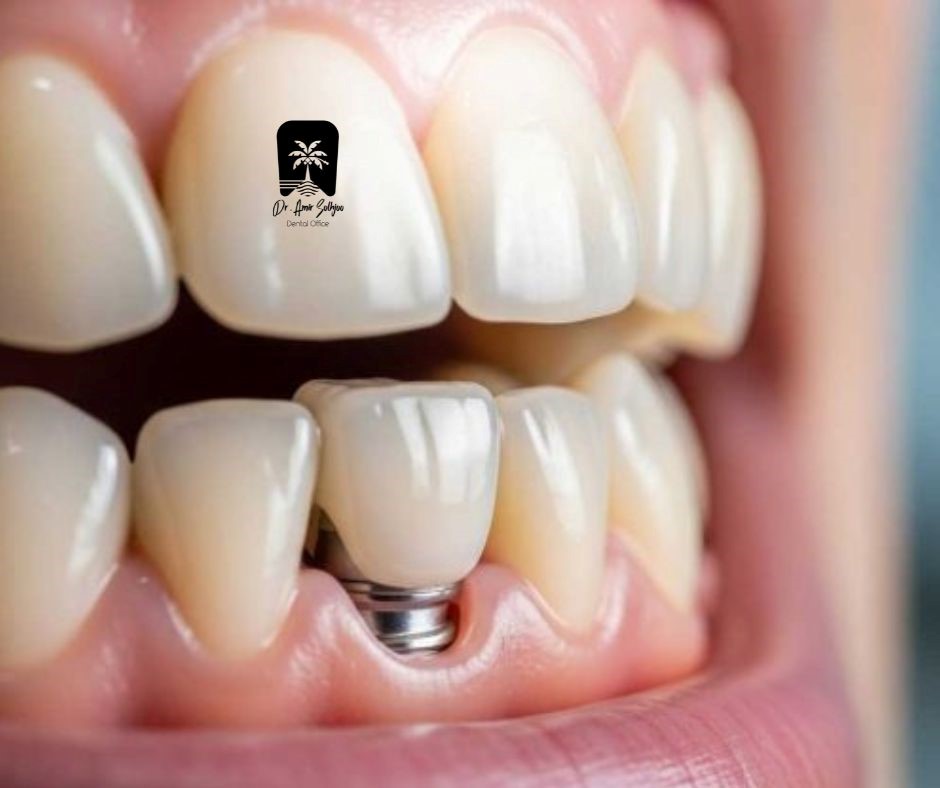
Dental implants in people with grinding teeth require special planning, choosing a resistant implant system and long-term management of extra forces caused by this unconscious habit. Bruxism, by exerting abnormal and persistent forces on the teeth and jaw joints, can present significant challenges to long-term success
Table of Contents
مقاله تخصصی
Dental implants in people with grinding teeth: challenges and specialized solutions
3 weeks ago
856 بازدید

Dr. Amir Salah Jo
تهرانSurgeon, dentist
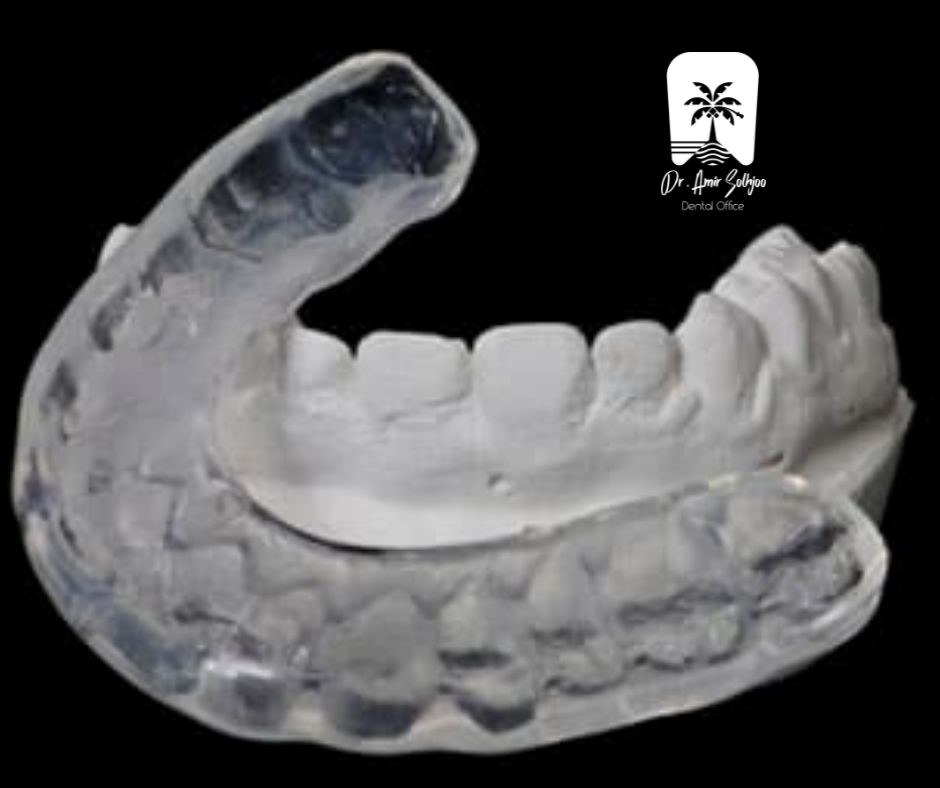
Understanding The impact of teeth grinding on the success of dental implants
Teeth grinding is a parafunction or abnormal activity of the chewing system, which usually appears as grinding or grinding the teeth together while sleeping (nocturnal bruxism) or waking up (awakening bruxism). According to the American Academy of Sleep Dentistry, these forces can be up to 10 times stronger than normal chewing forces. These excessive forces are the main challenge in dental implants in people with grinding teeth.
Mechanism of damage: why grinding teeth is dangerous for implants?
Dental implants, unlike natural teeth, do not have periodontal ligaments. This ligament acts like a shock absorber in a natural tooth and absorbs lateral and vertical forces. The implant is welded directly to the jaw bone (osseointegration) and this rigid connection leads to the direct transfer of force to the surrounding bone. In dental implants in people with bruxism, frequent and severe forces can lead to the following complications:
- Mechanical failure: fracture of the abutment screw, cover or even the implant base itself.
- Secondary peri-implantitis: Extra force can cause inflammation and bone loss around the implant.
- Failure of osseous integration: Preventing the process of initial fusion of the implant to the bone.
- Prosthetic wear and tear: rapid wear of veneers or artificial teeth attached to the implant.
Successful dental implants in people with bruxism require following a strict multi-step protocol that covers before, during and after surgery.
Diagnosis and control of bruxism before surgery
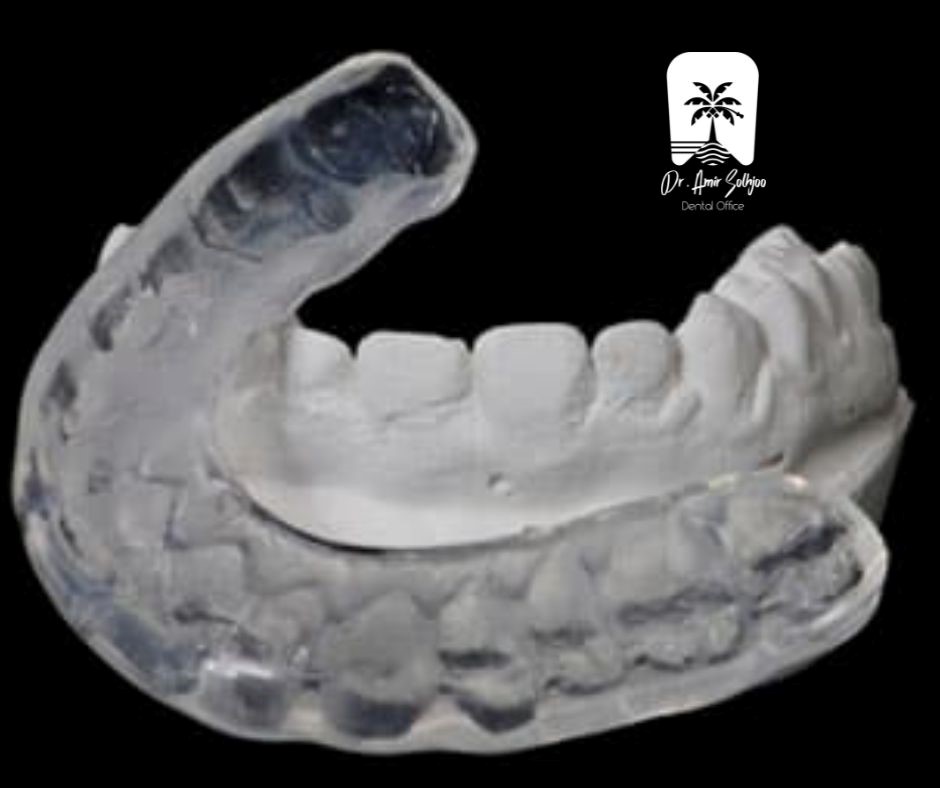
Before any procedure for an implant, the severity and pattern of the patient's teeth grinding must be carefully evaluated. This evaluation may include clinical examination for signs of tooth wear, jaw muscle pain, and even the use of polysomnography (sleep study) devices in severe cases. Bruxism control usually begins with the prescription of a specially designed night guard. This guard not only protects the remaining natural teeth, but by reducing the pressure on the jaw joints, it provides a better environment for dental implant healing in people with bruxism. In some cases, visiting a sleep medicine specialist or using behavioral therapy methods is also recommended.
Choosing an implant system with high mechanical strength
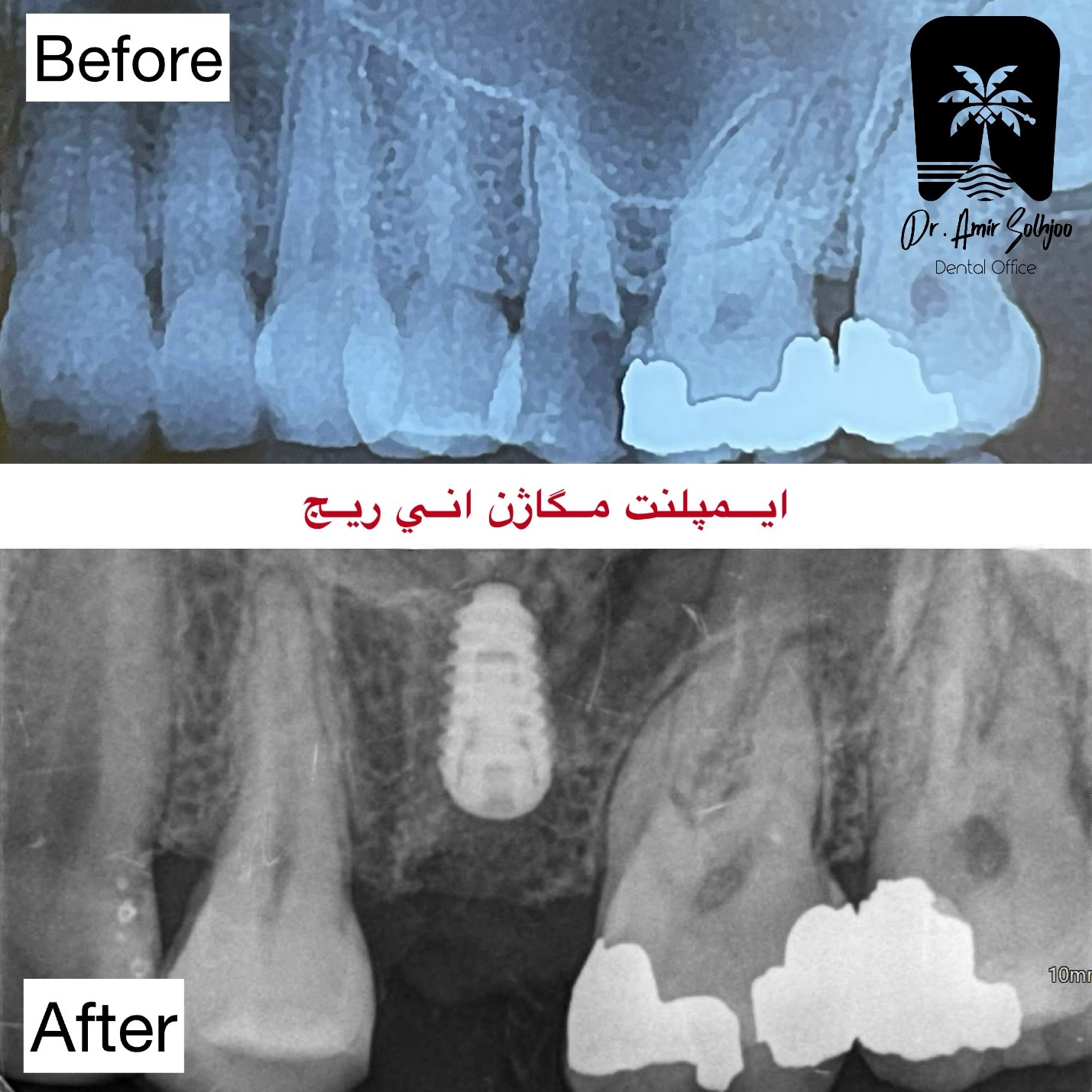
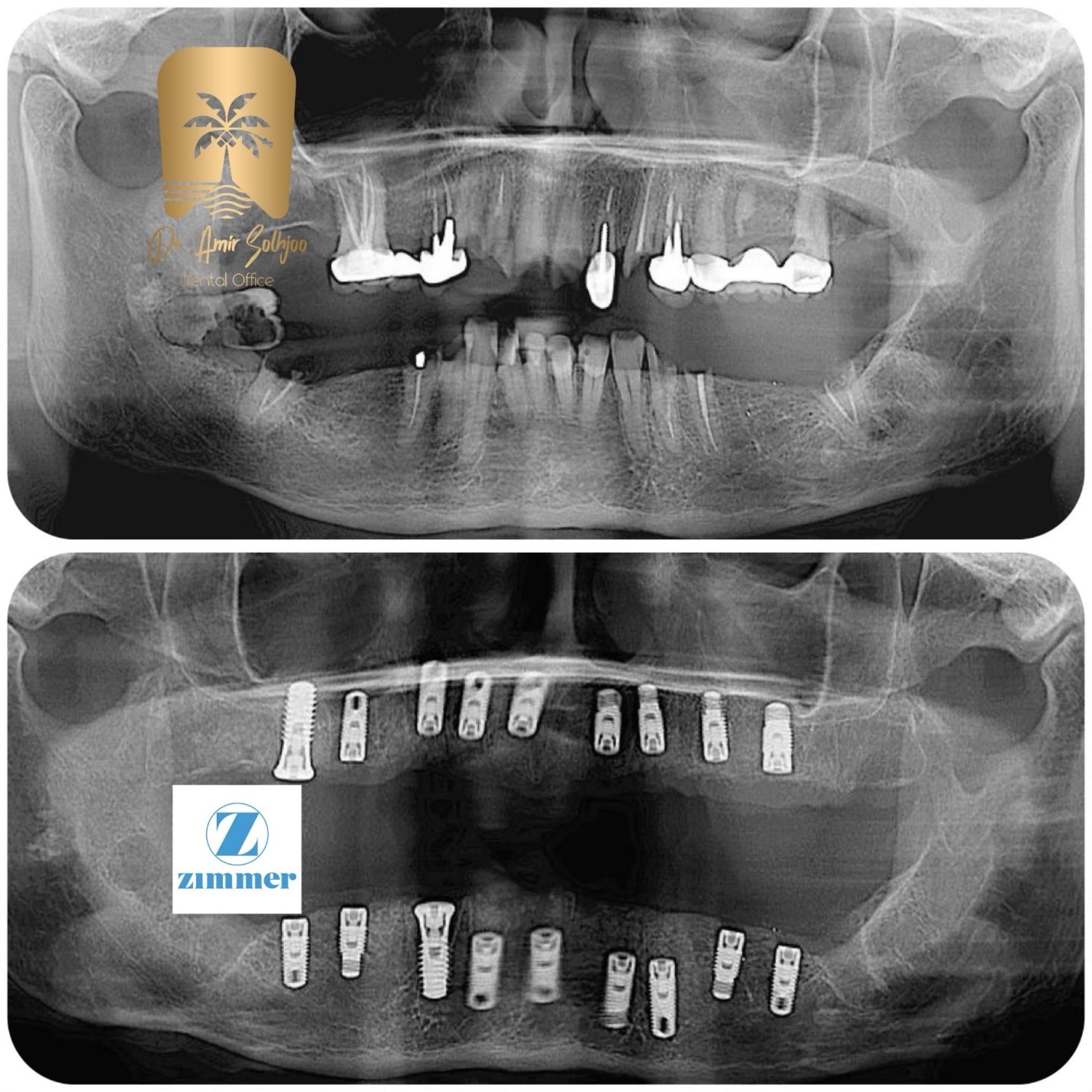
The choice of implant brand is of vital importance in these patients. Implant systems must be able to withstand strong and repeated forces. Zimmer Biomet (American Zimmer Biomet): Using first grade titanium alloys and optimized design for force distribution, it is considered one of the best options for dental implants in people with grinding teeth. The design of the T3 surface of this implant creates a stronger osseointegration that provides a solid base against additional forces.
Conservative-surgical-planning-special-prosthetic-design
In surgery, it may be preferable to choose implants with a larger diameter and optimal length to maximize the bone contact area. The positioning of the implants should also be such that the forces are evenly distributed. In the design of the prosthesis (cover), the following points are crucial:
- Use of high-strength materials: such as monolithic zirconia or all-metal-ceramic veneers with a thicker frame.
- Reducing occlusal contact points: Minimizing the points that come into contact during grinding to reduce force.
- flatter design of the cusps: to direct forces along the longitudinal axis of the implant and reduce lateral destructive forces.
Commitment to permanent use of mouth guard and regular follow-up
After completion of treatment, the long-term success of dental implants in patients with Grinding teeth is completely dependent on the regular use of a special night guard. This protector should cover implants and natural teeth at the same time. معاینات دورهای هر ۶ ماه برای بررسی سفتی پیچها، سلامت لثه و استخوان اطراف ایمپلنت، و بررسی سایش محافظ دهان ضروری است.
جدول مقایسهای رویکرد به ایمپلنت در بیماران با و بدون دندان قروچه
| فاکتور تصمیمگیری | بیماران بدون دندان قروچه | بیماران مبتلا به دندان قروچه |
| اولویت اول در طرح درمان | بازیابی زیبایی و عملکرد | کنترل نیرو و دوام مکانیکی |
| انتخاب برند ایمپلنت | طیف وسیعتری از برندها | برندهای با استحکام بالا (زیمر، مگاژن) |
| قطر ایمپلنت | استاندارد بر اساس فضای موجود | ترجیحاً قطر بیشتر |
| جنس و طراحی روکش | سرامیک استاندارد | زیرکونیای پراستحکام یا طراحی تقویتشده |
| اکلوژن (تماسهای دندانی) | استاندارد | کاهشیافته و هدایتشده |
| نیاز به محافظ دهان | معمولاً نه | اجباری و مادامالعمر |
| تناوب پیگیری | سالی یکبار | هر ۶ ماه |
| ریسک شکست مکانیکی | پایین | بالا (بدون مدیریت صحیح) |
جدول هزینههای ایمپلنت دندان در افراد مبتلا به دندان قروچه (سال ۱۴۰۴)
هزینههای زیر شامل ملاحظات اضافی برای مدیریت دندان قروچه میشود.
| آیتم خدماتی | محدوده قیمت (میلیون تومان) | توضیح ویژه برای بیماران دندان قروچهای |
| ایمپلنت مگاژن AnyRidge + روکش زیرکونیا | ۵۵ – ۶۰ | روکش زیرکونیا قویتر برای مقاومت در برابر سایش |
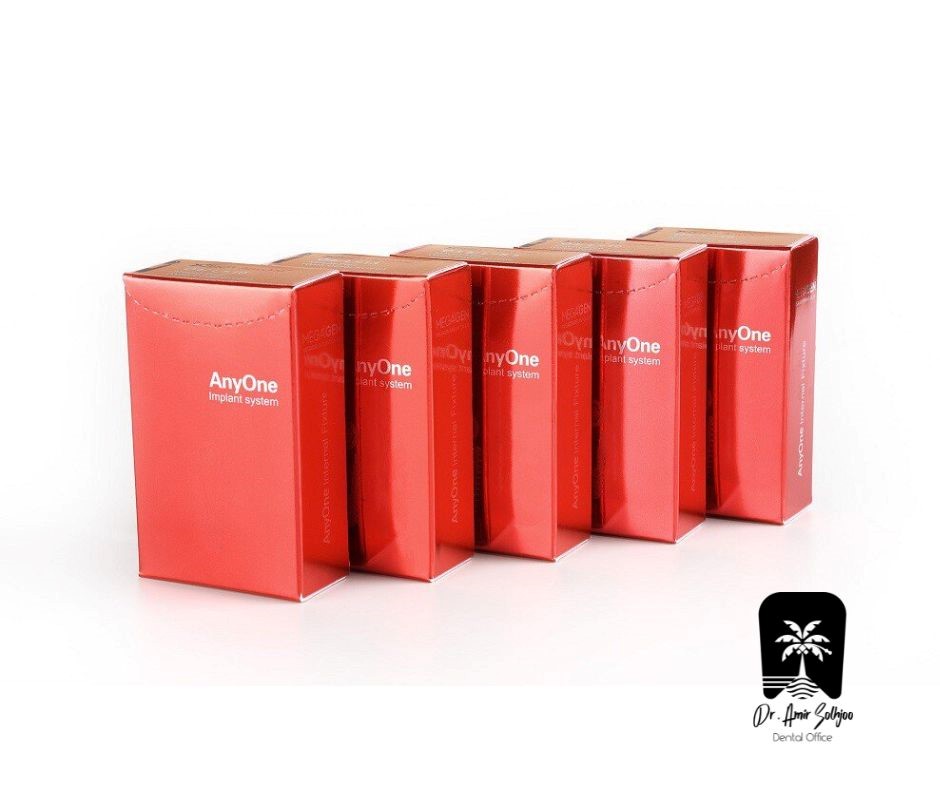
| ایمپلنت مگاژن AnyOne + روکش | ۵۰ – ۵۵ | با احتیاط و تنها در موارد انتخاب شده |
| ایمپلنت زیمر + روکش زیرکونیا تقویتشده | ۵۸ – ۶۸ | انتخاب ترجیحی به دلیل استحکام عالی |
| محافظ دهان (نایت گارد) لابراتواری ضدسایش | ۱۰ – ۱۲ | هزینه ضروری اضافه – نیاز به تعویض دورهای |
| اصلاح و تنظیم اکلوزن پروتز | رایگان | ممکن است نیاز به چندین جلسه تنظیم باشد |
| پیوند استخوان ساده | ۸ | |
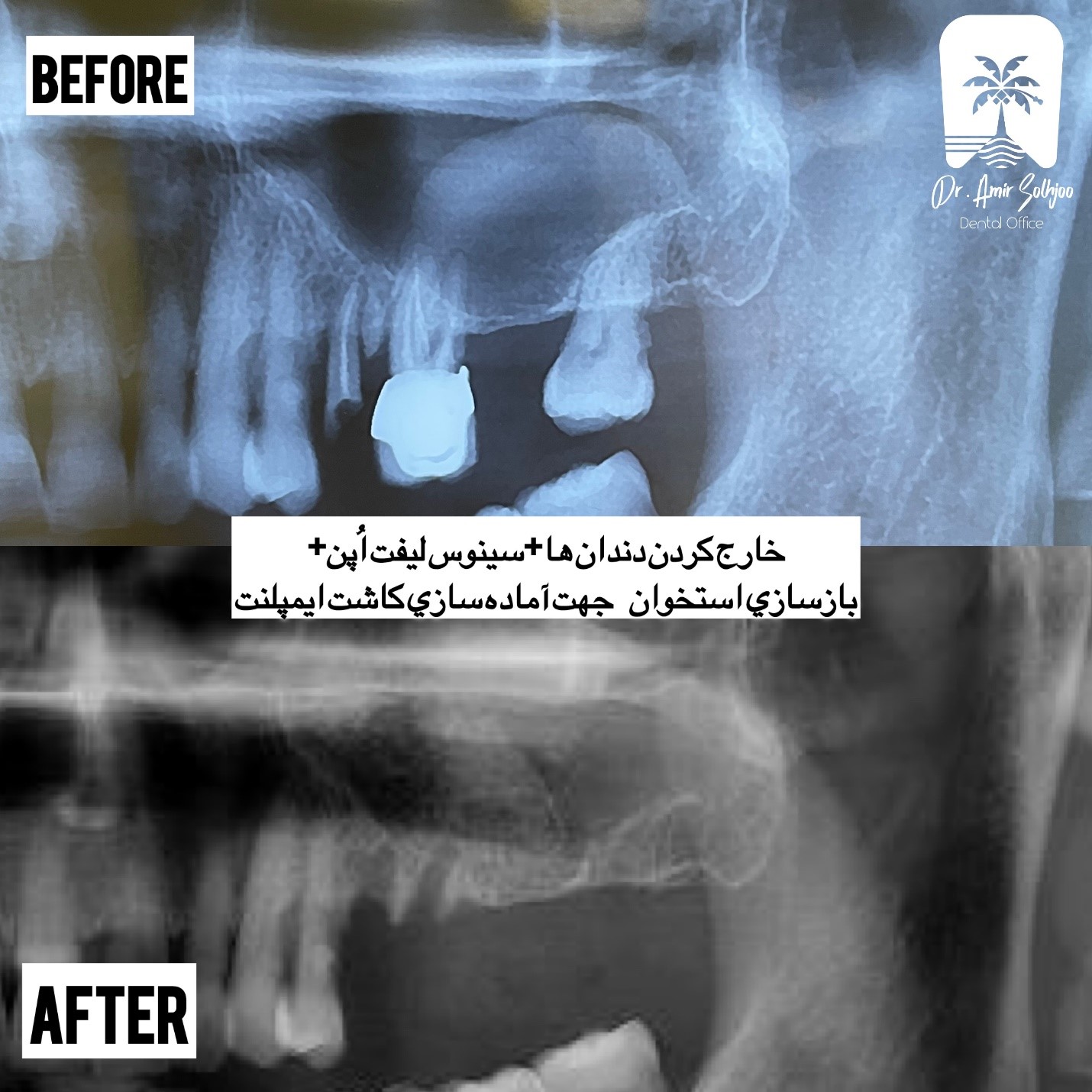
| سینوس لیفت بسته | ۱۰ | |
| پیوند بافت نرم | ۲ – ۱۵ | برای ایجاد بافت لثهای ضخیمتر و مقاومتر |
| ممبران برای پوشش | ۱۰ (ناحیهای) | |
| بازسازی استخوان فک | ۲۰ (ناحیهای) |
سوالات متداول درباره ایمپلنت دندان در افراد مبتلا به دندان قروچه
آیا با وجود دندان قروچه شدید، اصلاً میتوانم ایمپلنت کنم؟
بله، اما این کار ریسک بالاتری دارد و نیازمند مدیریت حرفهای است. The first condition is your commitment to regular and constant use of a mouth guard at night. The dentist must evaluate the severity of your problem and if the bruxism is severely uncontrolled, he may suggest treatment first. Dental implants are possible in people with severe but controlled grinding of teeth, with careful planning.
What is the difference between a special mouth guard after an implant and a normal guard?
This guard (night guard) must be designed in such a way so that it sits evenly and balanced both on implants and veneers and on your natural teeth. Its thickness and material are optimized to absorb and distribute forces caused by grinding teeth. It is usually made of hard or semi-hard material with a soft coating and requires precise molding after the implant prosthesis is finished.
Is the "digital implant" method more suitable for these patients?
No. The concept of "digital implant" as a standard and complete method has not yet been established in the global dental scientific community for such complex cases. Accuracy in dental implant planning for people with bruxism is extremely important, and this planning should be based on accurate clinical evaluations and three-dimensional CT scan (CBCT) by an experienced specialist, not just based on digital software.
Which implant brand is better for me: Zimmer or Magazine?
Both brands are great options. With a longer history and extensive research, the American Zimmer Implant may be a more conservative choice against extreme forces. The Korean Magazine Implant with AnyRidge technology creates an excellent bone connection surface and is a more affordable option with very high quality. The final decision should be made after consultation and according to the conditions of the jaw bone, budget and opinion of your specialist.
If I don't use a mouth guard, what happens? There will be a risk of cover or screw fracture, implant loosening, bone loss around it, and finally complete loss of the implant. This can lead to the loss of financial capital and the need for more complex and expensive treatments.How much more will the total cost of treatment be for me than a normal person?
The cost of dental implants in people with grinding teeth is The reason for the need for higher strength materials (such as zirconia), specialized mouthguard fabrication, and possibly more adjustment sessions will be about 15-25% more than the usual cost. This additional cost is a necessary investment to protect your main investment (the implants).
Conclusion
Dental implant in people with bruxism is a challenging but quite possible treatment. Its success depends on a true partnership between patient and dentist. The patient must be committed to controlling his habit (with the help of a night guard) and regular attendance for examination, and the dentist must provide the conditions for long-term success with sufficient knowledge, selection of the best materials and conservative design.
If you suffer from grinding teeth and need an implant, do not worry. By visiting the specialized clinic of Dr. Amir Salahjo, you will be subjected to a comprehensive evaluation and receive a personalized treatment plan that takes into account all the necessary considerations to manage your teeth grinding and guarantee the durability of your implants. Pasargad - Floor 9 - Unit 26
Telephone:02144387914
Instagram:@DR.SOLHJOODENTALOFFICE
Whatsapp to book an appointment and free consultation:09106520066
Aparat: https://www.aparat.com/dramirsolhjoo We will help you to restore a healthy and beautiful smile with peace of mind and the assurance of a lasting result. href="https://www.dramirsolhjoo.com/author/amir-5javangmail-com/">Peaceful Doctor (collection manager)