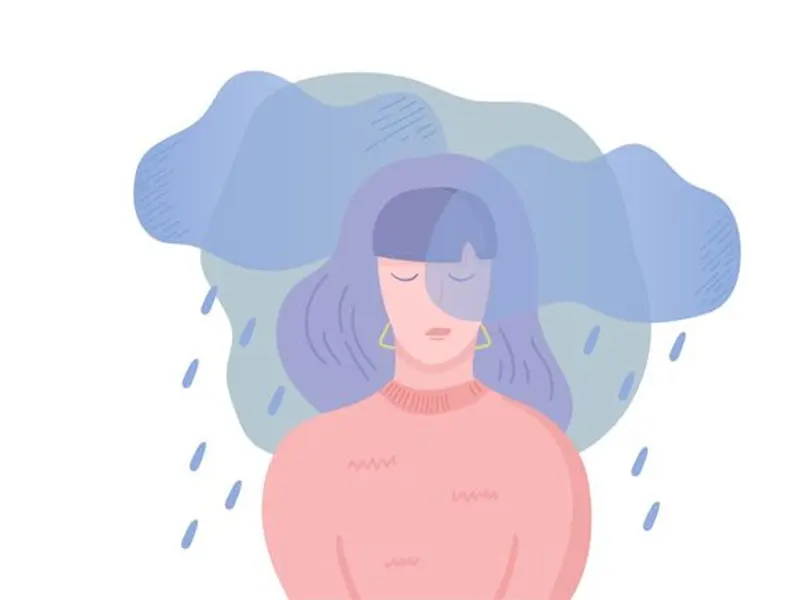
اگر تا به حال احساس کرده اید که در طول ماه های زمستان نسبتاً بی انگیزه و ملول هستید، احتمالاً افسردگی زمستانی را تجربه کرده اید. When we feel tired during the colder and darker days of winter, you should know that this situation is very common and almost most people may experience such a feeling. It is very normal to feel weak, lazy and tired during this time. Winter depression is usually not severe and does not affect your ability to live and enjoy life. If you worry that your energy and stamina are too low or that it prevents you from doing everyday activities, you may be experiencing depression or seasonal affective disorder (SAD), formerly known as major depressive disorder with a seasonal pattern. This article describes the differences between winter depression and seasonal affective disorder. It also gives you ideas to make you feel better.
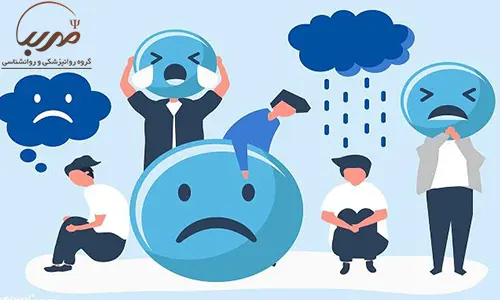
symptoms of winter depression
People with winter depression usually notice a decrease in energy during the cold winter months. Symptoms usually resolve on their own, but can worsen during the holidays due to stressful family gatherings and the loss of loved ones. The common symptoms of this condition are:
- Decreased energy
- Fatigue
- Feeling weak
- Slowness
- Difficulty concentrating
- Increased hours of sleep
- Lower energy level
- Increased Weight

What is seasonal affective disorder?
Seasonal Affective Disorder (SAD) is a type of seasonal depression generally associated with the colder, darker months of the year. It is believed that it is caused by the lack of sunlight in late autumn and winter. Shorter days can disrupt the internal circadian rhythm of your body and lead to a decrease in energy and depression.
differences of winter depression and seasonal depression
Winter depression is a common condition that usually resolves on its own. But seasonal affective disorder is a clinical diagnosis that is more serious and requires treatment. People with seasonal affective disorder often experience the same symptoms as those with winter depression. In addition, other symptoms of seasonal affective disorder may include:

If you have thoughts of death or suicide, immediately seek to solve the problem and see a psychologist.
factors increasing the probability of seasonal depression
Sex: Women are more affected by seasonal affective disorder.
Geographic location: those who live further from the equator.
History of depression: History of depression or mood disorders in you or your family increases the risk.
tips to overcome winter depression
While winter depression can return every year with the onset of winter, some or even all of its symptoms can be prevented.
The following steps and methods can help reduce your symptoms so you can feel better:
light therapy
Light therapy is the use of a light box to replace the hours of light that we lose in the dark months of winter. Studies show that light therapy may improve symptoms of seasonal affective disorder in 70% of patients who try it.
Light therapy can be at least 30 minutes in the morning in front of the light box you have prepared. Your psychiatrist may recommend longer hours depending on the severity of your symptoms. Light therapy is usually performed daily until the warm spring months.
cognitive-behavioral therapy
Cognitive-behavioral therapy (CBT) is a type of talk therapy that aims to help people identify negative thoughts, question those thoughts, and engage in more helpful behaviors. It has been proven to be very effective in treating winter depression and seasonal affective disorder. In fact, in some research, cognitive-behavioral therapy is a longer-lasting and more effective treatment than light therapy, as it has been shown to potentially reduce the risk of symptoms returning each winter.
vitamin D supplements
Exposure to natural sunlight makes our body produce vitamin D. As the days get shorter and we lack natural light, many of us become deficient in vitamin D. Studies have shown that low levels of vitamin D are associated with an increased risk of depression.If you experience mood swings during the winter months, your psychiatrist may recommend starting a daily vitamin D supplement. This supplement may begin in the fall and continue through the spring. You can consult your doctor for the right dosage.
self-care strategies
Many symptoms of winter depression can be improved with simple self-care measures. If you're feeling down, pick an activity that seems enjoyable and see how it goes. Some ideas to start dealing with depressive states are:
- Spending time outdoors
- Walking
- Plan to ice skate or play in the snow with your friends
- Do physical activity and exercise
- Try to connect with friends and family
- Eat energizing and nutritious foods
- Avoid alcohol and drugs
treatment of seasonal affective disorder
Seasonal Affective Disorder (SAD) usually requires treatment beyond self-care practices. Treatment options include light therapy, cognitive-behavioral therapy, and antidepressants These treatments are often used in combination. Wellbutrin (bupropion) is an antidepressant drug approved by the US Food and Drug Administration (FDA) for the treatment of winter depression. Fortunately, seasonal affective disorder is treatable, and most people who seek treatment notice improvement within a few weeks.

When should you see a psychiatrist?
It is time to The best psychiatry clinic if you notice that your energy and physical and mental strength are very weak and it prevents you from enjoying life or affects your ability to do your work. If you are having thoughts of death or suicide, seek help immediately.

Abstract
Winter depression is a common illness that occurs during the colder and darker months of the year. Common symptoms include feeling weak and lethargic. You may find that you sleep more. These symptoms are caused by the lack of natural light that our body is used to.
Winter depression is different from seasonal affective disorder (SAD), which is a type of depression that occurs in the winter months and requires treatment. Some ways to start feeling better include light therapy, cognitive-behavioral therapy, vitamin D supplements, and self-care strategies. If you are concerned about your mood or are thinking about suicide, talk to a psychiatrist.
Frequently asked questions of winter depression
A type of seasonal depression that occurs in autumn and winter.
Decreasing sunlight and disrupting sleep rhythm.
boredom, sleeping too much, overeating, sadness.
People sensitive to the change of season.
Yes, it worsens if not treated.
Yes, it is completely treatable.
Light therapy, psychotherapy and healthy lifestyle.
بسته به شدت علائم متفاوت است.