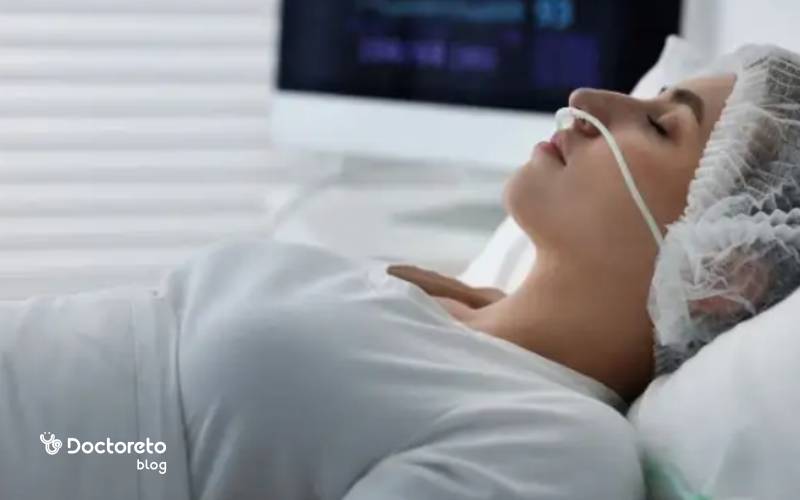
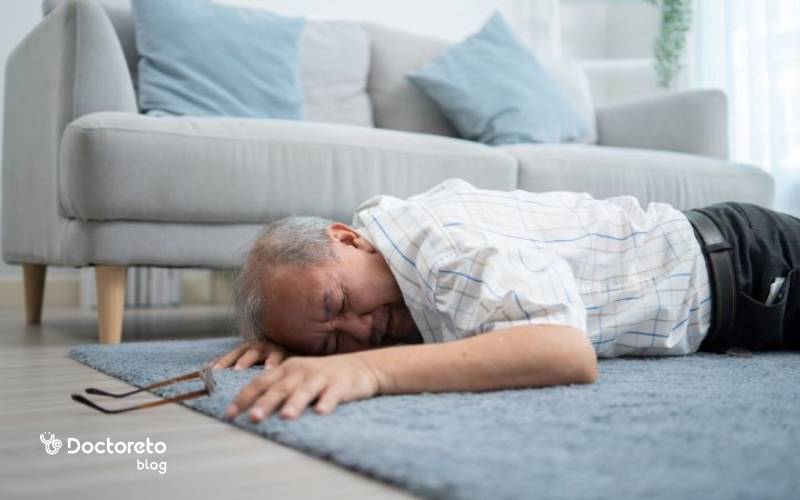
Decreasing the level of consciousness is a very serious condition, and if you notice that someone around you has passed out or is not conscious, you should immediately take the necessary care and emergency measures. There are various methods to increase the level of alertness of the patient, which can be used to prevent serious injuries. In this article, we will answer your question from your doctor about how to raise the level of consciousness of the patient and we will examine the important points about this issue in more detail. Stay with us.
How to raise the level of consciousness of the patient at home or at the scene of the accident?
Fainting (syncope) is usually caused by a transient decrease in blood supply to the brain, but a decrease in the level of consciousness can also have various non-circulatory causes. In the first step to increase the level of consciousness of the patient, you must perform a series of basic measures at home or at the scene of the accident and before transferring the patient to the hospital.
These measures may improve the patient's level of consciousness or prevent more serious complications. From assessing vital signs to checking the possibility of serious injuries and checking the patient's breathing, it is one of the most important tasks that can help a person who is unconscious a lot.
Environment
Method / action
How to function (brief description)
Limitations / warnings
House / accident site
Environment security
Put the patient on a flat surface, remove objects Dangerous
Excessive movement is prohibited
Call emergency services immediately
Activate the medical system
Do not wait for "consciousness". touch
severe painful stimulation is prohibited
check breathing and pulse
assurance of life and oxygen delivery
if breathing stops → CPR
keep the airway open
loosen tight clothing, turn the head if Nausea
do not perform aggressive maneuvers
recovery position (if breathing)
lying on the side
only if spinal cord injury is not considered
elevating the legs (limited)
increasing blood return in simple syncope
in No stroke/concussion
Avoid wrong actions
Do not pour water, do not give food, do not slap
Very important and vital
Hospital / emergency room
Monitor vital signs
Monitoring pressure, pulse, oxygen
required Equipment
Assessment of level of consciousness (GCS/FOUR)
Standardized scoring of responses
Periodic repetition is necessary.
Oxygen therapy
Increase blood and brain oxygenation
Dosage should be controlled
Testing
Cause-oriented drug therapy
such as glucose, naloxone, anticonvulsants
"General stimulant medication" is not recommended.
Imaging (CT/MRI)
Diagnosis of stroke, hemorrhage, trauma
Diagnostic tool, no Treatment
Intensive care (ICU)
Continuous monitoring and critical support
For severe cases
Rehabilitation and targeted sensory stimulation
Speech therapy, auditory stimulation
Supportive effect, not immediate
In this table, the measures required to raise the level of consciousness of the patient are collected.
English text: When someone becomes unconscious and unresponsive, it is essential to know what to do. This may include checking the vital signs and assessing for a serious injury until emergency services arrive. These tasks include checking vital signs and assessing serious injuries until the arrival of emergency services.
1. Immunization and emergency call
In the first step to increase the level of consciousness of the patient at the scene of the accident, you should see how long the person is unconscious. If the person has unresponsiveness, breathing disorder, convulsions, head injury or continued anesthesia, you should call the emergency room immediately. Help the person lie down on the floor and lay them on their back while you ask for help.
On the other hand, secure the space around the patient to reduce the possibility of side injuries such as falling on hard objects or things like that. If the other person is injured due to loss of consciousness and a fall with fainting, take care of the bruises and cuts safely until emergency services arrive. For example, if the patient is bleeding, be sure to stop the bleeding with direct pressure until the emergency arrives.
Raising the patient's level of consciousness by identifying and treating the underlying cause, providing sufficient oxygen, correcting Metabolic disorders and appropriate drug prescription are done under the supervision of a doctor.
2. Examination of breathing and airway (without dangerous maneuvers)
Sometimes, along with losing consciousness and fainting, patients also have trouble breathing and cannot breathe well. For this reason, another important initial measure to increase the patient's level of consciousness is to check the respiratory tract. Loosen the patient's tight clothing and let him get fresh air. Now you should check the patient's airway as well as the patient's pulse and make sure there are no signs of airway obstruction such as labored breathing or loud and unusual breathing.
If the patient is conscious enough to answer your questions, ask about any previous symptoms or illnesses, such as headaches, seizures, numbness, or chest pain. If the patient is in a state of simple syncope without injury or suspicion of cerebral stroke/hemorrhage and has a pulse and is semi-conscious, to increase the level of consciousness of the patient, try to place the person's feet slightly above the ground. This work helps to return blood flow to the brain.
English text: Check for breathing. Check for a pulse and to see if the person is breathing. Persian translation: Check the breathing and pulse of the patient and see if the patient is breathing. noopener">mayoclinic
3. Prohibited actions to raise the level of consciousness of the patient
In addition to the things mentioned above, when helping someone who is not conscious, you should avoid the following:
Do not place a pillow under the unconscious person's head, because it may disturb his breathing.
Don't try to sit him down.
Do not pour water on the face of a person who is not conscious.
Don't slap his face.
Don't try to make him drink water or any other liquid.
Don't try to grab or forcibly move something that is stuck in his throat and cannot be seen.
Methods to increase the patient's level of consciousness in the emergency room
If the patient was still unconscious or had weak vital signs due to a decrease in level of consciousness and despite the initial measures to increase the level of consciousness, the next steps of treatment should be done in the emergency room. Measures to increase the patient's level of consciousness in the emergency room are different depending on the type of symptoms and conditions that each person has. Sometimes, in addition to reducing the level of consciousness, other risks such as cardiac arrest, bleeding or spinal cord injury may also threaten the patient.
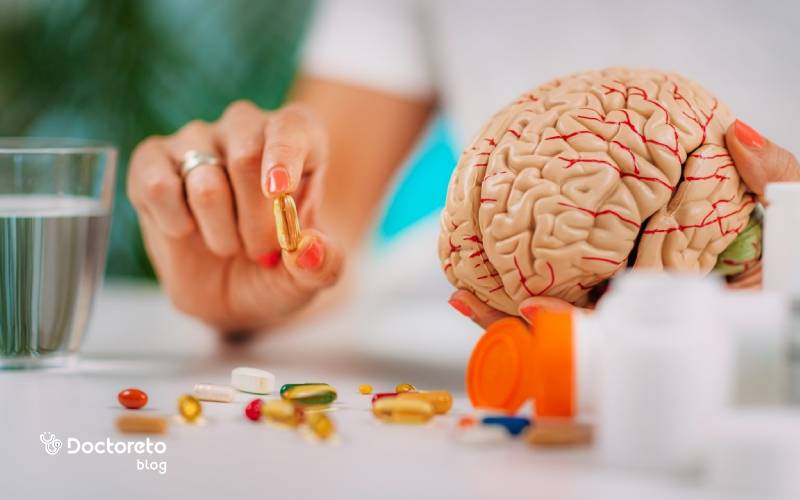
Depending on the patient's needs and conditions, doctors may take help from drug treatment to increase the patient's level of consciousness. Some drugs can increase the level of alertness of the patient with their stimulating effect. These drugs are called psychostimulants.
2. Respiratory treatments and oxygen therapy
Another part of the measures that are performed for the patient in the emergency room is to open the airway and get help from respiratory support devices to improve the breathing of patients. Especially if the patient is unable to breathe due to loss of consciousness or underlying problems. Connecting the patient to breathing aid and oxygen therapy devices prevents serious damage to the organs, especially the brain, and on the other hand, increases the patient's level of consciousness.
3. Control of vital signs and stabilization of the patient's condition
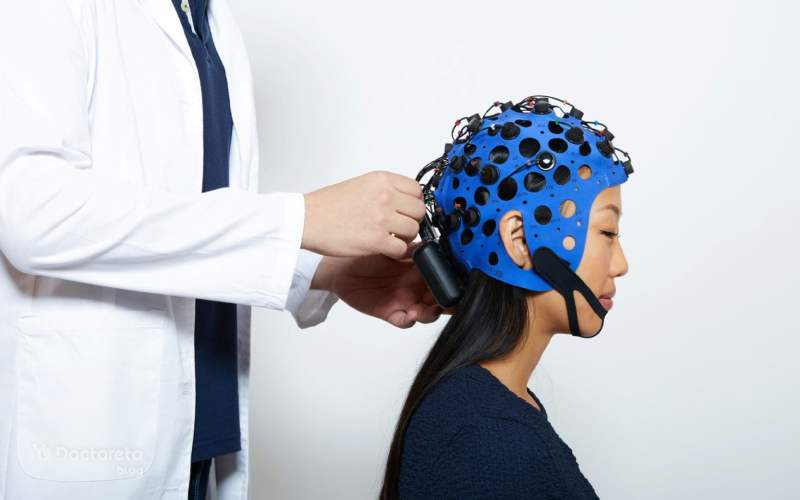
The vital signs of patients who are admitted to the hospital due to loss of consciousness are constantly evaluated so that the doctor is sure of stabilizing the patient's condition. Heart rate, blood pressure, oxygen level and the patient's responsiveness to external stimuli are all things that should be checked constantly. In patients who are still unconscious, to prevent aspiration, they put the patient in a lying position and constantly check the patient's condition.
4. Using tactile and auditory stimuli
Sometimes for some patients, touch methods are used to increase the level of consciousness of the patient. Response to stimuli is for assessment, not treatment. Performing these sensory stimulations is very necessary and effective, especially for patients who are in a coma.
Psychological and supportive methods to strengthen consciousness
Works such as a familiar person talking to an unconscious person or psychological communication with the surrounding environment, such as listening to familiar music, are all supportive methods that can speed up the recovery process and increase the patient's level of consciousness.
Special care in patients with low level of consciousness
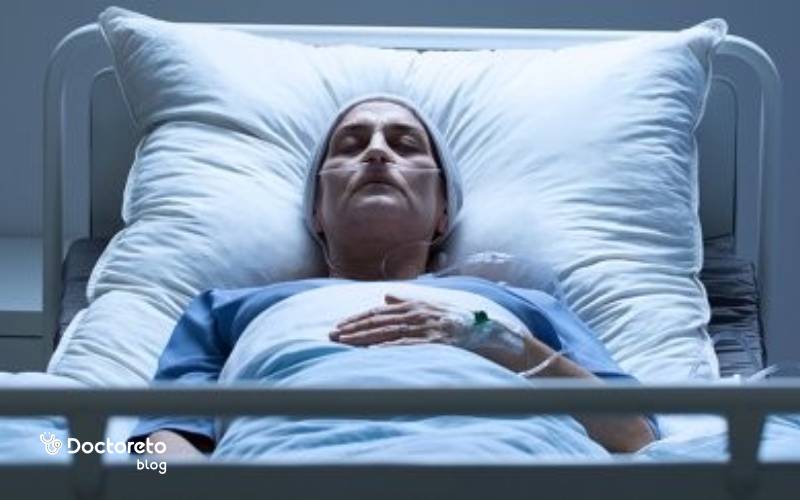
Patients who are facing a severe decrease in level of consciousness should be admitted to the intensive care unit and be constantly monitored. Continuous monitoring of the patient's vital signs (heart rate, blood pressure, and body temperature) and neurology is essential to detect any change or improvement. Meanwhile, considering the cause of decreased level of consciousness, doctors also take help from additional treatments such as oxygen therapy and drug therapy.
In this group, in addition to the measures taken to increase the patient's level of consciousness, it is necessary to investigate the complications caused by a decrease in the level of consciousness, such as respiratory aspiration or venous thrombosis, and their prevention. Doing these actions will prevent more serious problems.
How to raise the patient's level of consciousness depends on many vital measures. It is very helpful to administer first aid to someone who has lost consciousness or is unconscious. With the help of measures needed to increase the level of consciousness of the patient, it is possible to prevent further serious injuries. However, at the same time as doing these things, you should call the emergency room as soon as possible so that the patient receives professional care on time.
Your doctor takes care of your health!
Frequently Asked Questions
There are a series of drugs as psychostimulants that can be used to increase the level if necessary Consciousness of the patient used.
In some people, doing things like foot reflexology massage or using stimulation methods Listening helps to raise the level of consciousness.
Yes, environmental changes such as proper lighting, noise reduction, family presence and sensory stimulation Controlled can speed up the patient's return to consciousness by activating neural networks and reducing stress. محیط آرام، منظم و غنی از محرکهای معنادار به بهبود عملکرد شناختی و عصبی کمک میکند.
در بیمارانی که در کما هستند، بسته به سن، علت و شرایط زمینهای که دارند میتوان به تدریج با برخی اقدامات، سطح هوشیاری بیمار را افزایش داد.
فرزانه هستم، 30 ساله و عاشق دنیای سئو و محتوانویسی که با کنجکاوی دنبال آموختن چیزهای جدیدم؛ Regardless of any contract, law and special style. The virtual world and the Internet have provided me with an opportunity to be with the best teams, where I can feel the feeling of getting better and improving my job with all my heart every day without any worries. I am proud to achieve this pure feeling with your good team.