
Why is the second trimester of pregnancy so important?
For many mothers, the second trimester is the most enjoyable stage of pregnancy. When not only are morning sickness gone, but your baby isn't big enough to cause new pains yet. During this period, your little fetus will grow at a constant rate, and therefore, checking what happens in weeks 14 to 27 of pregnancy will be your guide in successfully passing the second trimester of pregnancy.
Each trimester of pregnancy includes 13 or 14 weeks, and therefore the second trimester of pregnancy includes from the 14th week to the 27th week. This period is not only the beginning of many changes in the fetus, but after the reduction of the initial symptoms of pregnancy in the mother, followed by the appearance of changes in her, it will be an important and decisive part of your pregnancy period.
Changes in mental and emotional states of pregnant mothers
A constant stream of changes, hormone releases, and various worries during pregnancy affect your mind and body. So, it is normal to feel tired, forgetful and moody and to be constantly involved with issues such as managing pregnancy symptoms, finances, daily life issues, changes that your life will have in the future, etc.
In the second trimester of pregnancy, fatigue, negative morning feelings and mood swings will improve; But you will probably become more forgetful and disorganized than before, and remember that the feeling of heaviness, the feeling of the baby's movement and the obvious changes in appearance will naturally induce different feelings in you.

Mothers' stress during pregnancy and the importance of mother's relaxation
- Negative life events: divorce, serious illness, death in the family and loss of job or home
- Natural disasters: floods, earthquakes, volcanoes, storms and...
- Long-term stress: which may be caused by material problems or serious health problems.
- Depression and anxiety: whose history goes back before pregnancy.
- Pregnancy-related stress: worry about pregnancy loss, child health, possible screening results and how to deal with childbirth
According to studies, maintaining peace has positive and important effects on mother and child:
- The importance of relaxation in the mother: In addition to the positive effect it has on the emotional state of women, relaxation also causes reduction of the following; Postpartum complications/need for Zayman Cesarean section/premature delivery/hospitalization duration/physiological and endocrine problems.
- The importance of relaxation on the child: Relaxation causes a positive decrease in the heart rate and motor activity of the fetus, as well as weight gain and better behavioral performance in the baby.

Changes in physical states of pregnant mothers
With the beginning of the second trimester of pregnancy, the mother's body will have positive physical changes, including a decrease in nausea, an increase in energy levels, a decrease in sensitivity in the breasts and a change in the shape and increase of the belly bulge. Of course, there is a possibility of continuing the special and annoying symptoms of pregnancy such as constipation or heartburn, leg cramps, congestion (followed by snoring), sensitive or inflamed gums, dizziness (caused by low blood pressure), round ligament pain, and varicose veins.
If you do a checkup during this trimester, you will easily enter the third trimester of pregnancy. However, take symptoms such as severe vaginal bleeding, abdominal pain, and fever above 38°C seriously in any situation and consult a gynecologist immediately.

The importance of maternal nutrition in fetal development
The health of the mother and the fetus in the second trimester of pregnancy requires proper nutrition, regular exercise and sufficient rest. Since a healthy diet ensures that the fetus receives the nutrients it needs and prevents pregnancy complications such as high blood pressure, premature birth, and preeclampsia, take the following points seriously:
- Take enough vitamins, minerals, proteins, fats and carbohydrates.
- Iron provides oxygen needed by the fetus by transporting oxygen in the body; Therefore, the lack of iron in the diet increases the risk of anemia, premature birth, and postpartum depression.
- In addition to affecting the growth of teeth and bones of a child, calcium consumption is also important in the functioning of muscles, nerves and blood circulation system. The recommended amount of calcium in the diet of pregnant women is 1000 mg (approximately equivalent to 3 glasses of milk).
- folate or folic acid (a type of vitamin B) which is caused by neural tube defects and birth Premature prevents, it should be taken daily in the amount of 400 to 800 mg.
- Omega-3 is essential for the mother in addition to the fetus, with a great effect on the heart, brain, eyes, immune system and central nervous system; The recommended dosage is 1.4 grams per day.
- It is suggested to do not consume caffeine as much as possible. But if you want, eat in a limited amount (150 to 300 mg per day).
- It is necessary to avoid consuming raw foods (meat, eggs and fish), unpasteurized dairy products and soft cheeses (feta, cream cheese, brie, blue cheese).

Fetal growth rate in the second trimester of pregnancy
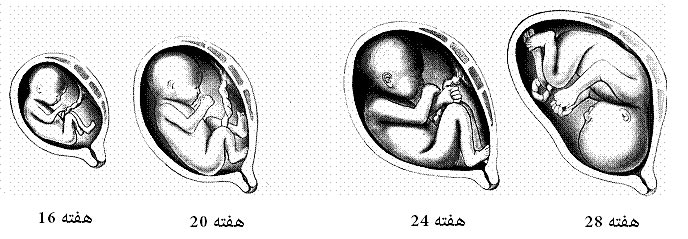
During this period of pregnancy, the fetus will undergo many changes. At the beginning of the 18th week of pregnancy, the weight of the fetus has increased (about the size of a chicken breast) and it can even hiccups or yawns. Around the 21st week, his hands and feet are attached to you and you feel the little kicks or kicks of your fetus, and finally around the 23rd week of pregnancy to four weeks after that, the fetus begins to gain weight with your help; About twice its current weight! So at the end of the second 3 months of pregnancy, you will have a fetus of about 900 grams.
Conclusion and summary
If you need to consult with a specialist regarding any of the mentioned matters, including the mental and physical issues of the mother, how the fetus grows, the appropriate diet for this period, and in general the conditions and care during pregnancy, by referring to "Dr. Maryam Gholampour", gynecological surgeon and obstetrician (Karaj), you will benefit from his comprehensive and expert guidance.