
Table of contents
- What is PRP hair?
- Use of PRP hair
- Who is PRP hair suitable for?
- What are the benefits of PRP hair?
- PRP hair injection method
- Preparation for PRP injection How is RP hair?
- Care methods after PRP hair
- What are the complications of PRP hair?
- Stimulating hair growth: It strengthens the regeneration of hair follicles and leads to an increase in density and thickness of hair.
- Natural treatment: uses the patient's own blood and minimizes the risk of allergic reactions.
- Safe with few side effects: The reason for the autologous nature of the treatment is the low risk of side effects.
- Minimal recovery period: Patients can usually resume their normal activities shortly after the injection.
- Non-surgical method: simple injections are used instead of invasive surgery.
- Suitable for all types of hair loss: It is effective in the treatment of various forms of alopecia, especially in the early stages.
- Ability to combine with other treatments: increases the effectiveness of other hair restoration methods.
- The growth factors in PRP can improve the overall health of the scalp.
- Taking a blood sample from the arm vein
- Putting the blood into the centrifuge and separating the blood components
- Preparation of platelet-rich fraction (PRP)
- Scalp disinfection
- Injection of PRP into the desired areas with fine needles
- The end of the meeting and return to daily activities
- Avoid washing: wait at least 48 hours before washing your hair for the scalp to heal.
- Using mild products for hair: When you resume washing, use mild and balanced shampoos with the right pH.
- Avoid using chemicals: Avoid hair dyes or chemical treatments for at least a week.
- Minimizing direct heat: Limit the use of hair dryers or hair irons so as not to irritate the hair roots.
- Stay hydrated: Drink plenty of water to help the healing process.
- Avoidance of intense activities: Avoid heavy sports for a few days to prevent swelling.
- Sun protection: Protect the treated area from direct sunlight.
- Follow the injections regularly: To achieve the best results, be sure to go through the treatment sessions regularly.
- Avoid intense massage or scratching the scalp.
- Avoid dyeing your hair for a few days.
- Take prescribed medicines as directed.
آیا با ریزش مو دست و پنجه نرم میکنید و به دنبال راه حلی غیرجراحی هستید؟ Platelet-rich plasma or PRP may be your solution. This innovative treatment uses the healing power of your blood to stimulate hair growth and improve scalp health. PRP hair is minimally invasive, inhibits natural growth factors, and is tailored to individual needs. With high safety and durability, it is a popular option for those with thin and thin hair. In this article, we will discuss how to do PRP for hair, preparation and aftercare. If you decide to do this beauty procedure, be sure to consult a skin and hair specialist. You can connect with the best doctors through your doctor's website. In addition to the face-to-face appointment system, there is the possibility of online and telephone consultations with doctors.
What is hair PRP?
PRP hair or platelet-rich plasma (PRP) is a medical treatment that uses natural growth factors in a person's blood to stimulate hair growth. PRP is based on the principle that the body's platelets can promote tissue healing and regeneration. PRP is obtained by taking a small sample of the patient's blood and then processed in a centrifuge.
One of the key advantages of PRP treatment is its high safety. Since the patient's blood is used in this treatment, the risk of allergic reactions or infection is greatly reduced. In addition, this method is minimally invasive and only involves injections into the scalp, and usually does not require rest, allowing the patient to immediately resume daily activities.
Use of PRP hair
The most important application of PRP for hair loss is to reduce the rate of hair loss and strengthen weak hair growth. In many people, the hair follicles are not completely gone, but weakened and shrunk. In this situation, PRP for hair loss can stimulate these follicles and make them enter the active growth phase. For this reason, treating hair loss with PRP is more effective in the early to moderate stages of hair loss.
In addition, this method is also used to increase the thickness of hair, improve the results of hair transplantation and strengthen thin hair. The effect of PRP on hair in various studies has shown that it can increase the diameter of the hair shaft and improve the density of the hair. Of course, the rate of response depends on the individual's condition, the cause of the fall and compliance with care. Platelet-rich plasma is primarily used as treatment of hair loss in women as well as treatment of thinning hair in men will be You can see the important uses of PRP hair in the table below.
| Use of PRP hair | Description |
|---|---|
| Stimulation of hair growth | PRP contains a wide range of growth factors and proteins that promote hair growth. By injecting PRP into the scalp, it stimulates dormant hair follicles, leading to increased hair density and thickness. |
| Hair Restoration | PRP hair is often used to treat different types of alopecia, such as androgenetic alopecia (commonly known as male or female pattern baldness) and alopecia areata. This treatment is especially beneficial for people who are in the early stages of hair loss. |
| Complementary to other hair loss treatments | PRP can be used in conjunction with other hair loss treatments, such as hair transplants or medications such as minoxidil or finasteride, to improve results. |
Who is PRP hair suitable for?
PRP hair loss treatment is ideal for people who experience hair loss or thinning especially at a young age, such as those with androgenetic alopecia. Also, this method will be suitable for people who are looking for a non-surgical method of hair restoration. People who are looking for a non-surgical method with a minimal recovery period are also usually satisfied with the results of PRP hair. Also, people who want to strengthen the growth of grafts after hair transplantation, can get help from PRP hair. In these cases, PRP hair injection helps to improve blood supply and speed up the repair process.
| Everything about PRP hair | Explanation | Important point |
|---|---|---|
| How to do it | Non-surgical and outpatient | No need Anesthesia |
| Recovery period | Very short | Quick return to work and daily activities |
| Effectiveness rate | Depends on individual conditions (age, severity of hair loss, hair density) | Effectiveness is higher in the early stages of hair loss and healthier hair |
| Number Sessions | Usually 3 to 6 sessions 4 to 6 weeks apart | To maintain the effect, reminder sessions are recommended every 6 to 12 months |
| Permanence | 6 to 12 months | Varies depending on lifestyle, diet and aftercare after PRP |
| Pain and stiffness | Low to Moderate | Usually controlled with local anesthesia |
| Possible side effects | Swelling, redness, bruising, or itching at the injection site | Usually mild and transient, low risk of infection |
| Aftercare | Avoid hair washing, strenuous exercise, and blood thinners until 24 hours | It is necessary to follow the doctor's recommendations for a better effect and reduce side effects |
| Cost | variable depending on the clinic, the number of sessions and equipment | the cost of reminder sessions should also be taken into account |
| suitable for | hair loss caused by inheritance, stress, thinning hair or after transplantation Hair | The effect is limited in people with complete baldness |
Who is PRP hair not suitable for?
Despite the many benefits, hair PRP is not the right choice for everyone. People with complete baldness and loss of follicles usually do not respond well to this method because there are no follicles left to stimulate. Also, people with certain blood diseases, coagulation disorders or active scalp infection should be checked more carefully. Pregnant women, people with active cancer, or those taking blood thinners should also consult a doctor before undergoing PRP hair. In these groups, the risk of complications may be higher or the effectiveness of the treatment may decrease. It is also not recommended for people who use blood thinners.
What are the benefits of hair PRP?
Hair PRP is an effective treatment method to strengthen and stimulate hair growth, which is performed using the patient's own blood plasma. The most important benefits of PRP hair include reducing hair loss, strengthening follicles, and improving hair quality. Another advantage of PRP hair is that it has few side effects due to the use of natural substances in the body. PRP hair is considered a safe and effective option, especially for people who have hair loss or thinning hair. Some properties of PRP for hair are:
What percentage of PRP Mo responds?
The success rate of hair PRP is different. Some studies show a success rate of about 60 to 70 percent. The result depends on factors such as the health of the person and the severity of hair loss. In general, in people who still have active follicles, the response rate can be significant, and many patients experience reduced shedding and improved density. PRP hair results are usually visible after a few months, and reminder sessions are recommended to maintain it. It should be noted that this method does not work miracles, but it can be very helpful under the right conditions.
PRP hair injection method
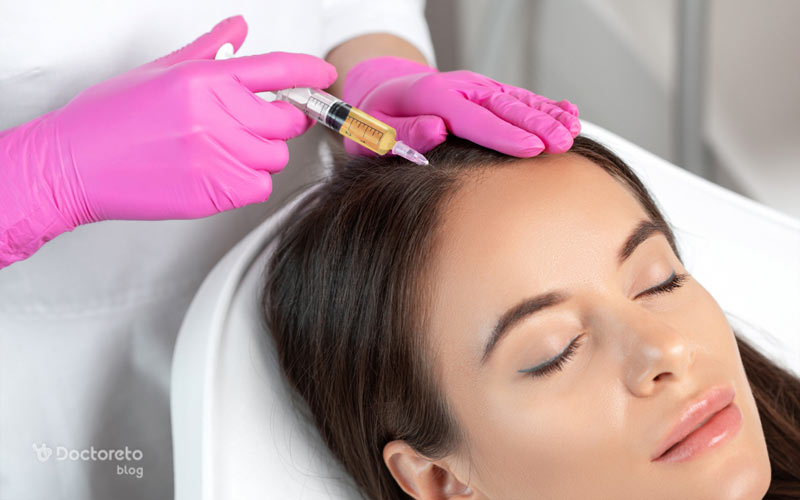
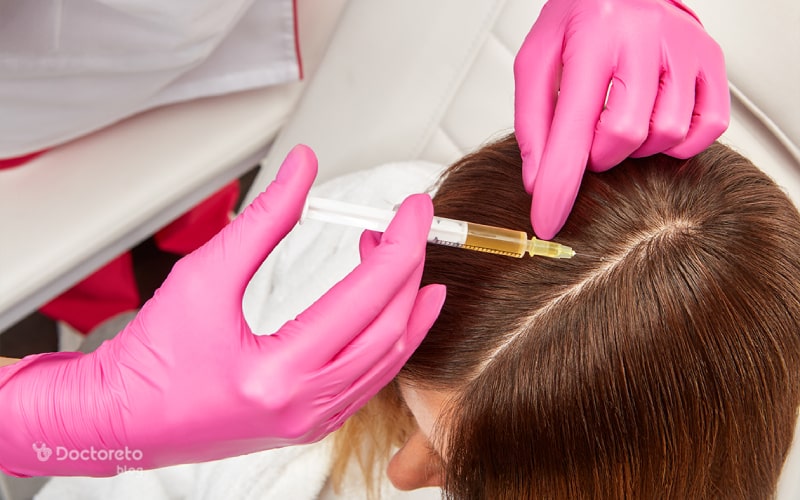
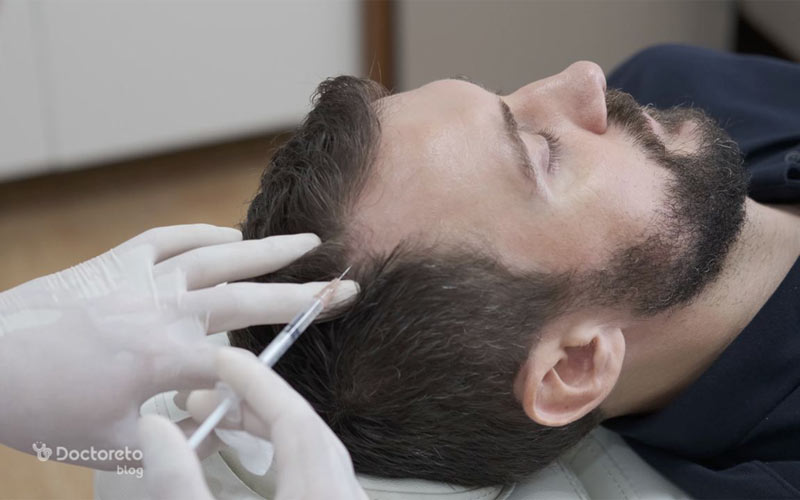
This method involves drawing blood, processing it to concentrate platelets, and then injecting this concentrate into the scalp. PRP injection into hair involves a three-step process. First, a small amount of the patient's blood is taken. This blood is then placed in a centrifuge where it spins to separate the platelet-rich plasma from the other blood components.
This concentrated PRP is then injected directly into the scalp in areas with thinning or hair loss. Injections are usually done all over the scalp at about 1cm intervals to target different areas. This process, using growth factors in PRP, aims to stimulate dormant hair follicles, encouraging hair growth and thickening. The whole process usually takes less than an hour. This procedure is outpatient and the person can return to daily activities immediately after it is done. In summary, the stages of PRP hair are:
Photo before and after PRP hair
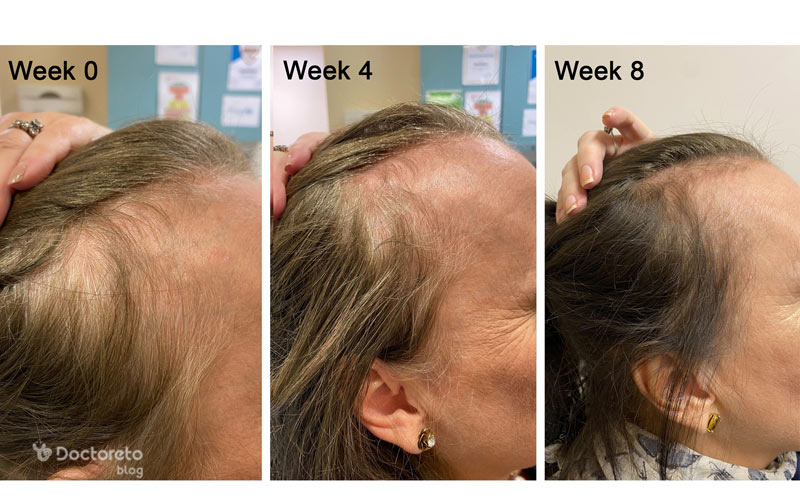
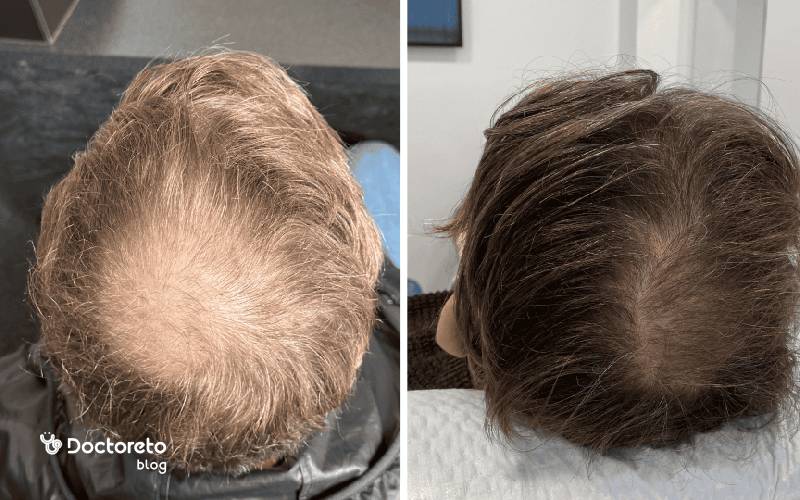
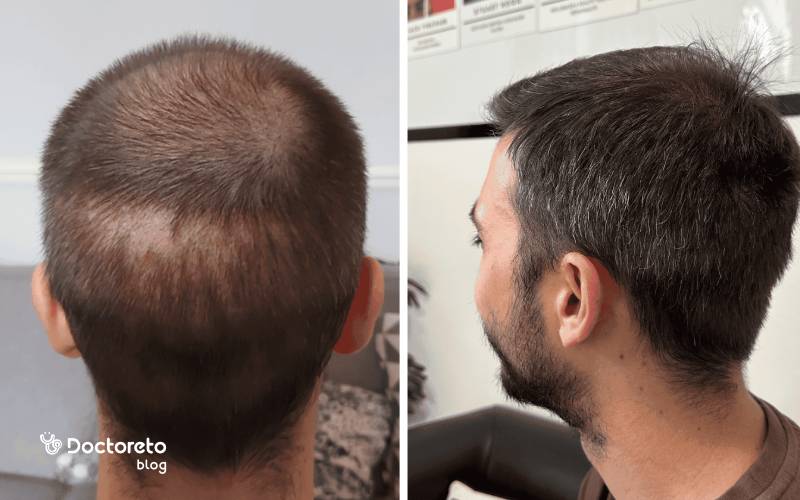
Before and after PRP hair shows clear differences. Before treatment, people may suffer from severe hair loss, thinning hair or baldness. After PRP, platelets and growth factors enter the hair follicles and help stimulate hair growth. Usually, after a few treatment sessions, hair density increases and hair looks thicker and healthier. Before and after pictures of PRP hair show these changes, which are usually accompanied by new hair growth and an improvement in the overall condition of the scalp. This treatment has impressive results for people who are looking for non-invasive methods to restore the health of their hair.
How many sessions are PRP mo?
PRP hair is usually done in 3 to 4 sessions, with an interval of 4 to 6 weeks between each session. This number of sessions is generally enough to stimulate hair growth and strengthen hair follicles. To maintain the results of the treatment, doctors recommend repeating PRP sessions every 4 to 6 months to ensure the durability of the treatment effects. Note that the number of hair PRP sessions varies depending on the severity of hair loss and the doctor's opinion
How long is the effect of hair PRP?
The effect duration of PRP hair usually lasts up to 12 months. However, this length of time can vary depending on the response of the individual's body and other complementary therapies. Some people may experience longer-lasting results, while others may need more or repeated treatment sessions to maintain the improved effects.
No data found.How is the preparation for PRP hair injection?
Before performing hair PRP, certain preparations are recommended to ensure the effectiveness and safety of the treatment. First, patients should be well hydrated, as this can facilitate blood collection and plasma separation. It's also important to avoid taking anti-inflammatory medications (such as aspirin or ibuprofen) for a few days before the procedure, as these can interfere with the natural healing process that PRP stimulates.
In addition, it is important to inform your doctor about any medical conditions or medications to avoid possible complications. Finally, patients should avoid alcohol and smoking before treatment, as these can affect the outcome. Also, it is better for a person to have a clean scalp without cosmetics on the day of the treatment. Proper preparation can reduce the possibility of complications and improve the quality of extracted plasma. Drinking enough water in the days before the treatment also helps to improve blood quality and the separation process.
What should we eat before PRP hair?
It is recommended to have a balanced diet rich in protein, fruits and vegetables before hair PRP. Consuming enough water in the days leading up to the injection is very important because dehydration can affect the quality of the blood sample. It is better to avoid consuming alcohol and very fatty foods 24 hours before the treatment so that the body conditions are in a good condition to perform PRP head.
Care methods after PRP hair
Care after prp hair plays an important role in stabilizing the results. Although this method is minimally invasive, the scalp needs time to heal after the injection. Following the doctor's recommendations can reduce the possibility of inflammation or reducing the effect of treatment. The most important care after hair PRP includes the following:
What are the side effects of prp hair?
PRP hair is generally considered a safe method, but like any treatment, it may come with side effects. PRP hair side effects include pain, tenderness, mild swelling, bleeding, or bruising at the injection site. In rare cases, there is a possibility of infection, itching, allergic reactions or even temporary hair loss. Also, some patients may not see improvement in the process of hair loss.
hair loss after PRP
Some people may experience a temporary increase in hair loss after PRP. This state is usually transient and happens because the follicles enter the new phase of the growth cycle. In most cases, this temporary shedding gives way to stronger hair growth. If hair loss after PRP is severe or long-term, it is necessary to consult a doctor.
English text:
healthline
There's no risk of contracting a communicable disease with PRP therapy because it involves injecting your own blood into your scalp. Research from 2022Trusted Source also suggests limited side effects
text translation:
There is no risk of contracting a contagious disease with PRP treatment, because your own blood is injected into the scalp. 2022 peer-reviewed research also shows limited side effects.
The cost of hair PRP at Dr. To Clinic
The cost can be very different depending on the clinic and the number of required sessions. To know hair PRP cost, you can visit Doctoreto Clinic. The price list of doctors' services is available in Doctorto Clinic, and it is possible to get an appointment with the desired doctor in the shortest time.
Conclusion
PRP hair is a non-invasive and popular method to deal with hair loss, which by using the natural mechanisms of the body, brings favorable results in the early stages of hair loss. This method has become an attractive option due to the low risk of side effects and relative effectiveness. However, to achieve the best results, it is necessary to consult with a qualified dermatologist and evaluate the individual condition to ensure that this treatment is suitable for each individual's specific condition. If you suffer from hair loss, consultation with a dermatologist is the best step to choose the right treatment.
Your doctor takes care of your beauty!
Frequently Asked Questions
Hair PRP is usually associated with little pain. During the treatment, the scalp area is first numbed to reduce any discomfort or pain. Platelet-rich plasma is then injected into the scalp using very fine needles. A person may feel a slight burning sensation or pressure at the injection site, but this discomfort is usually temporary and resolves after a few hours. In general, the pain caused by PRP hair is mild and tolerable, and most people can go about their daily activities without the need for pain medication after treatment.
Hair PRP experience is usually comfortable and relatively painless for people. At first, the scalp area is numbed so that the treatment is painless. Then the patient's blood is taken and platelet-rich plasma is separated from it. This platelet-rich plasma is injected into the scalp to stimulate hair follicles and initiate hair growth. A person may feel a slight burning or pressure sensation during the injection, but this discomfort is usually short-lived. After the treatment, there may be some redness or swelling at the injection site, which usually disappears within a few hours. In general, the hair PRP process is quick and painless, and most people can easily return to their daily activities afterwards.
PRP hair can be used as a complementary treatment for hair loss, but it does not completely replace other treatments such as hair loss drugs or hair transplants. This method is most effective for people who suffer from mild to moderate hair loss and can help stimulate hair growth and strengthen hair follicles. While PRP has significant results in strengthening hair and reducing hair loss, people with severe hair loss or complete baldness may require additional treatments such as hair transplants or special medications. PRP can be used as part of a comprehensive treatment plan for hair loss.
Actually, it is not a direct blood injection, but a platelet-rich plasma containing factors It is injected into the scalp. This substance can help promote better hair growth by improving blood supply and stimulating follicles, provided that active follicles are still present.
After performing PRP hair, you must carefully follow the doctor's recommendations. Avoiding early washing, avoiding intense massage and staying away from strong sun are among the important points. Compliance with these items helps to stabilize the results and reduce complications.
Hair PRP can stimulate weak but viable follicles and promote growth be them However, in areas where the follicle has completely disappeared, regrowth is unlikely. Therefore, this method is mostly used to strengthen and maintain existing hair.
The durability of PRP hair is not permanent and usually lasts between a few months and a year. Reminder sessions are recommended to maintain results. A healthy lifestyle and complementary treatments can help prolong the effect of PRP hair.