

What you need to know about varicocele!
What is a varicocele? class="ez-toc-section-end">
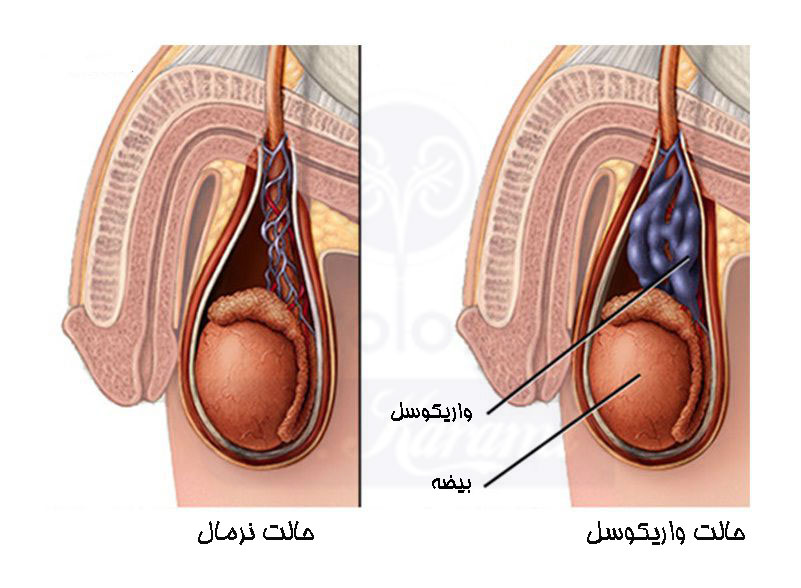
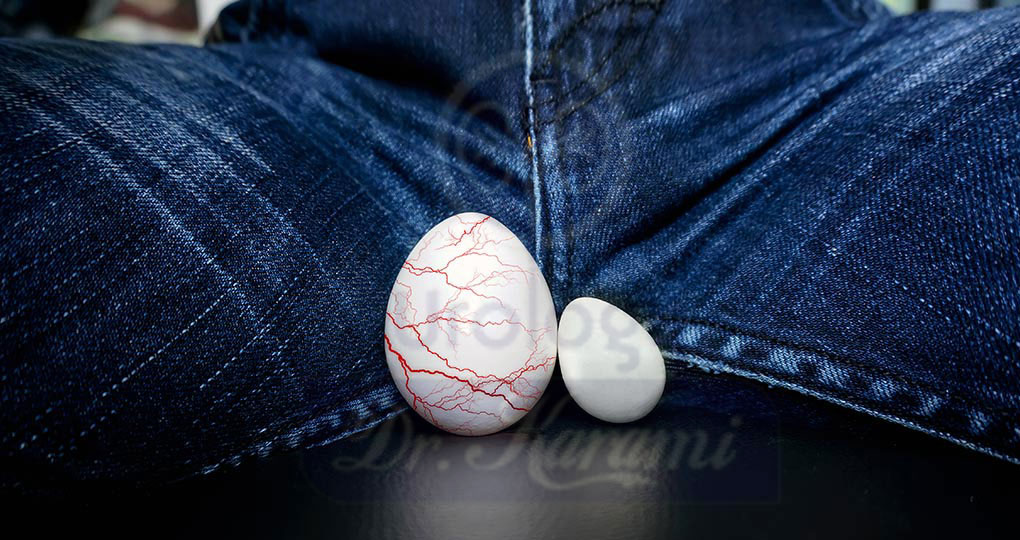
Varicocele or Scrotal Varicose is enlargement of the veins inside the scrotum. which is mostly found on the left side of the scrotum and very rarely on the right side of the scrotum, but may also be found on both sides of the scrotum.
A varicocele only occurs in the scrotum and is very similar to varicose veins that can develop in the legs. This disease can lead to a decrease in sperm production and quality, which in some cases can lead to infertility. It can also lead to swelling, shrinking of the testicles and sometimes pain.
Varicocele usually occurs during puberty and is mostly seen on the left side of the scrotum. The anatomy of the right and left side of your scrotum is not the same, and it is possible to have a varicocele on both sides, but this is very rare. Not all types of varicocele affect sperm production.
This disease is treatable and as long as there are no other problems and causes of infertility for a woman or a man, fertility is possible without additional treatment. According to a review published in 2016, it was said that the treatment of varicocele in men with fertility problems is very effective.
Varicocele symptoms
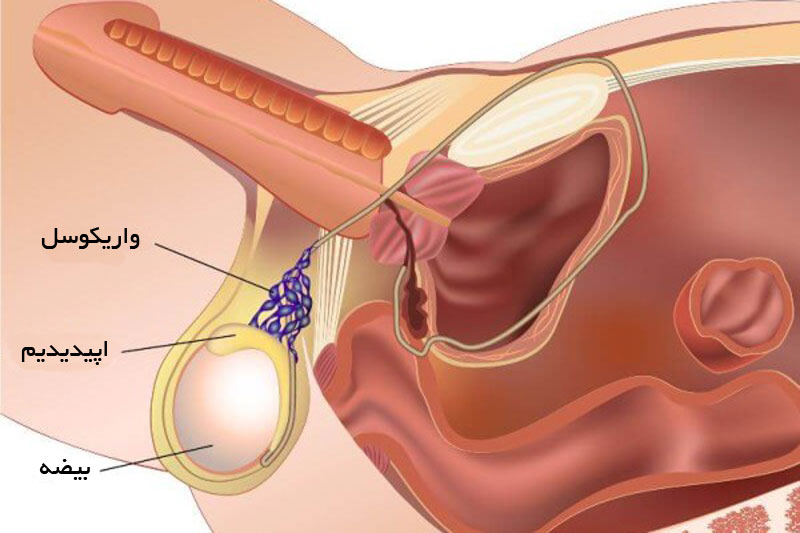
Most men are not aware of varicocele until they experience fertility problems. Abnormal result A dull, painful pain or discomfort when standing, more likely later in the day. Lying down often If the varicocele is large enough, a mass like “sac like worm” may be visible on top of the testicle. A smaller varicocele may be too small to see, but noticeable to the touch.
Annual wellness visits for boys are important to monitor the growth and health of the testicles. It is important to schedule and keep these appointments. A number of conditions can cause pain, swelling or mass Help in the scrotum. If you experience any of these things, see a doctor for a timely and accurate diagnosis. A varicocele can be diagnosed during a physical examination. Your doctor may ask you to stand up and get naked. When you're standing, your doctor may ask you to take a deep breath, hold it, and let it out, similar to straining during a bowel movement. This technique can make the review easier. He will then examine your body. If a varicocele is present, bearing your weight will usually cause the varicocele to enlarge and become more visible. A varicocele may also be visible without the need for stripping. The doctor may also examine you while lying down. Varicoceles should disappear when lying down and lying down.
When should you consult a doctor?
Varicocele diagnosis
If the physical exam is extensive or if there is a testicular mass that does not appear to be a varicocele, your doctor may order an ultrasound of the scrotum.
While varicocele is usually considered harmless when there is no pain or infertility problems, you should not assume that every lump you find in your scrotum is a varicocele. This lump may be something more serious that needs immediate treatment.

Varicocele and infertility
Presence of varicocele with decrease in sperm count, increase in DNA damaged sperm, movement It is associated with weak sperm.
It is not known exactly why varicocele causes infertility, but there are theories including:
- The most popular theory is that the blood collected in the scrotum increases the overall temperature in the testicles. An increase in the heat of the scrotum can be harmful to sperms.
- Another theory is that poor circulation leads to increased levels of toxins, which in turn leads to poor semen health.
- Another theory shows that increasing the pressure of the scrotum or scrotum disturbs the health of the semen.
- Also, poor oxygenation of testicles is another theory.
The causes of varicocele
The testicles receive oxygen-rich blood from the two testicular arteries. One artery for each side of the scrotum. Similarly, there are two testicular veins that return deoxygenated blood to the heart. On each side of the scrotum, a network of small veins (pampiniform network) transport deoxygenated blood from the testis to the main testicular vein. A varicocele is an enlargement of the Pampini plexus
The exact cause of this disease is unknown. One of the contributing factors may be the improper functioning of the valves inside the veins, which aim to keep the blood moving in the right direction. Also, the left testicular vein follows a slightly different path than the right one. The path that increases the probability of problems in the blood flow on the left side.
When deoxygenated blood is held in the network of veins, they dilate and form a varicocele.
Risk factors
There does not appear to be any significant risk factor for developing varicocele.
Varicocele complications
Varicocele can make it difficult for the body to regulate the temperature of the testicles. It can also lead to oxidative stress and accumulation of toxins. These factors may contribute to the following complications:- Testicular health and weakness: For boys who are going through puberty, a varicocele may limit testicular growth, hormone production, and other factors related to testicular health and function. For men, a varicocele may lead to a gradual shrinking of the testicle due to loss of tissue.
- Infertility: Varicocele does not necessarily cause infertility. It is estimated that 10 to 20 percent of men who are diagnosed with varicocele have difficulty conceiving. Among men who have fertility problems, about 40% have varicocele.
Varicocele treatment
Whether to treat a varicocele depends on its size. Does its presence cause you pain and are other infertility factors at play? The age of your spouse is also taken into account, because the treatment does not work quickly.
If, for example, IVF treatment is required due to female factor infertility, treatment for varicocele repair is probably not recommended. be.
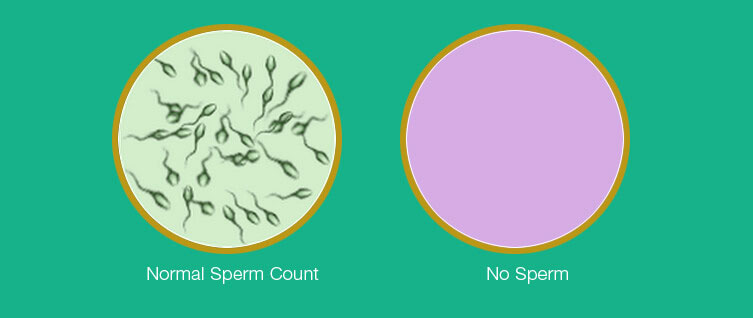
If no sperm is found in your semen analysis, which is referred to as varicocele surgery
The goal of surgery is to close the damaged vein to direct blood flow to healthy veins. This is possible because two other arterial and venous systems supply blood circulation to and from the scrotum. Treatment results may include the following: Methods of treatment Non-surgical treatment
Varicocele embolization is a non-surgical method and an alternative to other varicocele surgery methods. In this procedure, a vein is essentially blocked by creating a small blockage. An imaging specialist (radiologist) inserts a small tube into a vein in the groin. A local anesthetic will be used at the injection site, and you may be given a sedative to reduce discomfort and help you relax. Using imaging on the monitor, the tube is guided to the treatment site in the groin. The radiologist releases coils or a solution that causes scarring and blockages in the testicular veins. This method takes about an hour. The time of this treatment method is short and it only causes mild pain. You will likely be able to return to work within 1-2 days and resume exercise in about a week. Ask your radiologist when you can resume all activities. Pain from surgery is generally mild but may last for days or weeks. Your doctor may prescribe pain medication for a limited time after surgery. After that, your doctor may recommend that you take over-the-counter pain relievers such as acetaminophen or ibuprofen to relieve the discomfort. You can probably return to work about a week after surgery and resume exercise about two weeks after surgery. Ask your surgeon when you can safely return to daily activities or when you can have sex. All these treatments have some degree of risk. Embolization has the lowest risk and laparoscopic surgery has the highest risk. Be sure to discuss all of your treatment concerns with your urologist doctor, including complete information about risks, success rates, and recovery times. The success rate will vary from person to person, but some studies show improvement in semen health in more than two-thirds of patients. Also, 30 to 50 percent of couples will be able to conceive naturally after the operation. A varicocele is an abnormal dilation of the veins around the testicles (the veins of the spermatic cord) that act similar to varicose veins. Varicocele usually occurs on the left side of the testicle, but it can also be bilateral. Yes, in some men, varicocele can cause a decrease in sperm quality and infertility, but not all sufferers experience infertility. In many cases it is asymptomatic, but testicular pain, heaviness or swelling in the scrotum may be felt. The exact cause is not known, but the failure of venous valves and the return of blood to the veins are considered to be the main causes. Primary diagnosis is usually done with a physical examination, and in cases of need, Doppler ultrasound of the testicles is used. No, treatment is recommended only in cases that cause pain, testicular atrophy or infertility. Treatment includes open surgery, laparoscopy, or non-surgical methods such as embolization (closing the veins with intubation). Taken from: Varicocele Symptoms, Infertility Causes, and Treatment Subcutaneous embolization
Summary
Frequently Asked Questions (FAQ)
What is a varicocele?
Varicocele occurs mostly on which side of the testicle?
Does varicocele cause infertility?
What are the symptoms of varicocele?
What is the cause of varicocele?
How is varicocele diagnosed?
Do all cases of varicocele need treatment?
How is varicocele treated?