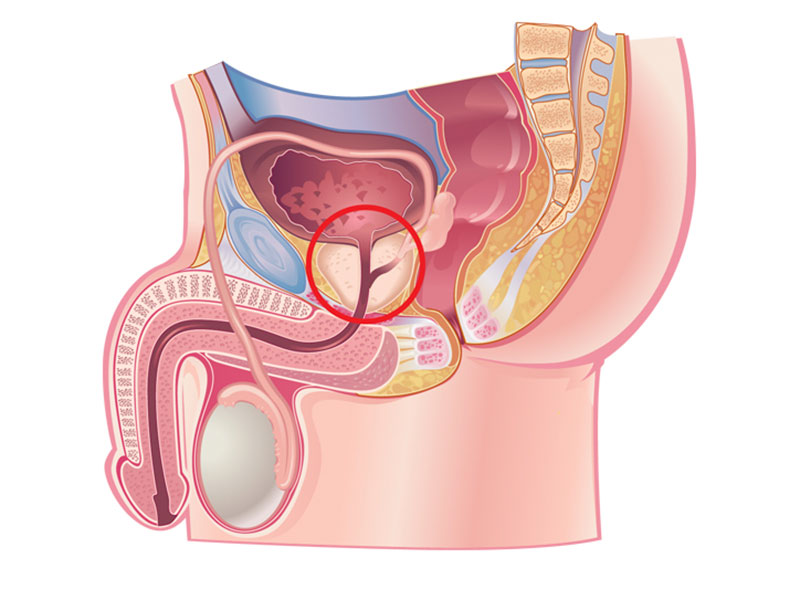


ادرار خونی که با نامهای هماچوری، وجود خون در ادرار یا خونآلود بودن ادرار نیز شناخته میشود، وضعیتی است که در آن گلبولهای قرمز خون وارد ادرار شده و ممکن است رنگ آن را به صورتی، قرمز یا قهوهای تغییر دهند. این حالت میتواند بهصورت هماچوری آشکار (قابل مشاهده با چشم) یا هماچوری میکروسکوپی (تشخیصپذیر تنها در آزمایش ادرار) ظاهر شود. وجود خون در ادرار بهخودیخود یک بیماری نیست، بلکه نشانهای هشداردهنده از وجود یک مشکل زمینهای در کلیهها، مثانه، مجاری ادراری یا پروستات است.
ظاهر ادرار در هماچوری
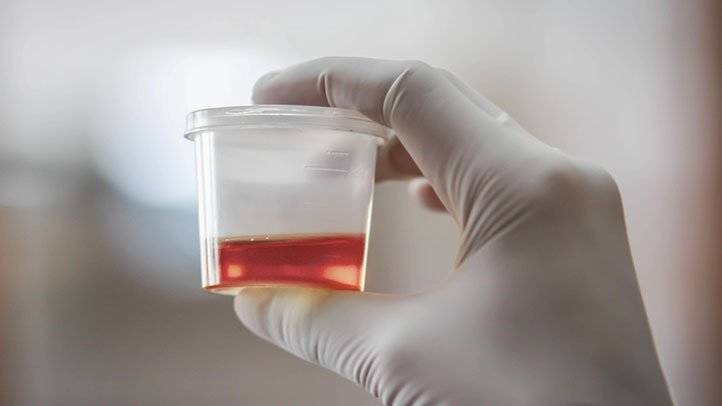
خون در ادرار ممکن است دارای رنگ صورتی، قرمز، نارنجی یا بژ باشد و حتی ممکن است حاوی لخته هایی باشد که می توانید با چشم غیر مسلح مشاهده گردد.
این شرایط در یکی از دو روش زیر توصیف می شود:
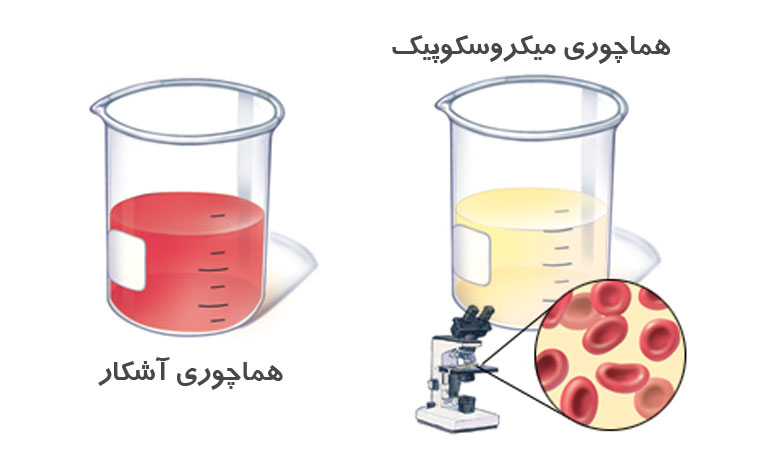
- هماچوری آشکار که در آن شما به صورت فیزیکی خون را در ادرار مشاهده می کنید.
- میکروهماچوری یا هماچوری میکروسکوپیک که تنها با آزمایش ادرار و با استفاده از میکروسکوپ شناسایی می شود.
در حالی که هماچوری آشکار و میکرو هماچوری ممکن است مشابه باشند، تفاوت های مهمی نیز وجود دارد. هماچوری میکروسکوپی می تواند از هر جایی در دستگاه ادراری، از کلیه ها شروع شود و به مجرای ادرار پایان یابد. در عین حال، ادرار خونی آشکار نشانه مشکل در سیستم ادراری تحتانی (مثانه و مجرای ادراری) است و نباید نسبت به آن بی اهمیت بود.
مهم است که توجه داشته باشید که تغییر رنگ همیشه به دلیل خون نیست. خوردن غذاهای خاص، مانند چغندر یا ریواس ، می تواند ادرار را به رنگ صورتی یا رنگ قرمز در آورد. برخی از داروها نیز اثر مشابهی دارند. از سوی دیگر، اگر ادرار شما یک رنگ قهوه ای تیره (که ما اغلب آن را به عنوان “کوکا کولا رنگ” می نامیم ) داشته باشد ، ممکن است نشانه ای از یک مشکل حاد کبدی، مانند تورم کبد(هپاتیت) باشد.
علل شایع مشاهده خون در ادرار
در میان علل احتمالی هماچوری:
- سنگ کلیه و مثانه. سنگ های کلیه اغلب بزرگ و ناهموار هستند و می توانند باعث آسیب شوند، زیرا آنها از حفره ها، مثانه و مجرای ادرار عبور می کنند.
- عفونت دستگاه ادراری می تواند در هر جایی از کلیه ها به مجرای ادرار توسعه یابد. خونریزی معمولا نتیجه عفونت طولانی مدت و بدون درمان است. علاوه بر تغییر رنگ، ادرار ممکن است دارای بوی ناخوشایند باشد.
- سيستيت بينابينی موقعیتی است که هنگام ادرار كردن می تواند درد و خونریزی ایجاد كند.
- بیماری مزمن کلیه و بیماری حاد کلیه می تواند منجر به خونریزی ادراری شود. افراد مبتلا به دیابت به خصوص در معرض مشکلات کلیوی هستند.
- هیپرپلازی خوش خیم پروستات (پروستات بزرگ شده) همچنین می تواند باعث خونریزی در مردان بالای ۵۰ سال گردد .
- سرطان مثانه و سرطان کلیه علل احتمال کمتری برای وجود خون در ادرار است، اما خونریزی با تشخیص تومور بدخیم شایع است.
- سرطان پروستات همچنین می تواند باعث خونریزی در مجاری ادراری تحتانی شود.
- داروهایی که خون را رقیق می کنند، از جمله آسپیرین و هپارین، می تواند باعث ایجاد هماچوری شود.
- عفونت های منتقله جنسی با ساختار زخم های باز نیز ممکن است از دلایل ممکن باشد.
- آسیب به هر بخش از دستگاه ادراری می تواند خون را در ادرار ایجاد کند. آسیب های ورزشی و حوادث رانندگی، منابع رایج این صدمات هستند.
- ادرار خونی ناشی از ورزش های سنگین مثل دو و میدانی ، علت نسبتا شایع هماچوری میکروسکوپی است که برای مثال میتواند به عروق خونی کوچک پا صدمه بزند و به این حالت مارچ هماچوری گفته میشود.
- گلومرونفریت (التهاب رگ های خونی کلیه)
- بیماری های خونی نظیر هموفیلی می توانند باعث ورود خون به ادرار شوند.
مهم است که به یاد داشته باشید که ادرار خونی یک علامت است و نه یک بیماری. درمان بایستی بر روی برطرف سازی مشکل اصلی که باعث وقوع خون در ادرار گشته است متمرکز گردد. مشکل که با موفقیت درمان می شود، خونریزی نیز معمولا متوقف می شود.
علائم همراه با ادرار خونی
- تغییر رنگ ادرار (صورتی، قرمز یا قهوهای تیره)
- سوزش هنگام ادرار
- درد یا فشار در ناحیه زیر شکم یا لگن
- درد پهلو یا کمر (بهویژه در یک طرف)
- تکرر ادرار
- احساس فوریت در دفع ادرار
- تب و لرز (در صورت وجود عفونت)
- بوی غیرعادی یا ناخوشایند ادرار
- تهوع یا استفراغ (در مواردی مانند سنگ کلیه)
- ناتوانی در تخلیه کامل مثانه
تشخیص وجود خون در ادرار
اگر خون در ادرارتان باشد، پزشک معمولا به شما درخواست آزمایش نمونه ای از ادرار را می دهد. یک بررسی ادرار کامل نه تنها به دنبال گلبول های قرمز بلکه برای پروتئین، گلوکز و یا هر گونه علائم عفونت است. وجود پروتئین اضافی (پروتئینوری) در ادرار ممکن است در جهت نقص کلیه به ما اشاره کند.
آزمایش های اضافی برای تشخیص علت دقیق خونریزی دستور داده می شوند که شامل:
- عملکرد کلیه را می توان با استفاده از آزمایش های خون کراتین (CR) و نیتروژن اوره خون (BUN) و دیگر چیزها ارزیابی نمود.
- تست های تصویربرداری ممکن است شامل سونوگرافی، توموگرافی کامپیوتری (CT) یا رزونانس تصویربرداری مغناطیسی (MRI) باشد.
- سیستوسکوپی به صورت بصری با استفاده از یک کاتتر انعطاف پذیر مجهز به یک دوربین که از طریق مجرای ادرار وارد می شود، مثانه را مورد بررسی قرار میدهد.
- برای ارزیابی هر گونه یافته های مشکوک در کلیه ها یا مثانه شما ممکن است از بیوپسی استفاده شود.
درمان ادرار خونی بر اساس علت آن
درمان ادرار خونی (هماچوری) بستگی به علت زمینهای آن دارد. ادرار خونی یک علامت است، نه یک بیماری مستقل، و درمان آن مستلزم یافتن علت اصلی است. در ادامه درمانهای متناسب با هر علت را بیان میکنیم:
۱. درمان عفونتهای مجاری ادراری (UTI)
در صورت تشخیص عفونت، پزشک معمولاً آنتیبیوتیک مناسب بر اساس نوع باکتری تجویز میکند. بیمار باید دوره دارو را کامل مصرف کرده و مصرف مایعات خود را افزایش دهد تا باکتریها سریعتر دفع شوند. در صورت تب، درد پهلو یا تکرار عفونت، نیاز به بررسی بیشتر و احتمالاً تغییر دارو وجود دارد.
۲. درمان سنگ کلیه یا مثانه
سنگهای کوچک معمولاً با مصرف مایعات فراوان و داروهای ضد درد به صورت خودبهخود دفع میشوند. برای سنگهای بزرگتر، ممکن است پزشک داروهای شلکننده عضلات حالب تجویز کند یا از روشهایی مانند سنگشکنی برونبدنی با امواج (ESWL)، یورتروسکوپی یا جراحی استفاده کند. پیشگیری از سنگسازی مجدد نیز با تنظیم رژیم غذایی و مصرف دارو انجام میشود.
۳. درمان پروستات بزرگشده (BPH)
در مردانی که دچار بزرگی خوشخیم پروستات هستند، داروهایی مانند فیناستراید (برای کاهش اندازه پروستات) یا تامسولوسین (برای بهبود جریان ادرار) تجویز میشود. در مواردی که دارو مؤثر نباشد یا بیمار دچار انسداد شدید ادرار شود، روشهای جراحی مانند برداشت پروستات از طریق مجرا (TURP) در نظر گرفته میشود.
۴. درمان آسیب یا ضربه به کلیه و مثانه
در موارد ضربه یا تصادف، معمولاً ابتدا با تصویربرداری (مانند سونوگرافی یا سیتیاسکن) شدت آسیب بررسی میشود. در موارد خفیف، استراحت، مصرف مایعات و مسکن کافی است. اما در صورت پارگی یا خونریزی گسترده، ممکن است نیاز به بستری، جراحی یا درمانهای تخصصیتر باشد.
۵. درمان بیماریهای کلیوی (مثل گلومرولونفریت)
بیماریهای التهابی کلیه نیازمند تشخیص دقیق از طریق آزمایش ادرار، خون و گاهی بیوپسی کلیه هستند. درمان معمولاً شامل داروهای کورتیکواستروئیدی (مثل پردنیزولون)، داروهای سرکوبکننده سیستم ایمنی و کنترل فشار خون با داروهایی مانند مهارکنندههای ACE یا ARB است. مراجعه منظم به نفرولوژیست برای کنترل عملکرد کلیه ضروری است.
۶. درمان سرطانهای دستگاه ادراری (کلیه، مثانه یا پروستات)
در صورت وجود توده مشکوک یا تشخیص سرطان، درمان بر اساس محل، نوع و مرحله بیماری انتخاب میشود. گزینههای درمانی شامل جراحی برای برداشت تومور یا عضو، شیمیدرمانی، پرتودرمانی یا ایمونوتراپی است. تشخیص زودهنگام نقش کلیدی در موفقیت درمان دارد و پیگیریهای منظم بعد از درمان برای جلوگیری از عود بیماری ضروری است.
۷. درمان ادرار خونی ناشی از ورزش شدید
در این حالت معمولاً هیچ بیماری زمینهای وجود ندارد و ادرار خونی به دنبال فعالیت ورزشی سنگین، بهویژه دویدنهای طولانی رخ میدهد. درمان خاصی نیاز نیست و با استراحت، کاهش شدت تمرینات، و افزایش مصرف مایعات، ادرار به حالت طبیعی برمیگردد. However, if this condition is repeated or accompanied by other symptoms, medical examination is recommended.

Blood urine in children
Bloody urine in children (hematuria) is one of the worrisome symptoms that may make parents very anxious, but it is not always a sign of a dangerous disease. It comes in two forms: overt hematuria, where blood can be seen with the eye and the urine changes color to red, pink, or brown, and microscopic hematuria, which is only detected in a urine test. The most common causes of bloody urine in children include urinary tract infection (UTI), kidney or bladder stones, kidney inflammation (glomerulonephritis), physical injuries, blood clotting disorders, and sometimes congenital kidney defects. Also, taking some medicines, intense physical activity or even eating some foods (such as beets) can change the color of urine, which can be mistaken for blood. Accurate diagnosis of the cause of bloody urine in children requires a comprehensive examination, including a complete urine test, urine culture, blood test, and in some cases, imaging such as kidney and bladder ultrasound. In rare cases, the doctor may order a kidney biopsy for a more detailed examination. Treatment varies depending on the underlying cause. For example, antibiotics are used for urinary tract infections, for kidney stones, medicine, increased fluids or specialized interventions may be needed, and for inflammatory diseases, all anti-inflammatory or immunosuppressive drugs are prescribed.Besides the treatment, careful monitoring of the child's kidney condition, blood pressure and urinary function is very important. If bloody urine is accompanied by symptoms such as fever, flank pain, body swelling, high blood pressure, or decreased urine output, you should see a pediatrician or nephrologist immediately. Regular follow-up, maintaining hygiene, drinking enough water, and not arbitrarily using drugs are important recommendations for parents of children with this problem.
Blood urine in women class="ez-toc-section-end">
Blood in urine in women is a symptom that may be caused by simple problems such as infection to more serious diseases such as cancer. This blood may be visible or microscopic in the urine and is sometimes confused with menstrual blood or vaginal bleeding. Accurate diagnosis of the cause and source of blood plays a key role in proper treatment and requires medical examination.
The most common causes of bloody urine in women include urinary tract infections, kidney or bladder stones, chronic inflammation of the bladder (painful bladder syndrome), physical injuries caused by catheters or intense sex, menstruation, blood thinners, kidney or bladder tumors, and some kidney diseases such as glomerulonephritis or lupus. Accurate and timely examination can prevent serious complications. Blood in urine MenBlood in urine in men can be a sign of a mild problem or a more serious disease in the urinary tract. This condition may be obvious (red or brown urine) or microscopic (detectable only on examination). Accurate diagnosis is important because blood in the urine does not always come from the bladder or kidneys and is sometimes caused by factors such as vigorous exercise or taking certain medications. Accompanying symptoms, such as pain, burning, or fever, are very helpful in diagnosing the cause.
The most common causes of bloody urine in men are: urinary tract infections, kidney or bladder stones, inflammation or enlargement of the prostate (BPH), injury or trauma to the kidney or urinary tract, use of blood thinners, and in rarer cases, kidney, bladder, or prostate tumors. Diagnosis is done by urine test, ultrasound, CT scan or cystoscopy. Depending on the cause, treatment can include antibiotics, prostate medications, lithotripsy, or surgery. Regular follow-up is very important, especially in painless or recurrent cases.
Last word
If you see blood in your urine, see your doctor to get the necessary tests done. There can be many reasons for blood in the urine, so don't assume the worst. Many symptoms are easily treated. If your doctor thinks the problem is caused by a chronic condition, he or she may refer you to a specialist, such as a urologist, for further investigation. However, if bleeding and pain are accompanied by hematuria, seek medical attention as soon as possible. In the end, it may just be a simple infection, but it can also be a sign of a more serious illness that requires emergency treatment.
Frequently Asked Questions (FAQ)
Is blood in the urine always a sign of a serious illness?
No. Sometimes blood in the urine can be caused by simple factors such as vigorous exercise or a mild infection, but it always needs to be investigated.
Is bloody urine without pain worrying?
Yes. The presence of blood in the urine without pain may be a sign of a bladder or kidney tumor and should be taken seriously.
When should you see a doctor for bloody urine?
If blood is seen frequently, accompanied by pain, or blood clots in the urine, a doctor should be consulted immediately.
Can a urinary tract infection cause blood in the urine?
Yes. One of the most common causes of bloody urine, especially in women, is urinary tract infection.
Are kidney stones associated with blood in the urine?
Yes. Kidney or bladder stones can cause scratching and bleeding in the urinary tract.
Does a large prostate in men cause bloody urine?
Yes. Prostate enlargement (BPH) or its inflammation can lead to bloody urine.
Can drug use cause bloody urine?
Yes. Medicines such as aspirin, warfarin or other blood thinners may cause this complication.
Can menstrual blood be confused with bloody urine?
Yes. In women, sometimes menstrual blood or vaginal bleeding is confused with hematuria.
Does bloody urine also occur in children?
Yes. Hematuria may also be seen in children and the cause needs to be checked by a doctor.
Is hematuria preventable?
Some cases yes. It can be prevented by maintaining hygiene, drinking enough water, avoiding injury to the kidneys, and timely treatment of infections.