Bleeding from the anus - Dr. Karamati, a specialist in colorectal surgery

Dr. Mohammadreza Karamati
تهرانColorectal surgery fellowship
Bleeding from the anus
Bleeding from the anus is one of the common symptoms with which patients are referred to colorectal surgeons. This symptom causes concern in many patients and they go to the doctor immediately, but unfortunately, it is also neglected in a group and can ultimately cause the disease to progress and difficulty in treatment.
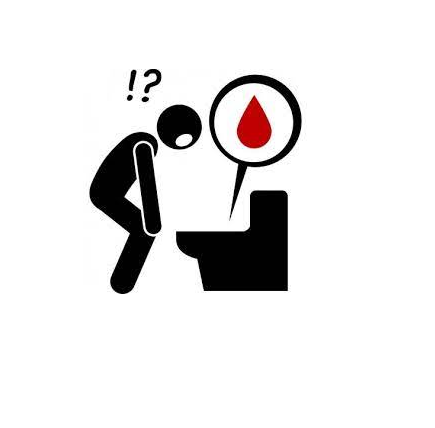
Bleeding from the anus can be in the form of light blood, dark blood, or blood clots. These bleedings can be accompanied by defecation or even by themselves and unrelated to defecation. Some cases are accompanied by pain or burning.Causes of bleeding from the anus:
The most common diseases that cause bleeding from the anus are:
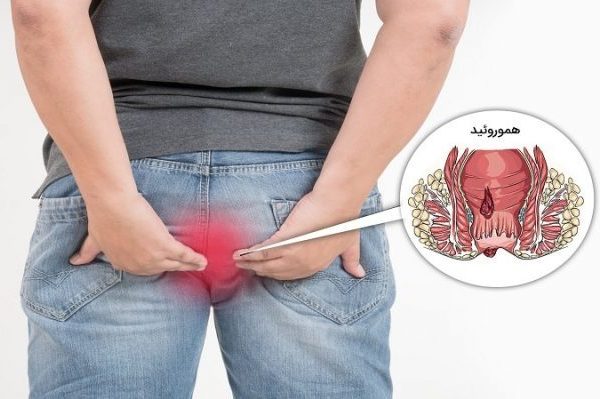
- Hemorrhoid (hemorrhoids): Bleeding caused by hemorrhoids is often in the form of light and painless blood and starts with defecation and stops by itself after a few minutes. Many patients see bright blood on the toilet bowl or on the towel during drying. If the hemorrhoids are of the "thrombotic (clotted)" type, the bleeding is accompanied by pain.
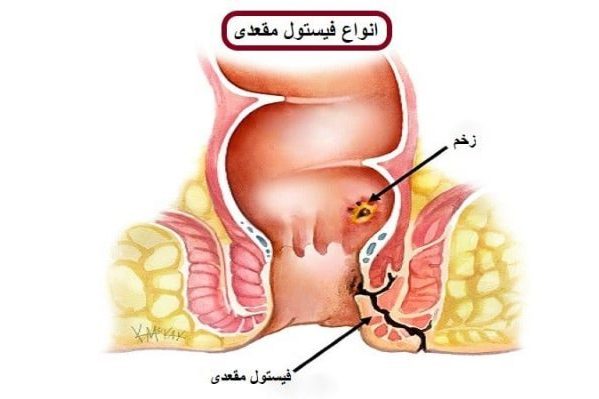
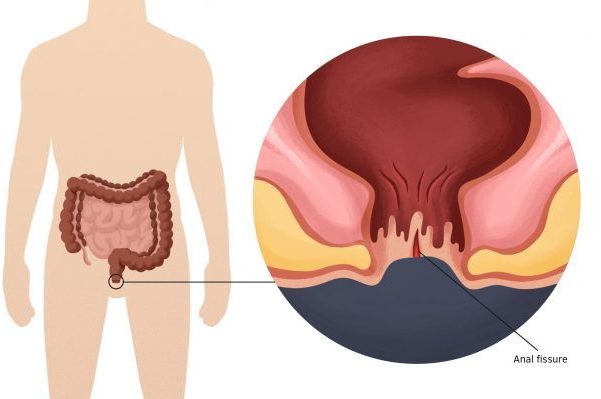
- Fissure (anal fissure): Bleeding caused by a fissure is often painful and bright blood and starts with the passage of stool. Bleeding may continue for a few moments on the toilet bowl or on the tissue while drying. This type of bleeding also stops by itself.
- Inflammatory bowel disease (colitis): These bleedings can be light or semi-dark blood and are painless. The bleeding of these patients is often completely mixed with feces. These patients suffer diarrhea attacks due to local or extensive inflammation in the large intestine and suffer Diarrhea They are also bloody. Abdominal pain is another symptom of this disease
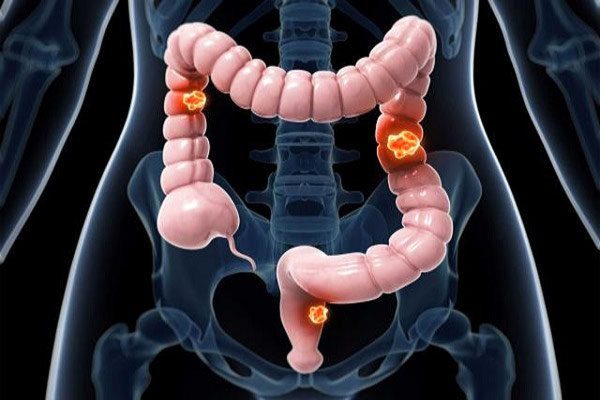
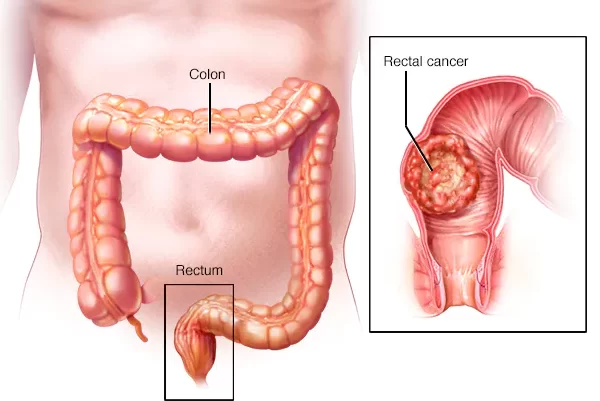
- polyps and colon cancer: Bleeding caused by these diseases can be in the form of light, dark or even clot discharge. They can be accompanied by feces and mixed with feces or even come out of the anus spontaneously without being related to defecation. These bleedings are not painful. If polyps or cancer are suspected, colonoscopy is necessary.
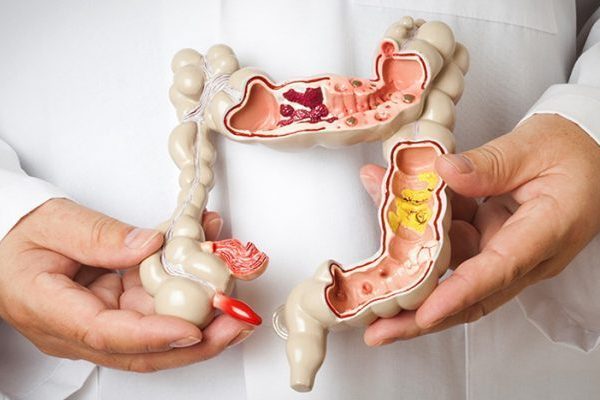
- Colon diverticula: These are small lesions in the form of balloon-shaped holes in the intestinal wall, which are often asymptomatic, but can manifest themselves as abdominal pain, light or dark bleeding from the anus. This bleeding is painless.
- Vascular diseases of the large intestine: These lesions are uncommon and are often in the form of clear and painless bleeding.
- Upper gastrointestinal bleeding: Bleeding from the esophagus, stomach or duodenum, if they are very severe, they can travel the entire route of the digestive tract with a large volume and speed and come out from the anus in the form of acute bright bleeding. This type of bleeding is very dangerous and requires emergency action to control the bleeding.
Diagnosis of the cause of bleeding from the anus:
If you see this symptom in yourself, see a doctor immediately. According to a general rule in medicine, we must first find the cause and the main diagnosis of the disease in order to be able to carry out the treatment correctly. We should know that bleeding from the anus is only a symptom, which means that the doctor should find the underlying cause in the first step.
The first step to reach a diagnosis is a clinical examination by a doctor or surgeon. Diseases such as hemorrhoids (hemorrhoids) and fissures (anal fissures) can often be observed during examination. Bleeding originating from the rectum can be detected by "rectoscopy" or "rectosigmoidoscopy". This diagnostic method is performed by a colorectal or digestive surgery specialist without the need for anesthesia and on an outpatient basis. Of course, bleeding from the higher part of the large intestine (colon) requires a method called "colonoscopy" in which the entire large intestine can be seen. This method is also outpatient, but it requires short anesthesia because it is painful and unbearable for many patients.
If a bleeding lesion (such as a mass, polyp, or ulcer in the large intestine) is found in any of the above tests, the doctor takes a sample called a "biopsy" from that lesion and sends it for pathology examination. In this case, you should wait for the pathology answer and go back to your surgeon with the answer in hand.
Treatment of bleeding from the anus:
Based on the diagnosis of the disease, which is reached based on your clinical symptoms, examination by a doctor, rectoscopy, rectosigmoidoscopy and colonoscopy, your treatment will begin. For example, the treatment of diseases such as hemorrhoids, fissures, and colitis is medical and local in the first step, and advanced and recurrent cases are recommended for surgery. But other diagnoses such as polyps and colon cancer require more serious treatments including surgery.