What is myopia? - Its cause - Dr. Mohammad Periman

Dr. Mohammad Periman
TabrizSurgeon and ophthalmologist
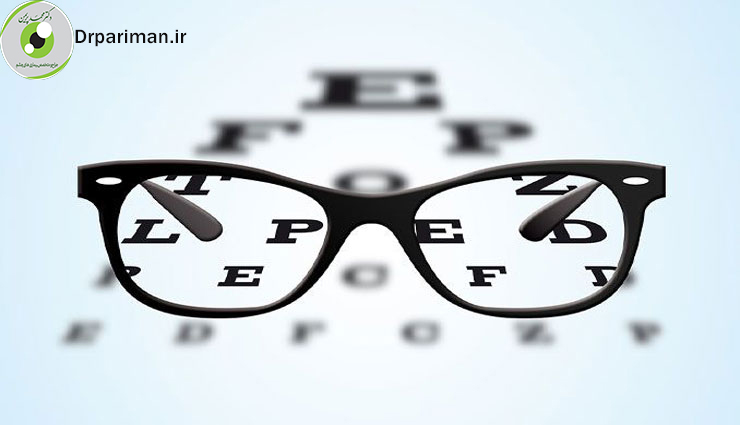
Myopia is a refractive error, meaning the eye cannot refract or reflect light properly to focus on a focused point and see images clearly. Close objects look sharp but distant objects look blurry.
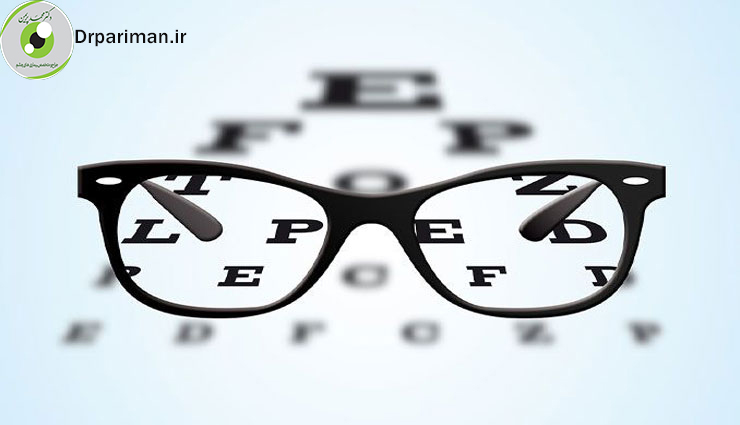
Symptoms of myopia may include:
- Distant objects appear blurry.
- Children may have trouble reading the blackboard but can read books easily.
- Eye fatigue
- Headaches
- Symptoms get worse during Time
The cause
may be the result of too much stretching of the eye, which is not compensated because in myopic people, for unknown reasons, the internal lens is no longer able to reduce its power by thinning and stretching. This causes images to form in front of the retina instead of being formed on the retina.
It is generally believed that nearsightedness is caused by a combination of genetic and environmental factors, such as a lot of work that requires looking at objects close to the eye. Often, this condition develops in childhood and worsens until early adulthood.
In some cases, the problem at this stage is proven due to the absence of other stressful factors or the completion of body growth. Many experts believe that myopia is hereditary, but studies have shown that certain occupations are more likely to cause myopia.
Genetics experts have provided a predictable pattern for myopia. Children born to myopic parents are more at risk of this problem, but some may not develop this condition. Other children develop this problem even though neither of their parents is nearsighted. In this situation, environmental factors may lead to an increase in myopia. Excessive reading, computer use, and needlework are common examples of external factors that may contribute to nearsightedness.
Treatment
People with the condition are usually able to see distant objects a little better by narrowing their eyes because it reduces spherical aberration (the degree to which light hitting the lens is bent by refraction).
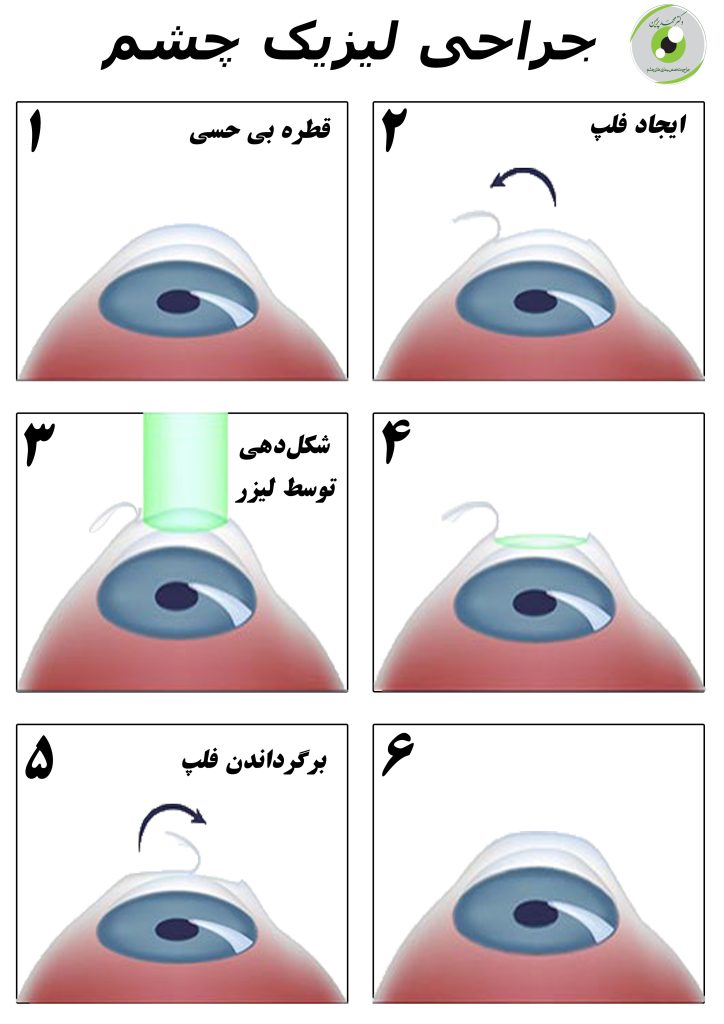
All double vision treatments have a common goal; Ability to see distant objects better. Glasses, contact lenses, or surgery, or a combination of these methods, may be used to treat myopia.
Probability of recovery
People between the ages of 7 and 18 usually see the most change. Some experts believe that this is due to a combination of body growth and heavy schoolwork (i.e. reading a lot), which puts too much pressure on the eye's natural focus system, leading to nearsightedness. Typically, myopia is manageable and vision can be dramatically improved with corrective lenses. Refractive surgery is also a solution for many adults.
Prevention
Some eye care professionals believe that steps can be taken to slow the progression of this condition. Although there is no conclusive evidence that they are effective, it is suggested that the following precautions and habits may reduce a person's nearsightedness:
- When reading, keep them 35 to 40 cm away from your eyes.
- Always make sure the room has enough light to prevent eyestrain during close work.
- Speak to an ophthalmologist before symptoms become severe.
- If you are more at risk of myopia, see an ophthalmologist annually.
- If you work at the computer all day, rest your eyes often during the day, for example, look out of the window. href="https://drpariman.ir/%D8%AF%D8%B1%DB%8C%D8%A7%D9%81%D8%AA-%D9%86%D9%88 %D8%A8%D8%AA-%D8%AF%DA%A9%D8%AA%D8%B1-%D9%BE%D8%B1%DB%8C%D9%85%D9%86/>receive Appointment Make an online appointment.