Weakening of the eyes and reduced vision is a common concern in today's world. Many people with blurred vision, eye fatigue and the need to change their glasses ask this vital question:
Is it possible to treat weakened eyes without resorting to a surgical blade?
The answer to this question is not simple and requires a precise understanding of the cause of poor eyesight. Yes, it is possible in some specific and limited cases, but for most of the common vision problems, definitive treatment and full return of vision without surgery is not possible with today's science. But the good news we have is that eye weakness is completely manageable and excessive weakness can be prevented. In this article, we will examine the types of vision weakness and the ways to "improve" or "manage" it without surgery.
But what exactly does eye weakness mean?
1. Refractive Errors: The most common type of visual impairment that includes myopia (myopia). href="https://drpariman.ir/blog/%d8%af%d9%88%d8%b1%d8%a8%db%8c%d9%86%db%8c-%da%86%d8%b4%d9%85/">camera (hyperopia), astigmatism and presbyopia (presbyopia). In this case, the problem is the shape of the eyeball or cornea, which causes the light to not focus properly on the retina. This problem is usually structural and often permanent.
2. Lazy eye (Amblyopia): It usually occurs in childhood and is caused by the lack of proper use of one eye. The brain ignores the image of the weaker eye.
3. Weakness of vision caused by diseases: Diseases such as cataracts, glaucoma, macular degeneration and diabetic retinopathy can seriously threaten vision.
4. Asthenopia: This is not a true structural weakness, but is caused by excessive strain on the eyes (for example, due to prolonged use of screens, poor lighting, or stress), resulting in blurred vision, headaches, and a temporary feeling of weakness.

Cases and problems that can be treated without surgery
In these cases, it is possible to achieve a significant improvement in vision or prevent the progression of weakness.
1. Lazy eye (Amblyopia)
This case is the best example for non-surgical treatment but only in childhood (usually before 7-8 years). The earlier the treatment starts, the more chances of success.
How to treat
-
- Stronger eye closure (Patching): The most common method of treating lazy eye is stronger eye closure. In this method, they close the strong eye for a few hours every day so that the brain can communicate with the weak eye to improve vision.
- Using eye drops (Atropine): These types of drops create the same effect as closing the eyes by temporarily blurring the vision of the strong eye.
- Vision Therapy: includes specialized exercises to improve eye coordination, concentration and depth perception.
2. False weakness caused by fatigue and eye pressure:
This case can be completely improved and prevented.

Treatment and management
-
- Eye rest exercises: Follow the 20-20-20 rule, look at an object 20 feet (6 meters) away for 20 seconds every 20 minutes.
- Setting up the work environment: Proper lighting, reducing the glare (light reflection) of the screen, placing the monitor at a lower level than the eyes and reducing the contrast and new monitor can be very effective.
- Using special glasses: Anti-radiation glasses (Blue Light Filter) for regular computer users can greatly reduce blue light fatigue. You can also set your phone's monitor and LED to eliminate blue light.
- Keeping eyes moist: Using artificial tear drops to prevent dry eyes.
3. Control of underlying diseases:
Here, the goal is not to "reverse" vision impairment, but to prevent it from worsening, which is considered a form of treatment.
-
- Diabetic retinopathy: Accurate control of blood sugar, blood pressure and blood lipids is the main and most effective non-surgical method to prevent the onset or progression of this disease. Injection of intraocular drugs (which is a minimally invasive method) can control side effects.
- Black water (glaucoma): Regular and accurate use of prescribed eye drops can reduce intraocular pressure and prevent the progression of the disease and damage to the optic nerve. This method is not a definitive cure, but it "manages" the disease.
Problems whose treatment is uncertain without surgery
1. Refractive defects (myopia, hyperopia and astigmatism):
Unfortunately, with today's science, there is no proven non-surgical method to reverse or permanently cure these problems. The shape of the eyeball and the curvature of the cornea cannot be changed by exercise, medication or vitamins. All non-surgical methods that claim "miracles" (such as some non-standard eye exercises) lack scientific support.
Non-surgical alternatives to surgery
-
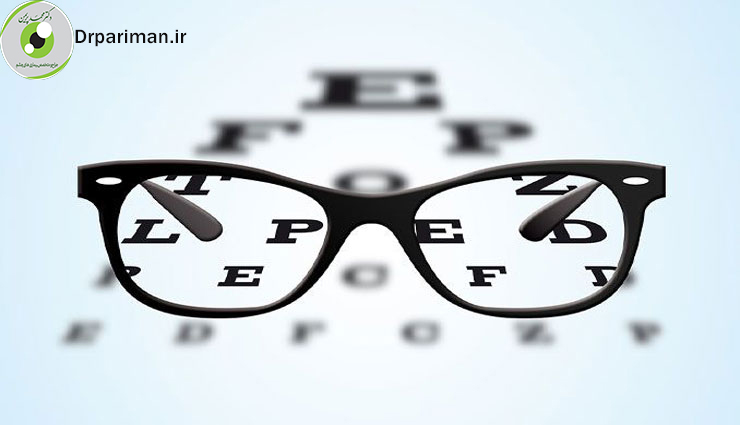
- Using glasses: Glasses are a medical-optical device consisting of a frame and two lenses that provide clarity of vision to the user by correcting light refraction defects (such as myopia, farsightedness, astigmatism, and presbyopia). The most important advantages of glasses are non-invasiveness and high safety for eye health (without increasing the risk of infection), physical protection against environmental factors such as dust and wind, ease of use and maintenance, relatively lower cost compared to some other methods, and the ability to use special lenses such as polarized or photochromic sunglasses. However, it also has disadvantages, including limiting the field of vision at the edge of the lenses, causing disruption in physical and sports activities, problems caused by weather conditions (such as steaming in cold weather or getting wet in the rain), pressure on the nose and ears after long-term use, and sometimes issues related to appearance and aesthetics. Nevertheless, glasses are known as one of the most common, safe and practical methods of vision correction in the world.
- Using contact lenses: Contact lenses are thin, paste medical lenses that are placed directly on the cornea of the eye and by correcting refractive errors such as myopia, farsightedness, astigmatism, and presbyopia, they provide clarity of vision without the need for glasses. Among their most important advantages are a wider and more natural field of vision than glasses, freedom of action in sports and daily activities, no effect of weather conditions (such as rain or steam), and aesthetic aspects (such as eye color change). However, they also have certain disadvantages and risks, including the increased risk of eye infections (if hygiene is not followed), dryness and eye discomfort, the need for daily care and cleaning (except for disposable types), a relatively higher cost in the long term, and the possibility of causing sensitivity or intolerance for some people. Ultimately, the decision to use contact lenses should be made after consulting with an ophthalmologist and taking into account eye health, lifestyle, and personal preferences.
Orthokeratology (Ortho-K): This method is a non-surgical and temporary method for correcting refractive errors (such as myopia and astigmatism) in which the patient wears special gas permeable (GP) hard contact lenses during the night. By applying controlled pressure on the cornea, these lenses temporarily change its shape, and as a result, after removing the lenses in the morning, a person has clear and natural vision for the whole day without the need for glasses or contact lenses. The main advantages of this method include full freedom of action during waking hours for sports and work activities, a non-invasive and reversible process (the eye returns to its original state when the lenses are stopped), and its ability to control or improve myopia in children. However, it also has significant disadvantages and risks, including the risk of serious eye infections such as keratitis (if hygiene is not followed), relatively high initial cost, the need for frequent examinations and careful follow-ups by an optometrist, discomfort in the first days of using hard lenses, and the temporary nature of its effect (which necessitates regular use every night). The success of this method is completely dependent on following strict care protocols and regular monitoring by a specialist.
2- Cataract:
The only definite and final treatment for cataracts is surgery. No proven drops, medication, or diet can make a clouded lens clear again. In the early stages, changing the glasses score can help a little, but it is not a cure.
3- Macular degeneration and advanced retinal diseases:
In some special types (wet type), intraocular injection of anti-VEGF drugs can slow or stop the progression of the disease and even partially improve the lost vision. Although this method is invasive, it is not an open surgery. For the dry type, there is no definitive treatment, but certain nutritional supplements (as prescribed by the doctor) can slow down the progress.
Conclusion: Be realistic
The final answer to this question depends on the cause of eye weakness.
The best course of action is to visit an ophthalmologist regularly. He can diagnose the exact cause of your vision weakness and suggest the most realistic and effective non-invasive or surgical solution. Strictly avoid unproven methods and misleading advertisements that promise miracles, because you may miss the golden time of treatment and cause more damage to your eyes.