nut frustration

Dr. Iman Etsami
TehranDoctor of Chiropractic
nut frustration

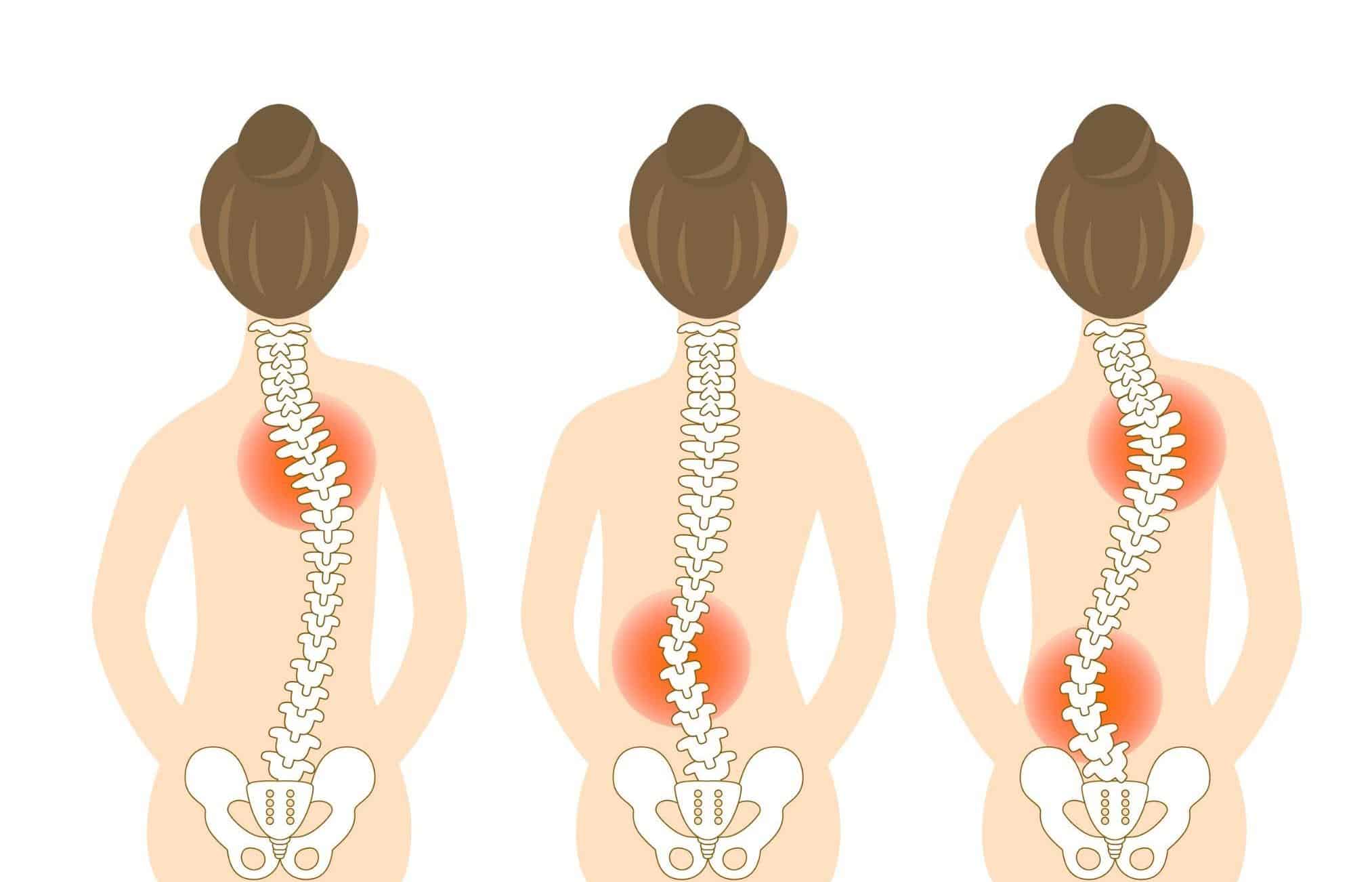
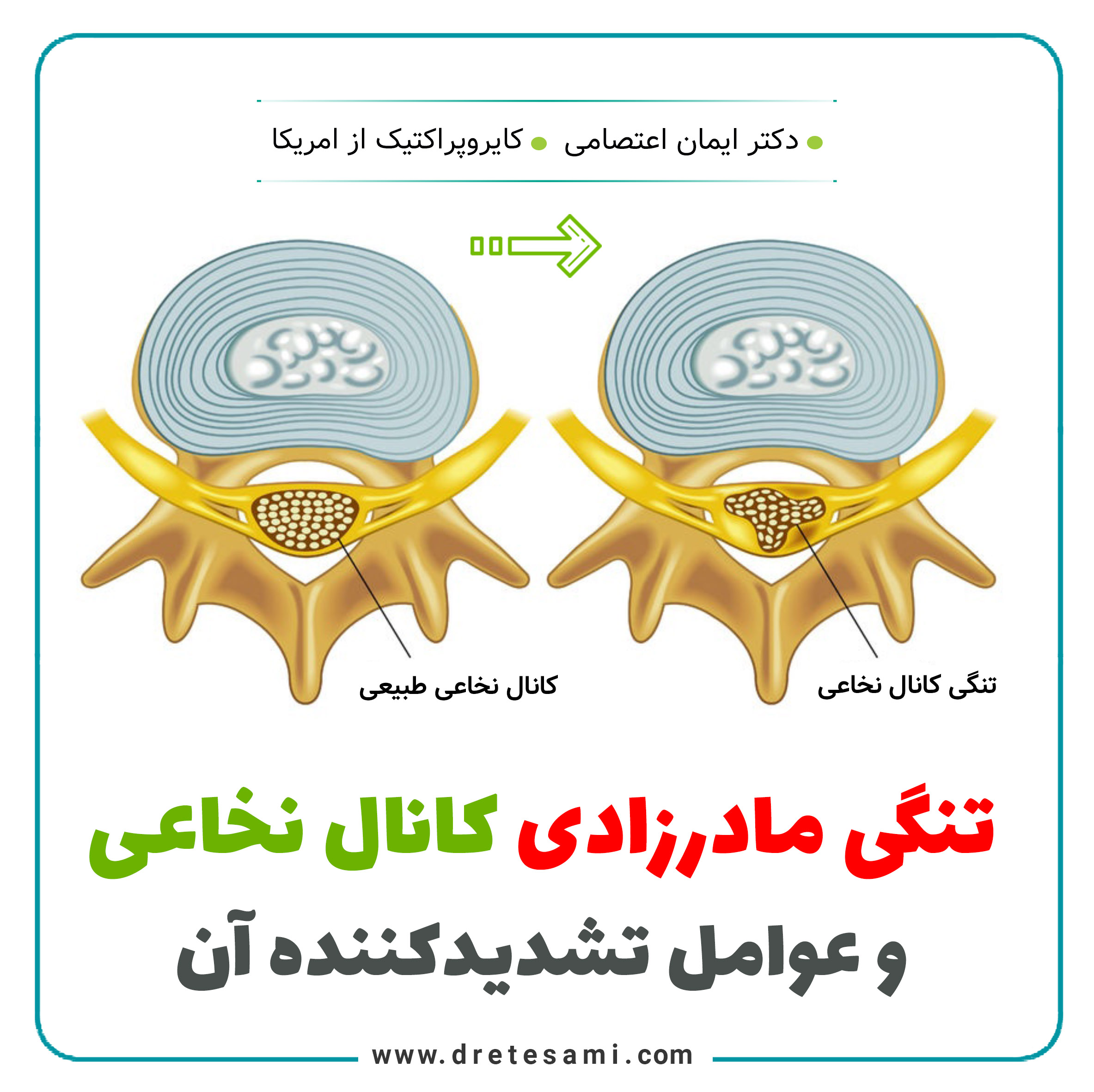
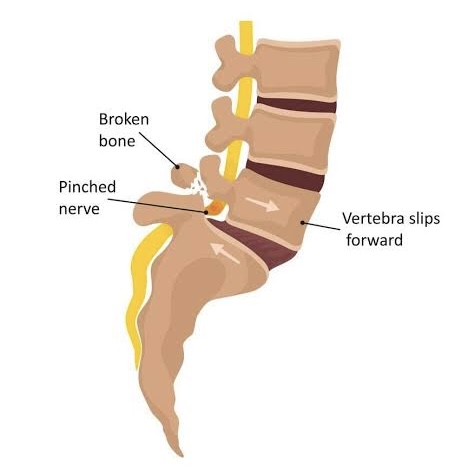
Vertebral slippage is a condition in which one of the vertebrae (bones of the spine) slips forward or backward relative to the vertebra below it. This misalignment can affect the alignment of the spine and, depending on its severity, may cause pain, nerve compression, and other symptoms. This complication occurs mostly in the lumbar region (lower back) of the spine.
Types of spondylolisthesis
1. Congenital (dysplastic): It is present from birth due to an abnormality in the structure of the spine.
2. Isthmic: caused by a fracture or a small defect in the bone, usually in the pars interarticularis, which is part of the vertebra and connects the upper and lower joints.
3. Degenerative: occurs due to wear and tear of the spine with age. This type is more common in the elderly.
4. Traumatic: caused by acute damage to the spine.
5. Pathological: caused by a disease that weakens the vertebra, such as a tumor or infection.
6. After surgery: After spine surgery, vertebrae may be displaced if the spine is unstable.
Symptoms
•Pain in the lower back: it is the most common symptom.
• Pain, numbness or weakness in the legs: these symptoms may occur if nerves are compressed, especially the sciatic nerve.
• Stiffness in hamstring muscles: often caused by nerve stimulation.
•Difficulty standing or walking for a long time: more pronounced in more severe cases.
•Muscle spasms: the body tries to stabilize the area.
causes
•Genetic talent: some people may have a family history or structural abnormalities.
•Spinal overuse: Activities or sports that cause excessive stretching of the spine (such as gymnastics, weightlifting) increase the risk.
• Erosion: Aging naturally causes wear and tear of vertebrae and intervertebral discs.
•Injury: trauma from an accident or sports injury may cause spondylolisthesis.
Detection
Diagnosis usually includes the following:
1. Physical examination: to evaluate symptoms, especially pain and movement limitations.
2. Imaging tests:
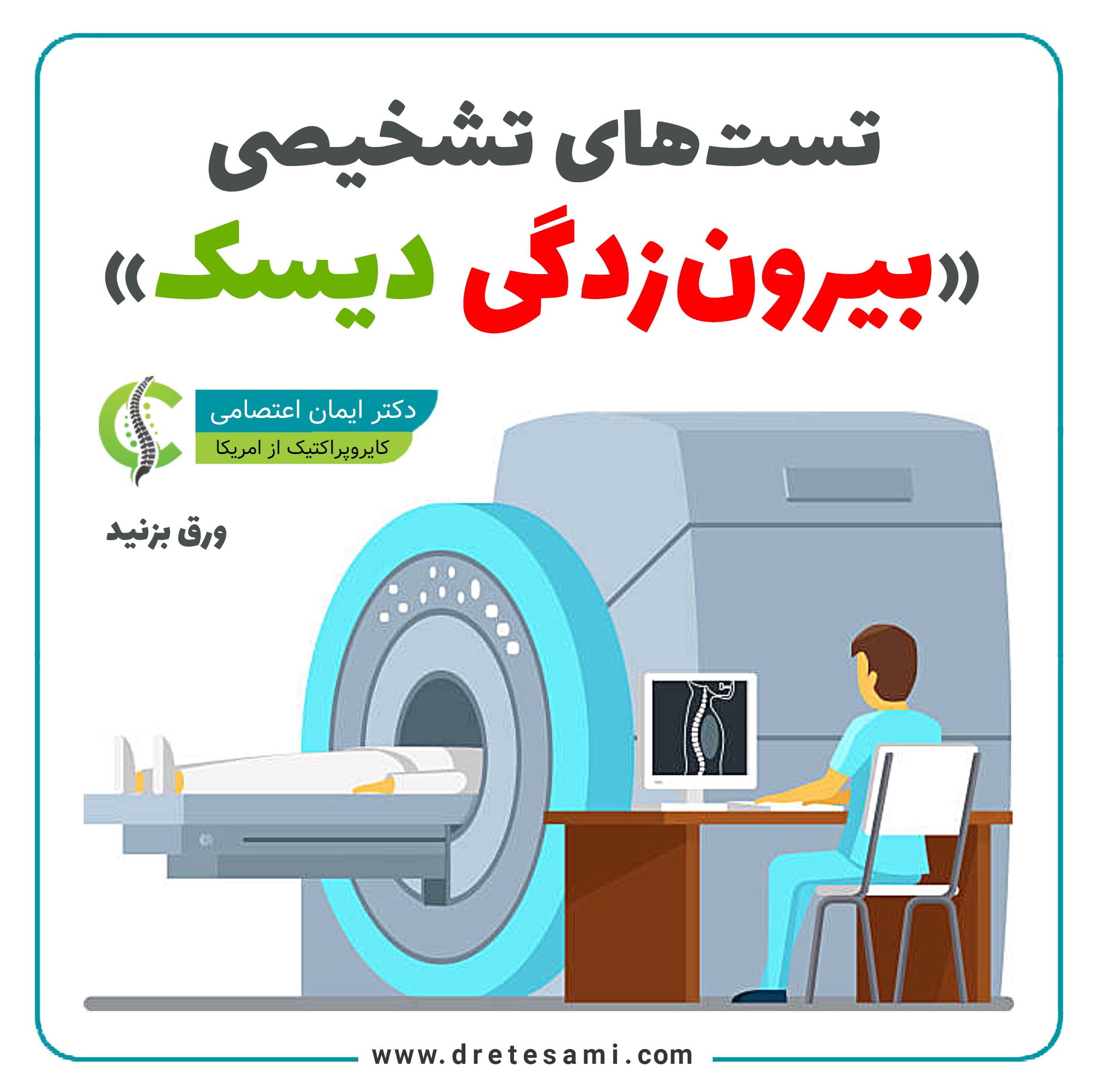
•Radiography (X-ray): to confirm displacement of vertebrae.
•CT scan or MRI: if needed to evaluate nerve damage or more accurate imaging.
Cure
The treatment depends on the severity of the disease:
•Conservative treatments:
•Resting and changing activities.
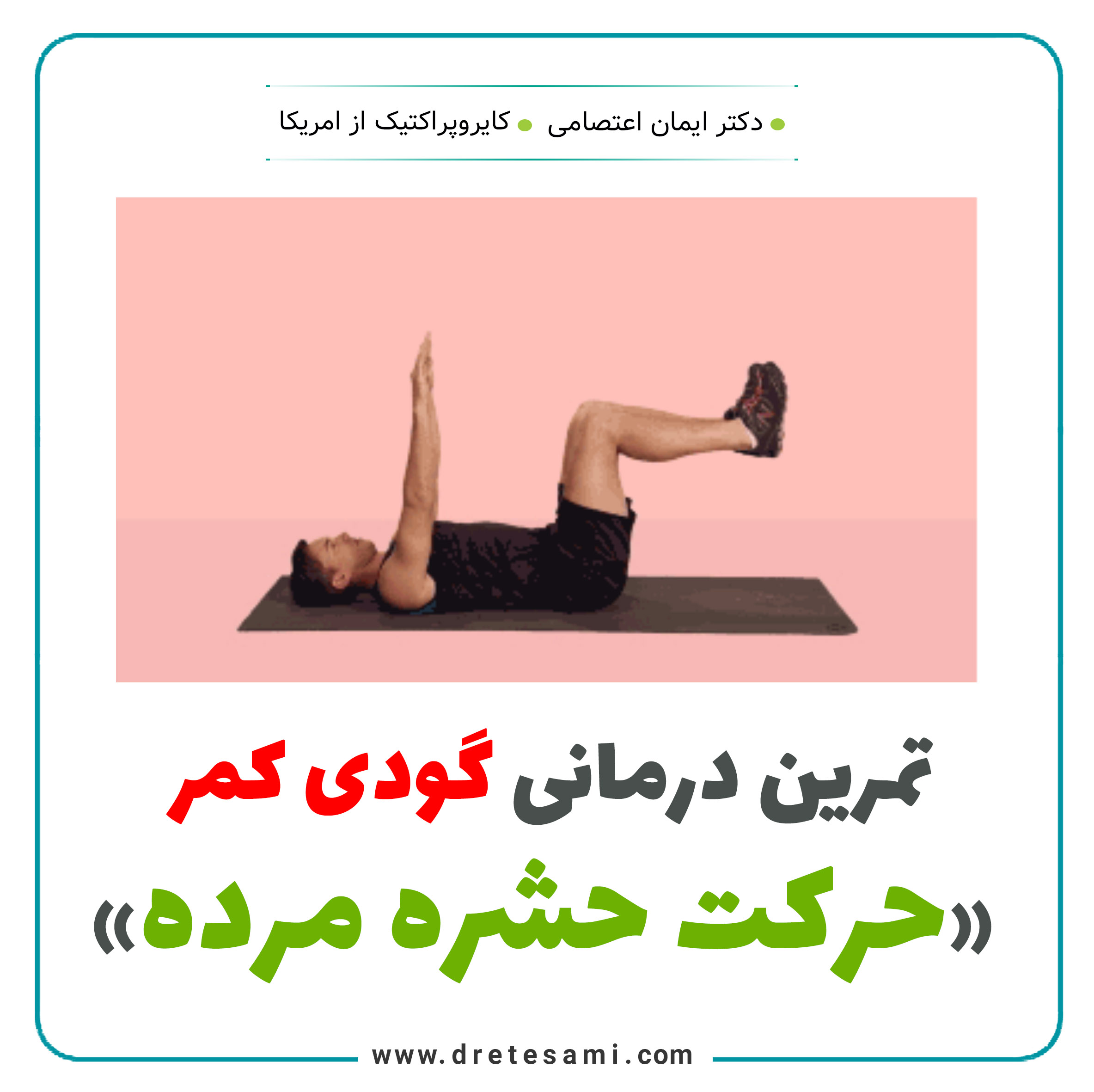
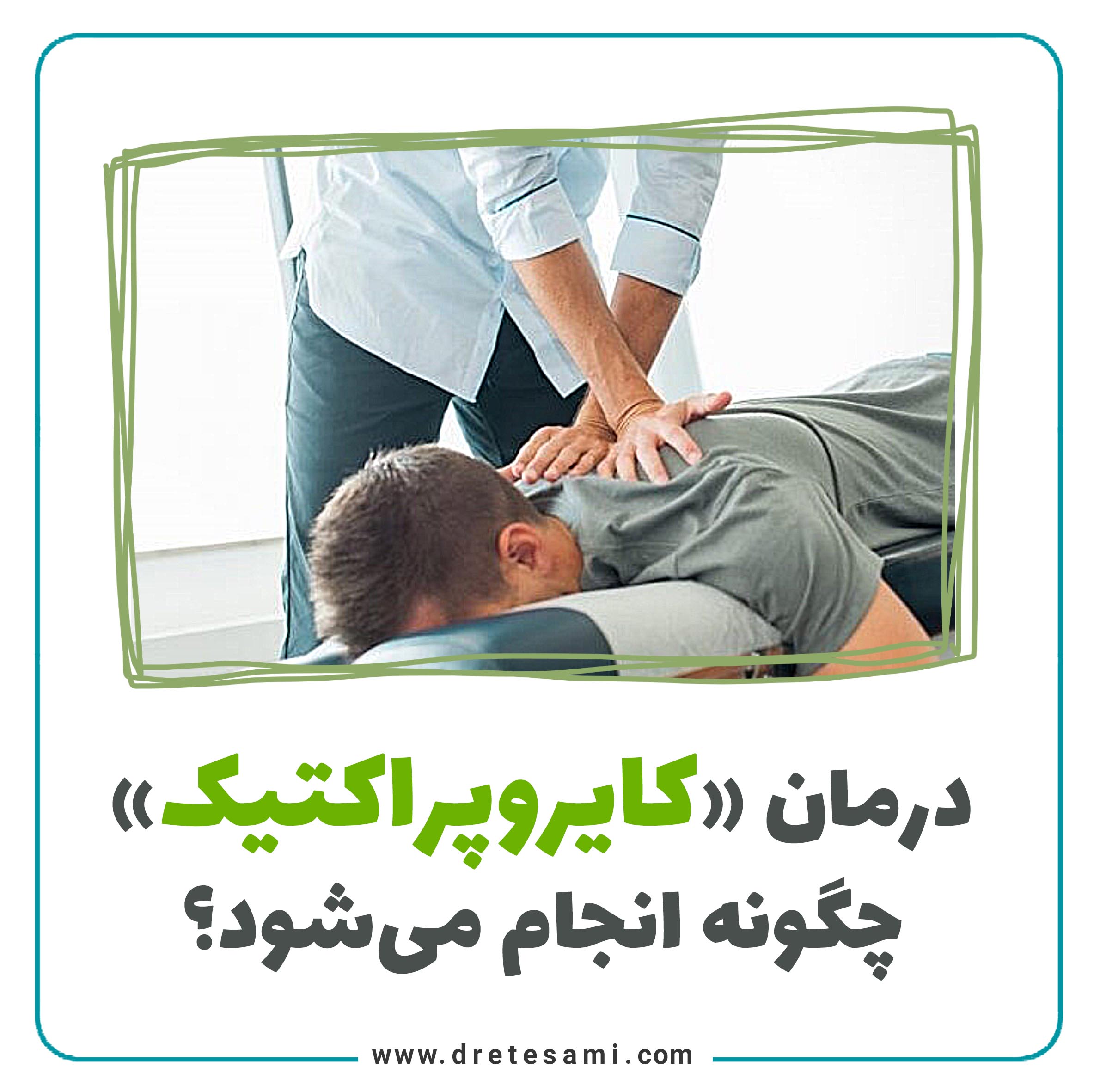
• Chiropractic: strengthening the central muscles of the body helps to stabilize the spine.
•Pain management: use of nonsteroidal anti-inflammatory drugs (NSAIDs), muscle relaxants, and corticosteroid injections.
• Bracing: In some cases, a brace may be recommended to limit movement and aid in recovery.
•Surgery:
•In more severe cases, surgery may be necessary, especially if conservative treatments are ineffective or the nerve compression is severe. Surgeries such as spinal fusion or decompression surgery are performed.
With proper treatment, most people with vertebral dislocation can manage their symptoms well.